Shooting in −30 °C: cold-weather tips for cameras, batteries and crews in Lapland
Ten winters of FMI data for Rovaniemi, plus practical advice on batteries, cameras, drones and keeping a crew safe in the cold.
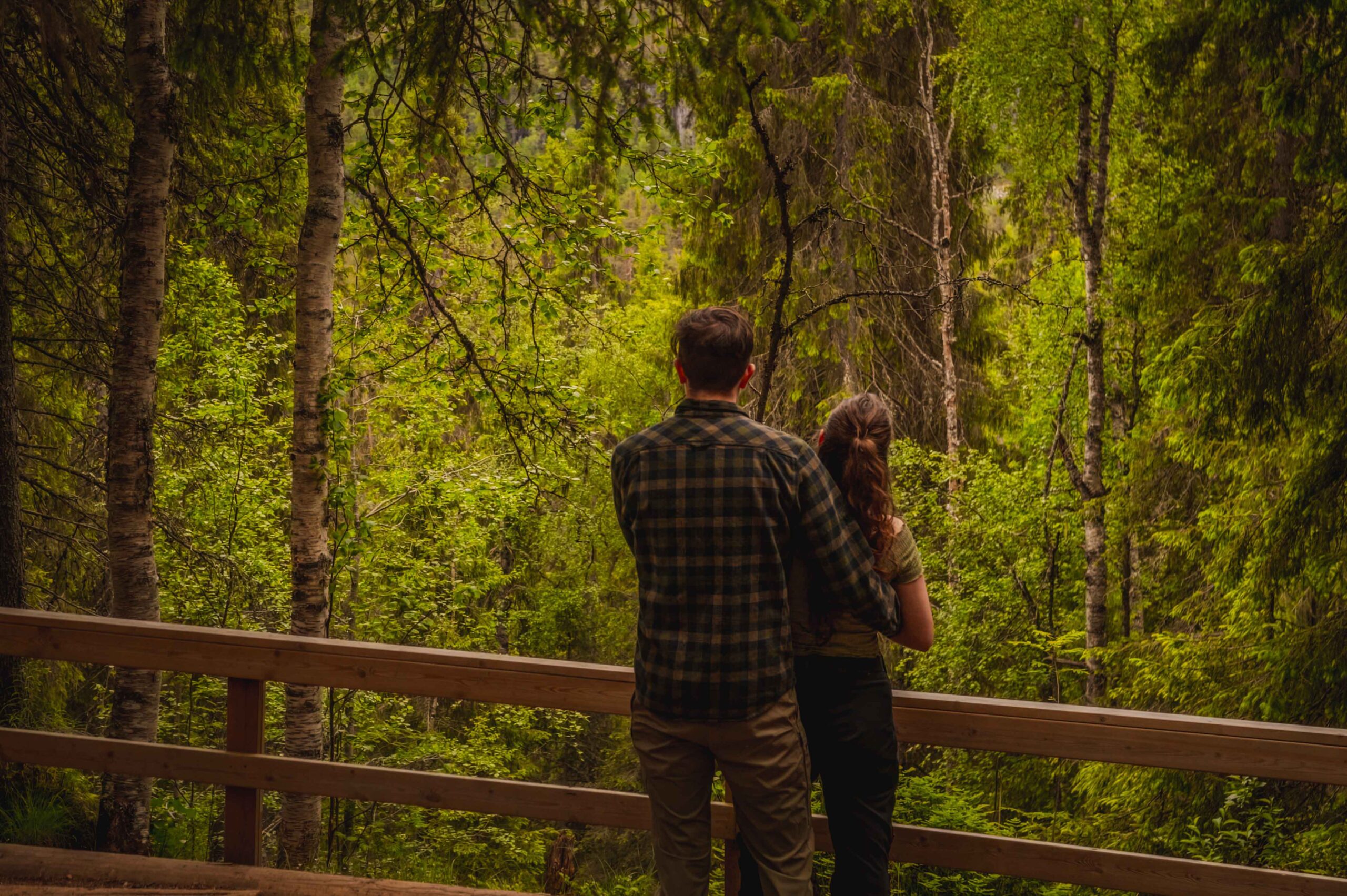
Every producer asks the same thing before a Lapland winter shoot: how cold will it actually get? We went to the Finnish Meteorological Institute’s open data and counted, for the last ten winters, so this guide can answer with numbers rather than adjectives.
We are Joona and Alla, a couple living in Rovaniemi. We are not cold-weather film experts, so for equipment limits we point to manufacturer specifications; the rest is what we see locals do every winter.
In the last ten winters (2016–17 to 2025–26), Rovaniemi’s daily minimum reached −20 °C or colder on 207 of 902 days from December to February and −30 °C or colder on 19, with a low of −34.0 °C on 10 January 2026 (FMI observations). Plan for −20 °C as normal and −30 °C as possible: keep spare batteries warm, check every device’s rated operating temperature, bag equipment before taking it indoors, and rotate crew between outdoor blocks and a warm base.
What −30 °C actually means in Rovaniemi
Finland’s lowest temperature on record is −51.5 °C, measured at Kittilä Pokka on 28 January 1999 (Finnish Meteorological Institute, FMI). Rovaniemi is not that extreme. But −30 °C is not rare either: crews who film here in January should treat it as a real possibility, and plan their kit, schedule and safety around it.
To give producers real numbers rather than adjectives, we counted days in FMI’s open daily observations for the Rovaniemi station (66.50° N, 25.71° E) for the last ten winters, 2016–17 to 2025–26. The table shows the lowest daily minimum between November and March, the number of days from December to February when the daily minimum reached −20 °C or colder and −30 °C or colder, and the average temperature in January.
| Winter | Lowest daily minimum (date) | Dec–Feb days at −20 °C or colder | Dec–Feb days at −30 °C or colder | January mean temperature |
|---|---|---|---|---|
| 2016–17 | −33.2 °C (5 Jan 2017) | 12 | 1 | −8.7 °C |
| 2017–18 | −29.1 °C (5 Feb 2018) | 23 | 0 | −9.6 °C |
| 2018–19 | −30.5 °C (3 Feb 2019) | 28 | 3 | −14.8 °C |
| 2019–20 | −30.4 °C (27 Jan 2020) | 11 | 1 | −6.7 °C |
| 2020–21 | −30.5 °C (14 Jan 2021) | 16 | 1 | −12.1 °C |
| 2021–22 | −28.2 °C (6 Dec 2021) | 24 | 0 | −9.9 °C |
| 2022–23 | −26.1 °C (8 Mar 2023) | 9 | 0 | −5.2 °C |
| 2023–24 | −33.5 °C (18 Jan 2024) | 29 | 5 | −15.1 °C |
| 2024–25 | −29.1 °C (4 Feb 2025) | 16 | 0 | −10.7 °C |
| 2025–26 | −34.0 °C (10 Jan 2026) | 39 | 8 | −19.1 °C |
Across the ten winters, the daily minimum reached −20 °C or colder on 207 of 902 days from December to February (about 23%), and −30 °C or colder on 19 of those days (about 2%). The most recent winter, 2025–26, was the coldest in this set, with a January mean of −19.1 °C. The warmest January in the set, 2022–23, averaged −5.2 °C. Variation between winters is large, so we advise planning for the cold end of the range.
Batteries and power
Cold reduces the usable capacity of rechargeable batteries, and the effect is stronger the colder it gets. In practice a battery that lasts a full day indoors can run down much faster outside, and a battery that seems empty in the cold will often show charge again once it is warmed. Our advice, from living and working here: carry more spare batteries than you think you need, keep spares in an inside pocket close to the body, and rotate them.
- Use insulated pouches or small cooler bags with hand warmers for spares, not touching the battery directly.
- Keep power banks, monitor batteries and wireless transmitters warm too; they are as vulnerable as camera batteries.
- Charge in a warm place and avoid charging a cold battery straight away.
- Plan generator or vehicle power with winter operation in mind; ask your rental or supplier what is rated for the cold.
Cameras and lenses
Manufacturers publish an operating temperature range for a reason. As one example, ARRI lists −20 °C to +45 °C for the ALEXA 35, a flagship cinema camera. At −30 °C you are outside that published range, so check the specification for every camera, monitor, recorder and lens you plan to use, and ask the manufacturer or rental house about cold-weather kits.
- Condensation: moving cold equipment into a warm room can fog lenses and condense moisture inside. Seal the kit in a bag before you go in, and let it warm slowly before opening the bag.
- Screens and displays: LCDs and OLEDs can become slow or dim in cold. Keep a spare monitor warm or use a hood and a heated vehicle for checks.
- Cables and connectors: they stiffen and can crack. Handle gently and keep spares.
- Lens fogging and frost: avoid breathing on the lens and carry lens cloths, hand warmers and, if your kit allows, lens heaters.
- Tripods and heads: lubricants thicken in the cold. Test fluid heads before the shoot day.
- Memory cards: carry more than you need, and offload in a warm place.
If your camera has no published cold rating, do a test in a freezer or a cold morning at home before you travel. For the aurora in particular, see our guide to filming and photographing the northern lights near Rovaniemi.
Sound, drones and small gear
Wind noise is the hidden problem. At low temperatures, cheap foam windshields collect ice crystals and fur covers freeze stiff; keep spares and carry a dry bag. For drones, battery performance falls in the cold, so expect shorter flights and test your drone before the main shot; our guide to drone rules in Finland explains the legal side. Metal tools and zip pulls can be unpleasant to handle bare-handed; use thin gloves under thicker ones for detailed work.
Looking after the crew
Cold affects people before it affects cameras. Practical points, based on common advice and what we see locals do:
- Layers: a wicking base layer, an insulating mid layer, and a windproof outer layer; avoid cotton next to the skin. Take spare dry socks and gloves.
- Extremities: hands, feet, nose and cheeks go first. Carry liner gloves, insulated boots rated for the temperature, and a face covering.
- Rotate and warm up: plan short outdoor blocks, a heated vehicle or room as a base, and hot drinks. Many crews rotate roles so no one stands still for hours.
- Wind matters: −20 °C with wind feels much colder than −20 °C in still air. Pick sheltered positions when you can.
- Know the warning signs: numbness, white or waxy skin and confusion are reasons to warm up and seek help. We are not medical experts, so consult an occupational health adviser for your crew’s protocol.
Our guide to how cold Lapland really is covers safety for visitors in more detail.
Vehicles and logistics
You will see electric sockets on posts in car parks in Lapland; they are for engine heaters, which many local cars use in the coldest weather. If you hire a vehicle, ask the rental company whether it has an engine heater and how to use it. Plan more time for travel between locations, and keep fuel, warm clothing and a charged phone in the car. The cold also shortens the usable day: our daylight planning table shows about four hours of sun in mid-January, so the coldest hours often coincide with the darkest.
Build a cold-weather plan B
Because the cold can end an outdoor session early, build the schedule with sheltered options. Interviews, product close-ups and equipment changes are easier in a heated room, car or cabin than in the open air. Many activity providers and lodges in Lapland have warm indoor spaces or fire-heated shelters near the outdoor locations, and a good local contact will know which ones a crew can use. Ask about this when you scout, and agree access in advance, because these are private premises.
It also helps to sort the shot list by cold risk. Shots that need the camera outside for a long time, such as a static night sky, go first on the day’s list while people are fresh; handheld work with a short run time can follow. Keep a fixed point for warming up, with hot drinks, so people do not drift into the cold by accident. A written shot list, with times from our daylight table, is far better than improvising in −25 °C.
How locals can help
We are a couple living in Rovaniemi and working in tourism marketing in Lapland. We can help journalists and producers with local research, introductions and, where it makes sense, joining a shoot, including advice from the people who work outdoors here every winter. See our press page, and our practical guide for TV crews for permissions.
FAQ
How cold does it get in Rovaniemi in winter?
In the last ten winters the daily minimum reached −30 °C or colder on 19 of 902 December–February days; the lowest was −34.0 °C on 10 January 2026 (FMI observations).
What is the coldest temperature ever recorded in Finland?
−51.5 °C at Kittilä Pokka on 28 January 1999 (FMI).
Do cameras work at −30 °C?
Many are rated for much less cold than that. ARRI’s ALEXA 35 is rated from −20 °C, for example, so check the specification of every device and test it before the shoot.
How should crews store batteries in the cold?
Keep spares warm in an inside pocket or insulated pouch, rotate them, and charge them in a warm place.
Can we hire local help with cold-weather logistics?
We can help with research and introductions; contact us via our press page.
Quotable · free to use with credit
“Plan for −20 °C as normal and −30 °C as possible, because in Rovaniemi the cold end of the range is a real part of the winter.”
— Joona & Alla, Hungrytravelfamily, Rovaniemi
“The camera is rated for a temperature, but the crew is not: look after the people first and the batteries second.”
— Joona & Alla, Hungrytravelfamily, Rovaniemi
“Keep spares warm, rotate them, and always bag the equipment before you take it indoors.”
— Joona & Alla, Hungrytravelfamily, Rovaniemi
Please credit “Joona & Alla, Hungrytravelfamily (hungrytravelfamily.com)”. Need a fresh quote or an interview? Contact us.
For journalists, TV & podcast producers
Working on a story about cold-weather filming in Finnish Lapland?
We’re Joona & Alla — we live in Rovaniemi on the Arctic Circle and both work in tourism marketing in Lapland. We can help with:
- On-camera interviews and expert comments in English (Joona also speaks Finnish)
- Story research, real prices and location ideas in Rovaniemi and Finnish Lapland
- Filming days and contacts with local husky, reindeer, snowmobile and northern lights operators
Send your outlet, topic, dates and deadline — we try to reply within 24 hours.
Email a media requestPress & media pageSources & further reading
Get our best travel tips in your inbox
Monthly stories from Rovaniemi — Arctic tips, packing lists, and the places we keep coming back to.