CENTRAL EUROPE · GERMANY
Germany,
forests, cities, and quiet contradictions
Ancient forests, grand cities, and a culture that quietly holds its contradictions — from the Baltic coast to the Bavarian Alps.
SCROLL
CENTRAL EUROPE · GERMANY
forests, cities, and quiet contradictions
Ancient forests, grand cities, and a culture that quietly holds its contradictions — from the Baltic coast to the Bavarian Alps.
SCROLL
BEST TIME
May — Oct
LANGUAGE
German
CURRENCY
EUR
OUR VISITS
Multiple trips
Germany is the country everyone thinks they know — beer halls, Autobahn, efficiency — and then you actually travel it and find sixteen loosely connected regions held together by a much more complicated history than a single stereotype can carry. The forests really are dense. The cities really were rebuilt. The trains are mostly, but not always, on time.
We’ve been back many times, dividing trips between Berlin in the north — flat, raw, still catching its breath after reunification — and Bavaria in the south, where the Alps rise out of nowhere and the beer garden is a legitimate institution. Germany rewards doing less, slower, in one region at a time.

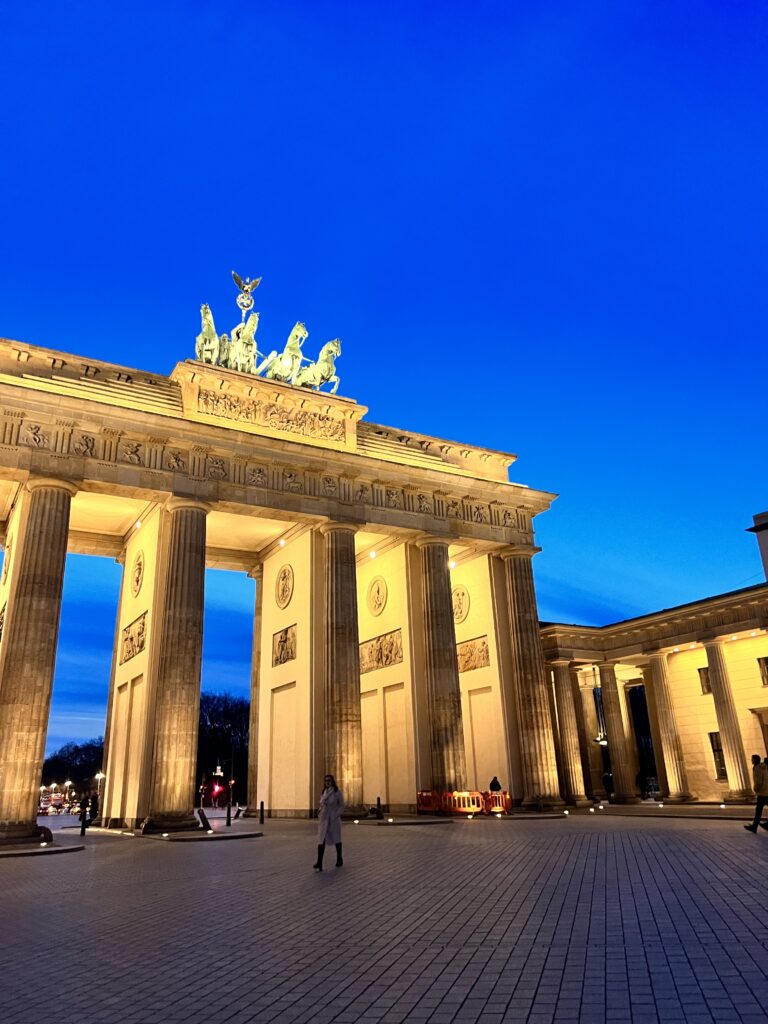
May through October is the easy answer: long evenings, warm lakes, open beer gardens, and the Alps at their greenest from June to early September. July and August are high season — Bavaria fills up, but Berlin empties as locals leave the city.
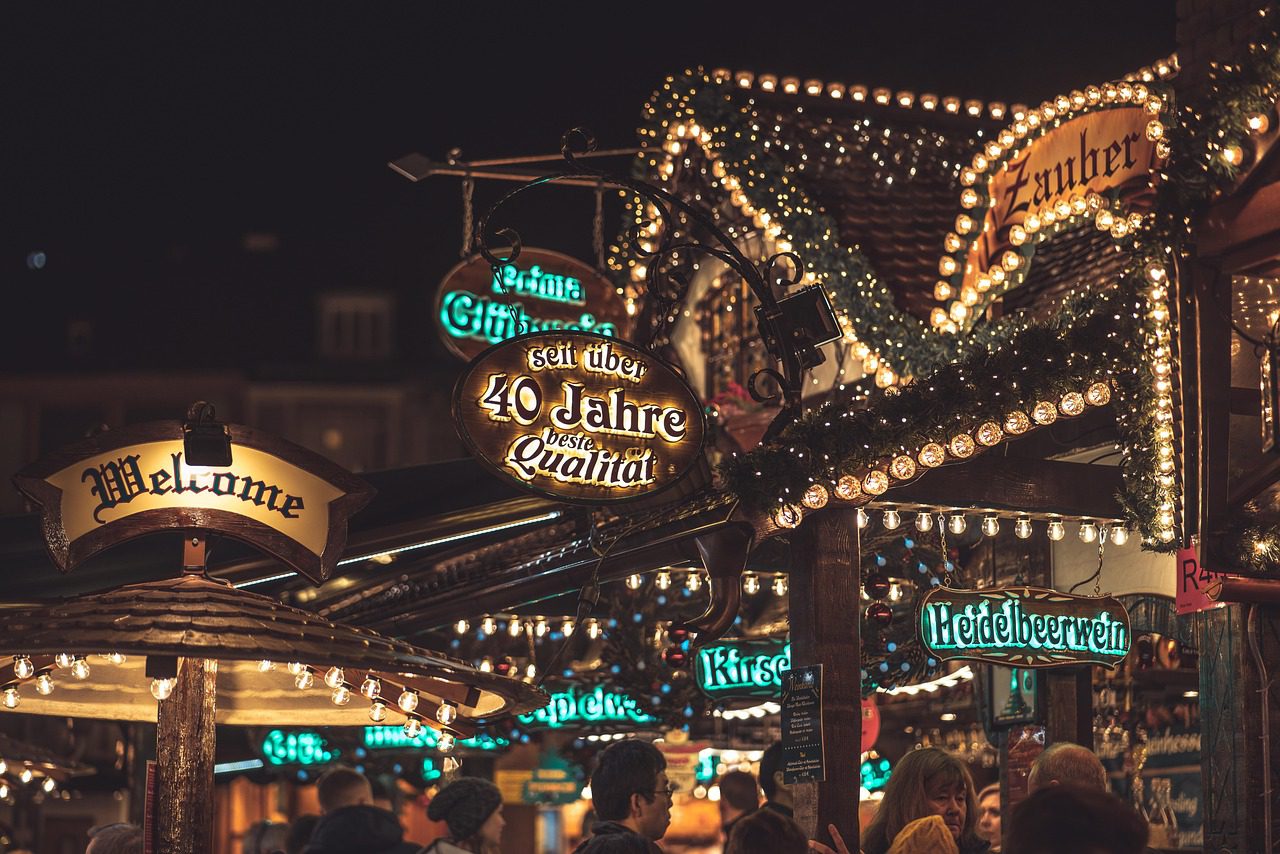
December is the sneaky alternative. Christmas markets across the country — Nuremberg, Dresden, Munich, Rothenburg — are the real thing, not a tourist set. Cold, but properly atmospheric, with mulled wine, wooden huts and actual snow in the south. Avoid November and January unless you’re specifically heading to the Alps to ski.
Walk the Spree and the Berlin Wall trail. The East Side Gallery on a quiet morning, then across to Museum Island — this is the city at its most layered.
A day in the English Garden. Munich’s Englischer Garten is bigger than Central Park — beer, surfers on the Eisbach, and Chinese Tower on a sunny afternoon.
Neuschwanstein and the Romantic Road. The fairy-tale castle really is that good up close; pair it with an overnight in Rothenburg ob der Tauber.
Christmas markets in December. Nuremberg is the classic, Dresden’s Striezelmarkt the oldest — mulled wine, bratwurst, and wooden huts under cold air.
Split it in two. Three or four nights in Berlin in the north for modern Germany — art, history, nightlife. Then three or four nights in Munich as a base for the Bavarian Alps, Neuschwanstein, and beer-garden afternoons. The ICE between them is 4 hours.
Berlin neighbourhoods: Mitte for museums and history, Kreuzberg for food and nightlife, Prenzlauer Berg for leafy cafés. Munich: Altstadt for the first visit, Schwabing for quieter stays near the English Garden.
Long-distance trains are run by Deutsche Bahn — the ICE network is fast and comfortable, though punctuality has become a running joke even among Germans. Book in advance on bahn.de for the cheapest fares.
The Deutschland-Ticket (€49/month) covers all regional trains, buses and trams across the country — unbeatable for a long trip. Driving is easy; the Autobahn has derestricted sections, but most have limits. Inside cities, U-Bahn and S-Bahn networks are excellent — you won’t need a car.
German food is regional — what you eat in Bavaria barely overlaps with a plate in Hamburg. Portions are generous, bread is taken seriously, and the coffee-and-cake ritual at 3 pm is its own quiet religion.
What we always eat: Weißwurst with sweet mustard and a pretzel in Munich (always before noon — locally it’s breakfast), Currywurst from a Berlin street stall, Schnitzel pounded thin with potato salad, Käsespätzle in the south — the German answer to mac and cheese — and a proper Hefeweizen wherever you find one. Don’t miss Christmas-market food in December: bratwurst in a bun, Glühwein in a mug you keep.

Mid-budget day, per couple
Lodging – €90 – 150 (3-star city hotel, double)
Food – €50 – 80 (café breakfast, casual lunch, beer-hall dinner)
Transport – €10 – 20 (U-Bahn day passes, or Deutschland-Ticket split across days)
Activities – €10 – 30 (museum entries, castle tickets)
Coffee & cake – €8 – 15 (non-negotiable)
Rough total – €160 – 260
Berlin is cheaper than Munich; Bavaria in summer is the most expensive. Supermarkets and bakeries keep a trip affordable even in pricier regions.
Carry cash — Germany is not fully cashless. Smaller restaurants, bakeries and ticket machines still refuse cards. ATMs are everywhere but use your bank’s network if you can to avoid fees.
Sundays are properly quiet. Shops close, most supermarkets included. Restaurants stay open but stock up on Saturday if you’re self-catering.
Book ICE trains early for sparpreis fares. Walk-up tickets on Deutsche Bahn can be 3–4× the advance price. bahn.de sells them months ahead.
Tipping is modest — round up, or add 5–10%. Tell the server the total when you pay (“fünfunddreißig, bitte”) rather than leaving it on the table.
Respect quiet hours and recycling. Ruhezeit (noisy activities frowned upon after 10 pm and on Sundays) is real, and every bin has a system — locals will correct you politely if you get it wrong.
Germany is the country we keep returning to because it’s never quite finished surprising us. The north-south contrast is real — Hamburg and Munich feel like different countries — and the history sits on the streets in a way that’s impossible to tune out. We like it best in shoulder season: May in Berlin, September in the Alps, a Christmas-market weekend in Nuremberg when the cold is the point.
If you like cities with real depth, countryside that rewards slow travel, and trains that (mostly) take you everywhere, Germany holds up to repeat visits as well as anywhere in Europe.
GERMANY IN PHOTOS
Our trip, one frame at a time
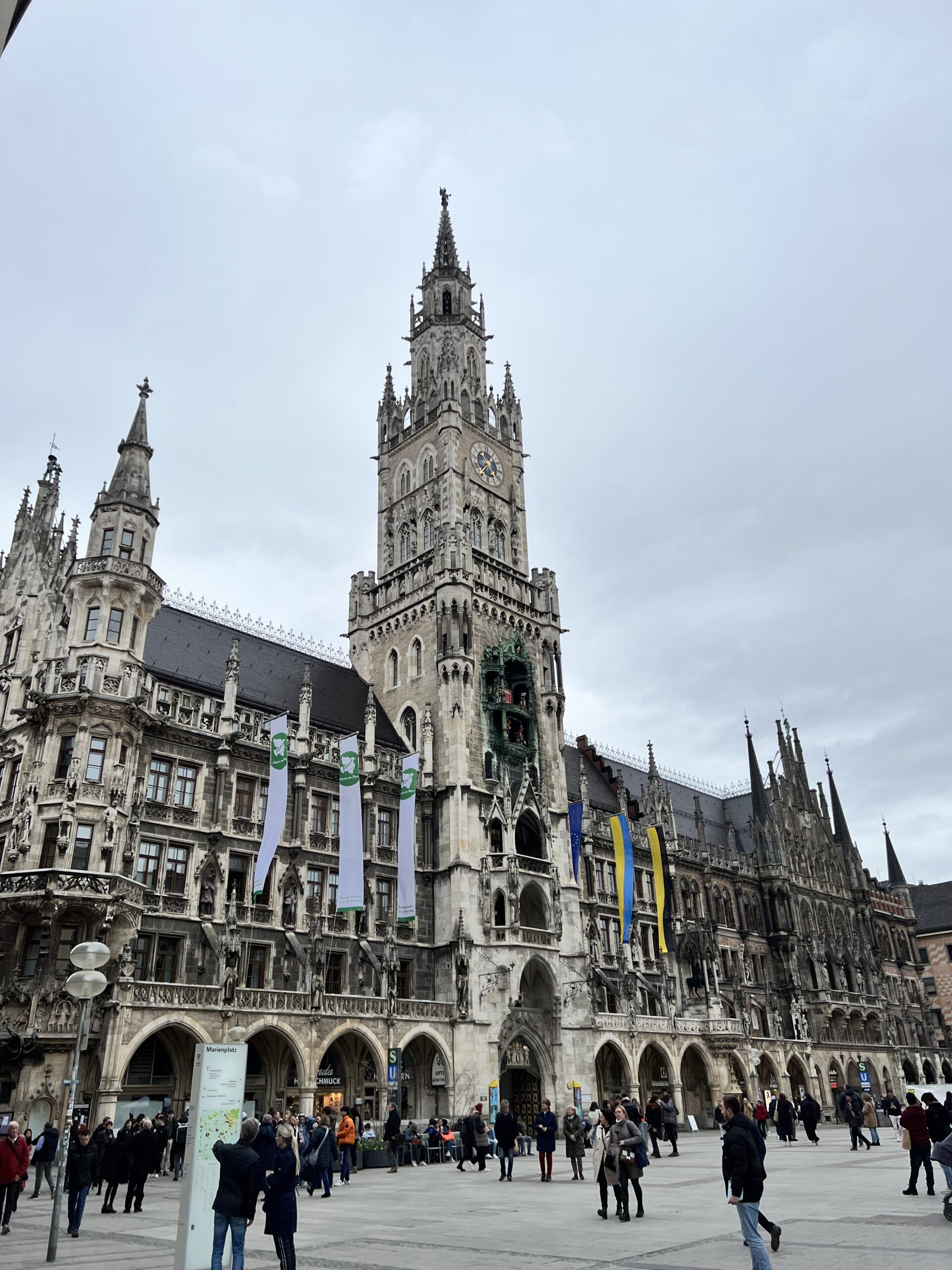


Different countries, really. Berlin for history, art, nightlife and a rawer urban feel. Munich for beer gardens, Alpine day trips and polished south-German charm. If you only have time for one, pick the mood you want more — ICE trains make it possible to see both in a week.
Enough for two cities plus one region — Berlin + Dresden, or Munich + the Bavarian Alps and Neuschwanstein. Trying to sweep the whole country in a week means too much time on trains. Better to pick a region and come back for the others.
KEEP EXPLORING
Swipe sideways — these are destinations we've been to and written about.
Monthly stories from Rovaniemi — Arctic tips, packing lists, and the places we keep coming back to.