SOUTHERN EUROPE · ITALY
Italy,
a country you return to
Honest notes on Rome, Venice, Milan, and Lake Como — from a family that keeps going back.
SCROLL
SOUTHERN EUROPE · ITALY
a country you return to
Honest notes on Rome, Venice, Milan, and Lake Como — from a family that keeps going back.
SCROLL
BEST TIME
Apr — Oct
LANGUAGE
Italian
CURRENCY
EUR
OUR VISITS
3 visits
Italy doesn’t really need an introduction, but the Italy we write about is the one you don’t see on the first trip — lunch in a quiet Rome piazza, the five in the afternoon light off Lake Como, the way a waiter corrects your pasta order and pours you the right wine anyway. We come back often; each time the country feels both bigger and smaller than we remembered.


Spring (April–June) and autumn (September–October) are our favourites: warm days, softer light, and the cities breathe again. July and August are hot — brutally so in Rome and Florence — and the coast fills with Italians on holiday. If you only have August, flee inland to the Dolomites or north to Lake Como. Winter has its own quiet charm: empty churches in Rome, Venice in fog, and real skiing in the Alps. Avoid the ten days either side of Easter and Ferragosto (Aug 15) if you can.

Rome. Walk everywhere. Sunrise at the Pantheon, coffee standing at Sant’Eustachio, sunset from the Gianicolo, and dinner in Trastevere. Skip the Spanish Steps and spend that hour in the Centrale Montemartini museum instead. Venice. Two nights minimum — it changes after the day-trippers leave. Cicchetti crawl in Cannaregio, an early vaporetto to Torcello, coffee in a quiet campo. Milan. Underrated. Aperitivo at Bar Basso, a proper walk in Brera, and the Last Supper if you book far enough ahead. Lake Como. Base in Varenna, not Bellagio; take the fast ferry across. One slow afternoon on the water and you understand the rest.
For a first trip: four nights in Rome, two in Florence, two in Venice — the classic triangle, and it works. For a second trip: skip Rome, fly Milan, base yourself on Lake Como for three nights, then head south to Venice or east to the Dolomites. Rome neighbourhoods: Monti for atmosphere, Prati for quiet, Trastevere if you don’t mind evening noise. Skip hotels by Termini station unless you’re moving on in the morning.
High-speed trains are the backbone. Frecciarossa and Italo connect Rome, Florence, Milan, and Venice in 1–3 hours — book early and they’re cheap. Regional trains are slower but fine for short hops. Inside cities: Rome’s metro is limited, so walk and use buses; Milan’s metro is excellent; Venice is all on foot and vaporetto. Don’t rent a car unless you’re heading for Tuscany back-roads, the Dolomites, or the Amalfi coast — and even then, pick it up outside the city.
Italian food is regional to the street. Carbonara in Rome, Bolognese in Bologna (never in Rome), seafood on the Adriatic, risotto in Milan, pesto in Liguria. What we always eat: cacio e pepe the first night in Rome, a proper pizza al taglio for lunch, gelato daily (Fatamorgana in Rome, Gelateria del Teatro), and a long Sunday lunch somewhere without a menu. Coffee is taken standing at the bar in the morning; after 11 only tourists order a cappuccino.

Italy is affordable compared to the Nordics, and the gap between a €12 trattoria lunch and a €120 dinner is often smaller than you’d think. Real numbers we’ve seen for two adults travelling mid-range in 2025: comfortable but not fancy, one nice meal a day, public transit, one paid activity. Expect roughly €130 – €220 per day for two. Rome, Venice, and Milan are the most expensive; smaller towns and the south cut this by 25–40%.
Comfortable walking shoes. Italian cobblestones are unforgiving — leave the new sneakers at home. Dress respectfully in churches. Shoulders and knees covered for St Peter’s, the Duomo, and any basilica you want to enter. Cash for small places. Most restaurants take cards, but the corner bar, the gelato stand, and the market stall often don’t — carry €30–50 in small notes. Slow down at lunch. A proper Italian meal takes two hours; plan around it rather than squeezing it between sights.
Italy rewards the second visit more than the first. The first trip is about the big sights — Colosseum, Rialto, the Duomo — and you need to do them. The second is about slower afternoons: an aperitivo on a piazza with no name, a train to a town you’ve never heard of, a long meal in a restaurant where no one speaks English. Start with Rome and Venice. Come back for everything else.
ITALY IN PHOTOS
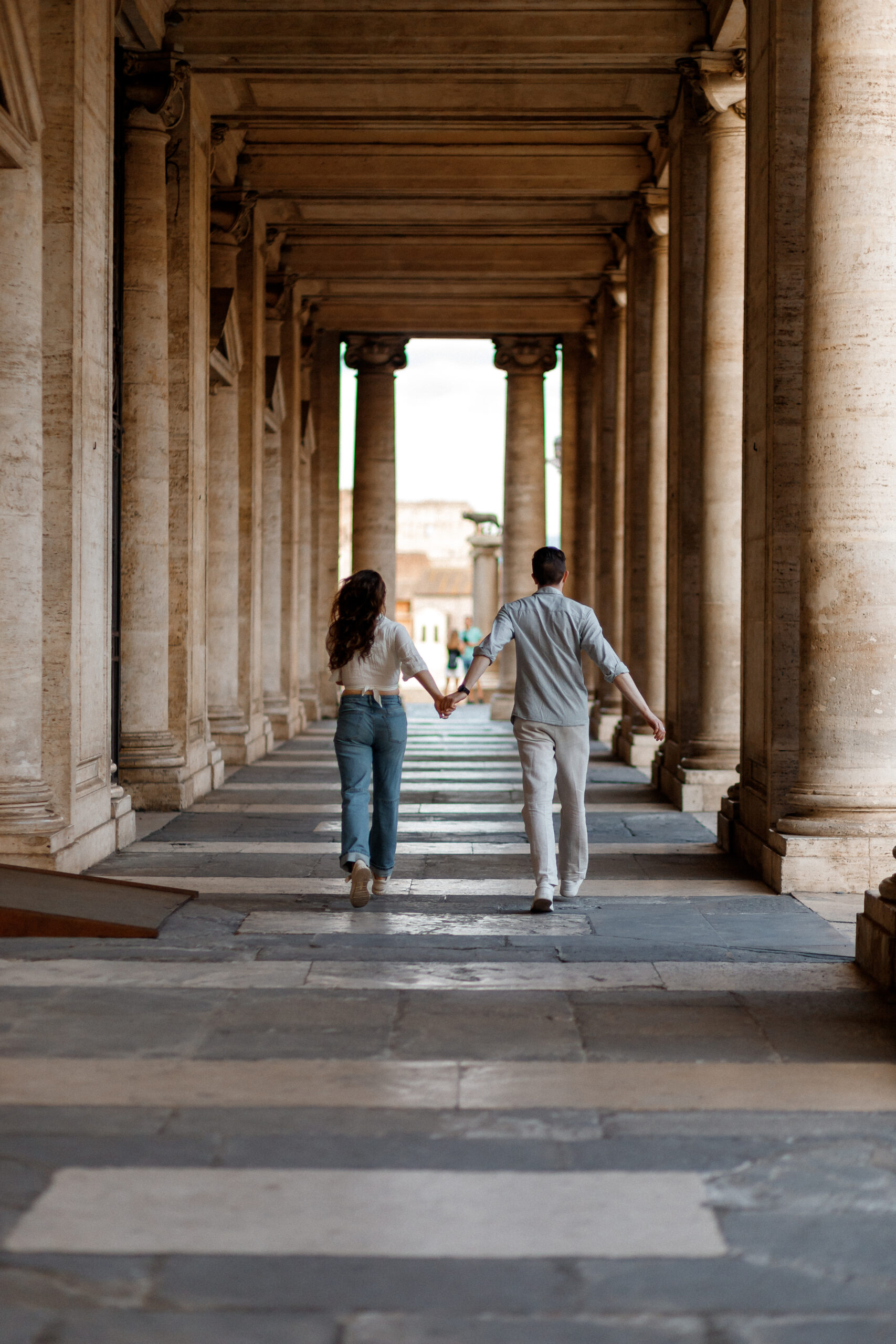
Our trip, one frame at a time




Both, of course — but if forced to choose: Rome if you want scale, street life, and ruins underfoot; Florence if you want art and compact walkability. Rome rewards time; Florence rewards a focused three days.
Yes, but pick your month. May, June, or late September are the sweet spot. In high summer (July–August) the coastal road is gridlocked and everything feels squeezed. Base in Ravello or Praiano rather than Positano, and take the ferry where possible.
KEEP EXPLORING
Swipe sideways — these are destinations we've been to and written about.
Monthly stories from Rovaniemi — Arctic tips, packing lists, and the places we keep coming back to.