WESTERN EUROPE · IRELAND
Ireland,
an Atlantic island of green and story
Honest notes on Dublin, the Wild Atlantic Way, and the country in between — from a family that keeps coming back.
SCROLL
WESTERN EUROPE · IRELAND
an Atlantic island of green and story
Honest notes on Dublin, the Wild Atlantic Way, and the country in between — from a family that keeps coming back.
SCROLL
BEST TIME
Jun — Aug
LANGUAGE
English
CURRENCY
Euro (€)
OUR VISITS
5+ visits
We keep finding reasons to go back — Dublin end-to-end on foot, the coast unspooling for days, and whole afternoons lost in pub music sessions we never planned on staying for. Familiar enough to land in easily, wild enough to keep surprising us.


Late spring through early autumn (May–September) is the easy answer: long evenings, the coast at its softest, and trad music in every pub. June and July get busiest; book the Wild Atlantic Way accommodation weeks ahead.
Shoulder season (April–May and September–October) is our favourite: softer light, empty country roads, and hotel prices that make sense. Winter is underrated — cosy pubs, short days, dramatic skies along the coast.

Dublin. Trinity College and the Book of Kells are the postcard, but Dublin reveals itself on foot. Walk the quays, find a trad session (The Cobblestone in Smithfield is our pick), and give yourself one slow afternoon in a Georgian square.
The Wild Atlantic Way. 2,500 km of coast road from Donegal to Cork. You don’t drive it all — you choose a stretch. Clare and Kerry are the classics; Donegal is quieter and just as beautiful.
Cliffs of Moher & the Burren. The cliffs are as staggering as advertised, but the Burren behind them — pavement limestone, wildflowers, ruined abbeys — is the real quiet surprise. Go early or late to skip the coach crowds.
Galway, Dingle & Killarney. Galway for music and oysters, the Dingle peninsula for one of Europe’s great coast drives, Killarney for mountains and lakes. Rent a small car, drive on the left, take your time.
For a first trip: four nights in Dublin plus five nights on a loop through Galway, Dingle, and Killarney. Flying in and out of Dublin is simplest; fly out of Shannon if you want to skip the backtrack.
Dublin neighbourhoods: Temple Bar is loud and fun but touristy — stay in the Liberties, Portobello, or around Stephen’s Green for character without the stag-do noise. On the road, pick one base for each region (two nights each) so you’re not unpacking every night.
A small hire car is the answer outside Dublin — the west coast simply doesn’t work by train. Drive on the left, take the narrow roads slowly, and tuck into a lay-by for passing tractors. Fuel stations are easy; insurance excess is not — read the fine print.
Inside Dublin: the Luas tram and buses cover everything, and the centre is genuinely walkable. Intercity trains are good for Belfast, Galway, and Cork — but for the Wild Atlantic Way, a car is unavoidable.
Irish food has come a long way past the bacon-and-cabbage cliché. Dublin has a confident fine-dining scene; Galway, Cork, and Kinsale punch above their weight; and the farmers’ markets everywhere are worth a morning.
What we always eat: a proper Irish breakfast once (just once), seafood chowder on the coast, a brown bread-and-butter moment, fresh oysters in Galway, and a Guinness that actually tastes the way people claim it does. Pubs serve food until surprisingly late — a traditional music session with a plate of stew is hard to beat.

Ireland has a reputation for being pricey — and Dublin earns it, but the rest of the country is far more reasonable. These are real numbers we’ve seen for two adults travelling mid-range in 2025: comfortable but not fancy, one nice meal a day, public transit, one paid activity.
Expect ~€170 – 270 per day for two (Dublin is the high end). Dublin and Galway are the most expensive; rural B&Bs and country pubs cut this by 25–35%.
Pack light, layer smart. Irish weather shifts from sun to drizzle in an hour. Two thin layers beat one thick one every time.
Leave the cash at home. We travel with one backup bill and never use it. Many buses and small cafés don’t take cash at all.
Morning sea-swim. On the west coast, a morning swim at a local pier (Irish people do it year-round) is worth planning a day around.
Winter? Double up. Even in summer, pack a windproof shell and a hat. Atlantic gusts cut through everything; locals are quietly prepared.
Ireland rewards slow travel. The whole island is smaller than Iceland, but you can spend two weeks and feel like you’ve barely scratched it. It’s the country we send friends to when they want a place that rewires your pace — music, weather, easy conversation. Start with Dublin, drive the coast, come back for the parts you missed (there will be many).
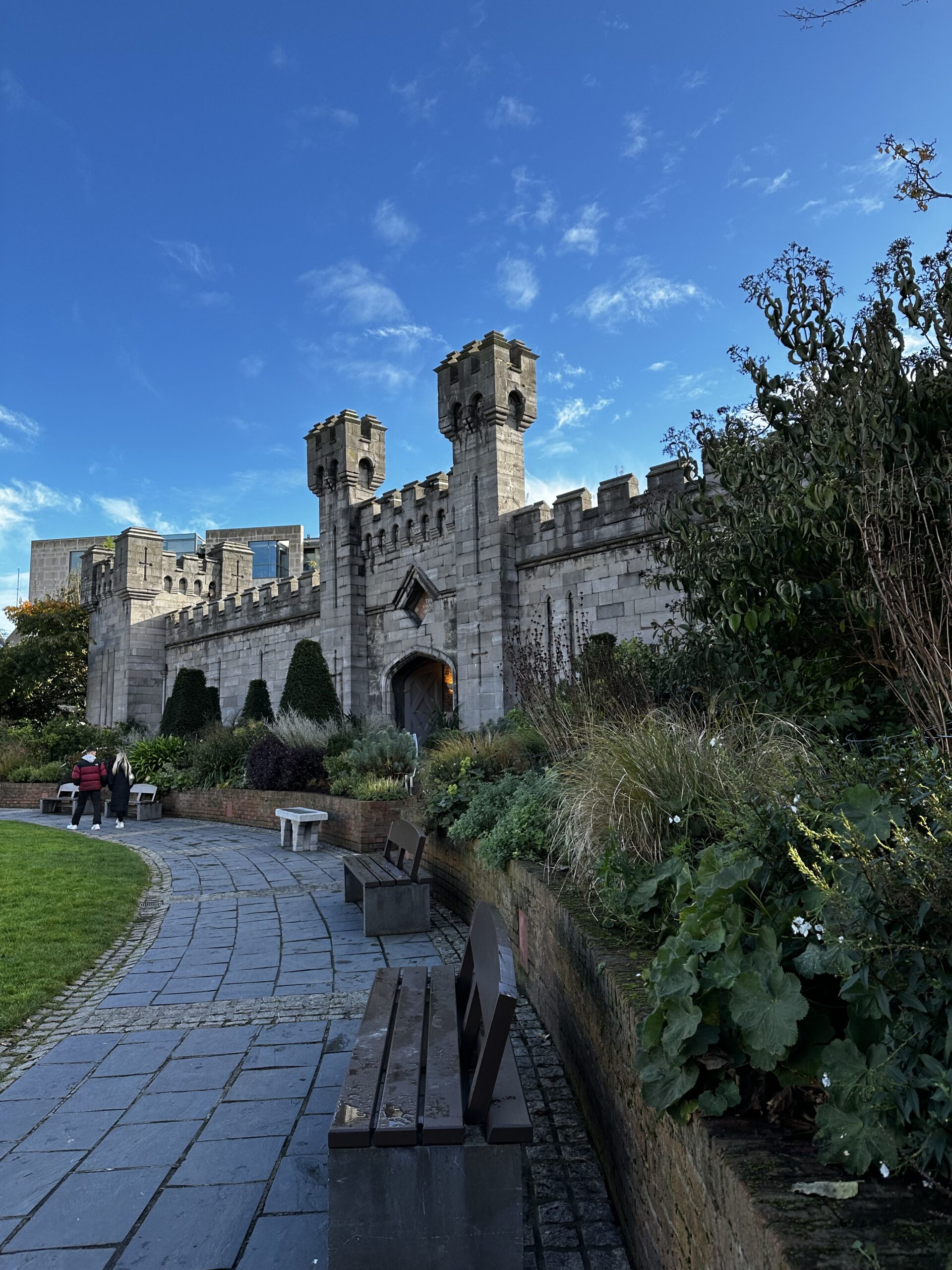
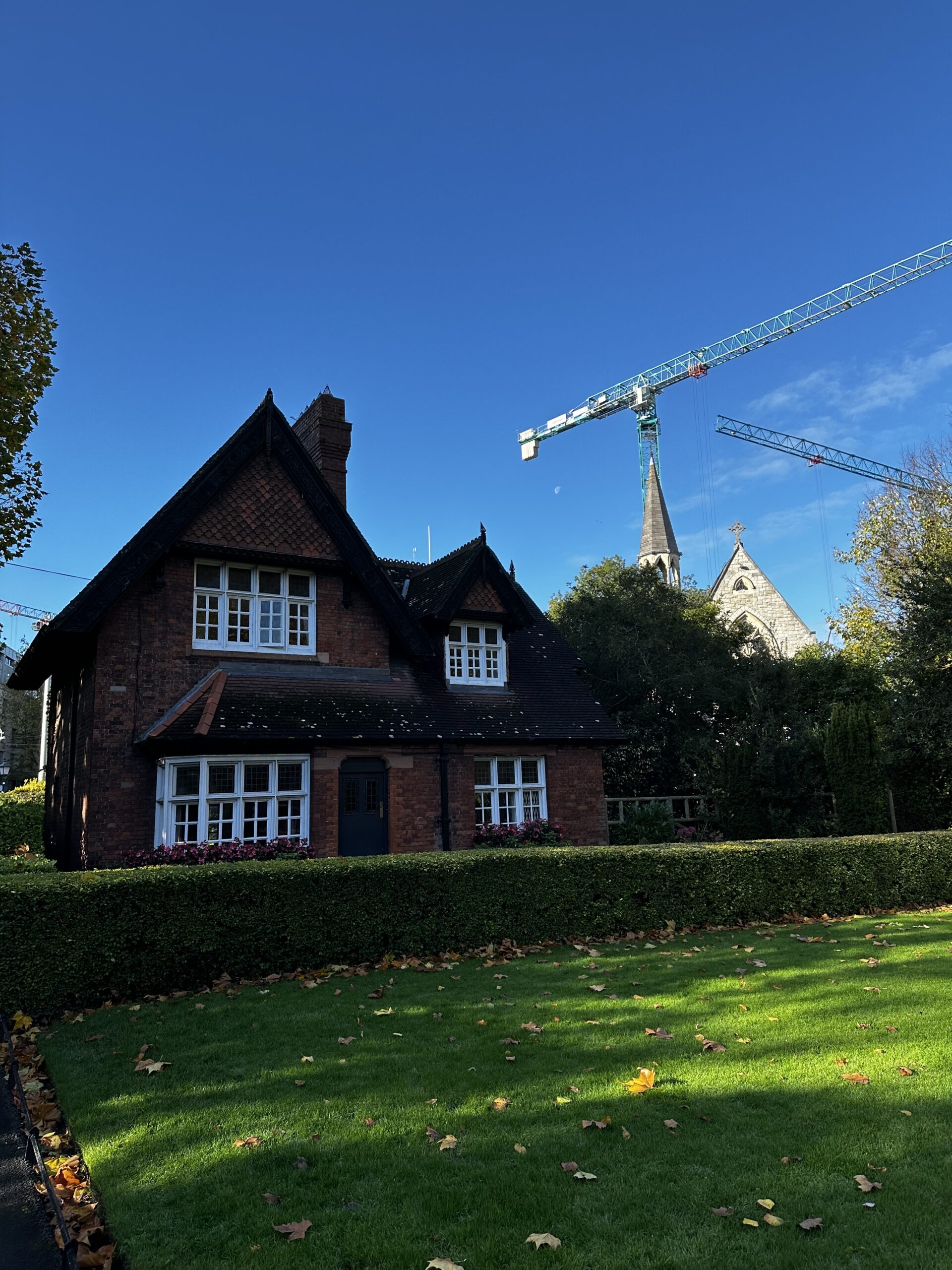
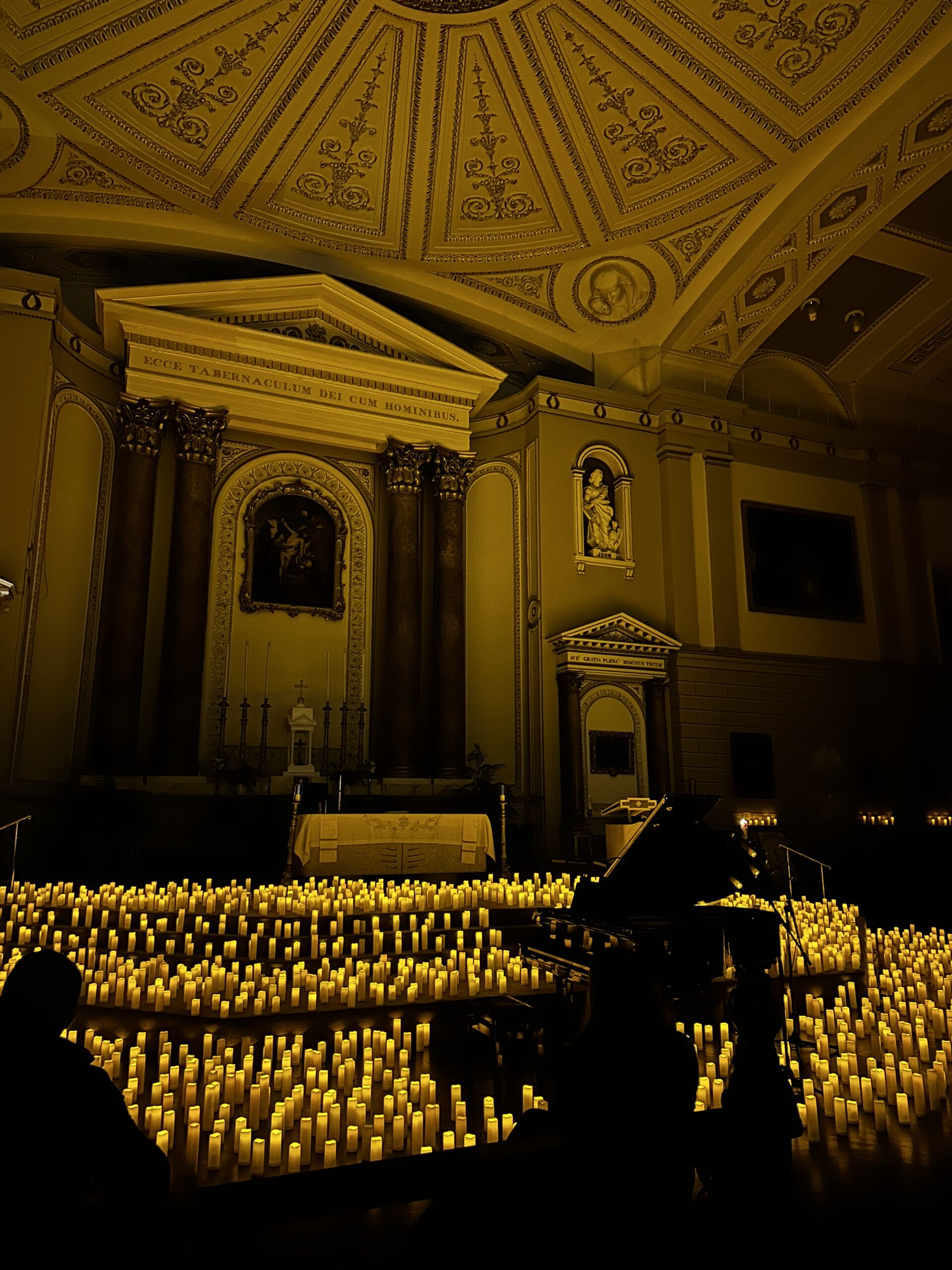
IRELAND IN PHOTOS
Our trip, one frame at a time



Both, honestly, but if pushed: Dublin for literature, pubs, and an easy walkable centre; Belfast for history, murals, and the cleaner grit of a post-shipyard city. Belfast is less touristed — and that still feels like a quiet secret.
Usually no. The road is well-signposted and the driving itself is part of the joy. If you don’t want to drive, hop on a few local day tours from Galway or Killarney and base yourself there instead.
KEEP EXPLORING
Swipe sideways — these are destinations we've been to and written about.
Monthly stories from Rovaniemi — Arctic tips, packing lists, and the places we keep coming back to.