NORDIC COUNTRIES · FAROE ISLANDS
Faroe Islands,
from its quieter neighbour
Honest notes on Tórshavn, the islands, and the wild North Atlantic — from a family living one sea crossing away.
SCROLL
NORDIC COUNTRIES · FAROE ISLANDS
from its quieter neighbour
Honest notes on Tórshavn, the islands, and the wild North Atlantic — from a family living one sea crossing away.
SCROLL
BEST TIME
Jun — Aug
LANGUAGE
Faroese
CURRENCY
DKK
OUR VISITS
5+ visits
Finns and Swedes tease each other like siblings; the border is a bridge and the language on our cereal boxes. That gives us a particular angle on Faroe Islands — close enough to know the quirks, far enough to still be charmed by them.


Summer (June–August) is the easy answer: long daylight, puffins on the cliffs, and the archipelago at its softest. Ólavsøka (late July) is magical but plan transport and lodging far ahead — the whole country converges on Tórshavn.
Winter has its own case. October–March means storms, moody light and empty roads — dramatic, but plan for cancelled ferries and helicopter flights. Shoulder months (May, September) are our favourite: fewer visitors, softer light, prices drop.

Tórshavn. The turf-roofed old town on Tinganes is the postcard, but the city reveals itself on the harbour: coffee by the boats, a walk up to the fortress at Skansin, then dinner in one of the small restaurants around Vágsbotnur where the whole capital fits in a glance.
The islands. Eighteen islands stitched together by sub-sea tunnels, bridges and ferries. Even a day trip to Vágar for Múlafossur and Sørvágsvatn, the lake that hangs above the ocean, changes your definition of “day trip.”
Saksun and Gjógv. We drive there. Saksun is a tidal lagoon ringed by mountains with a handful of turf houses; Gjógv is a village built around a sea-filled gorge. Both are the Faroes at their most cinematic, and both are quiet if you arrive early.
Klaksvík & the northern islands. Seafood, a quieter pace, and the sea-cliff drives of Viðoy and Kunoy. If Tórshavn feels too polished, Klaksvík is where the Faroes breathe.
For a first trip: five nights split between Tórshavn (3) and a village base on Vágar or Eysturoy (2). For a winter trip: stay in Tórshavn and drive out on the good-weather days.
Tórshavn neighbourhoods: the old town for character, the harbour for convenience, a guesthouse in Hoyvík if you want quiet. Skip hotels out by the airport — you want to be able to walk home from dinner.
A rental car is the easy answer. The islands are linked by sub-sea tunnels (tolls charged automatically to the car) and short ferries; Tórshavn to Klaksvík is under an hour, and the airport on Vágar is 45 minutes from the capital.
Inside Tórshavn the red city buses are free. Between islands, the Strandfaraskip ferries and the subsidised helicopter routes are a proper experience — book the helicopter early. Don’t skip the car unless you are staying in the capital only.
Skip the stereotype about Faroese food being bland — the new Nordic wave reached here too. Tórshavn has had Michelin-level cooking for years and a surprising number of good small kitchens.
What we always eat: fresh fish and langoustine, lamb in every form, ræst (fermented) meat if you dare, rhubarb desserts, and the cinnamon buns at the harbour bakeries. Alcohol is sold only in Rúsdrekkasøla shops with short hours — stock up on weekdays.

Faroe Islands has a reputation for being pricey — and it is, but not wildly so if you plan it right. These are real numbers we’ve seen for two adults travelling mid-range in 2025: comfortable but not fancy, one nice meal a day, public transit, one paid activity.
Expect ~1,900 – 2,900 DKK per day for two (roughly €165 – 260). Tórshavn and Klaksvík are the most expensive; smaller towns cut this by 20–30%.
Pack light, layer smart. Faroese weather shifts from sun to drizzle in an hour. Two thin layers beat one thick one every time.
Leave the cash at home. We travel with one backup bill and never use it. Many buses and small cafés don’t take cash at all.
Check the weather twice a day. Fog closes roads, ferries and helicopter routes — keep one flexible day in the plan and drive to wherever the sky is open.
Winter? Double up. Boots one size up with thick wool socks, hand warmers, and a windproof shell — even locals layer aggressively in January.
Faroe Islands rewards slow travel. Unlike Finland, where you earn the wild by driving north, Faroe Islands hands you beauty around every bend in the road. It's the country we send friends to when they want Nordic without the steep learning curve. Start with Tórshavn, add an island, come back for the North Atlantic when winter calls.
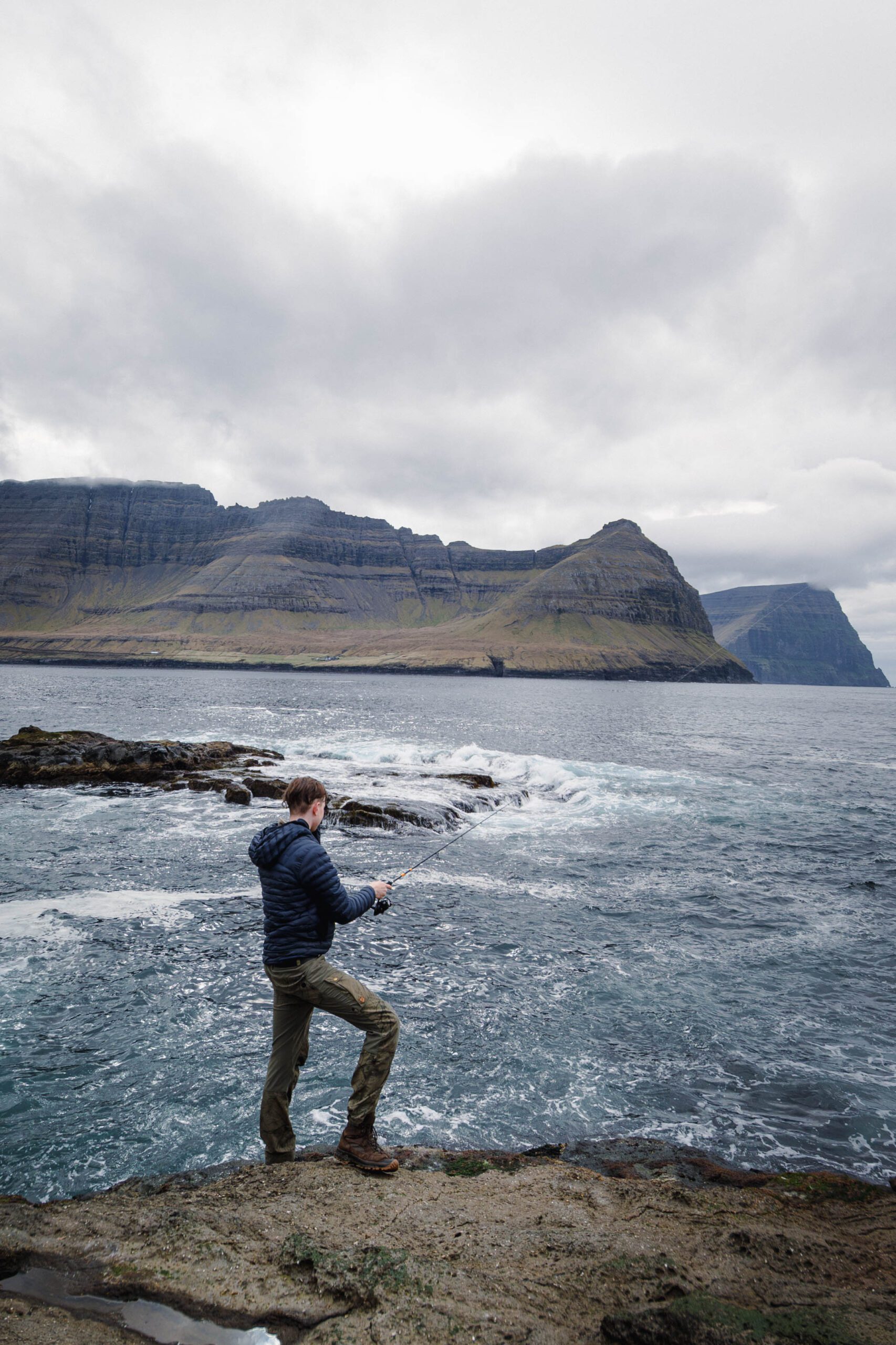
FAROE ISLANDS IN PHOTOS
Our trip, one frame at a time
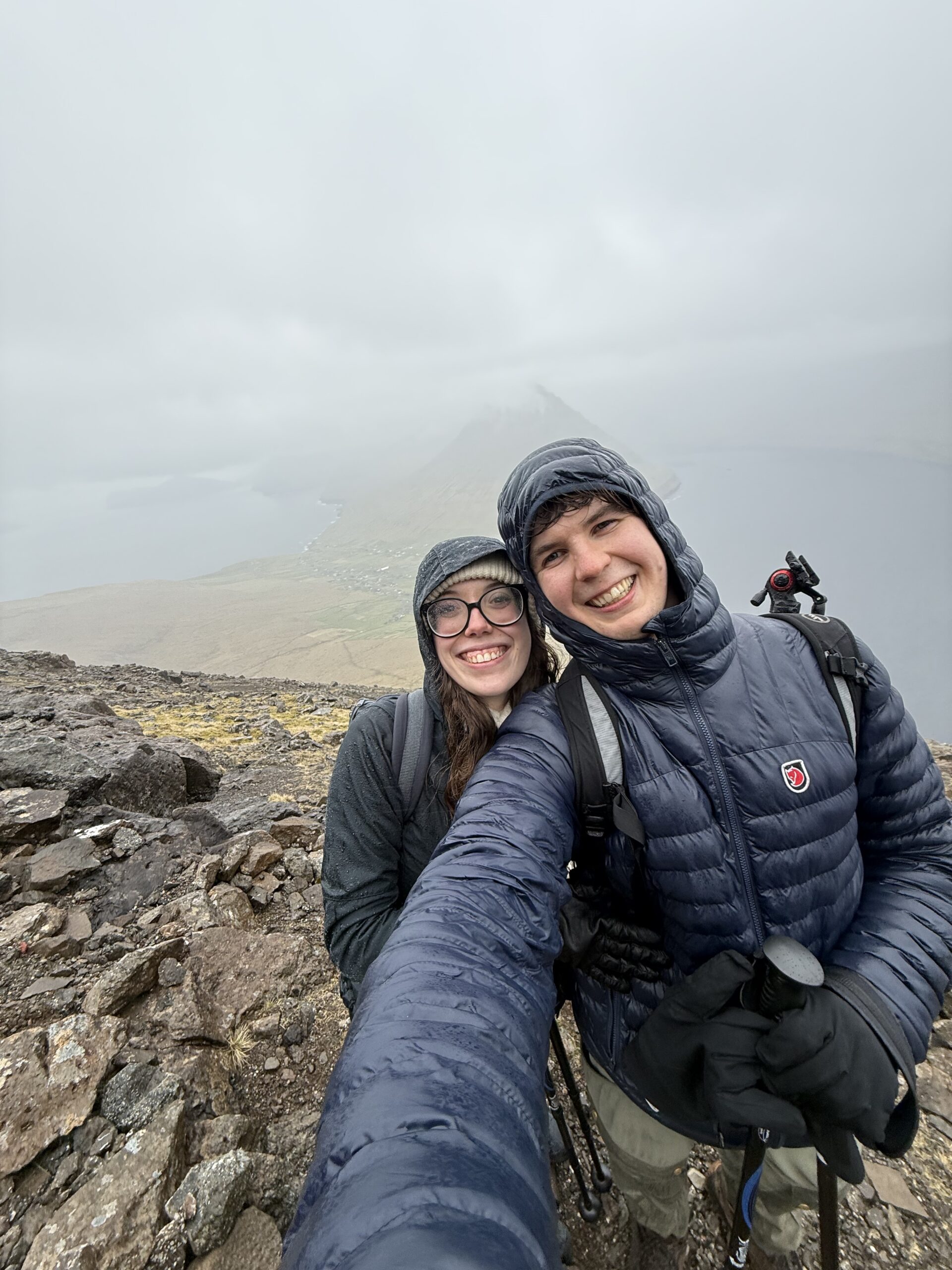
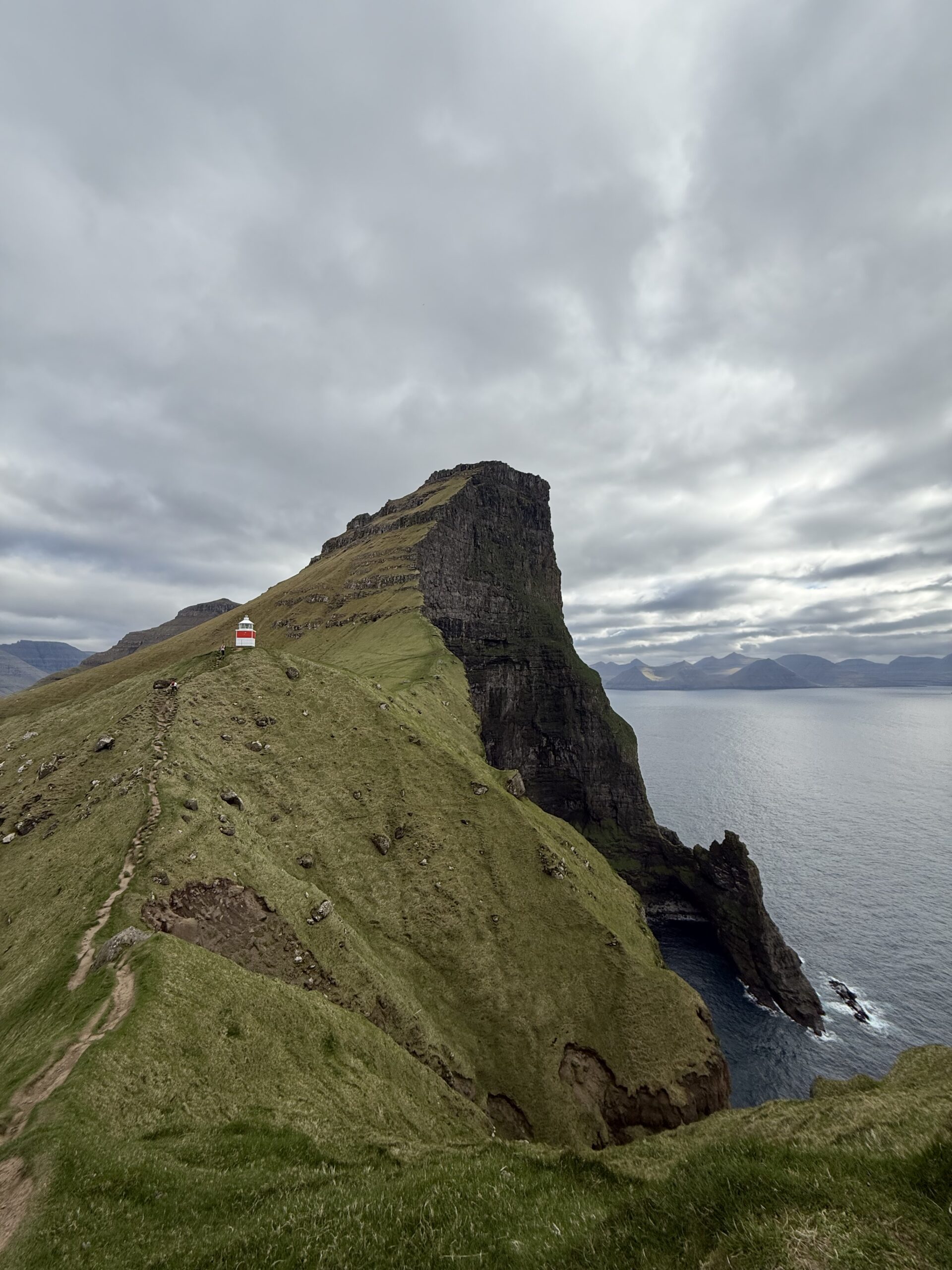
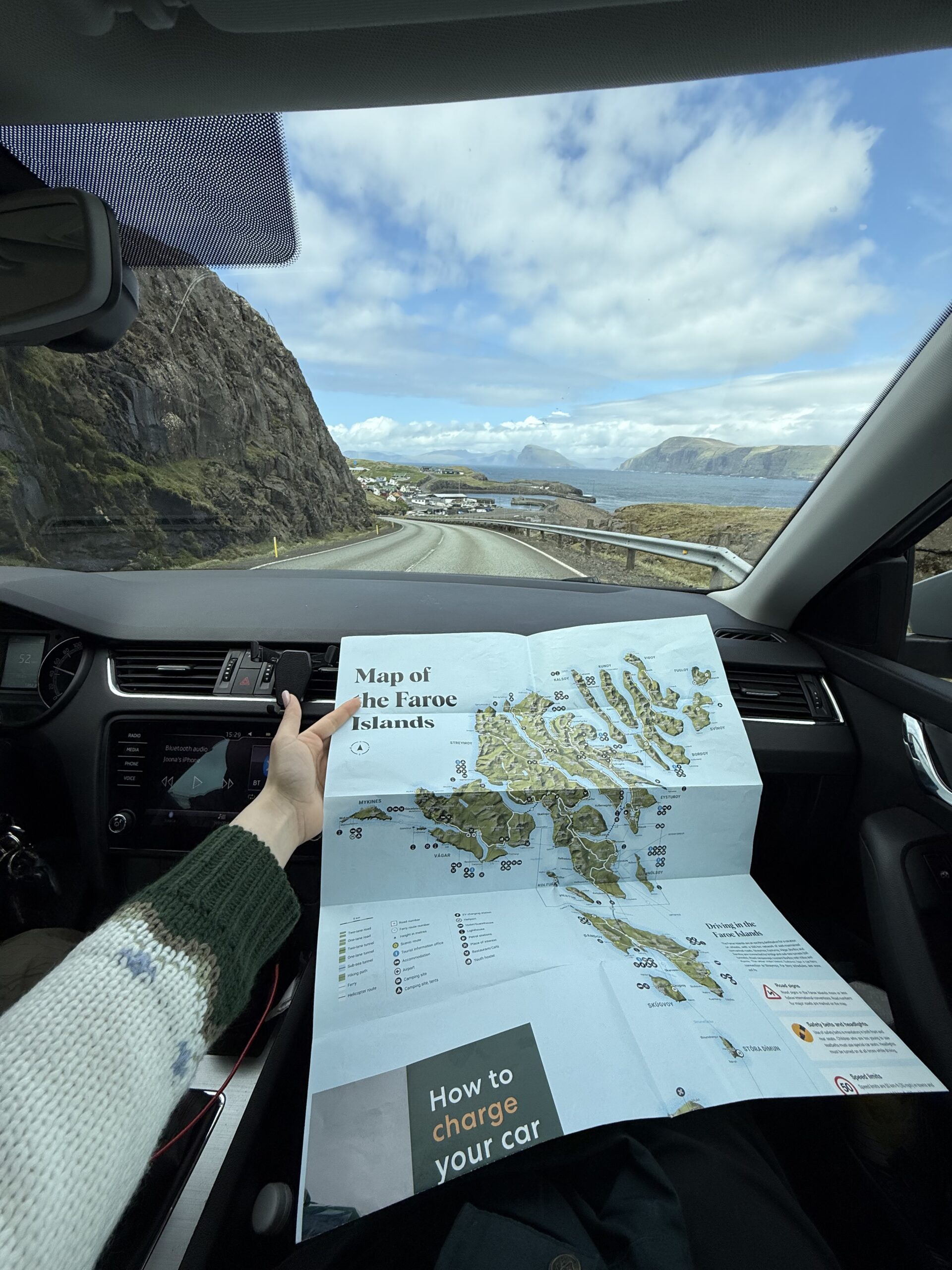
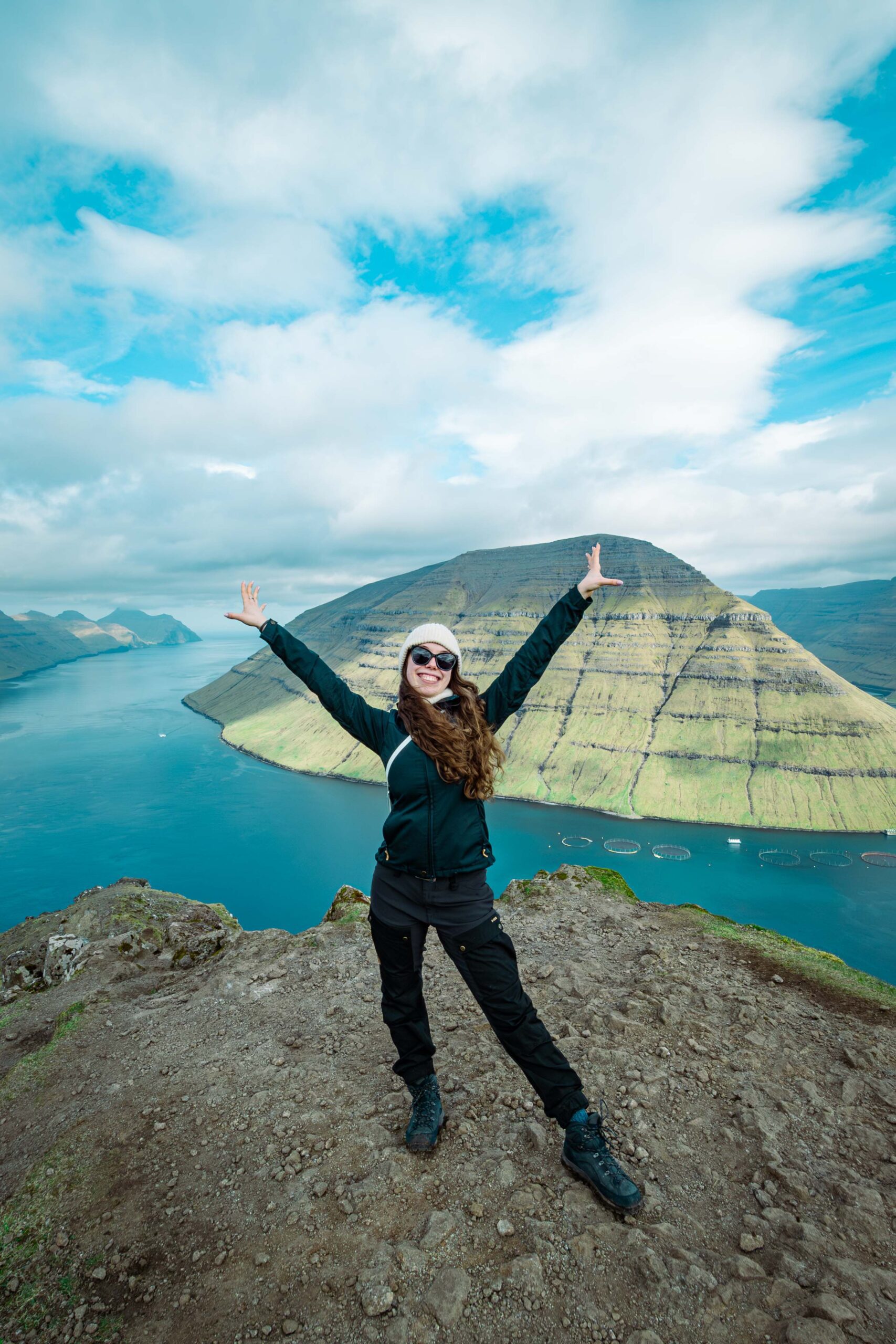

Both, honestly, but if pushed: Tórshavn if you want water, forests, and a slower rhythm; Copenhagen if you want design, cycling, and restaurants. Tórshavn is less touristed, which we like.
Yes, unless you only stay in Tórshavn. Distances are short but the best places — Saksun, Gjógv, Múlafossur, the Viðoy cliffs — are spread across islands with limited buses. Book the car with the flight; the small rental fleet sells out in summer.
KEEP EXPLORING
Swipe sideways — these are destinations we've been to and written about.
Monthly stories from Rovaniemi — Arctic tips, packing lists, and the places we keep coming back to.