ASIA · SINGAPORE
Singapore,
a small island, a big appetite
Honest notes on hawker centres, the skyline, and the green lungs of Southeast Asia’s most efficient city-state.
SCROLL
ASIA · SINGAPORE
a small island, a big appetite
Honest notes on hawker centres, the skyline, and the green lungs of Southeast Asia’s most efficient city-state.
SCROLL
BEST TIME
Feb — Apr
LANGUAGE
English
CURRENCY
SGD
OUR VISITS
2 visits
Singapore surprises almost everyone. The skyline sells itself, but the city-state is more layered than the glossy pictures suggest — hawker centres that feel like home, districts that still hold their own stories, and green spaces stitched through the towers.
We’ve been through on long layovers and proper stays, with family and without. It’s the easiest Asian city to land in cold — and one of the few where our kids can wander a night market without us losing sleep.

February to April is the sweet spot: less humid, lower rainfall between the monsoons, and the clearest skies you’ll get in the tropics. May and June bring heat, and haze season is a real thing — check the PSI before you come.
The shoulder months are fine too. November to January is the wet monsoon, but downpours are short and cool everything down. Chinese New Year (late Jan or Feb) is magical in Chinatown but crowded — book restaurants weeks ahead.

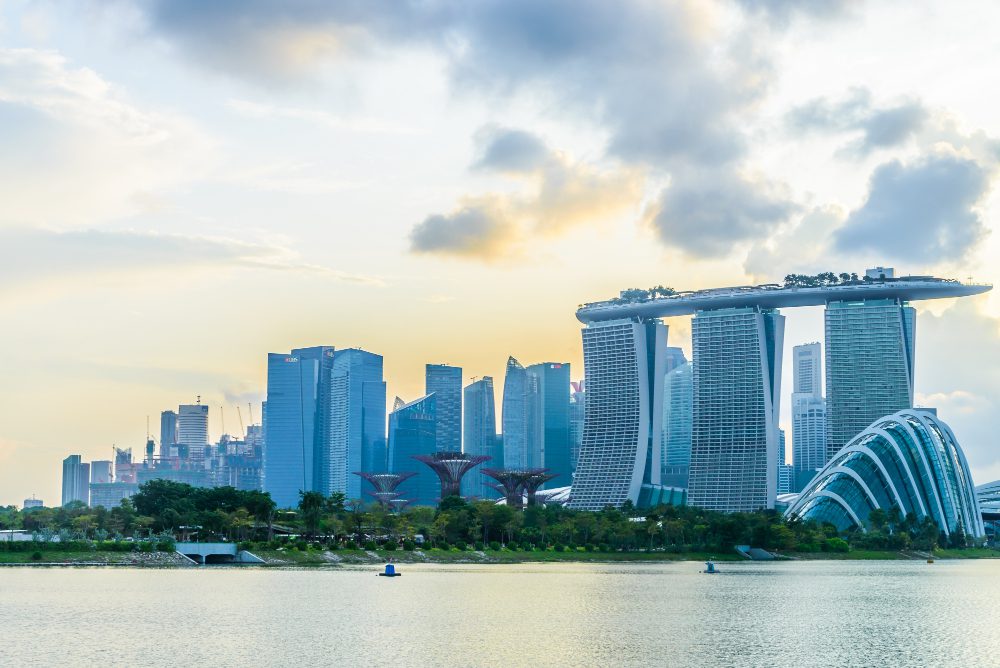
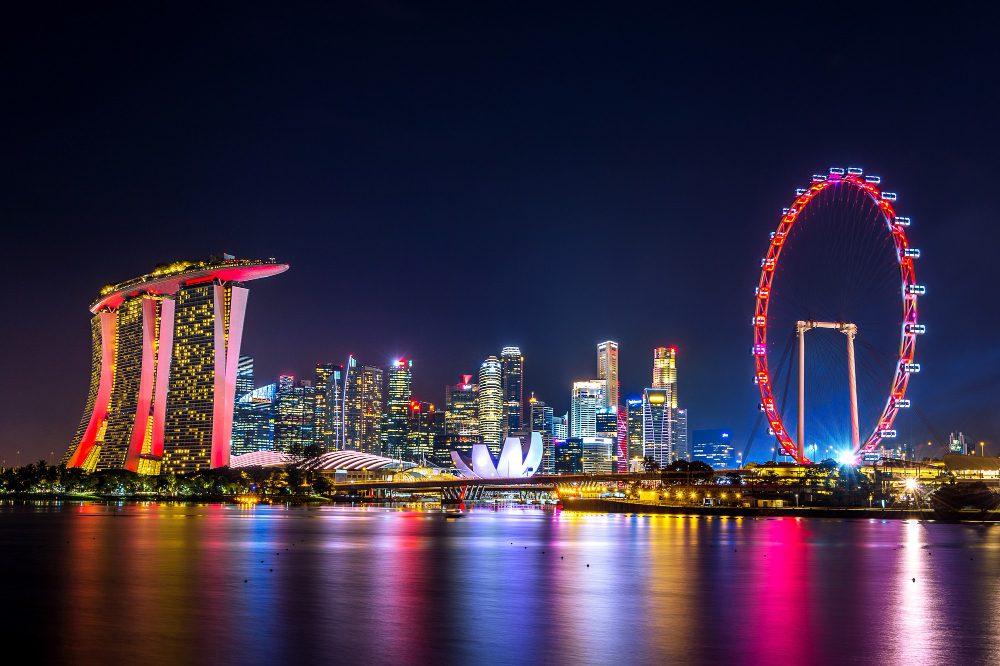
Marina Bay & the skyline. The view from Marina Bay Sands SkyPark is the postcard, but the waterfront walk from Esplanade to Gardens by the Bay at dusk is the better memory — free, uncrowded after 9 pm, and the Supertree light show runs twice a night.
Hawker centres. This is where Singapore actually lives. Maxwell Food Centre for Tian Tian chicken rice, Lau Pa Sat for satay street at night, Old Airport Road for everything else. Two people eat well for under S$20.
Gardens & green lungs. Gardens by the Bay is obvious but earned. The Southern Ridges trail (Mount Faber to Kent Ridge) is where you forget you’re in a city of six million. Bukit Timah Nature Reserve if you want jungle.
The four quarters. Chinatown, Little India, Kampong Glam, and Tiong Bahru each tell a different version of Singapore. Half a day in each and the city-state stops feeling sterile — it gets complicated, in the best way.
For a first trip: three to four nights is plenty. Stay central so you can walk out at night — that’s when the city is at its best, and Singapore is genuinely safe after dark.
Neighbourhoods: Chinatown for character and hawker food steps from your door; Tiong Bahru for the quiet, design-minded version of the city; Marina Bay if you want the big skyline view and don’t mind paying for it; Orchard if you’re here to shop. Skip anywhere outside the MRT’s central zones — transport is cheap, but time isn’t.
The MRT is the easy answer. Six lines, clean, air-conditioned, and cheap — a day pass is S$10 and gets you everywhere you’d want to go. Tap in with a contactless card; skip the tourist pass.
Taxis and Grab fill the gaps, especially late at night. Don’t rent a car — parking is expensive, traffic is fine but the city is built for public transport. Walking between MRT stops in the central districts is often the fastest option.
Singapore might be the easiest country in the world to eat well. Hawker centres are government-certified institutions — several have Michelin stars and still charge under S$10 a plate. That’s the whole food culture, not a gimmick.
What we always eat: Hainanese chicken rice (Tian Tian or Maxwell’s); laksa at Katong 328; chilli crab at Jumbo Seafood; roti prata for breakfast; kaya toast and kopi at Ya Kun; and a late-night satay run at Lau Pa Sat. Skip fancy hotel brunches — the street is where the food lives.

Singapore has a reputation for being expensive — and it can be, but not if you eat where locals eat. Hawker lunches for two cost what a single coffee does back home. Hotels are the real line item; everything else is surprisingly affordable.
A realistic day for two: S$180 – 300 (€125 – 205). Marina Bay hotels and sit-down restaurants push the upper end; hawker centres and MRT travel keep things near the bottom.
Pack light. Singapore is hot and humid year-round — you’ll sweat through whatever you wear, and laundry is cheap. A single warm layer for aggressive indoor air-con is more useful than a jacket.
Essentials: Light cotton/linen clothing; a small umbrella (the rain is sudden and heavy); walking sandals for the city, closed shoes for trail days; reef-safe sunscreen; insect repellent; a refillable bottle (tap water is safe); contactless card for MRT; mosquito patches if you’re sensitive.
Singapore is nearly cashless — Apple/Google Pay work everywhere. Bring S$50 for hawker stalls that still prefer cash and you’re set.
Singapore rewards the practical traveller. Unlike places where you fight for the good view, Singapore hands it to you — cheap, clean, multilingual, and genuinely safe at any hour. It’s where we send friends who want Asia on their first trip, or anyone who wants a long layover that feels like a real holiday. Three nights is enough to fall for it.
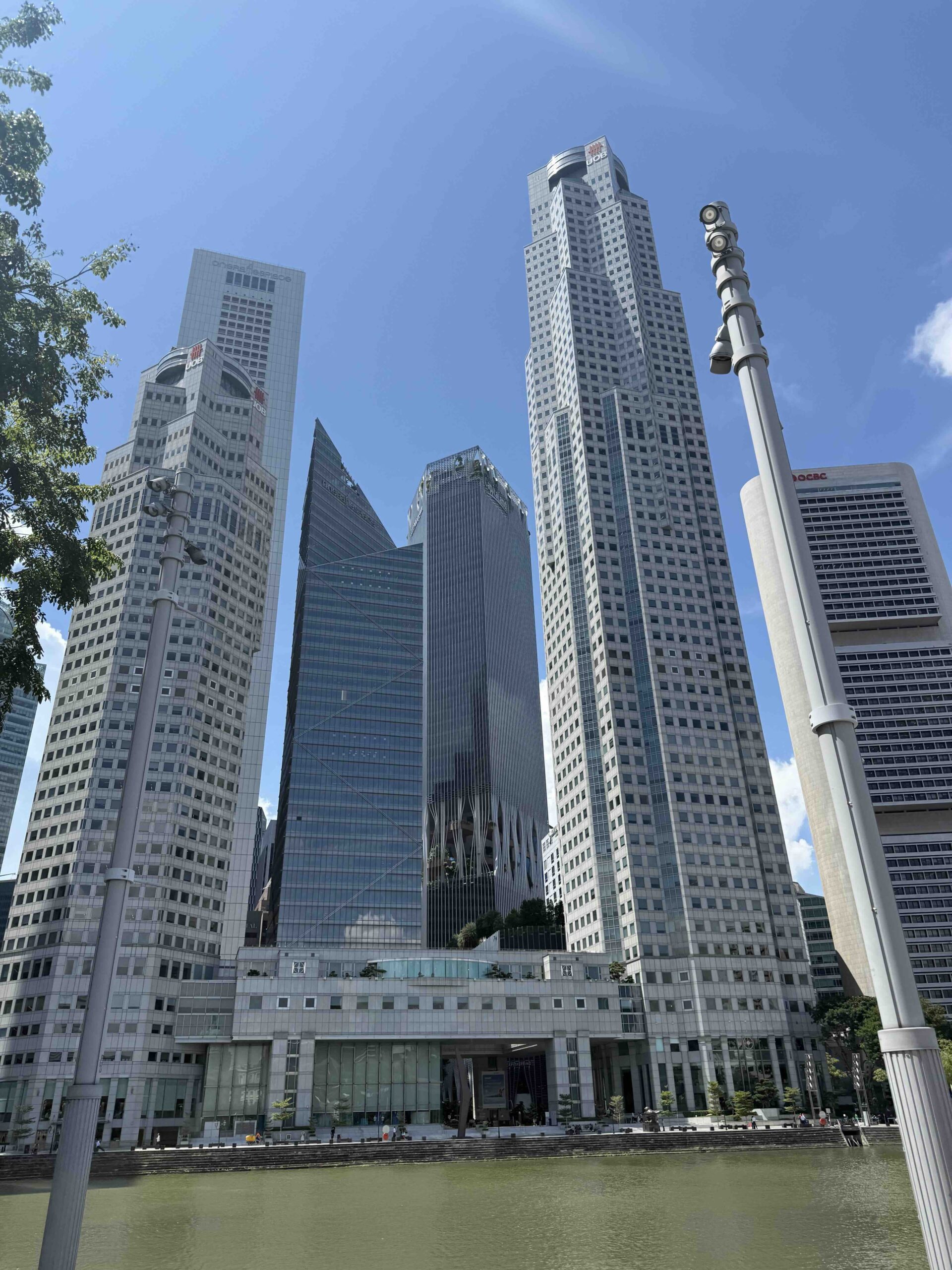
SINGAPORE IN PHOTOS
Our trip, one frame at a time



Both, but they’re different trips. Singapore is the easier first visit — cleaner, more walkable, food is extraordinary, English is everywhere. Bangkok is messier, cheaper, and more alive. If it’s your first time in Southeast Asia, start with Singapore.
Two nights is enough to eat well, walk the skyline, and see one neighbourhood properly. Longer than three or four nights and you’ll feel the lack of variety — Singapore is a world-class city, but it’s still one city.
KEEP EXPLORING
Swipe sideways — these are destinations we've been to and written about.
Monthly stories from Rovaniemi — Arctic tips, packing lists, and the places we keep coming back to.