SOUTHERN EUROPE · GREECE
Greece,
slow islands and ancient stones
Honest notes on Corfu, Crete, and the Aegean — from a family that came for ruins and stayed for the sea.
SCROLL
SOUTHERN EUROPE · GREECE
slow islands and ancient stones
Honest notes on Corfu, Crete, and the Aegean — from a family that came for ruins and stayed for the sea.
SCROLL
BEST TIME
May — Jun
LANGUAGE
Greek
CURRENCY
EUR
OUR VISITS
2 visits
Greece is a country you think you know before you arrive — the columns, the blue domes, the postcards. The real thing is slower and more layered: a mainland of mountain roads and small tavernas, Athens layered on itself three thousand years deep, and more than a hundred inhabited islands, each with its own weather and its own personality.
We came with Finnish expectations and learned to shift everything — dinner hours, driving pace, how long a ferry actually takes.


May to mid-June and mid-September to October are the sweet spots — warm sea, long days, fewer crowds, and hotel prices half of July.
July and August are spectacular but hot (35–40°C inland) and packed; book ferries and islands months ahead.
Winter (Nov–Mar) is quiet and surprisingly green, mainland museums are empty, and the northern mountains even get snow — but most island tavernas and ferries shut down.

Wander Athens at dawn. The Acropolis opens at 8am and you can be alone with the Parthenon for thirty minutes before the tour buses arrive. Walk down through the Plaka to a café for breakfast — it’s the best planned hour in the city.
Take a slow ferry to Corfu. The overnight from Igoumenitsa puts you into the Old Town at dawn. Venetian forts, narrow lanes, and a pace that tells you you’ve left the mainland for good.
Drive Crete end to end. Five hours across if you rush; a week if you listen. Samaria Gorge in the morning, a coastal taverna for lunch, a Minoan palace in the afternoon. Stay in Chania for the harbour and in Heraklion for the museum.
Sit through a long Greek lunch. Order more than you need, share it all, and don’t rush to leave. The bill will arrive when you ask for it and not a minute before.
Athens for history, food, and a living city — three nights is right. Corfu Town for Venetian character and Ionian ferries onward. Chania (Crete) for harbour life and road trips west. Santorini or Naxos for the classic Cyclades week — we prefer Naxos, which is bigger, cheaper, and has its own life.
Rent a car for mainland Greece and the larger islands — Crete, Corfu, Naxos — distances are short but roads twist. Ferries run between Piraeus (Athens) and every island; book on Ferryhopper. Domestic flights to Crete, Rhodes, and Thessaloniki are cheap and save a full day. In Athens, the metro is fast and reaches the airport.
Greek food is simpler than it pretends to be and better for it: olive oil, lemon, oregano, and whatever came out of the sea that morning. Order small plates — mezedes — and share. Horiatiki (village salad), grilled octopus, saganaki, and a carafe of house white is a full lunch. Every region has its own loukoumades (honey doughnuts) — try them.

Greece is the cheapest country in Western Europe we’ve travelled in — meaningfully cheaper than France, Italy, or Spain, and roughly half what a day in Helsinki costs.
A taverna dinner for two with wine is €35–50. A mid-range hotel in shoulder season runs €70–110. Island ferries are priced by distance — a three-hour hop is about €30 per person. Museum tickets are €10–20; the Acropolis combined ticket (€30) covers six sites and saves hours in queues.
Cash is still useful in small tavernas and on remote islands; bring both.
Eat late. Greeks don’t sit down for dinner before 9pm. If you show up at 7 you’ll be eating alone in an empty room. Have a long afternoon swim and come back hungry.
Don’t plan too many islands. Three in two weeks is ambitious; five is a travel-blog fantasy. Pick fewer, stay longer, and you’ll actually see them.
The ferry schedule is not a suggestion. Arrive at the port 45 minutes early, know your berth, and don’t trust a taxi to ‘know a shortcut’. We’ve watched boats leave on time more than we’ve watched them leave late.
Tip small, tip always. Round up the bill or leave a euro or two per person. Service is included but a small thank-you is still polite.
Learn five Greek words. Yassas (hello), efharisto (thank you), parakalo (please/you’re welcome), ne (yes — confusingly), ochi (no). You’ll get warmer service everywhere.
Greece is the antidote to a Finnish winter. The light is theatrical, the food is uncomplicated, and people sit down at lunch and mean it. We’ve been twice and both times we left planning the next trip before the plane had landed back in Helsinki.
Come in May. Stay longer than you meant to. Eat the tomatoes.
GREECE IN PHOTOS
Our trip, one frame at a time

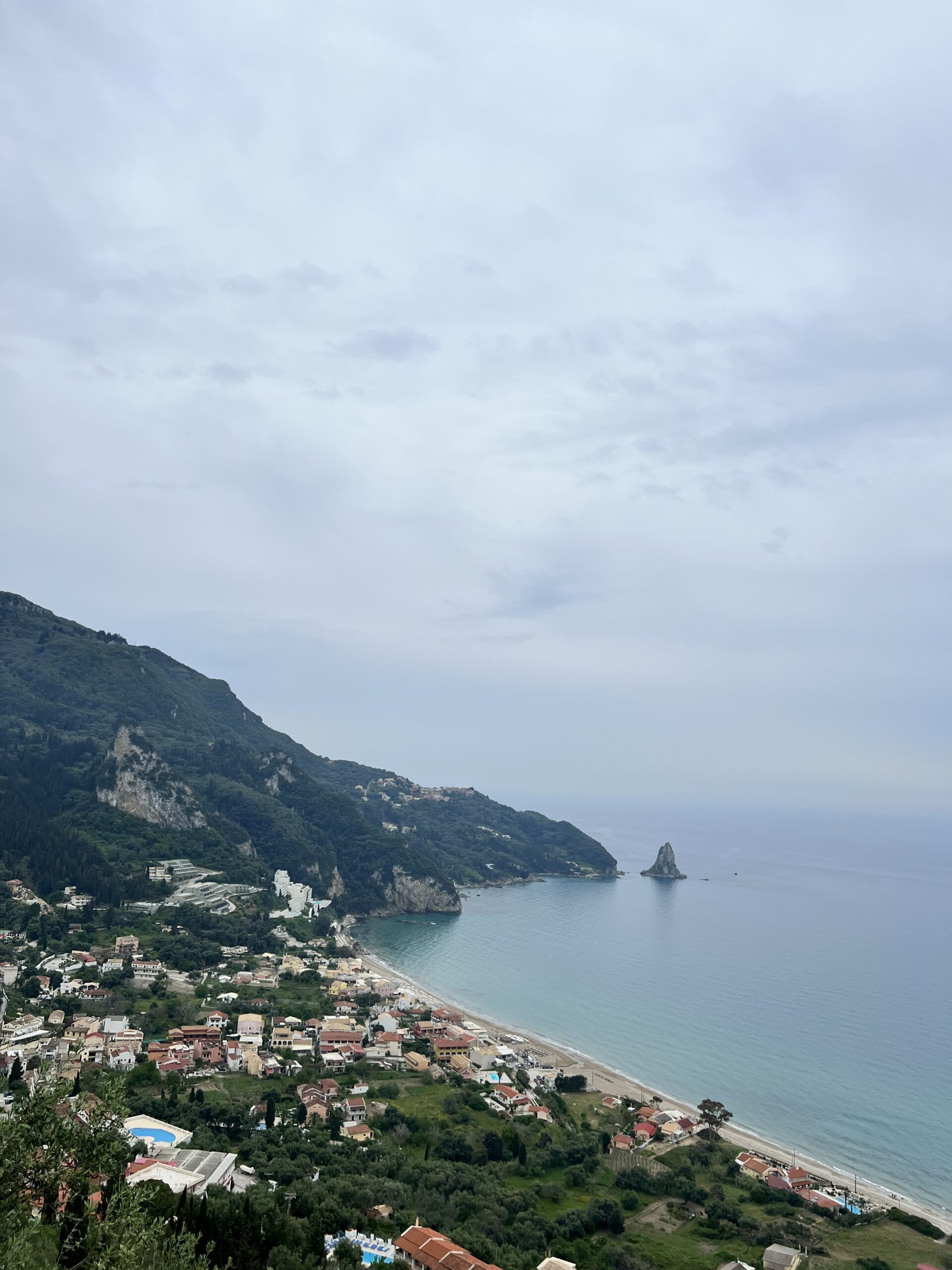
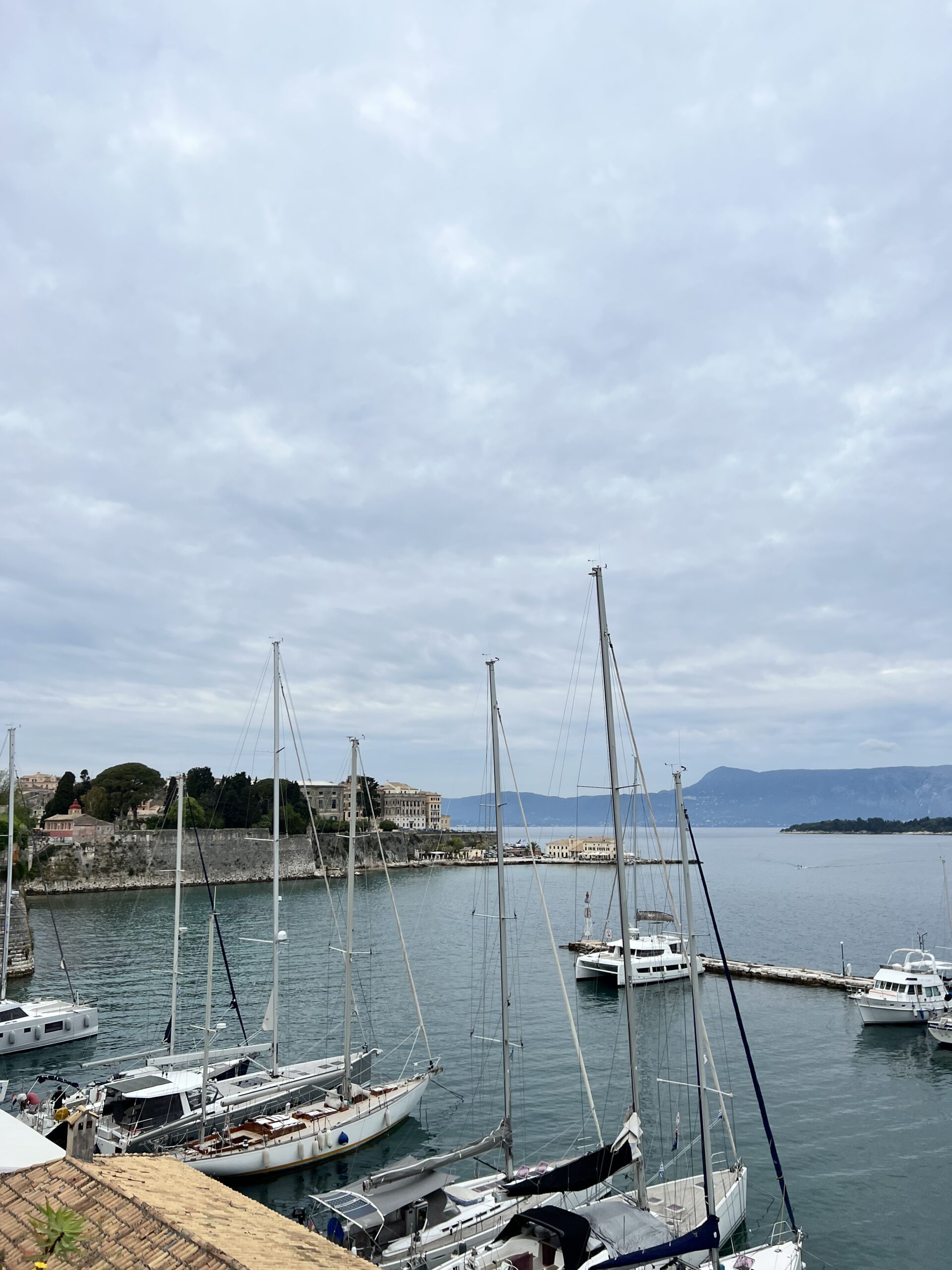


Athens first, always. Two or three nights to see the Acropolis and the National Archaeological Museum will give every island temple and ruin you see afterward real context. The islands then feel like dessert.
Naxos, most of the time. Santorini is extraordinary for one sunset and a day of wandering, but it’s crowded, overpriced, and thin on real local life. Naxos is bigger, cheaper, has better beaches, real villages, and the same ferries run through it.
KEEP EXPLORING
Swipe sideways — these are destinations we've been to and written about.
Monthly stories from Rovaniemi — Arctic tips, packing lists, and the places we keep coming back to.