CENTRAL & EASTERN EUROPE · HUNGARY
Hungary,
where thermal baths feel like tradition
Honest notes on Budapest, the Danube, and Hungarian hospitality — from a family who came for a weekend and stayed a week.
SCROLL
CENTRAL & EASTERN EUROPE · HUNGARY
where thermal baths feel like tradition
Honest notes on Budapest, the Danube, and Hungarian hospitality — from a family who came for a weekend and stayed a week.
SCROLL
BEST TIME
Apr — Oct
LANGUAGE
Hungarian
CURRENCY
HUF
OUR VISITS
2+ visits
Hungary arrived in our travel lives the way the best countries do — a weekend trip that quietly turned into a week. There is a weight to Budapest that rewards slow walking, and a warmth in Hungarian hospitality that catches you off guard.


Spring and early autumn are the sweet spots. April–June gives you thermal baths without the crowds, the Danube at its greenest, and wine-country weather in Eger and Tokaj. September–October is our favourite: golden light on Parliament, warm pools into the evening, and harvest season in the villages. Summer (July–August) is hot and lively — Sziget festival week turns Budapest into one long outdoor party. Winter is quieter but magical if you like ruin bars and steaming baths with snow on the rim. Avoid high August if heat bothers you; Budapest regularly hits 32 °C+.

Budapest’s thermal baths. Széchenyi for the grand Sunday-morning atmosphere, Gellért for art-nouveau beauty, Rudas for a sunset rooftop pool with the Danube laid out beneath you. We always do at least two in a trip.
A ruin-bar night. Szimpla Kert is the classic; the whole Jewish Quarter around Kazinczy utca is alive after 10pm. Go for the atmosphere, not the cocktails.
The Danube bend. Rent a car or catch the train to Szentendre, Visegrád, and Esztergom. River, castles, and a basilica that feels oversized in the best way — a full day trip from Budapest.
Parliament + Chain Bridge at dusk. A basic thing to do, but it really does earn the hype. Walk from Vörösmarty tér across to Buda, up to Fisherman’s Bastion, and back over the Margaret Bridge.
For a first trip: four nights in Budapest is the sweet spot. If you have a week, add two nights in Eger or Tokaj for wine country, or a night on Lake Balaton in summer.
Budapest neighbourhoods: District V (Belváros) for first-timers and Danube walks, District VII (the Jewish Quarter) for ruin bars and cafés, District VI around Andrássy for a calmer base with the metro at your door. We’d skip the further-out districts unless you’re on a long stay — the city is compact, and you want to walk home from dinner.
Inside Budapest: the metro (yellow M1 is the second-oldest in the world), trams, and the 4/6 ring tram run frequently and cost almost nothing. A 72-hour travel card pays for itself in a day.
Between cities: MÁV trains reach most of the country, slowly but reliably. Eger, Pécs, Debrecen, and Lake Balaton are all a direct train from Budapest-Keleti. Rent a car only if you’re doing wine country or the Danube bend — parking in Budapest is a genuine nuisance.
From the airport: the 100E bus runs to Deák Ferenc tér for ~2,200 HUF and is faster than a taxi in traffic.
Hungarian food is still underrated. Goulash is the postcard (and yes, it’s a soup here), but the real range goes wider: pörkölt, paprikás csirke, stuffed cabbage, lángos from a market stall, and kürtőskalács (chimney cake) eaten warm with cinnamon. What we always eat: breakfast at a traditional cukrászda with túrós rétes, a long lunch at a csárda, a goulash evening somewhere with white tablecloths, and at least one late-night lángos. Drink Tokaji with dessert, Bull’s Blood (Egri Bikavér) with dinner, and a pálinka if someone offers.

Hungary is still one of the best value countries in the EU — especially outside Budapest. These are real numbers for two adults travelling mid-range in 2025: comfortable but not fancy, one sit-down meal a day, public transit, one paid activity or bath entry. Expect ~35,000 – 55,000 HUF per day for two (roughly €90 – 140). Budapest is the most expensive city; Eger, Pécs, and Debrecen cut this by 25–35%.
Book bath entry online. Széchenyi and Gellért both offer pre-booked slots that skip long Saturday queues. Go early (before 10am) or late (after 7pm) for the calmest experience.
Carry some forint. Cards work nearly everywhere in Budapest, but market stalls, the 100E airport bus, and small café bakeries still prefer cash. A 10,000 HUF backup note rarely sits in your pocket for long.
Skip the currency exchange at the airport. Rates at Budapest Airport are poor. Use an ATM in town (OTP or K&H are the reliable banks) or pay by card wherever possible.
Learn two words. “Köszönöm” (thank you) and “egészségedre” (cheers) will carry you further than you’d expect — Hungarians love it when visitors try.
Hungary rewards travellers who aren’t in a rush. The big ticket items — thermal baths, Parliament, the Danube at dusk — genuinely earn their reputations, but the best days were quieter: finding our regular coffee place, a long lunch at a csárda in Szentendre, one last soak at Rudas before the night train home. It’s the country we send friends to when they say they’re bored of Paris and Rome and want somewhere with real edges.
HUNGARY IN PHOTOS
Our trip, one frame at a time
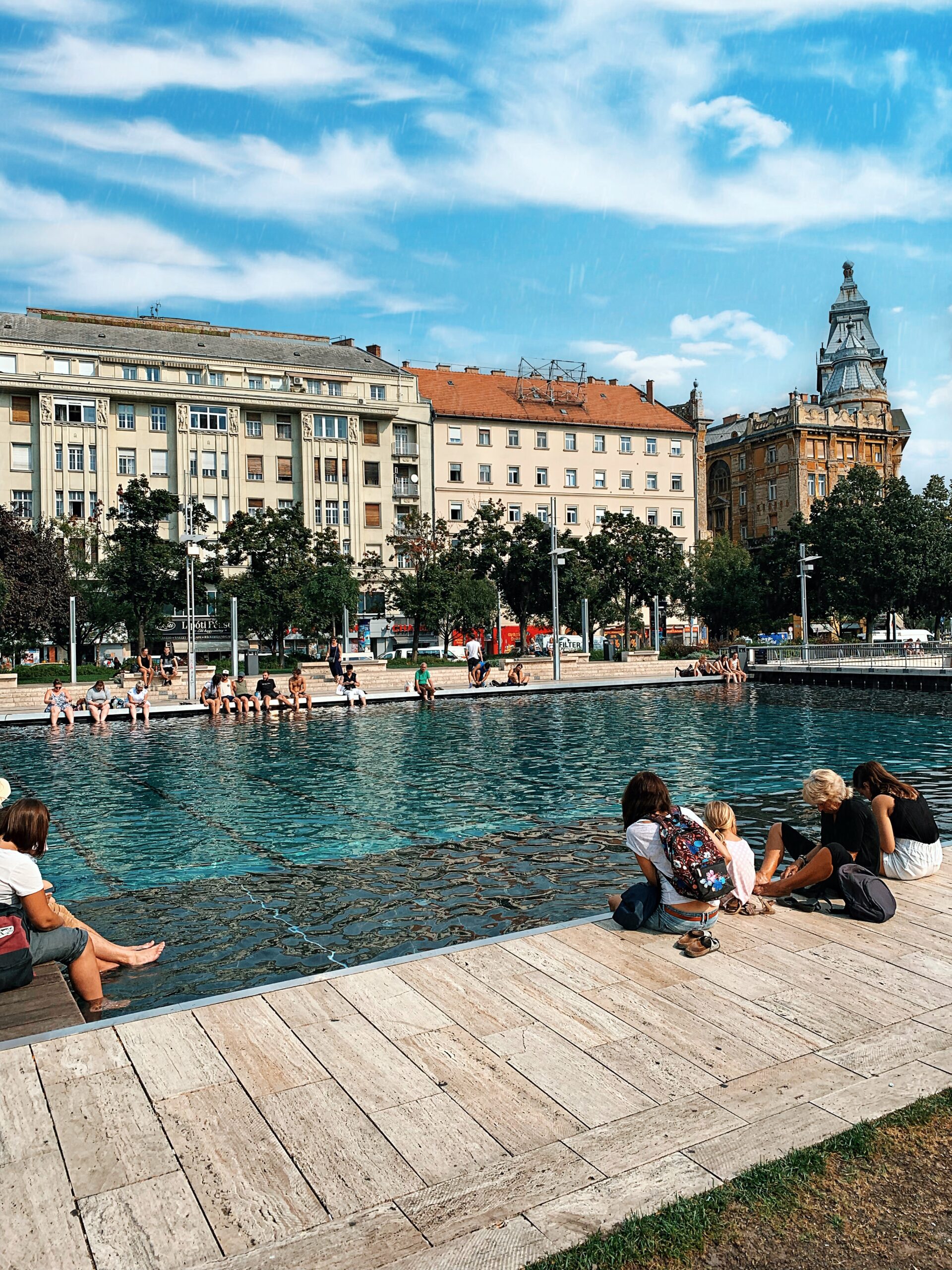
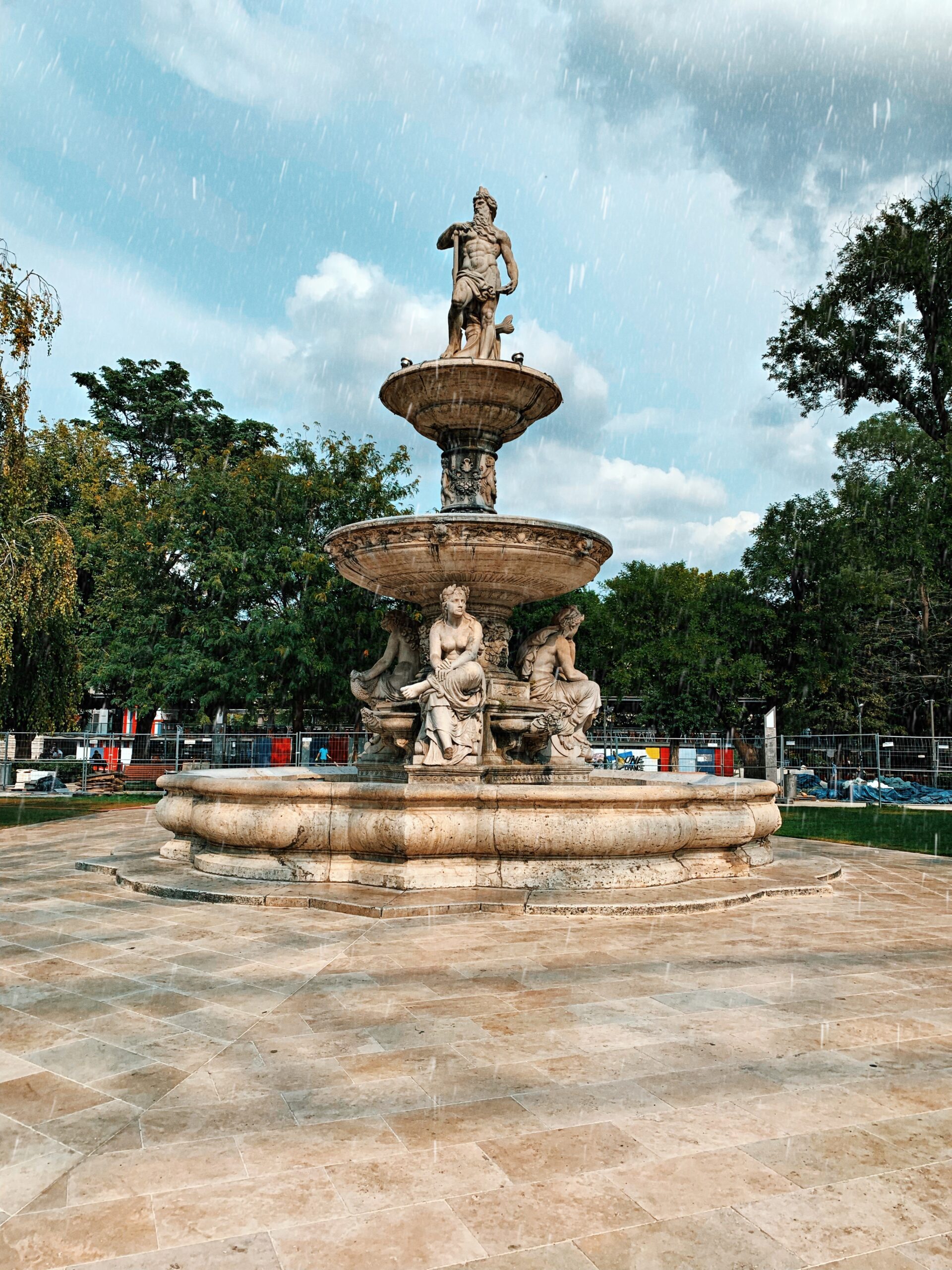
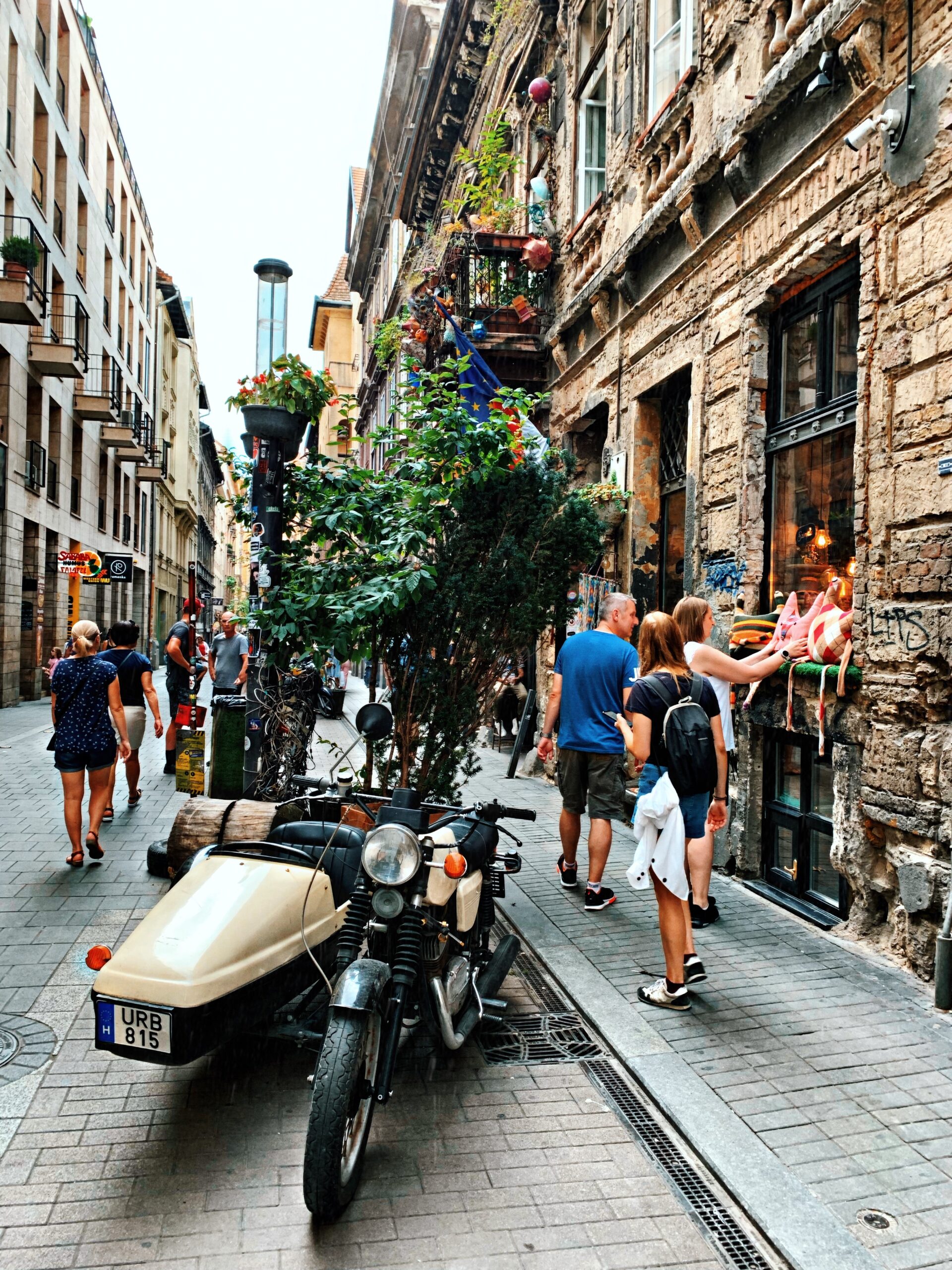
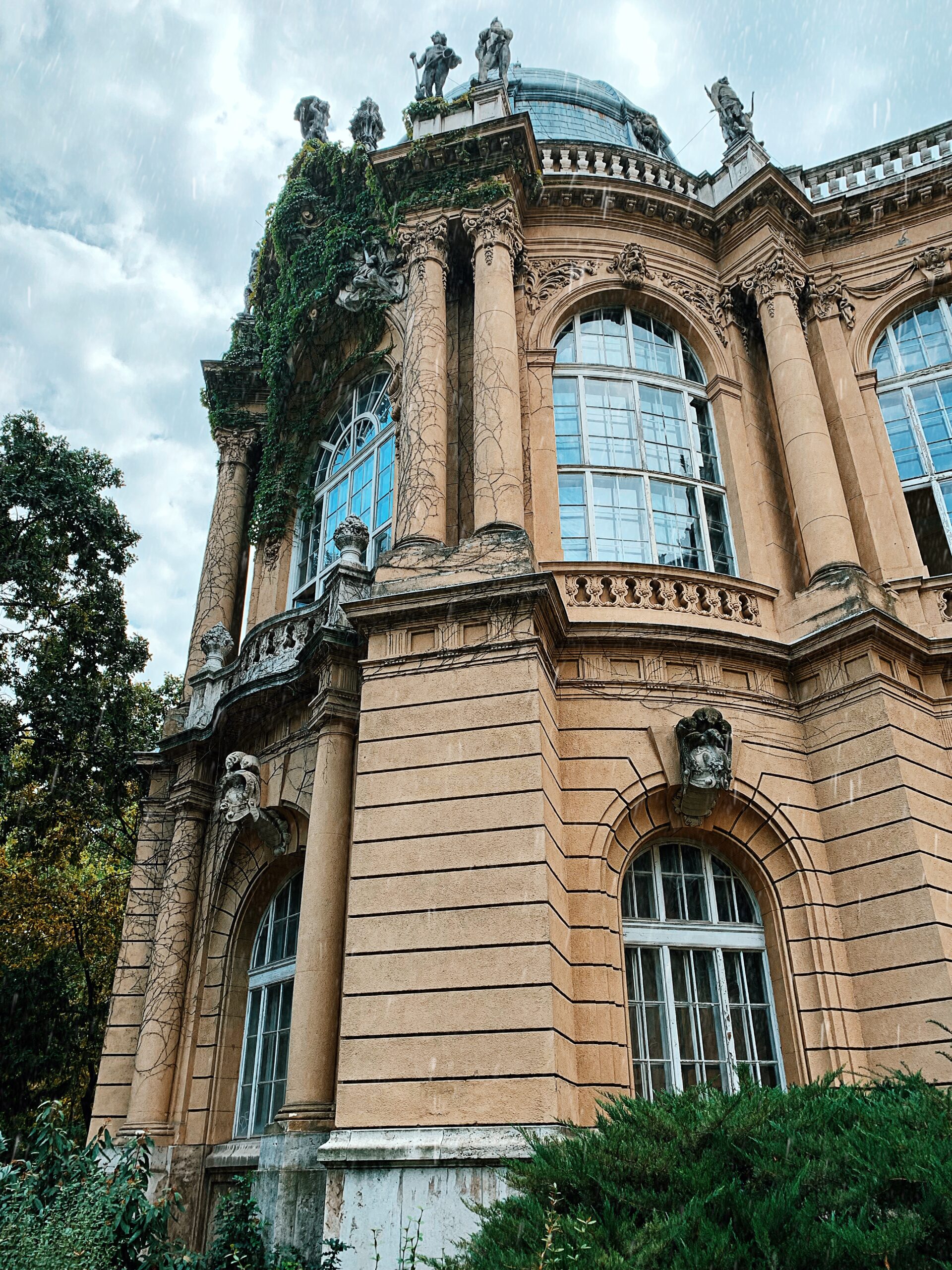


Both if you can — they’re an easy train apart. If pushed: Budapest if you want thermal baths, bigger scale, and a night-life edge; Prague if you want a tighter, more preserved old town and pilsner culture. Budapest feels lived-in and less Disneyfied, which is why we keep going back.
Three full days is the minimum to see both sides of the river and enjoy two baths. Four or five gives you a day trip to the Danube bend or Eger. A weekend-only visit is doable but you’ll wish you had one more morning.
KEEP EXPLORING
Swipe sideways — these are destinations we've been to and written about.
Monthly stories from Rovaniemi — Arctic tips, packing lists, and the places we keep coming back to.