WESTERN EUROPE · FRANCE
France,
where slow travel still works
Honest notes on Paris, Normandy, and the slow rhythms of provincial France — from two travellers who keep coming back.
SCROLL
WESTERN EUROPE · FRANCE
where slow travel still works
Honest notes on Paris, Normandy, and the slow rhythms of provincial France — from two travellers who keep coming back.
SCROLL
BEST TIME
Jun — Aug
LANGUAGE
French
CURRENCY
EUR
OUR VISITS
4+ visits
France is a country we keep returning to — from the long-weekend Paris trips Alla made as a student to the slow Normandy drives we now take together. We write about it less as first-timers and more as quiet regulars, picking out the places we’d want a friend to go first.


Spring (April–June) is our favourite: chestnut trees in bloom in Paris, soft light in Normandy, and the south warming up without summer crowds. Shoulder-season prices, full terraces, long evenings.
Summer (July–August) is busy and hot — Paris empties out, the coasts fill up. September into October is the secret: vineyard harvests, quieter cities, and museums you can actually breathe in.
Winter works too, just differently. December in Paris is lit up and lovely; the Alps are peak season; and the Côte d’Azur stays mild. Avoid the two weeks around the French school holidays if you can.

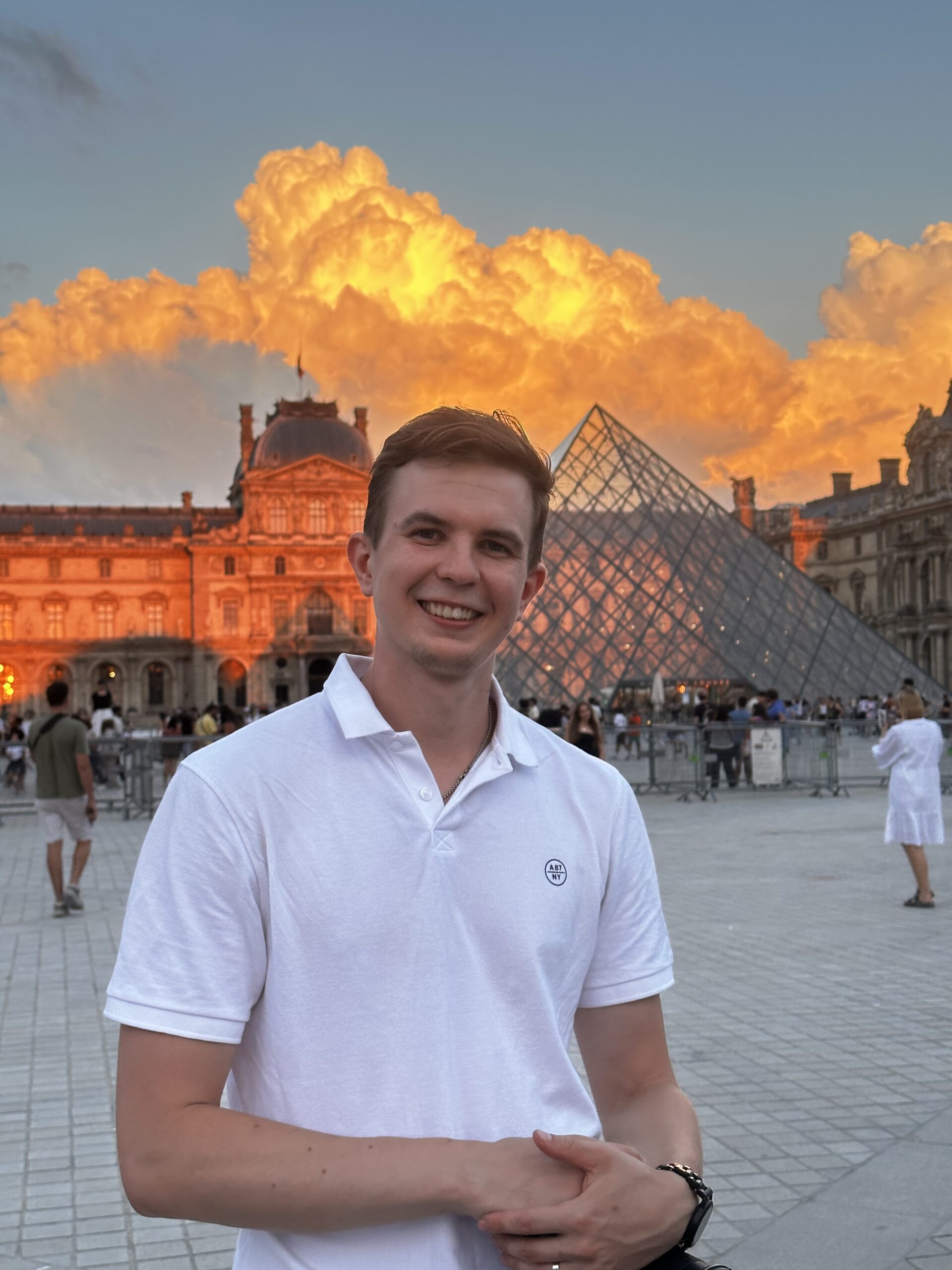
Paris beyond the postcards. Everyone lands on the Eiffel and the Louvre. Do those, then walk. The 11th for dinner, the Marais for a Saturday morning, Belleville for the view. Paris rewards the second and third visit more than the first.
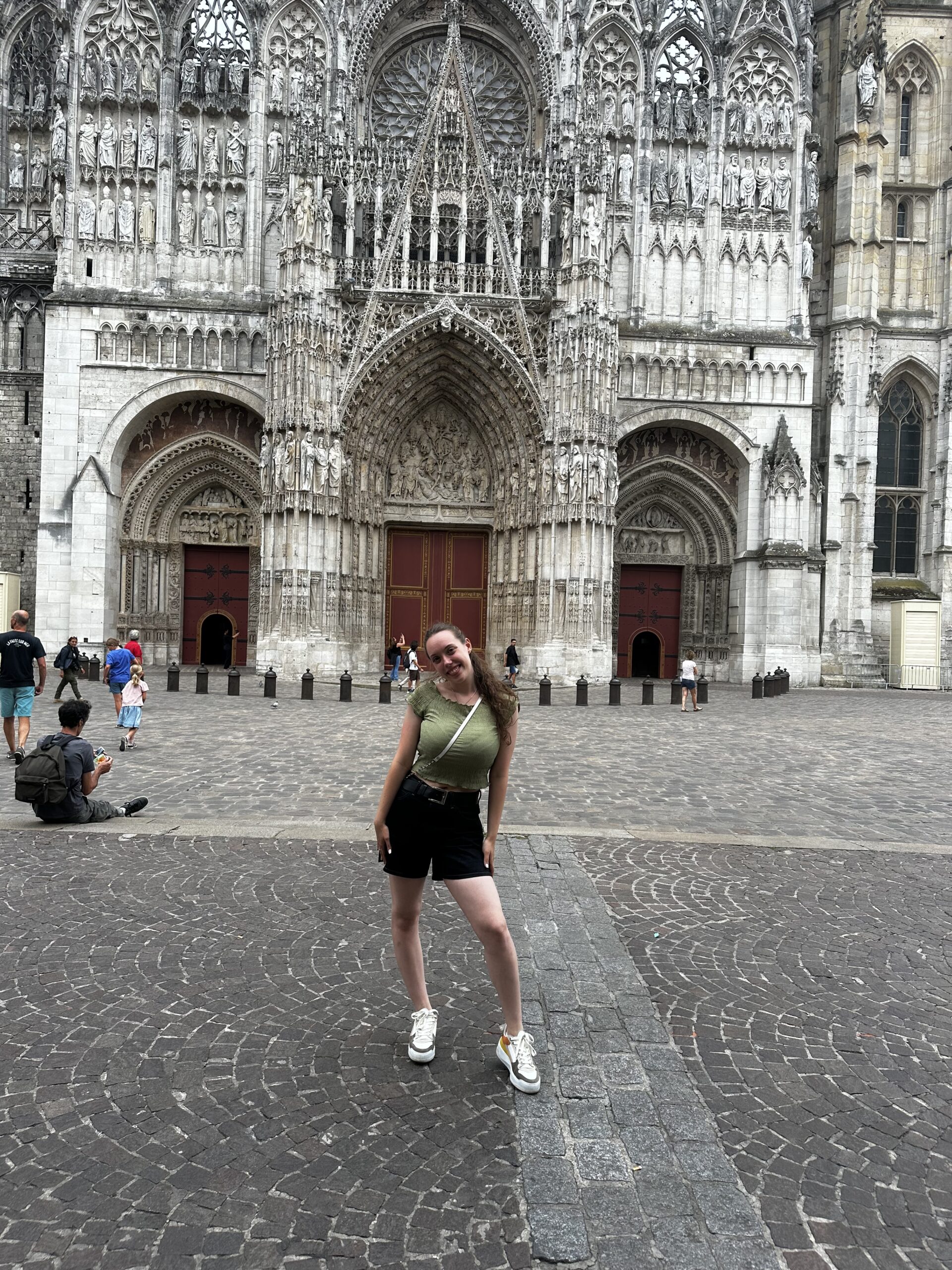
Normandy coast — Le Havre and Rouen. Le Havre’s concrete-and-light modernism surprised us; Rouen’s medieval half-timbered streets anchor the other end. Between them: the cliffs at Étretat, a handful of D-Day beaches, and cream in everything.
Lyon — France’s eating city. Two hours from Paris by TGV, with a food culture that takes itself seriously without the price tag of the capital. Bouchons for lunch, the old town for a slow afternoon, the Rhône at dusk.
Provence in shoulder season. May or September, not July. Aix, the Luberon villages, a morning market, a long lunch, a nap. The fastest way to understand why the French treat holidays as a civil right.
For a first trip: five nights in Paris, two or three out. Use the TGV to add Lyon, Rouen, or a village in Burgundy — the train network is the country’s quiet superpower.
Paris neighbourhoods: the Marais for character, Saint-Germain for classic, the 11th for the quietest good dinners. Avoid anything too close to the Champs-Élysées unless you like tourist buses. Stay north of the Seine on your first visit.
The TGV is the answer for distance. Paris to Lyon in two hours, Paris to Marseille in three, Paris to Rouen in ninety minutes. Book early on SNCF Connect for cheaper fares.
Inside Paris: the métro is old, busy, and exactly what you need — buy a Navigo Easy pass. Taxis are fine but traffic is worse than you’d think. Rent a car only if you’re heading into Provence, Burgundy, or Normandy proper.
Forget the intimidation. French food at its best is weeknight dinner in a neighbourhood bistro — not haute cuisine. Learn to say “formule du jour” and you’ll eat well for 18–26 euros at lunch.
What we always eat: steak frites at a proper comptoir, a croissant from a boulangerie with a queue, oysters in Normandy if the season allows, and one long Sunday market lunch with cheese, bread, tomatoes, and a bottle of something local. Sundays are when most places close — have a plan.

France has a reputation for being expensive — Paris is, the rest isn’t, and you can mix the two. These are real numbers we’ve seen for two adults travelling mid-range in 2025: comfortable but not fancy, one good meal a day, public transit, one paid activity.
Expect €180–280 per day in Paris and €120–200 per day elsewhere. The south and the Alps in peak season match Paris; small towns and villages can be half. Transport between cities adds 30–80 euros per leg depending on how early you book.
Dress one notch up. Even casually, the French lean tidy. Dark jeans, a decent coat, clean shoes — you’ll feel less like a tourist and be seated faster.
Learn five words. Bonjour, merci, s’il vous plaît, pardon, l’addition. The difference in how you’re treated is wildly out of proportion to the effort.
Pack for rain. Paris, Normandy, and the Alps all switch weather fast. A light waterproof and a small umbrella beat a big raincoat.
Book Sundays ahead. Many shops, some restaurants, and most pharmacies close. Plan your Sunday around a market and a long meal and it becomes the best day of the trip.
France rewards people who slow down. It’s tempting to do Paris, Nice, Lyon in five days — possible, but you miss the country. Give yourself a proper week: base somewhere for three or four nights, walk the same street twice, sit down for lunch, read in a park. France opens up when you stop ticking boxes.
FRANCE IN PHOTOS
Our trip, one frame at a time



Different trips. Paris if you want one dense, complete European experience — architecture, museums, food, and enough variety to fill a week. London for pace, diversity, and a different kind of city walking. If it’s your first time in Europe, Paris. If you’ve already done both, pick Paris in April or London in autumn.
Yes, even a little. Not for communication — everyone in tourist-facing roles speaks English — but for warmth. A bonjour walking into a shop resets the whole interaction. You don’t need fluency; you need fifteen minutes of effort.
KEEP EXPLORING
Swipe sideways — these are destinations we've been to and written about.
Monthly stories from Rovaniemi — Arctic tips, packing lists, and the places we keep coming back to.