WESTERN EUROPE · NETHERLANDS
The Netherlands,
at eye level with the sea
Honest notes on Amsterdam, the canals, and the quieter Dutch countryside — from a family that keeps coming back.
SCROLL
WESTERN EUROPE · NETHERLANDS
at eye level with the sea
Honest notes on Amsterdam, the canals, and the quieter Dutch countryside — from a family that keeps coming back.
SCROLL
BEST TIME
Apr – Jun, Sep
LANGUAGE
Dutch
CURRENCY
EUR
OUR VISITS
3 visits
The Netherlands is small on a map and huge in character. You can cross it by train in two hours, yet every region has its own tone — Amsterdam’s restless charm, The Hague’s quiet authority, the flat green polders stitched together with cycling paths. For us it’s the easiest country in Europe to land in: you step off a train, rent a bike, and within ten minutes you’re moving at the country’s natural speed.


Spring (April–early June) is the sweet spot. Tulip season peaks late April, Keukenhof is open, and daylight stretches to 9pm. Summer brings lively terraces but also crowds and surprise rain showers. September is our other pick — still-warm days, fewer tourists, and prices drop. December turns Amsterdam into soft-lit canal photos, but it gets dark by 4:30pm. Avoid July–August if you want quiet.

Amsterdam canals by bike. Skip the tourist bus. Rent a bike, learn the one-ring-means-passing rule, and cross the Jordaan at breakfast. The best moments are unplanned — a quiet courtyard (hofje), a bakery you smell before you see, a bridge that frames the next canal just right.
The Hague and the North Sea. An hour from Amsterdam and a completely different city — parliament, embassies, Vermeer’s Girl with a Pearl Earring at the Mauritshuis, and the long Scheveningen beach where the wind never quite stops. We usually pair it with fresh herring from a stand.
Kinderdijk windmills at golden hour. Nineteen working 18th-century windmills, turning. Go late afternoon once the coach tours have left; the light is cleaner and the reflections in the water do most of the work. Easy half-day from Rotterdam.
A slow day in Utrecht or Haarlem. If Amsterdam feels busy, these two are what it looked like before the crowds. Same canal-house beauty, fraction of the noise, far better cafes per capita.
Amsterdam is the obvious choice and for most trips it’s the right one — great train links, walkable centre, easy day trips to Haarlem, Leiden, or Zaanse Schans. For a quieter stay, try the Jordaan or Oud-West over the ring. Utrecht is our second pick: canals without the cruise ships, central location for wider country trips. Rotterdam is a different tone entirely — modern architecture, port energy — good for a night or two if you’ve seen Amsterdam already.
The Dutch rail network (NS) is our favourite in Europe — frequent, clean, punctual, and prices are honest. Get an OV-chipkaart or use contactless card tap-in/tap-out at the gates. Intercity trains cover all major cities in under 3 hours. Inside cities, rent a bike: cycling infrastructure here is the best in the world and it’s genuinely the fastest way to get around. Cars are unnecessary for most trips and parking in Amsterdam is expensive.
Dutch food is simple and better than its reputation. Stroopwafels warm from the iron, haring on a bun with onions and pickles, bitterballen with mustard next to a beer, broodje kroket from FEBO. Rijsttafel, the Dutch-Indonesian shared feast, is worth planning a dinner around. Coffee culture is strong — proper espresso bars everywhere, not the Starbucks kind. We usually budget one splurge restaurant per trip and stick to markets and cafes otherwise.

Amsterdam is the expensive city; the rest of the country is 20–30% cheaper. A decent hotel in Amsterdam runs €130–200/night, while Utrecht or Haarlem drops to €90–130. Trains between major cities are usually €8–18 one-way. A cafe lunch is €12–18; a proper restaurant dinner €40–70 for two. Bike rental is €10–15/day. Museums €15–22; the Museumkaart pays off fast if you’re visiting 3+. Canal cruise: €18–25.
Bike etiquette matters. Stay in the bike lane, not on the pedestrian path. One ring means “I’m passing”; two rings is “please move.” Don’t stop in intersections to check your phone — locals will be politely furious.
Book Anne Frank House weeks ahead. Tickets are timed-entry, sell out 6–8 weeks out, and there’s no way in without one. If you forget, try the last-minute release at 9am the day before.
Skip the Heineken Experience. Overpriced, touristy, and the beer isn’t even that good cold off the source. A brown cafe with a proper Belgian Trappist will teach you more about Dutch drinking culture in 90 minutes.
Go to a market on Saturday morning. Albert Cuyp in Amsterdam, Haagse Markt in The Hague. Better food than restaurants at 1/3 the price, and you see how locals actually shop.
The Netherlands rewards people who slow down. It’s tempting to tick off Amsterdam, Rotterdam, The Hague in three days — possible, but you miss the country. Give yourself a full week if you can: base somewhere for four nights, cycle, find a Saturday market, linger over coffee, take a train to a small town you can’t pronounce. That’s the version of this country we keep coming back for.
NETHERLANDS IN PHOTOS
Our trip, one frame at a time


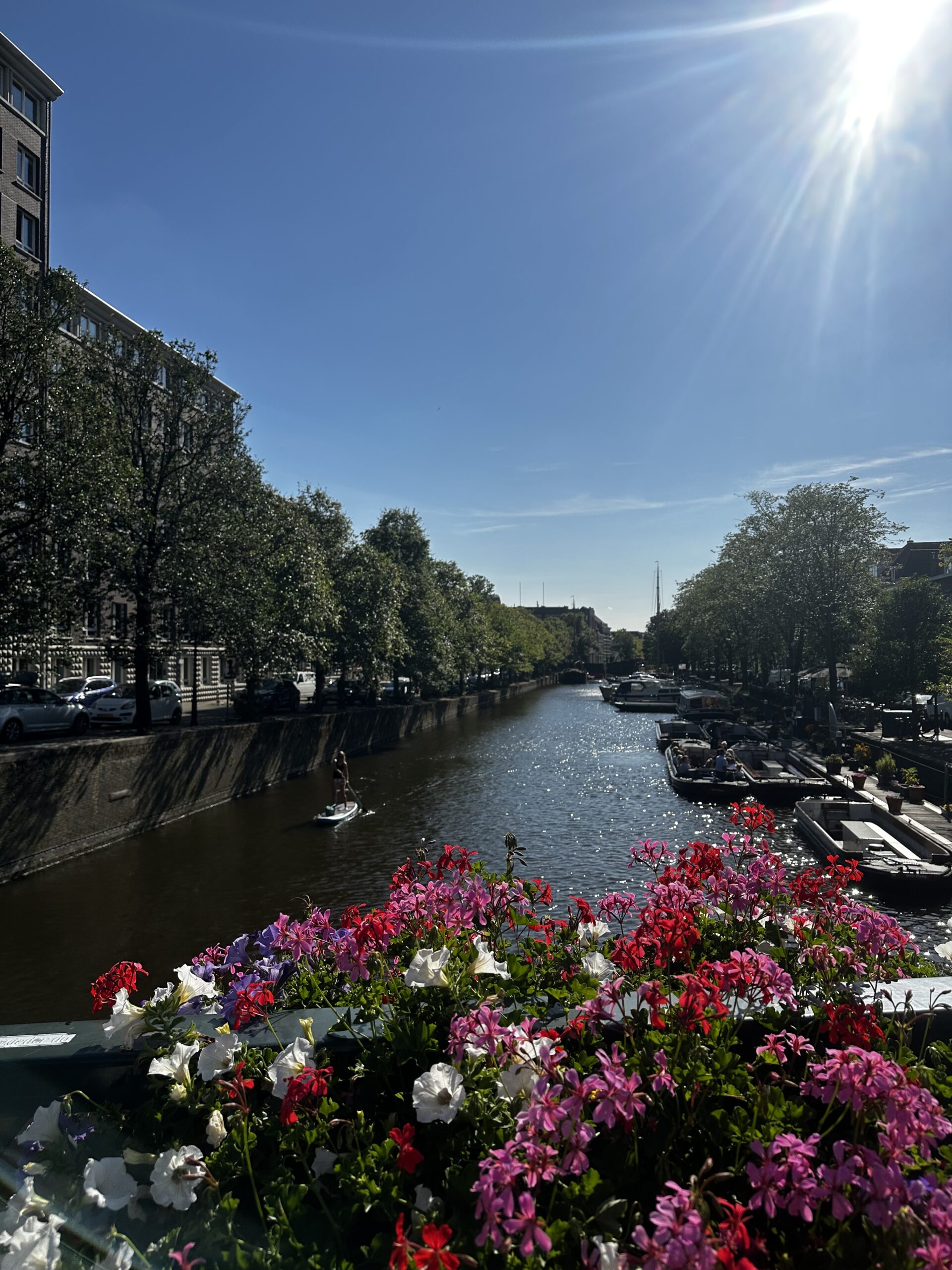
Amsterdam if you’re picking one — the canals, museums, and energy are hard to match. The Hague if you’ve been before, want quieter days, coastal air, and a government-city tempo. A week lets you do both without rushing.
Only in peak tulip season (mid-April to early May) and only early in the morning. By 10am it’s coach-tour chaos. Better option: rent a bike in Lisse and ride the bulb-field backroads — same tulips, no queue, no entry fee.
KEEP EXPLORING
Swipe sideways — these are destinations we've been to and written about.
Monthly stories from Rovaniemi — Arctic tips, packing lists, and the places we keep coming back to.