How to Rent a Car in Iceland — The Mistakes Everyone Makes
A Rovaniemi couple who’s driven Iceland twice breaks down the real rental car traps — the insurance scams, the gravel road gambles, and the wind damage nobody warns you about until you’re standing at the counter.
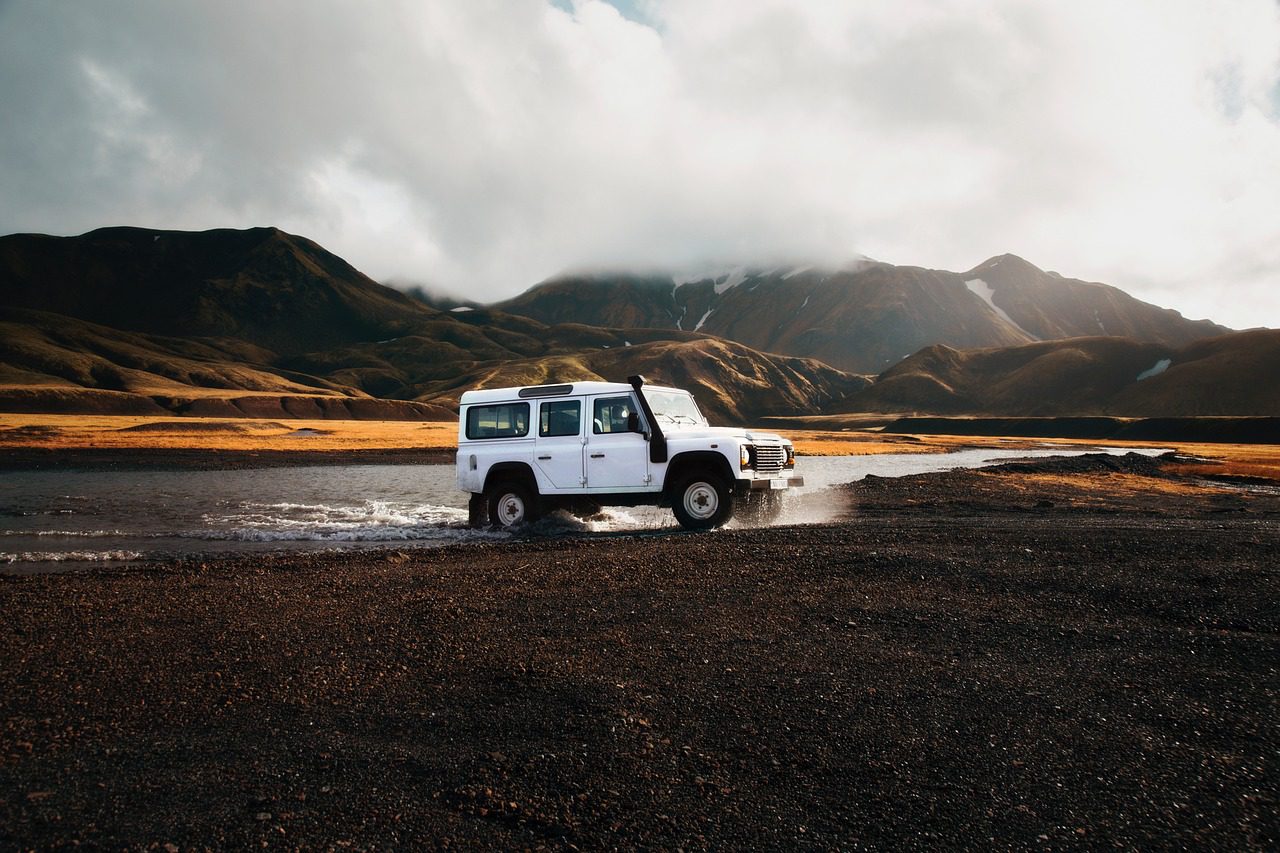
We’ve rented cars in Iceland twice — once in summer, once in early spring — and both times we made mistakes that cost us money, stress, or time we could have spent watching waterfalls instead of arguing at the Keflavík counter. Renting a car in Iceland is the single best decision you can make for your trip, but the process is full of traps that nobody explains until you’re already in one.
This is everything we wish someone had told us before we picked up the keys.
Book a reliable mid-size SUV or 4WD from a reputable Icelandic rental company at least 6–8 weeks ahead. Always take the SCDW (Super Collision Damage Waiver) and gravel protection. Skip the international chains at the airport — local companies are cheaper and more transparent. Rent a car in Iceland only if you understand the wind, gravel, and F-road rules that make driving here different from anywhere else.
Why renting a car in Iceland is non-negotiable
Public transport barely exists outside Reykjavík
Iceland has no train network. Bus services on the Ring Road run a few times a day in summer and essentially vanish in winter. If you want to stop at a waterfall that isn’t Gullfoss, chase the northern lights on a clear patch of sky 40 km east, or park at a trailhead before the tour buses arrive, you need your own wheels.
We tried to plan our first trip partly by bus. Within two days we abandoned the idea, rebooked a rental, and never looked back. The country is built for driving — the distances are manageable, the roads are mostly empty, and the scenery changes every 15 minutes.
Tour buses hit the same 5 spots
- Golden Circle tours are fine for a day trip, but they skip 95% of what makes Iceland special.
- Self-driving lets you stop at unmarked hot springs, detour to empty black sand beaches, and eat lunch wherever the view is best.
- Timing control is everything — arriving at Seljalandsfoss at 7 am instead of noon is the difference between magic and a queue.
How to choose the right rental company
Step 1 — skip the international airport counters
Hertz, Europcar, and Budget all operate at Keflavík, and they’re consistently more expensive than Icelandic companies for the same vehicle class. Worse, their insurance packages are harder to understand and their damage assessments at return can be aggressive.
Step 2 — compare on a local aggregator
Sites like Guide to Iceland and Northbound aggregate Icelandic rental companies and let you compare prices with insurance included. This is where the real savings are — we saved over €400 on a 10-day rental by booking through an aggregator instead of going direct to Hertz.
Step 3 — check the reviews for damage dispute stories
Before you book any company, search “[company name] damage claim” on Google and Reddit. Some companies are known for charging tourists for “pre-existing” scratches. Others photograph the car with you at pickup and never dispute anything. This five-minute search can save you hundreds.
Step 4 — book 6–8 weeks ahead in summer
Iceland’s rental fleet sells out. In June and July, the good cars are gone by April. If you wait until May to book a July Ring Road trip, you’ll pay double or get stuck with a compact Yaris on gravel roads. Winter is more forgiving, but 4WDs still go fast in December.
The insurance trap — what you actually need
The policies that matter
- CDW (Collision Damage Waiver): included with most rentals, but the self-risk (deductible) is typically €2,000–€3,000. That means you’re still on the hook for the first few thousand euros of any damage.
- SCDW (Super CDW): reduces your self-risk to €300–€500. This is the one you want. Iceland’s gravel, wind, and single-lane bridges make minor damage more likely than anywhere else in Europe.
- GP (Gravel Protection): covers windshield chips and body damage from flying gravel on unpaved roads. The Ring Road itself is paved, but every scenic detour — Stokksnes, Dynjandi, Westfjords — involves gravel. We got a cracked windshield on our first trip. Take this.
- SAAP (Sand & Ash Protection): covers paint damage from volcanic sand storms. Sounds extreme, but sand storms happen regularly in south Iceland, especially near Vík. If you’re driving in spring or on windy days, this isn’t paranoia — it’s budgeting.
- TP (Theft Protection): skip it. Theft is essentially non-existent in Iceland.
What about credit card rental insurance?
- Some premium cards (Chase Sapphire Reserve, Amex Platinum) cover CDW, but they almost never cover gravel, sand, or ash damage — which are the actual risks in Iceland.
- You still need GP and SAAP even if your card covers collision. Read the fine print before you decline anything at the counter.
- Third-party policies (RentalCover, iCarhireinsurance) can work, but make sure they explicitly cover gravel and volcanic damage in Iceland. Many don’t.
One email per month. No spam.
Honest Nordic travel tips from a couple who lives in the Arctic — trips we’ve taken, mistakes we’ve made, and the places we keep going back to.
What car to pick (and when you need 4WD)
When a 2WD is fine
- Summer Ring Road only: Route 1 is fully paved. A Hyundai i20 or Toyota Yaris will get you around the Ring Road in June–August without any issues.
- Golden Circle day trips: completely paved, any car works.
- Reykjavík + Snæfellsnes in summer: paved access to most stops.
When you need 4WD
- F-roads (Highland roads): legally restricted to 4WD vehicles. You’ll void your insurance and risk a fine if you take a 2WD onto an F-road. The signs are clear, but some GPS apps don’t distinguish between F-roads and regular roads.
- Winter anywhere: even Route 1 can have ice, snow, and sudden whiteouts from October to April. A Dacia Duster is the minimum; a Suzuki Vitara or Toyota RAV4 is better.
- Westfjords: steep gravel roads with sharp switchbacks. Technically possible in a 2WD in dry summer, but a flat tire on a hairpin bend with no cell signal changes your opinion fast.
- Stokksnes / Vestrahorn: the access road floods at high tide. A 4WD with decent clearance is not optional.
The 8 rental mistakes we made or nearly made
- Skipping gravel protection the first time. We got a windshield crack on day 3 from a passing truck on an unpaved road near Mývatn. The repair cost more than the GP policy would have.
- Not photographing the car at pickup. The second time we rented, we walked around the car with our phone camera running and saved the timestamped photos. When the company flagged a scratch at return, we showed the photo proving it was already there. Dispute over in 30 seconds.
- Booking too late for summer. In 2024 we tried to rent in June from April. Every decent 4WD was gone. We ended up with a manual-transmission Suzuki that Alla stalled on a hill outside Akureyri.
- Ignoring wind warnings. Icelandic wind can literally rip a car door off its hinges. We learned to always open the door into the wind and hold it with both hands. One gust at Dyrhólaey nearly cost us a door.
- Driving through a river crossing without checking depth. Some highland rivers look shallow but drop to knee-height in the center. We watched another tourist’s rental stall mid-river. Don’t be that tourist.
- Assuming GPS knew which roads were F-roads. Google Maps routed us onto an F-road in a 2WD. We caught it only because we recognized the “F” prefix on the road sign. Use the official road.is website, not just Google.
- Filling up at the last station before the Eastfjords. We didn’t. The next station was 160 km away, and we drove the last 40 km watching the fuel gauge with genuine anxiety. Iceland has long gaps between stations — fill up every chance you get.
- Returning the car dirty. Some companies charge a cleaning fee if the car comes back caked in volcanic mud. A 5-minute rinse at a self-service station near Keflavík costs €5 and saves you €50–€80.
Driving rules that catch tourists off guard
- Headlights on at all times — even in summer. It’s the law in Iceland, and rental cars usually have them on permanently, but check.
- Speed cameras are everywhere — and the fines start at ISK 30,000 (about €200). The limit is 90 km/h on paved roads, 80 km/h on gravel, and 30–50 km/h in towns. They enforce it.
- Single-lane bridges — the car closest to the bridge has right of way. Flash your lights to signal. Don’t race for it.
- No off-road driving, period. Icelandic moss takes decades to regrow. Driving off marked roads is illegal and will get you a serious fine. This applies to parking, too — stay on gravel pullouts.
- Sheep on the road from June to September. They have the right of way. Slow down near farms and watch for lambs that bolt across without looking (exactly like human toddlers).
- Wind speed matters more than rain. Check vedur.is (the Icelandic Met Office) every morning. If it says “storm warning” or wind above 20 m/s, reconsider your route. We’ve seen rental car doors bent backward and tourists pulled sideways walking to their car.
Frequently asked questions
Do I need a 4WD to drive Iceland’s Ring Road in summer?
No. Route 1 is fully paved and a standard 2WD handles it fine in dry summer conditions. You only need 4WD for F-roads, the Highlands, the Westfjords, and winter driving.
How much does it cost to rent a car in Iceland for a week?
In summer 2026, expect €80–€120/day for a small SUV with full insurance, or €500–€850 for a full week. Compact 2WDs start around €50/day. Booking early and through a local aggregator brings prices down significantly.
Is the gravel protection insurance worth it?
Yes, absolutely. The Ring Road is paved, but almost every scenic detour involves gravel. Windshield chips from passing trucks are common. The policy costs €10–€15/day and a windshield replacement runs €300–€500. The math is simple.
Can I drive a rental car on F-roads?
Only if the car is a 4WD and the rental agreement explicitly allows F-road driving. Many budget rentals prohibit it even for 4WD vehicles. Check before you book, and double-check at pickup. Violating this voids all your insurance.
Should I book an automatic or manual transmission?
Automatic if you can. Iceland’s roads involve sudden stops, steep hills, and strong crosswinds — shifting gears while managing all three is stressful. Automatics cost slightly more but are worth every króna, especially on highland roads.
Is it safe to drive in Iceland in winter?
It can be, but conditions change fast. You need a solid 4WD, winter tires (studded are legal and recommended), and a willingness to check road.is every morning and change plans when conditions turn. We wouldn’t recommend it for first-time Iceland visitors unless you’re experienced with Nordic winter driving.
A final word from Rovaniemi
We live in Finnish Lapland, so driving on icy roads and navigating remote Nordic landscapes is our normal. Iceland still surprised us — the wind is stronger, the gravel is sharper, and the distances between fuel stops are longer than anything in Finland or Norway. But that’s also what makes driving Iceland one of the best road trip experiences in the world.
The key is going in with your eyes open. Rent the right car, take the right insurance, fill your tank every time you see a pump, and never — ever — open the car door without checking which way the wind is blowing.
If you do that, Iceland by car is extraordinary. If you don’t, it’s an expensive lesson.
Joona & Alla
A Finnish-Ukrainian couple living in Rovaniemi, Finland. Joona is a marketing professional in Lapland tourism; Alla is an AI Engineer. Together we’ve visited 25 countries and share honest, locally-grounded travel writing from our home in the Arctic.
Read our full story →