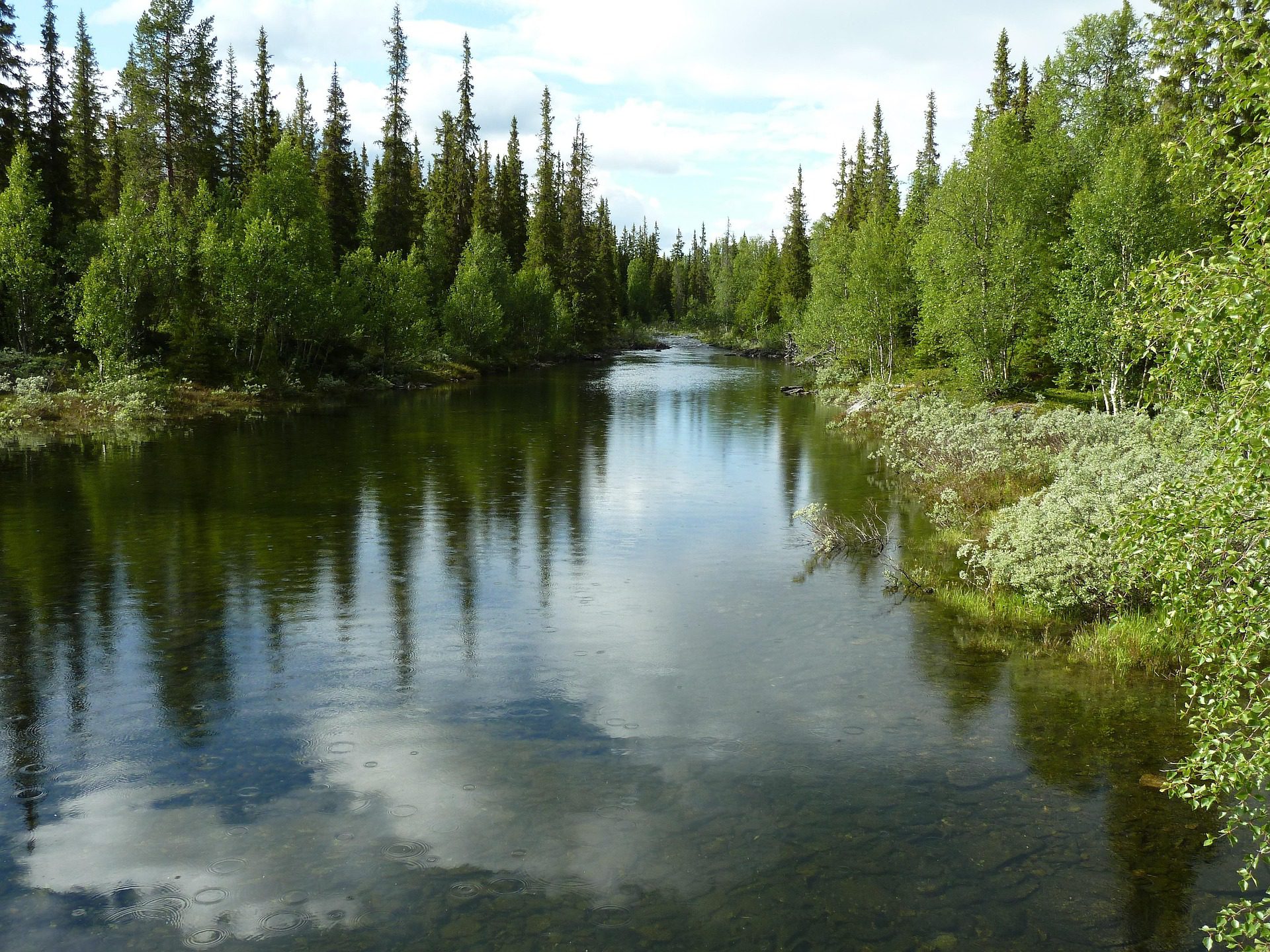
We get this question a lot from readers planning a Nordic winter trip who’ve only ever pictured campervanning as a summer thing: tents, long light, lakeside pitches. Renting a campervan in Sweden in winter is absolutely possible — we’ve done Nordic winter driving ourselves plenty of times from our base in Rovaniemi — but it’s a genuinely different trip from the one the glossy summer photos show you, and a few things catch first-timers out.
This settles the question properly: whether it’s realistic, what changes about the vehicle and the campsites, and when we’d honestly tell you to book a cabin instead.
Yes, you can rent a campervan in Sweden in winter, and prices actually drop to roughly €35–55 a day in the Nov–Mar off-season compared with €89–180 in summer. The trade-offs are real, though: short daylight (as little as 6 hours in December), legally mandatory winter tyres, and a lot of campsites closing for the season. If you’re comfortable with cold-weather driving and plan your stops carefully, it’s a quiet, beautiful way to see the country. If that sounds stressful rather than fun, a cabin-based trip is the honest alternative. Compare current campervan prices for Sweden before you decide — code HUNGRYTRAVELFAMILY20 takes €20 off.
Is renting a campervan in Sweden in winter actually realistic
Short answer: yes, for the right trip. Rental fleets in Sweden don’t disappear in winter — operators keep a smaller, winter-ready selection running through the Nov–Mar season specifically because demand exists, largely from people chasing the northern lights or doing a quieter, off-season coastal route. The vans themselves are heated, and a decent winter-spec campervan will keep you comfortable overnight even when it’s well below freezing outside, which is more than most first-timers expect.
What makes it realistic rather than a mistake is matching your plans to the season. A packed two-week island-hopping itinerary built for July simply doesn’t work in January — ferries run less often, some campsites are shut, and you’ll want more slack in your schedule for shorter days. A slower, more deliberate winter route, especially one that leans into the quiet, works very well.
What changes about the van itself
The single biggest legal difference: Sweden requires winter tyres on any vehicle up to 3.5 tonnes — motorhomes included — from 1 December to 31 March whenever conditions are wintry (snow, ice or slush on the road). The tyres need the three-peak-mountain Alpine symbol; an old-style M+S marking on its own no longer qualifies, and the tread has to be at least 3mm. A van hired for a winter trip from a Swedish rental company should already be correctly fitted, but it’s worth confirming this specifically when you book rather than assuming it by default. Studded tyres are allowed between 1 October and 15 April if you want the extra grip on ice.
Heating is the other obvious change. A proper winter rental should have a working diesel or gas heater that can run overnight without you needing the engine on, plus insulation good enough that condensation inside the van doesn’t become its own problem. Ask specifically about the heating system when you book — this is the one spec worth double-checking rather than taking for granted, since not every van in a fleet is equally winterised.
Daylight and where it makes sense to drive
This is the part that surprises people most. Daylight in Sweden during Nov–Mar runs as short as 6 hours around the December solstice, stretching back out toward 10–14 hours by March. That’s not a reason to stay home, but it does mean you should plan driving legs for daylight hours and build your day around a shorter window than you’re used to in summer. We’d rather our readers drive less and see more, especially on unfamiliar winter roads.
Watch for wildlife on the road, particularly moose and reindeer, which are a real hazard at dawn and dusk when visibility is already lower — slow down on rural stretches rather than keeping summer speeds. The far north, around Kiruna, is also one of the pickup points worth considering specifically if the northern lights are part of your reason for going in winter in the first place; it’s a genuine gateway into Swedish Lapland and Abisko, both strong aurora locations.
Where you can actually stay once campsites close
Plenty of Sweden’s full-service campsites close for winter, which is the detail most people miss when they picture a winter campervan trip exactly like a summer one. What stays open, and genuinely fills the gap, is the country’s network of ställplatser — the Swedish equivalent of a French aire or German Stellplatz — simple, purpose-built motorhome stops, often a harbour car park, a marina or a small-town parking bay with an honesty box, where you can stay overnight and usually access basic services. Dedicated apps list several hundred of these on top of the service stations that stay open year-round.
A Camping Key card (used at roughly 2,500 sites across Scandinavia and wider Europe, checked in via a QR code in its app) is worth having if you’re planning to use any of the campsites that do stay open through winter, since several require it or offer a better rate with one. We’d build your overnight stops around a mix of ställplatser and the handful of winter-open campsites, rather than assuming you can just turn up at whichever site looked good on a summer map.
💡 Our campervan tip: prices for the same van vary a lot between rental brands. We compare Sweden campervans across 160+ rental companies on CampervanPlanet — and code HUNGRYTRAVELFAMILY20 takes €20 off.
Winter driving conditions worth knowing before you go
Sweden’s roads are well maintained and ploughed, and winter driving here is calmer than its reputation suggests once you’re used to it — locals drive these conditions every year without drama. That said, a few things are worth confirming before you set off: your lights must be on whenever you drive, day or night, all year round, which is standard practice rather than a sign of poor visibility. Drinking water is safe from the tap throughout the country, which is one less thing to plan around. The national emergency number is 112.
One genuine advantage of winter driving in Sweden: the motorway network — the E4, E6, E18, E20 and E45 — is entirely toll-free, so there are no toll booths or electronic tags to worry about on a long winter route. The only road charges you’ll meet are congestion taxes on weekdays entering central Stockholm and Gothenburg, and a single cross-border bridge; both are camera-read with no booth to stop at, and both are free on weekends and public holidays.
What a winter campervan trip actually costs
This is where winter genuinely works in your favour: rental prices for Sweden drop to roughly €35–55 a day in the Nov–Mar off-season, against €89–180 a day at the summer peak. That’s a meaningful saving on a two-week trip, and it’s on top of generally quieter roads and no need to book months ahead the way you would for July. Compare current Sweden campervan prices directly, and use code HUNGRYTRAVELFAMILY20 for €20 off whichever dates you land on.
Budget separately for fuel (Swedish winter driving uses a bit more than summer due to heating and lower tyre efficiency in cold), any ställplats overnight fees (often modest, sometimes free), and a Camping Key card if you’ll use open campsites. None of these is a large line item individually, but they add up less than people expect compared with a hotel-based winter trip covering the same ground.
When a cabin genuinely beats a van
We’d be doing readers a disservice if we only sold the upside. A campervan in deep winter suits travellers who are comfortable with cold-weather logistics, don’t mind a shorter daily range, and actually want the flexibility of moving between a few locations. It does not suit anyone travelling with very young children for an extended period, anyone nervous about driving on snow and ice, or anyone whose main goal is simply to see the northern lights from one comfortable base — a fixed cabin or cottage near somewhere like Kiruna or Abisko will likely serve that specific goal better, with less logistics and more certainty about heating and services.
If you’re torn between the two, our honest advice: a short winter campervan loop of 4–6 days, based out of one or two hub towns rather than covering Sweden end to end, is the easiest way to try it without over-committing to a format that might not suit you. You can always come back for the long coastal summer route another year.
For more on the logistics, see our first-time campervan rental guide for Sweden and our breakdown of motorhome vs campervan for Sweden if you’re still deciding on a vehicle class. You can also browse our campervan rental guide for other Nordic countries.
Book your Sweden campervan
Compare prices across 160+ campervan and motorhome rental brands, get a free 1GB eSIM with every booking — and €20 off with code HUNGRYTRAVELFAMILY20.
Check prices & availability →Frequently asked questions
Do I need special tyres to rent a campervan in Sweden in winter?
Yes, by law. Vehicles up to 3.5 tonnes, motorhomes included, must run winter tyres with the three-peak-mountain Alpine symbol between 1 December and 31 March whenever conditions are wintry. A rental booked for this window should already be correctly fitted, but confirm it when you book.
Are Swedish campsites open in winter?
Many full-service campsites close for the season, but a growing network of ställplatser (simple motorhome stopovers) and a smaller number of winter-open campsites fill the gap. Plan your overnight stops with this in mind rather than assuming summer availability.
Is campervan rental cheaper in winter?
Yes, noticeably. Expect roughly €35–55 a day in the Nov–Mar off-season compared with €89–180 at the summer peak, plus generally easier availability without months of advance booking.
How much daylight will I have for driving?
As little as around 6 hours a day near the December solstice, stretching back toward 10–14 hours by March. Plan driving legs for daylight hours and expect a shorter daily range than a summer trip.
Are there toll roads to budget for?
No motorway tolls or vignette in Sweden. The only road charges are congestion taxes entering central Stockholm and Gothenburg on weekdays, both camera-read with no booth, and free on weekends and public holidays.
Is a campervan a good way to see the northern lights in Sweden?
It can be, particularly picking up from Kiruna in the Arctic north, but if seeing the aurora from one comfortable, reliably heated base is your main goal, a fixed cabin near Kiruna or Abisko is often the lower-stress choice over a moving winter road trip.