Quietcation: The 2026 Travel Trend for People Tired of Crowds
We’ve been doing this before it had a name — heading to the forests and fjords of the Nordic north while everyone else fights for space in Santorini. Here’s what quietcation actually means in 2026, and how to plan one.
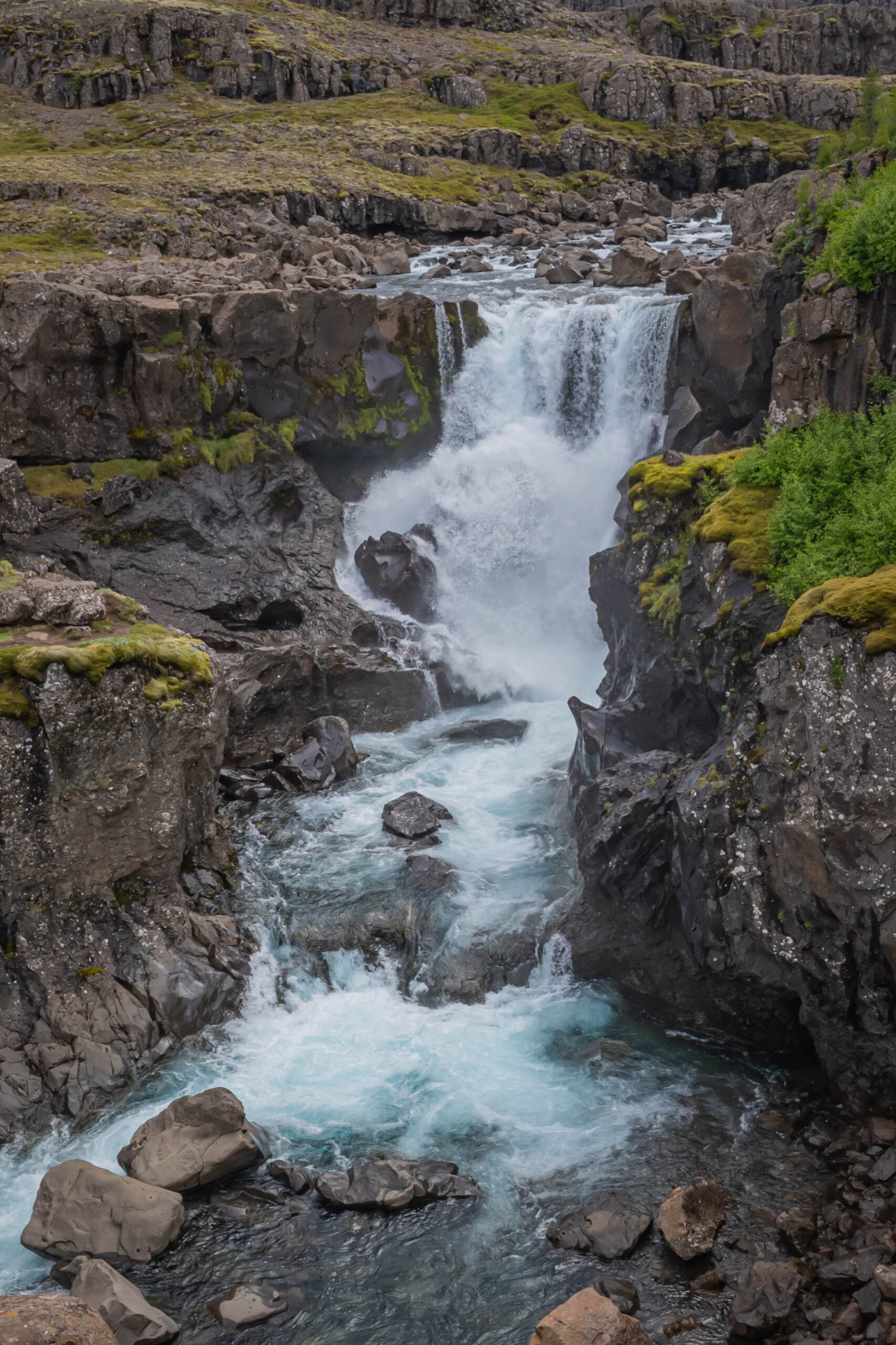
We’ve been lucky enough to visit 25 countries, and one thing we noticed long before the travel press gave it a name: some of our best trips were the ones where we deliberately went away from the crowd. Not to a remote island nobody can reach, but to places that are genuinely wonderful — just quieter, slower, and not currently trending on Reels. In 2026, that instinct has a word: the quietcation.
We live in Rovaniemi, Finland, which most tourists visit in winter to see Santa Claus. In summer, when the midnight sun turns the forest gold and the river runs glassy, we have the trails almost entirely to ourselves. That’s a quietcation. Here’s everything you need to know about the trend, and how to plan one for yourself.
A quietcation is a deliberate escape to a low-crowd, high-peace destination — the antidote to overcrowded hotspots and “Instagram traps.” In 2026, searches for the term are surging as Southern European heatwaves and overtourism push travellers toward the Nordic countries, smaller coastal towns, and off-season timing. You don’t need to go remote; you need to go intentionally.
What a quietcation actually is (and isn’t)
The word “quietcation” has been floating around wellness circles for a couple of years, but 2026 is the year it moved into mainstream travel conversation. At its core, a quietcation is a holiday where the absence of crowds, noise, and urgency is the point — not a side effect.
What it is
- Intentional slow travel — choosing pace over packing in sights.
- Crowd-conscious destination selection — actively avoiding places with overtourism problems.
- Sensory rest — fewer notifications, less stimulation, more actual presence in the landscape.
- Off-peak or off-trail timing — visiting popular regions in shoulder seasons, or lesser-known spots in peak season.
What it isn’t
- Not a digital detox (though it pairs well with one) — you can still take photos and post; the point is the place, not phone abstinence.
- Not extreme wilderness survival — it doesn’t require a tent or a bear canister. A cottage by a Finnish lake with a wood-burning sauna counts.
- Not budget travel by definition — quietcation destinations range from free national parks to boutique forest lodges.
- Not anti-social — it just means fewer strangers queueing next to you.
Why the quietcation trend is exploding in 2026
A few forces have converged to make quietcation the defining travel mode of this summer.
The drivers in plain language
The summer of 2025 broke heat records across Greece, Italy, Spain and Portugal. Tourists were caught in 42°C Athens and 38°C Rome in July. Travel advisories started recommending avoiding peak midday hours. For 2026, a growing share of summer travellers are actively routing away from Southern Europe — and the Nordic countries, Ireland, and the Scottish Highlands are the clearest beneficiaries.
Santorini, Dubrovnik, Venice, Bali — the headlines have shifted from “you should go” to “locals want you to stop coming.” Crowd-averse travellers are responding. Searches for “quietcation” and “coolcation” destinations are up triple digits year-on-year according to search trend data from early 2026.
The revenge travel boom of 2022–2023 left many people exhausted. Marathon itineraries, FOMO-driven scheduling, and treating holidays like productivity sprints created a counter-movement: people who want to come back from a trip actually rested.
Finland, Norway, Iceland, and Sweden are seeing surge interest — Scandinavia travel is projected up 35% for summer 2026. The midnight sun, cold lakes, and empty hiking trails are exactly what the quietcation aesthetic calls for. We happen to live at the epicentre of it.
Planning a Nordic quietcation? Our step-by-step Lapland summer guide covers everything from the best quiet spots to off-season timing from the people who actually live here.
Read the guide →How to pick the right quietcation destination
The best quietcation destination for you depends on three things: your definition of “quiet,” your comfort with infrastructure gaps, and your relationship with nature. Here is the framework we use when planning.
The quietcation destination scorecard
- Crowd density at peak season: Google the destination with “overtourism” appended. If there are 2026 news articles, reconsider or go shoulder-season.
- Infrastructure comfort level: Do you need a restaurant within 10 minutes, or are you happy cooking in a rented cottage? Answers lead to very different destinations.
- Nature vs. culture ratio: Pure quietcations lean toward landscapes — lakes, mountains, coast. Culture-quietcations favour second cities and smaller capitals over headline attractions.
- Travel time vs. payoff: A 4-hour flight to Lapland gives you near-total quiet; a 2-hour train to the Cotswolds gives you prettiness with some crowds. Both are valid, depending on your week.
- Season fit: Shoulder season in almost any popular destination — May in the Algarve, September in Tuscany, October in Iceland — is an instant quietcation upgrade.
- Digital connectivity needs: Nordic nature spots often have excellent mobile signal. True wilderness (Westfjords, Finnish Lapland backcountry) is patchier. Know which you’re choosing.
The quietcation planning checklist
These are the eight things we run through every time we plan a slow, crowd-light trip. Copy them.
- Check Google Trends for your destination + “crowded.” Peak-season spikes tell you exactly when to avoid.
- Book accommodation away from the main town. A village 20 km from a popular resort is usually 80% quieter and 40% cheaper.
- Build in at least one full day with zero scheduled activities. That day is usually the best one.
- Pack a book, a pair of trail shoes, and a swimming kit. These three items unlock 90% of quietcation activities.
- Tell someone your rough plan, then mute your work Slack. Real rest requires a genuine boundary, even if just for 48 hours.
- Research one “anchor experience” and leave the rest open. One sauna evening, one long walk, one good meal — the rest of the trip fills itself.
- Check shoulder-season transport. Some scenic routes run reduced schedules in May or September. Book ahead or plan to drive.
- Download offline maps. Quietcation destinations often have spotty data. AllTrails offline, Google Maps saved, and a screenshot of your accommodation address will save you.
Get our best travel tips in your inbox
Monthly stories from Rovaniemi — Arctic tips, packing lists, and the places we keep coming back to.