How to Plan a Summer Trip to Lapland: A Step-by-Step Guide from Locals
We live in Rovaniemi. Every summer we watch visitors arrive under-prepared, over-packed, and confused about what Lapland actually looks like without snow. This is the honest guide we wish existed when we first moved here.

A summer trip to Lapland is genuinely different from anything most travelers expect. No reindeer pulling sleds through snow, no frozen rivers, no aurora borealis lighting up a black sky. What you get instead is something we think is even more remarkable: a sun that doesn’t set, a landscape that turns every shade of gold from midnight to 3 am, and a pace of life so quiet that the loudest thing most evenings is a cuckoo calling from the birch trees.
We’ve been based in Rovaniemi, in Finnish Lapland, long enough to know how the region shifts with each season — and summer is our favourite version of it. We’ve also answered enough questions from first-time summer visitors to know exactly where the planning confusion happens. This guide walks you through a summer trip to Lapland from scratch, step by step, the way a local friend would explain it if you asked.
The best time for a summer trip to Lapland is late June to mid-July, when the midnight sun is at its peak and the landscape is at its most lush. Fly into Rovaniemi, book accommodation early (summer fills up fast), hire a car for flexibility, and build your trip around the river, the national parks, and at least one proper sauna evening. Budget roughly €120–160 per couple per day including car hire and accommodation.
- Why visit Lapland in summer — what it’s actually like
- When to go: the summer window month by month
- The summer Lapland planning checklist
- Essential tips for first-time summer visitors
- How summer Lapland compares to winter Lapland
- Mistakes locals see tourists make every year
- Frequently asked questions
- A final word from Rovaniemi
Why visit Lapland in summer — what it’s actually like
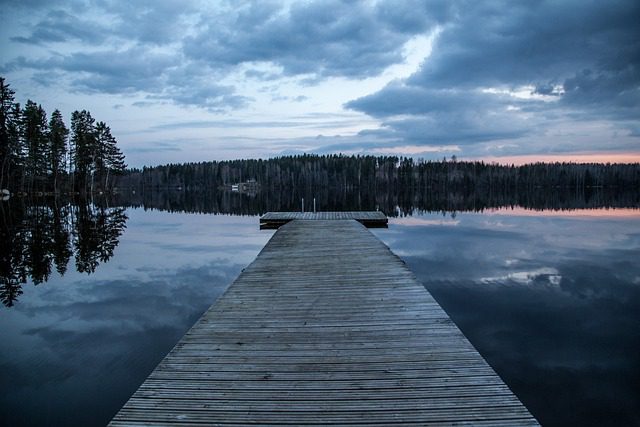
Most people who come to Lapland in summer arrive with a vague expectation that it will be a toned-down version of the winter experience. It isn’t. Summer Lapland is its own thing entirely, and the travelers who love it most are the ones who come in without winter as the reference point.
The midnight sun is the defining experience
From around June 6th to July 7th, the sun doesn’t set in Rovaniemi at all. Not even for a moment. The sky stays light — golden, warm, moving slowly from one horizon to the other — through what your watch says is night. Sleeping with blackout curtains is a genuine requirement, not an optional comfort. Eating dinner at 11 pm because you genuinely forgot it was that late is a daily occurrence. It’s disorientating in a way that eventually becomes something you want to feel again every year.
The landscape in summer is lush, not barren
Winter visitors sometimes assume Lapland is a flat white place. In summer the region reveals itself: thick birch and pine forests, fast-moving rivers the colour of copper, fells (low Arctic mountains) blanketed in heather and cloudberries, and a wildflower density that surprises almost every first-timer. The Oulanka National Park, about 2.5 hours from Rovaniemi, is genuinely among the most beautiful landscapes we’ve seen in 25 countries.
When to go: the summer window month by month
Summer in Lapland runs from late May to early September, but the experience changes noticeably month by month. Here’s how we’d frame each window for a first-time visitor:
Late May — the transition season
Snow is gone from Rovaniemi by mid-May. Late May brings the first proper warmth, the birch leaves unfurl in under a week (a spectacle in itself), and the river is in flood from snowmelt. The midnight sun hasn’t quite arrived but evenings are very long and light. This is a quiet, beautiful time to visit — fewer crowds, lower prices, and a landscape that feels like it’s waking up.
June — peak midnight sun month
This is the month we’d choose for most visitors. The sun is genuinely circling the sky 24 hours a day in northern Lapland. Temperatures in Rovaniemi typically reach 18–24°C, warm enough for kayaking, river swimming, and long fell walks without heavy layers. The Finnish midsummer festival Juhannus (June 19–20) is celebrated with bonfires, traditional food, and a communal joy that feels very different from anything commercial.
July — the warmest, busiest month
July is Lapland’s peak summer month. Temperatures can occasionally reach 28–30°C. Cloudberry and blueberry picking begins in earnest from mid-July. This is also when accommodation books out fastest — if you’re planning a July trip, book at least three months ahead. The mosquitoes are at their most assertive in July; bring repellent and consider a head net for any open fell walks.
August — the golden shoulder season
August is quietly wonderful. The midnight sun is gone but evenings are still very long. The first hints of ruska (the Finnish autumn colour change) start to appear in the fells from mid-August. Prices drop, crowds thin, and the berry picking is at its best. For anyone who can travel flexibly, early August is our personal favourite time to be in Lapland.
The summer Lapland planning checklist
Here’s the step-by-step planning list we’d hand a friend flying into Rovaniemi for the first time in summer:
- Book flights early: Rovaniemi Airport (RVN) has direct summer flights from Helsinki (Finnair, Norwegian) and some direct European charter routes. Alternatively, fly into Helsinki and take the overnight train to Rovaniemi — a genuinely excellent journey on a comfortable sleeper.
- Hire a car: Lapland is large. Rovaniemi is a good base, but the national parks, fell regions, and quiet lake areas all require a car to reach properly. Avis, Hertz, and Sixt all operate from Rovaniemi Airport. Book ahead in June and July.
- Choose your accommodation type: Rovaniemi has standard hotels and well-equipped Airbnb apartments. For a more authentic experience, look for a mökki (Finnish cottage) by a lake — often bookable via Lomarengas.fi or Cottages.fi. These are the most memorable Lapland accommodation options and often surprisingly affordable.
- Pack for all weathers: Summer Lapland swings between 10°C and 28°C. A light rain jacket, one warm mid-layer, good walking shoes, and sun protection are all essential. You will not need ski gear.
- Buy blackout curtains or a sleep mask: Hotel rooms in Lapland all have blackout curtains. Cottages vary. If you’re staying somewhere without them, a quality sleep mask is essential for anyone who doesn’t fall asleep in full daylight.
- Plan your national park day trip: Oulanka National Park is the non-negotiable. The Karhunkierros (Bear Trail) has shorter day-hike segments. Book a guided river float if you want an easy, memorable experience.
- Find a sauna evening: Sauna is not a spa add-on in Finland — it’s a social ritual. Many cottage rentals include a wood-burning lakeside sauna. Use it. Going at midnight with the sun still above the horizon is an experience that will come up in conversation for years.
- Download offline maps: Mobile signal in rural Lapland is genuinely patchy. Download Google Maps or Maps.me for the Rovaniemi and Sodankylä regions before you leave town.
Get our best travel tips in your inbox
Monthly stories from Rovaniemi — Arctic tips, packing lists, and the places we keep coming back to.