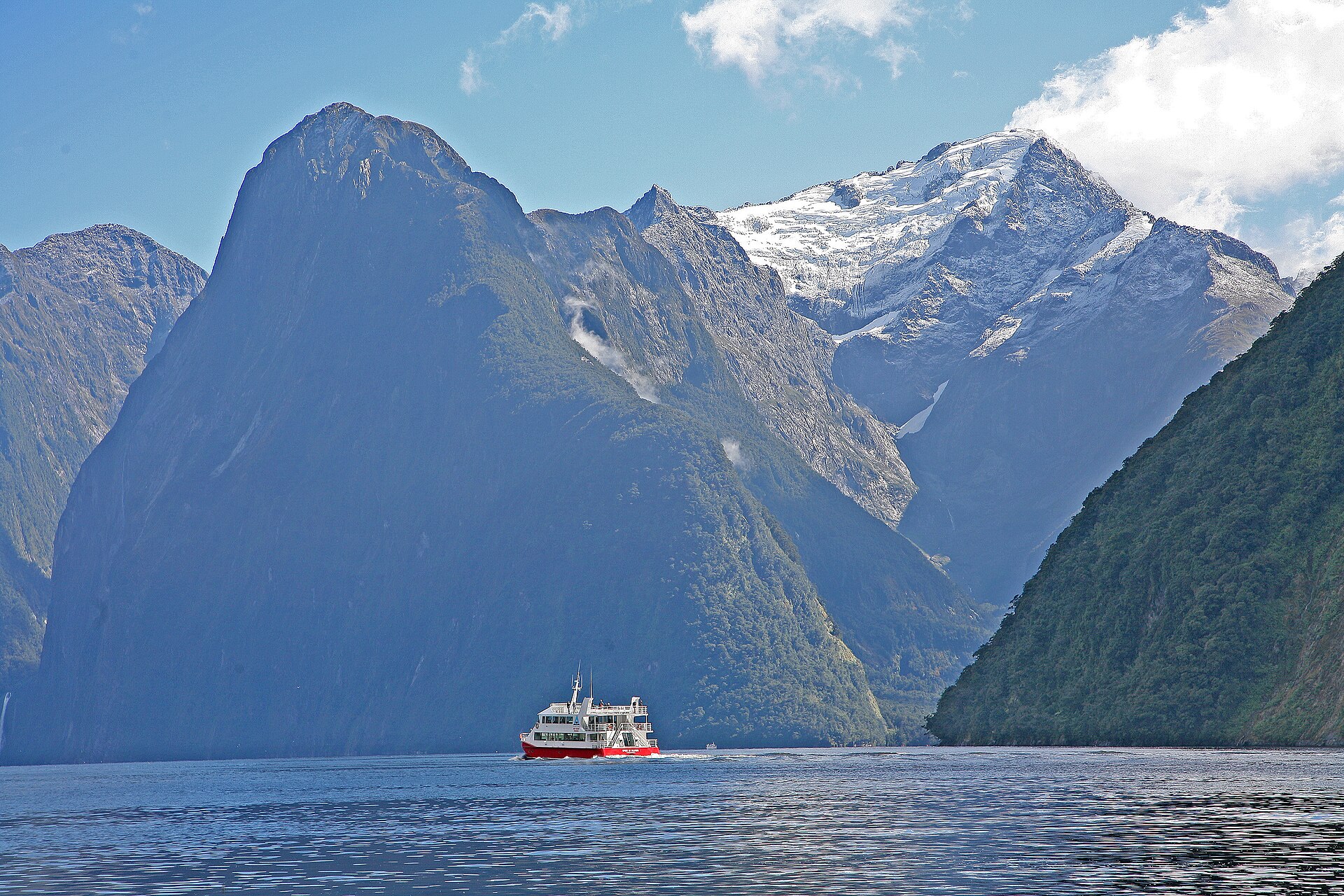
If there is one campervan drive that sums up New Zealand’s South Island, it is the road from Christchurch to Queenstown. The direct route is only about 480 km, but it passes the Canterbury plains, the milky-blue Lake Tekapo, the foot of Aoraki/Mount Cook, the Lindis Pass and Lake Wanaka, and ends on the Crown Range. A one-way campervan from Christchurch to Queenstown lets you do it without doubling back.
We built this guide from the CampervanPlanet Christchurch listing and standard New Zealand driving knowledge, and say where prices or rules should be checked. If you are new to hiring a van, start with our campervan rental guide.
Allow 5–7 days for the one-way run with stops at Lake Tekapo, Aoraki/Mount Cook and Wanaka. On CampervanPlanet, a typical 7-night South Island trip of about 900 km (Christchurch, Tekapo, Mount Cook, Wanaka, Queenstown, Milford Sound) cost about NZ$1,130 in winter and about NZ$2,800 in summer for the campervan, before fuel and campsites. Check the one-way fee, and remember that New Zealand’s freedom-camping rules favour self-contained vans.
The route in a week
A comfortable plan is five to seven days. Day one leaves Christchurch for Lake Tekapo, about 230 km and three hours, with a stop at the Church of the Good Shepherd if you can handle the crowds. Day two goes to Aoraki/Mount Cook village, about 100 km from Tekapo along Lake Pukaki, with a short walk to the Hooker Valley. Day three heads through Twizel and over the Lindis Pass to Wanaka, with the lake and its lone tree as the afternoon walk. Day four crosses the Crown Range to Queenstown, about an hour.
The distances are modest, but the stops are the point. Add a night at Tekapo for the stars, since the area is a dark-sky reserve, and a day in Queenstown for the activities. The listing’s own seven-night example, covering about 900 km from Christchurch to Tekapo, Mount Cook, Wanaka, Queenstown and Milford Sound, shows how much fits in a week. If you want the Fiordland extension, our Queenstown and Milford Sound guide covers it.
Picking up in Christchurch
The Christchurch campervan hire page lists several pick-up points: Christchurch Airport, the city centre, Riccarton, Addington and Sydenham, Rolleston and Rangiora. The airport is the simplest option for most visitors, since you can collect the van within a short time of landing and head straight out of the city.
Check the one-way fee before booking. Many rental companies charge to drop a van in a different city, and the fee depends on the company and the season. Some offer relocation deals at certain times of year, so flexible dates can save money. On the other end, Queenstown campervan hire shows return options and vehicle availability at the destination.
What it costs, by season
This is where timing matters more than anything else. According to the page, a typical campervan in Christchurch costs about NZ$161 a day from May to September and about NZ$367 a day from December to February. The very cheapest prices we saw were from around NZ$33–37 a day, and June is the cheapest month and February the most expensive.
The listing’s own example makes the gap clear. A 7-night South Island trip of about 900 km cost about NZ$1,130 for the campervan in winter and about NZ$2,800 in summer, before fuel and campsites. That is a difference of more than NZ$1,600 for the same route. If you are flexible, the shoulder months of March to May, with settled weather and crisp mornings, and September to November, which can be windy, are often a good compromise.
If you want to cut costs further, the page also notes that a car or 4×4 with a rooftop tent starts from about €64 a day in Christchurch. Our code HUNGRYTRAVELFAMILY20 takes €20 off at checkout through our links.
💡 Our campervan tip: prices for the same van vary a lot between rental brands. We compare New Zealand campervans across 160+ rental companies on CampervanPlanet — and code HUNGRYTRAVELFAMILY20 takes €20 off your booking.
Seasons and weather on the route
Summer (December to February) is warm and dry on the Canterbury side, with temperatures of 18–25°C in Christchurch, but it is also the busiest and most expensive time. Autumn (March to May) is settled, clear and calm, with crisp mornings and good colour through the gorges. Winter (June to August) brings frosts, snow on the Alps and possible road closures on the Lindis Pass or around Mount Cook, and some vehicles need chains. Spring (September to November) is variable and often windy, with strong north-westerlies sweeping the plains and lingering snow on the tops.
In any season, check the New Zealand Transport Agency’s road status before you drive, particularly the Lindis Pass and the Crown Range, which is the highest main road in the country and can be icy or snowy in winter.
Camping rules and campsites
New Zealand’s freedom-camping rules are strict, and the main message is that they favour vehicles with a self-containment certificate. If your campervan has a toilet, water and waste storage, you can use many designated freedom-camping areas, but you must check local signs and councils, because rules vary by district. If it does not, you will be using DOC campsites or holiday parks.
DOC campsites range from free basic sites to serviced sites with hot showers at roughly NZ$20–28 per adult, and holiday parks cost more but include facilities. Along this route the popular sites at Tekapo, Mount Cook and Wanaka fill up in summer, so book ahead where you can. Our South Island itinerary guide goes into more detail on stops and campsites.
Driving tips for the South Island
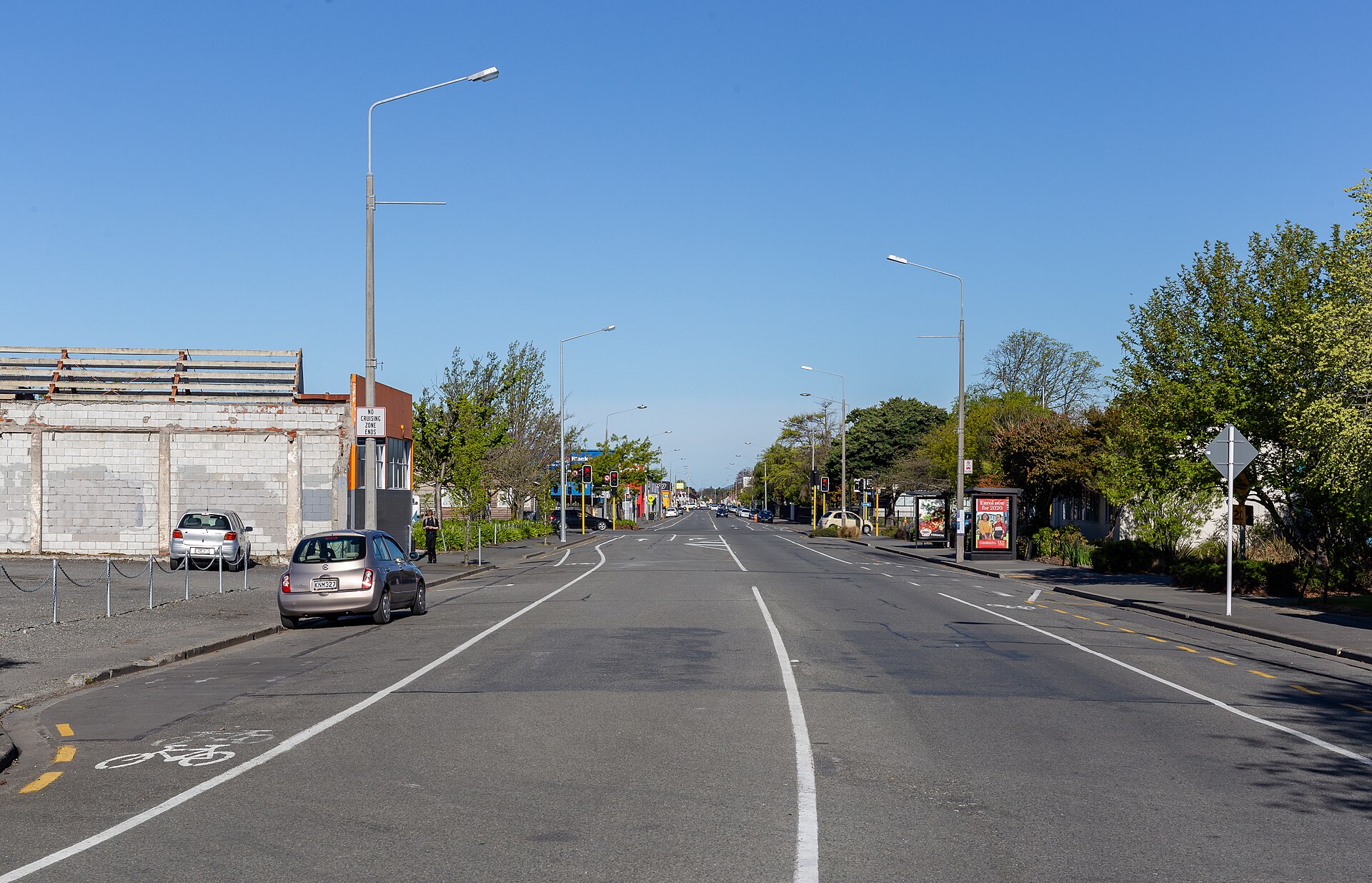
New Zealand drives on the left, and many roads are narrower and slower than their distance suggests. Allow more time than the map says, avoid driving at dusk when wildlife and sheep are active, and use pull-outs to let faster traffic pass. Fill up before long stretches, particularly beyond Twizel and between Wanaka and Queenstown, where stations can be sparse.
The Crown Range from Wanaka to Queenstown is spectacular but has tight bends and steep sections, so a large motorhome needs a steady hand. Keep to the rental company’s permitted roads, because some gravel roads and mountain tracks are off limits for rental vehicles.
Parking in Queenstown is limited and enforced strictly, so use a campsite or park-and-ride on the edge of town rather than driving the van into the centre.
Booking checklist
Check the one-way fee, the kilometre allowance, the vehicle’s self-containment status, bedding and kitchen kits, the excess and the pick-up hours. If you plan to continue to the North Island, ask about ferry rules and whether the company allows its vans on the Cook Strait ferry. Compare prices for the same dates across brands, since the gap between companies for similar vans can be large.
When you are ready, compare New Zealand campervans for your dates and book through our links. A booking made within 30 days of your click is credited to us, and it keeps this site on the road.
Book your New Zealand campervan
Compare prices across 160+ campervan and motorhome rental brands, get a free 1GB eSIM with every booking — and €20 off with code HUNGRYTRAVELFAMILY20.
Check prices & availability →Frequently asked questions
How far is it from Christchurch to Queenstown by campervan?
The direct route is about 480 km, but the scenic route via Lake Tekapo, Mount Cook and Wanaka takes 5–7 days with stops. A longer 900 km loop including Milford Sound fits in seven nights.
How much does a campervan cost from Christchurch?
The listing shows a typical NZ$161 a day from May to September and NZ$367 a day from December to February. A 7-night South Island trip was about NZ$1,130 in winter and NZ$2,800 in summer, before fuel and campsites.
Are one-way campervan rentals allowed in New Zealand?
Many companies allow them, usually with a one-way fee that varies by company and season. Check the total at checkout.
Is there a discount code for CampervanPlanet?
Yes. Code HUNGRYTRAVELFAMILY20 takes €20 off your booking at checkout when you book through our links.
When is the best time for the Christchurch to Queenstown drive?
Autumn, from March to May, is usually settled and clear and cheaper than peak summer. Summer is warm but busy and expensive, and winter can close passes.