Can You See the Northern Lights in Summer? (Trick Question)
We live on the Arctic Circle in Rovaniemi and get asked this every June. Here’s the honest answer — plus what you actually CAN chase in Lapland when the sky never goes dark.
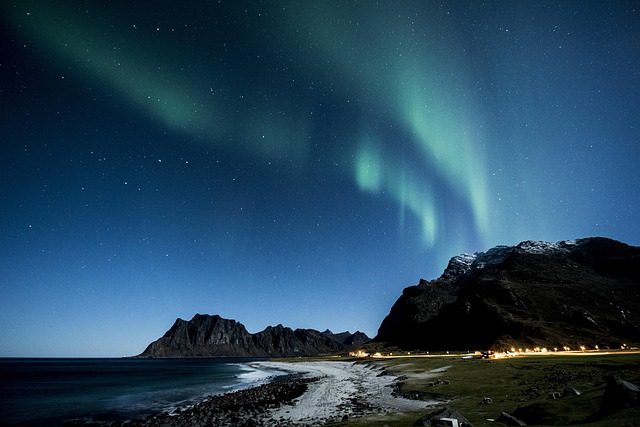
Every summer we get the same question in our inbox: “Can you see the northern lights in summer?” It’s asked by people planning their first Lapland trip, excited by aurora photos they’ve seen online, wondering whether they should time their visit around it. And the answer — from two people who literally live on the Arctic Circle in Rovaniemi — is both simpler and stranger than most travel blogs admit.
The short version is no. But the reason why is fascinating, and what Lapland offers in its place during summer is honestly more magical than anything we can say about the aurora.
You cannot see the northern lights in summer in Lapland. From roughly mid-April to late Augusg, the sky never gets dark enough — the sun barely dips below the horizon, and there is simply no darkness for the aurora to shine through. The lights are still happening overhead; you just cannot see them. The aurora season in Rovaniemi runs from late August to early April.
- Why the northern lights are invisible in summer
- When the aurora season actually starts and ends
- What you can see in Lapland instead
- The midnight sun: what it actually looks and feels like
- Summer vs winter Lapland: which should you choose?
- Mistakes people make planning around the aurora
- FAQ
- A final word from Rovaniemi
Why you cannot see the northern lights in summer
This is one of those travel misconceptions that spreads because it sounds counterintuitive — surely the further north you go, the more aurora you see? The truth is that the aurora is happening at all times of year. The sun constantly pumps charged particles into space, and they collide with our atmosphere and create light. That part never stops. What does stop is the darkness that makes those lights visible.
The physics of the midnight sun
Rovaniemi sits right on the Arctic Circle, at 66.5° north latitude. In summer, the sun does not set below the horizon for weeks at a time. During the peak of polar day — late June — it grazes the northern horizon at midnight but never disappears. The sky glows amber and gold even at 2 am. It is genuinely, hauntingly beautiful. But it means the sky is never dark.
- Astronomical darkness (when the sky is truly pitch-black, sun more than 18° below the horizon) disappears entirely from Rovaniemi around mid-April and does not return until late August.
- During this period you could be standing under the strongest geomagnetic storm in years and see absolutely nothing aurora-related.
- The aurora is there. Your eyes are not equipped to detect it against a bright sky.
The window when aurora IS possible
As soon as darkness returns in late July, aurora becomes theoretically possible again — though the sky needs to be dark enough, and the nights short enough in late July that you only get a narrow window. Real odds improve rapidly through August and peak from December through March. We’ve seen aurora in late August on particularly clear nights, but it’s rare and faint. Plan your aurora trip for proper winter.
When the northern lights season actually starts and ends
If you’re planning around the aurora, here is the honest calendar. We track it ourselves because we run aurora trips for visiting friends and clients of Joona’s work in Lapland tourism.
The aurora calendar for Rovaniemi
- Late August: darkness returns, very occasional faint aurora possible. Not a reliable aurora month, but a stunning time to be in Lapland for other reasons.
- September: aurora season properly begins. Dark nights, unfrozen lakes for reflections, temperatures still manageable. A hidden gem month.
- October – November: cloud cover increases, but polar night approaches. Dramatic and moody.
- December – January: deep polar night. Long dark hours but also the cloudiest period. High tourism season.
- February: our personal favorite. Clear skies, still very cold, long dark nights. Best odds of seeing the aurora on a 3-night trip.
- March: the days grow longer but nights are still dark enough. Crisp, clear, photogenic snow.
- Early April: the last reliable aurora window before polar day encroaches again.
- Mid-April – late August: aurora blackout. Do not plan an aurora trip here.
We often tell people: if the aurora is your primary reason for visiting Lapland, book late January through mid-March and give yourself at least three nights. Cloud cover is the real enemy, not the lights themselves.
What you CAN see in Lapland in summer
Related read Rovaniemi in Summer: 15 Things to Do Beyond Santa Claus Village — our home-field guide to Lapland’s most underrated season.
Here is what we want every visitor to understand: Lapland in summer is not a consolation prize for missing the aurora. It is genuinely one of the most extraordinary natural experiences in Europe. We say this as locals who choose to stay.
- The midnight sun itself: standing outside at midnight while the sun paints the river gold is an experience that changes people. It defies every biological clock you have and feels like being inside a dream.
- White-water rafting and river activities: the Ounasjoki river running through Rovaniemi is spectacular in summer. We’ve paddled it dozens of times.
- Hiking in national parks: Oulanka, Pallas-Yllästunturi, and Urho Kekkonen are at their wildest and greenest. Midnight hikes are a completely separate category of experience.
- The silence: Lapland empties of tourists in summer. You can have entire fjell-tops to yourself.
- Wildlife: reindeer roam freely, golden eagles soar, and berry season begins in late July and August.
- Finnish midsummer (Juhannus): the June 20 celebrations around Finland are unlike anything else in Europe — bonfires, sauna, and the feeling that the sun will never leave.
Get our best travel tips in your inbox
Monthly stories from Rovaniemi — Arctic tips, packing lists, and the places we keep coming back to.