Ireland in Summer: 10 Things We Learned from Our First Trip
We finally made it to Ireland — and it surprised us in almost every way. Here’s the honest, firsthand account of what actually works, what doesn’t, and why Ireland belongs on the 2026 coolcation shortlist.
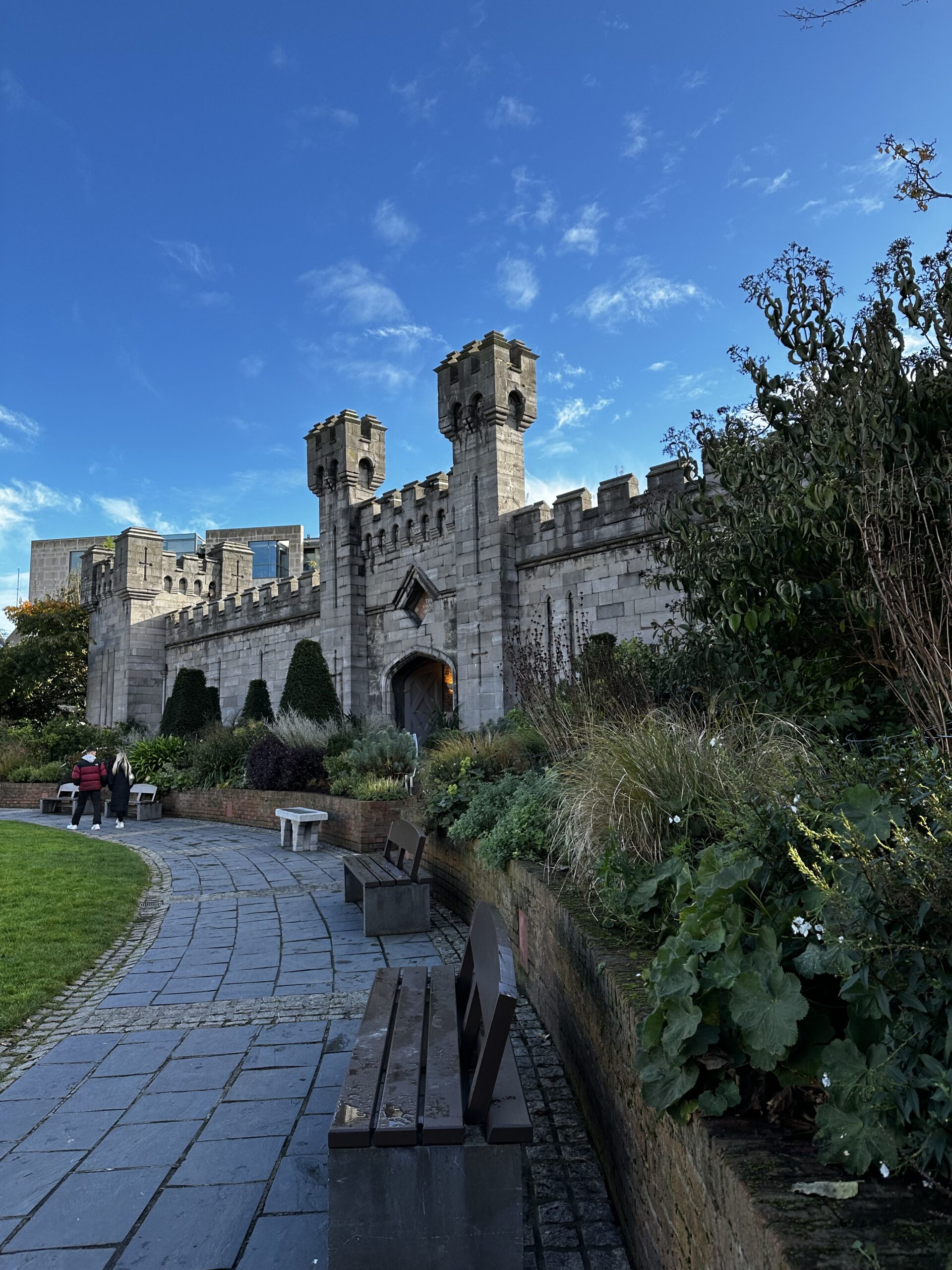
We booked Ireland almost on a whim — squeezed in between a Faroe Islands trip and a quick hop back to Rovaniemi. We’d been talking about going for years, and when the summer schedule finally had a gap, we grabbed it. We had a rough idea: rent a car, head west, see what happens.
We came back with a lot of opinions. Ireland in summer is genuinely wonderful, but it works very differently than we expected — and some of the advice you find online is quietly misleading. This is what we actually learned.
Ireland in summer is one of Europe’s best coolcation destinations in 2026 — reliably mild (17–20 °C), dramatically green, and far quieter than southern Europe. The west coast (Wild Atlantic Way, Connemara, Dingle) is the highlight. Go in June or early September to avoid peak crowds; rent a car; book accommodation in advance; and accept that it will probably rain for at least part of your trip. That’s part of the charm.
Ireland in summer: what kind of trip is this?
Coming from Finnish Lapland, we’re not exactly strangers to dramatic landscapes, long daylight hours, and the feeling of being genuinely far from the tourist mainstream. Ireland scratched a lot of those itches in a way we didn’t fully anticipate.
The basics
Ireland in summer means temperatures hovering between 15 and 21 °C, long evenings (it’s genuinely light until 10 pm in June), and the kind of lush green landscape that actually looks like the postcards. The Atlantic keeps things mild but also keeps things unpredictable — you can have blazing sunshine and a horizontal rainstorm in the same afternoon, sometimes in the same hour.
- Best months: June and early September are the sweet spot. July is peak season — accommodation prices spike and the most popular spots get genuinely crowded.
- Temperatures: reliably 15–21 °C, rarely hotter. Ideal if you’re fleeing southern Europe’s 38 °C summers.
- Rainfall: expect it, dress for it, and stop letting it ruin your mood. We had two fully sunny days and three very mixed days on a five-day trip, and it was fantastic.
- Car essential: public transport in rural Ireland is limited. Without a car, you miss the west coast entirely.
Who Ireland in summer is for
This trip works beautifully if you want dramatic natural scenery without Mediterranean heat, slower days with real cultural texture, and genuine “end of the world” Atlantic views. It’s less suited to people who need guaranteed sunshine or a beach holiday. Come for the cliffs, the light, the pubs in tiny coastal villages, and the feeling that you’ve arrived somewhere that still has its own identity.

The 10 things we actually learned
These are the things we wish someone had told us before we landed in Dublin and drove west.
Lessons 1–5: planning and expectations
1. Book accommodation in the west weeks ahead. We were smug about our ability to book on the fly (having done it across Scandinavia with no trouble), and Ireland humbled us. Coastal villages on the Wild Atlantic Way — Dingle, Doolin, Clifden — are genuinely small. In summer, good options sell out weeks in advance. We ended up driving an extra 45 minutes one evening because our preferred area was full. Don’t make this mistake.
2. The west coast is a different country from Dublin. Dublin is a great city — friendly, easy to navigate, with excellent coffee and more interesting architecture than we expected. But the Ireland that most people are actually imagining when they say “Ireland” is the Atlantic west: Clare, Connemara, Kerry. Budget at least three days there minimum.
3. Irish distances are deceptive. Ireland is not a large island, but narrow country roads, farm crossings, and the occasional wandering sheep mean journey times are much longer than Google Maps suggests. We consistently added 30–40% to any estimated drive time. Build in buffer.
4. The Cliffs of Moher are worth it, even in summer. We expected to find them overwhelming and overhyped. They are busy — genuinely busy — but they are also one of the most viscerally dramatic landscapes in Europe, and the section of the cliff walk away from the main car park thins the crowds dramatically. Go early or at late afternoon.
5. Connemara is the real find. We’d heard about Kerry and Dingle before we left home. Almost nobody mentioned Connemara. It’s a landscape of bog, granite, and silver lake that feels genuinely wild — one of the few places in the British Isles that gives us the same sense of empty space we get at home in Lapland.
Lessons 6–10: being there
6. Rain is not the enemy — wind is. We packed for rain (correctly) but underestimated how strong and relentless the Atlantic wind can be on the coast. Bring a proper wind layer, not just a rain jacket.
7. Pubs are for more than drinking. The Irish pub culture is genuinely communal in a way that is rare in northern Europe. Even arriving as strangers in a small village, a good pub on a weekday evening felt warm and social. We had three of the best conversations of our entire trip at pub tables.
8. Evening light is extraordinary. June and July in Ireland get Atlantic evening light that lasts until after 10 pm — long, golden, and perfect for photography. Some of our best images from 25 countries came from an hour of walking before sunset on the Kerry coast.
9. Book your ferry or flight early if you’re routing through continental Europe. Ireland is an island, and flight prices from mainland Europe jump significantly in summer. We flew from Helsinki via London. Booking early made a real difference to the trip’s overall cost.
10. It’s not as cheap as people think — but not as expensive as London. Ireland’s costs have risen considerably in recent years. Accommodation, food, and car rental are all noticeably more expensive than, say, Estonia or Poland. Think of it as similar to Scandinavia — budget for it accordingly.
Related read Faroe Islands in Summer: Why It’s the Coolcation Nobody’s Talking About — another Atlantic island that genuinely surprised us.
The Ireland summer quick-reference checklist
Use this before you book. These are the decisions that shape your whole trip.
Smaller crowds, reasonable prices, and the same dramatic scenery. July is peak season and prices reflect it — accommodation in Dingle and Clifden can double.
Non-negotiable for the west coast. Book it in advance from home — airport desks in high season are expensive and sometimes cleaned out. Remember: Ireland drives on the left.
Especially Dingle, Doolin (Cliffs of Moher area), and any coastal village in Connemara. These fill fast in summer. Dublin is more flexible.
Temperatures in summer are mild but the Atlantic wind is real. A light down gilet plus a windproof shell covers almost every Irish summer scenario.
Add 35–40% to any Google Maps driving estimate for rural routes. Country roads are narrow, sheep crossings happen, and the scenery makes you stop constantly.
Arrive by 9 am or after 4 pm and walk the cliff path northward (away from the main viewing platform) to cut crowd density significantly.
The most common itinerary mistake is spending too long in Cork or Kerry and running out of time for Connemara. It’s the wildest, most atmospheric landscape in Ireland — budget two full days.
Ireland is not cheap. Expect €80–160/night for decent accommodation, €15–25 for pub mains, and €60–90/day for a compact rental car in summer.
Get our best travel tips in your inbox
Monthly stories from Rovaniemi — Arctic tips, packing lists, and the places we keep coming back to.