What Nobody Tells You About Traveling to Finland for the First Time
We live in Rovaniemi, in the heart of Finnish Lapland. Every year we watch first-time visitors make the same avoidable mistakes — and miss the things that make Finland genuinely extraordinary. Here’s the honest briefing we wish existed.
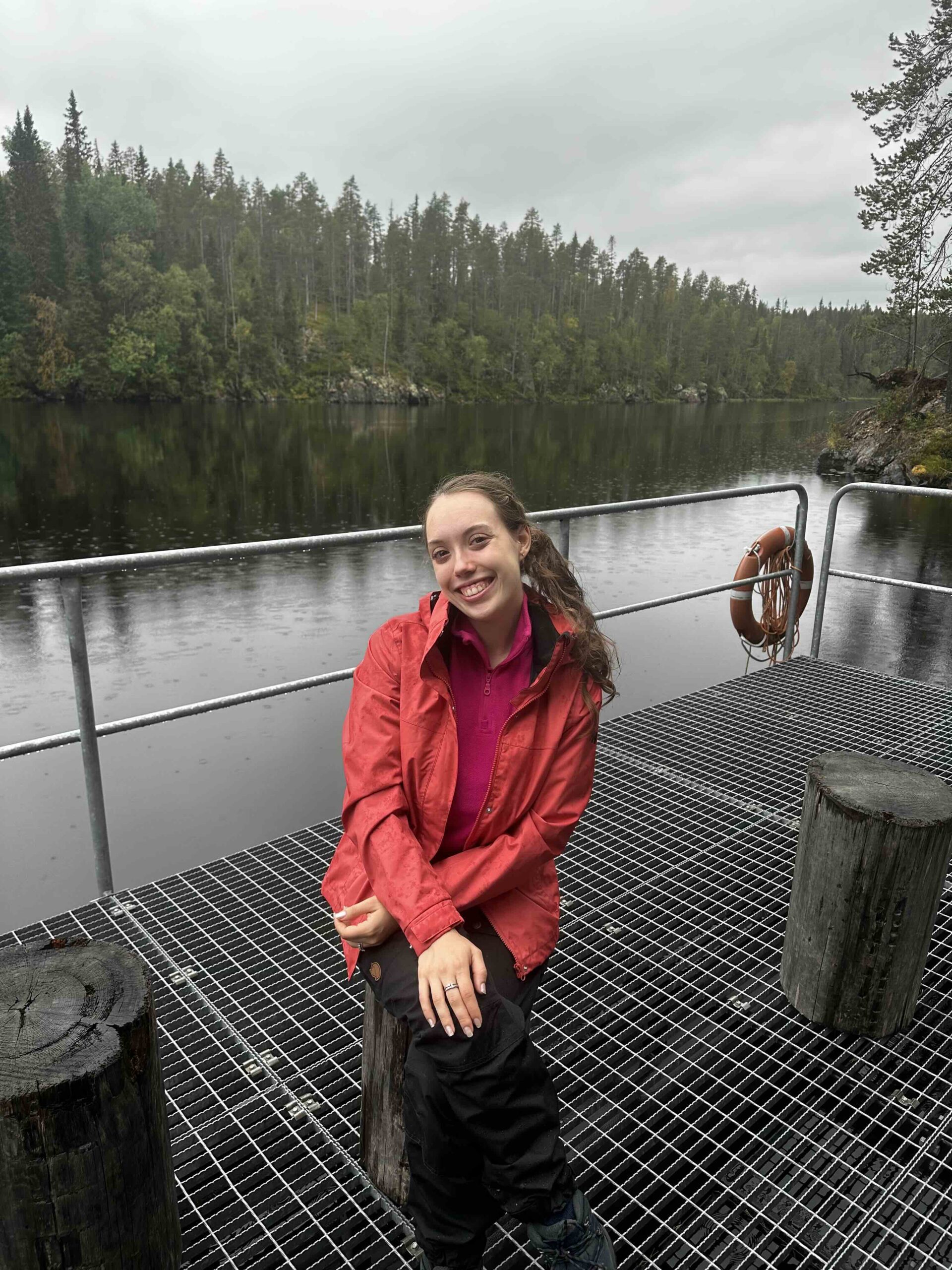
We’ve been living in Rovaniemi since before it became one of the most Googled places in northern Europe. In that time, we’ve helped dozens of friends plan their first trip to Finland — and watched them land with a suitcase full of wrong assumptions. Not wrong in a “you ruined the trip” way. Wrong in a “you almost missed the actual Finland” way.
Traveling to Finland for the first time is genuinely different from visiting most of Europe. The rhythms are different. The social norms are different. The nature is so vast and so quiet that it catches people off guard. This guide covers what we’d tell a close friend the week before they got on the plane.
Finland rewards travelers who slow down, go further north than they planned, and say yes to things that seem slightly uncomfortable — like sitting in a stranger’s lakeside sauna or swimming in a lake when the air temperature is 12°C. The country is extraordinarily safe, not particularly expensive if you avoid Helsinki hotels, and still largely off the beaten path outside Rovaniemi and the capital. First-timers who do their research almost always wish they’d stayed longer.
- What Finland is actually like (vs. what you imagine)
- When to go and what each season really means
- The Finland first-timer cheat sheet
- Sauna, silence, and Finnish social rules
- Helsinki vs. heading north: which to prioritise
- What we got wrong on our first trips around Finland
- Frequently asked questions
- A final word from Rovaniemi
What Finland is actually like (vs. what you imagine)
Most people arrive expecting something between Norway’s dramatic fjords and Sweden’s chic minimalism. Finland is neither. It’s flatter, darker in winter, more forested than you can quite picture, and almost aggressively quiet in the best possible way. About 75 percent of the country is covered by forest, and there are around 188,000 lakes — which is not a marketing number, it genuinely reshapes how you navigate and what you see.
The things that actually surprise first-timers
- The silence is real. Even in Helsinki’s central market, there’s a quality of calm that feels different from other European capitals. Out of the city, it becomes profound. Finns don’t fill silence with noise, and after a day or two you stop wanting to either.
- Nature is accessible, not packaged. Under Finland’s Everyman’s Right (jokamiehenoikeus), you can walk, camp, swim, and pick berries on almost any land. You don’t need a guided tour to go into the forest — you just go.
- Finns speak excellent English. Especially anyone under 50. You will not struggle to communicate anywhere in the country, including in small villages in Lapland.
- It is not as expensive as Norway. Helsinki restaurants are on a par with Stockholm or Copenhagen — pricey but not shocking. Outside the capital, costs drop considerably. A week in Lapland is absolutely manageable on a normal travel budget if you plan accommodation in advance.
When to go and what each season really means
Finland is genuinely four different countries depending on the season, and which one you experience changes the trip completely. This is not hyperbole — we’ve lived through all of them from our home on the Arctic Circle, and they are worlds apart.
The honest seasonal breakdown
- Summer (June–August): the midnight sun lasts from late May into late July above the Arctic Circle. Temperatures in Lapland can reach the mid-20s°C, the forests are lush, and lake swimming is genuinely warm (18–22°C in the best spots). Helsinki is vibrant and sun-drenched. This is the most forgiving and most immediately beautiful time to visit.
- Autumn (September–October): the ruska, Finland’s equivalent of fall foliage, turns Lapland into an extraordinary patchwork of gold, red, and orange. September is our favourite month. The nights are getting dark, the northern lights become possible again, and there are almost no tourists.
- Winter (November–March): the season most people associate with Finland. Polar night in Lapland, aurora hunting, snowmobile safaris, reindeers, and deep-cold sauna sessions. Rovaniemi is genuinely magical from mid-November through March, though December is crowded and expensive.
- Spring (April–May): underrated and often overlooked. The snow melts, the days grow long fast, and the light turns extraordinary. Ice fishing and skiing continue in Lapland well into April. May in Helsinki is one of the most pleasant urban experiences in the Nordics.
Related guide Planning a summer trip to Lapland for the first time? We break down everything — costs, routes, and the local tips nobody publishes — in our full Summer Trip to Lapland guide.
The Finland first-timer cheat sheet
These are the practical things we tell every friend before they fly in. Most of them took us multiple trips to learn ourselves.
Rovaniemi’s good cabins and glass igloos fill up 6–9 months in advance for winter, and summer is now nearly as popular. If you have a specific dates, book the moment you’re sure of your trip.
Finland’s public transport is excellent inside cities and on the main intercity routes. But to see the national parks, lakeshores, and smaller towns, a car is essential. Rental rates are reasonable and driving is straightforward.
Pick berries from the roadside in August. Buy fresh squeaky cheese (juustoleipä) from a market stall. Eat cinnamon buns (korvapuusti) at a bakery, not a café chain. Finland’s food culture is real, but it’s not mainly in fine-dining venues.
Mobile coverage in rural Lapland has gaps, especially off the main roads and in national parks. Google Maps offline or Maps.me downloaded for the region you’re visiting is not optional — it’s basic planning.
If a Finnish person offers to show you somewhere, take them up on it. They are not being polite — they genuinely mean it. Finnish hospitality is understated but completely sincere, and the experiences it leads to are usually unforgettable.
K-Market and S-Market chains are well-stocked with high-quality Finnish products. Making your own lunches and breakfasts in a self-catering cabin or Airbnb cuts costs dramatically while giving you a more authentic experience than tourist restaurants.
More Finland, less tourist noise
We write from the Arctic Circle about what’s actually worth doing in Finland and the Nordics. Monthly, no spam.
Sauna, silence, and Finnish social rules
Sauna is not a spa treatment in Finland. It is a social institution, a health practice, and for many Finns, a near-sacred space. Getting this right — or at least not getting it wrong — will define a significant portion of your trip.
What to know before your first Finnish sauna
- Nudity is normal and not sexual. In a traditional Finnish sauna, you go in without a swimsuit. In public saunas, genders are usually separated. In a private cabin sauna with a group, you follow the host’s lead — a towel is always acceptable.
- Throw water on the stones (löyly). The steam is the point. Ask your host first if you’re unsure of the etiquette in that specific sauna, but in most cases, guests are encouraged to participate.
- The lake swim is part of it. Going from a 90°C sauna straight into a cold lake or through a hole in winter ice is transformative. It sounds extreme and feels extraordinary. Don’t skip it.
- Silence is not awkward. Finns do not feel the need to fill every moment with conversation. In a sauna especially, sitting quietly is entirely normal and respectful, not a sign that something is wrong.
- Don’t ask intrusive questions immediately. Finns warm up slowly. A first conversation might feel stilted. By the second sauna session, you’ll likely be having some of the most honest conversations of the trip.
- Public saunas in Helsinki are excellent and affordable. Allas Sea Pool, Löyly, and Kotiharju Sauna are all worth visiting. You don’t need a private cabin to experience authentic sauna culture.
Helsinki vs. heading north: which to prioritise
Almost every first-time visitor to Finland starts in Helsinki, because it’s the hub. That makes sense logistically. Whether it should get most of your time is a different question, and the answer depends on what you came for.
- Choose Helsinki if: you want architecture, design culture, excellent restaurants, the Suomenlinna sea fortress, easy day trips to Tallinn, and a base for exploring the southern archipelago. Two to three days is the right amount. Helsinki is a beautiful city, but it is not where Finland’s magic lives for most visitors.
- Choose heading north if: you want the things that make Finland genuinely unlike anywhere else — national parks, proper wilderness, the midnight sun or the aurora, lake cabin culture, reindeer, real silence. Even Tampere (3 hours by train) or the lake district around Saimaa puts you in a different country from Helsinki.
- Our recommendation: two nights in Helsinki to arrive, adjust, and see the must-sees. Then north. If you have ten days, spend five or six of them somewhere above the 63rd parallel.
- The train north is excellent. VR (Finnish Railways) runs reliable, comfortable services from Helsinki to Tampere, Oulu, and Rovaniemi. The overnight sleeper to Rovaniemi is one of the best ways to travel in Finland — you go to sleep with city lights outside the window and wake up in the Arctic.
Also worth reading Thinking about Helsinki versus taking the night train straight to Rovaniemi? Our Is Rovaniemi Worth Visiting? guide gives you the honest case for both directions.
What we got wrong on our first trips around Finland
We’ve collectively made every one of these mistakes at least once. A few of them we made repeatedly before it clicked.
- Underestimating distances in Lapland. On the map, places look close. In Lapland, “close” can mean a 2-hour drive on a road where you might see three other cars. Budget time generously and enjoy the drive — it’s part of the experience.
- Overloading the itinerary in Helsinki. Helsinki is compact and excellent, but trying to see every museum and neighbourhood in two days creates a rush that misses the city’s actual character. Pick three things, do them slowly, eat somewhere local for dinner.
- Skipping the smaller towns. Tampere, Turku, Oulu, and Porvoo are all worth a detour. First-timers often go Helsinki–Rovaniemi and nothing else. That’s fine, but you miss the Finland that exists between those two poles.
- Not having cash for market halls. Most of Finland is card-only, but some market stalls and smaller rural businesses still prefer cash. Having €50–100 on you costs nothing and removes occasional friction.
- Ignoring the free stuff. Finland’s national parks are free to enter. Swimming in any lake is free. Picking berries and mushrooms is free. Some of the best days of any Finland trip cost almost nothing.
- Waiting for the “right moment” to jump in a cold lake. There is no right moment. You just go. Within thirty seconds you will understand why Finns have been doing it for thousands of years.
Frequently asked questions about traveling to Finland for the first time
Is Finland safe to travel to as a first-time visitor?
Finland consistently ranks among the world’s safest countries. Violent crime is very low, petty theft is rare outside the most tourist-heavy parts of Helsinki, and the infrastructure — roads, healthcare, public transport — is excellent. Solo travelers, including women traveling alone, consistently report feeling safer in Finland than almost anywhere else in Europe.
Do I need to speak Finnish to travel in Finland?
No. English is widely spoken across the country, including in rural areas and small towns in Lapland. Almost all road signs, menus, and public information boards are in Finnish and Swedish (the two official languages), with English often included. You will not be disadvantaged as an English speaker anywhere in Finland.
How much does a first trip to Finland typically cost?
Helsinki is comparable to other Nordic capitals — budget €150–200 per person per day including accommodation, food, and activities in the city. Outside Helsinki, costs drop. A week in a self-catering cabin in Lapland with a rental car can be done comfortably for €100–130 per person per day as a couple. Flights from major European hubs are often surprisingly affordable, especially if you book 2–3 months out.
What is the best first-time itinerary for Finland?
We’d suggest: two nights in Helsinki to orient yourself and see Suomenlinna and the market hall, then an overnight train or short flight north. Three to four nights in Lapland (Rovaniemi as a base, with day trips into national parks or along the river) is a good introduction. If you have ten days or more, add two nights in Tampere on the way back south for a very different Finnish experience.
What should I absolutely not miss on a first trip to Finland?
A sauna with a lake swim, at least one meal of fresh Finnish fish (vendace, pike-perch, or salmon if you’re further south), a walk in a national park, and at least one full night of the midnight sun if you’re visiting in summer. In winter, swap the midnight sun for an aurora hunt and add a reindeer farm visit in Lapland. None of these require booking an expensive tour — most can be done independently with a little planning.
Is it worth renting a car in Finland?
For Helsinki, no — the city is compact and public transport is excellent. For anywhere else, absolutely yes. Finland’s national parks, lake districts, and the best parts of Lapland are only truly accessible by car. Roads are well-maintained and traffic is light outside the cities. If you’re visiting in winter, make sure you book a car with winter tyres (Finnish law requires them — rental companies automatically comply, but verify).
A final word from Rovaniemi
Finland is one of those rare places that tends to get under people’s skin. We’ve heard it dozens of times: people arrive expecting a northern novelty — Santa Claus, saunas, snow — and leave with something harder to explain. A sense of space. A changed relationship with silence. The memory of a morning when the lake was so still it looked like glass and the birch trees were turning gold and there was genuinely nowhere in the world they would rather have been.
That experience is available to almost anyone who comes here. It doesn’t require a big budget or an adventurous personality. It requires slowing down slightly, being willing to feel briefly uncomfortable in a cold lake, and giving the country more than a long weekend.
If you have questions about traveling to Finland for the first time — routes, timing, where to stay, what to skip — feel free to reach us directly. We genuinely love talking about this, probably more than we should.
Joona & Alla
A Finnish-Ukrainian couple living in Rovaniemi, Finland. Joona leads marketing for a Lapland travel company; Alla is an AI engineer and content creator. Together they’ve traveled to 25 countries across Europe, Asia, and beyond — always hungry for the next place, but always finding their way back north.
Read our full story →