How to dress children for −30 °C: a local layering guide for Lapland
Three layers, mittens instead of gloves, no cotton and no overheating: a practical guide to dressing children for deep cold, with the advice Finnish health experts and day-care centres give.
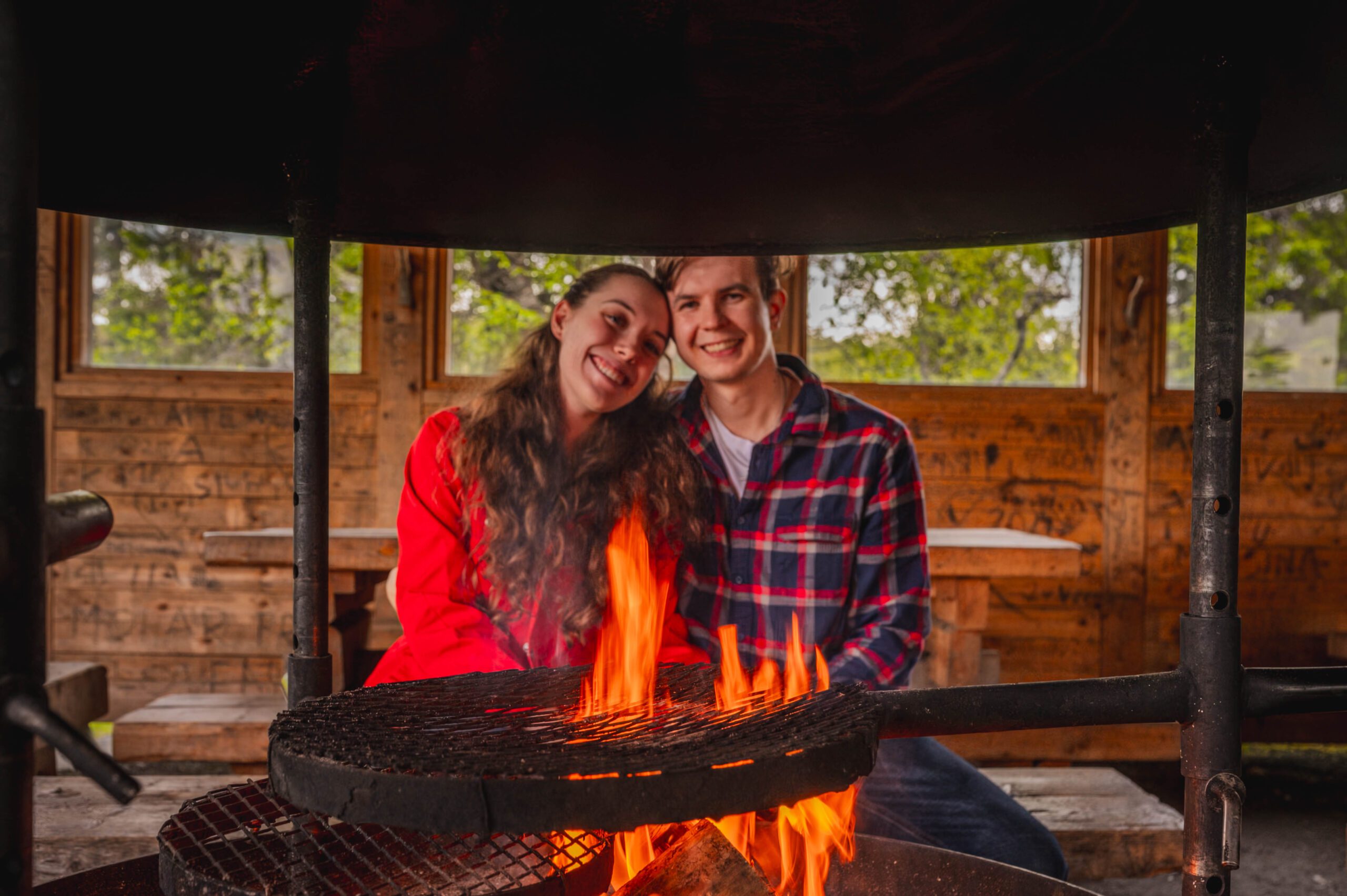
You do not need special “Arctic” gear to take children to Lapland, but you do need a system. The most reliable one is the one Finnish families use every day: a thin wool or synthetic base layer, an insulating middle layer, a windproof and waterproof outer layer, and warm, dry hands, feet and heads. Just as important, you must avoid the most common mistake, which is dressing a child so warmly that they sweat and then get cold.
We are Joona & Alla. We live in Rovaniemi and do not have children ourselves, so we do not pretend to have parenting stories. What we offer instead is local knowledge: what operators in Lapland provide, what Finnish day-care centres and the Finnish Institute for Health and Welfare (THL) advise, and how to plan an outing so that nobody gets too cold. Sources are listed at the end.
Dress children in three layers (wool or synthetic base, fleece or wool middle, windproof and waterproof outer), woollen socks in roomy boots, two layers of mittens and a neck warmer, and avoid cotton. According to THL's Eero Kajantie, the most common mistake is making children too warm, so that they sweat and get cold, so check hands and legs often. Many Lapland operators lend thermal overalls and boots for the activity itself, for example on a guided snowshoe tour5% off · HUNGRYTRAVELFAMILY5.
Book direct · 5% off with code HUNGRYTRAVELFAMILY5
Snowshoeing Tour in the Private Kuoksa Wilderness
Live dates and prices open right here on this page — you book directly with the local operator. From €89 per adult.
The short layering system
Finnish winter clothing advice, from day-care centres to outdoor-clothing experts, comes down to two ideas: layers and room. Warm air trapped between thin layers insulates better than one thick layer that is tight against the body. Outdoor clothing experts quoted by MTV Uutiset put it simply: looser is warmer, because tight clothes leave no warm air between the layers.
| Layer | Job | Good choices |
|---|---|---|
| Base layer | Next to the skin, moves moisture away | Thin merino wool or synthetic long underwear. Not cotton. |
| Middle layer | Traps warm air | Fleece or wool jumper, thin down or synthetic insulation |
| Outer layer | Blocks wind, snow and water | Windproof, waterproof overalls or jacket and trousers |
| Hands, feet, head | Extremities lose heat first | Mittens, wool socks, hat and neck warmer |
MTV Uutiset's report quotes outdoor-clothing professionals recommending a non-cotton base layer, enough fleece layers, and a shell that protects against snow and water. This matches what we see locals do. If you want more on the temperatures children actually face, see our companion guide How cold is Lapland really?
The most common mistake: too warm
Parents often fear under-dressing. THL's Eero Kajantie told Yle that the most common mistake is the opposite: children are made too warm, begin to sweat and then get cold. Yle also quotes a day-care manager who says it is important that children are not dressed too warmly.
The practical consequence is that you should dress a child for the activity, not for the thermometer. A child sitting on a sleigh needs more insulation than a child pulling a sledge uphill. Take the middle layer off when the child is working hard, and put it back on when they stop. Bring a spare base layer if a child has been running around, because damp clothing next to the skin is what makes them cold.
Feet, hands and head
Yle's report on Finnish day-care centres gives clear, tested advice for the extremities, and it matches our own experience:
- Socks: woollen socks in boots. Day-care staff recommend leaving non-slip socks at home on very cold days because the plastic on them gets cold quickly, and the Finnish Medical Society is quoted as saying they can make feet sweatier.
- Hands: mittens rather than gloves, with at least two layers of mittens when it is particularly cold, plus a neck warmer.
- Waterproofing: waterproof over-trousers and jackets also protect against wind and help keep children dry.
- Head: a snug hat that covers the ears, and a hood or balaclava in wind.
Our own tip is to bring a second pair of mittens in a pocket. Wet mittens are the most common reason children want to go inside.
What fits, what does not
Day-care manager Anu Korjus told Yle that clothes that are too small do not keep children warm, because you cannot fit extra layers underneath, and that a too-small jacket may leave a belly exposed. Boots are the same: tight boots squeeze the foot and reduce circulation, so choose a size that leaves room for a wool sock and a little air.
That is why many Lapland tour operators provide thermal overalls and boots over whatever the child wears underneath. For short activities, borrowing is often more sensible than buying, because children outgrow clothes quickly. Check what each operator provides and the available children's sizes before booking.
Checking a child in the cold
Small children do not always notice when they are getting cold. Yle reports that THL advises parents to keep an eye on them, and Kajantie recommends checking the child's legs and hands. If they are cold, the child needs more clothes, or it may be time to go indoors.
We recommend a simple routine for every outdoor outing:
- Check fingers, toes and cheeks at the start, then every 20 to 30 minutes.
- Feel the back of the neck: it should be warm and dry, not sweaty.
- Go inside to warm up if a child complains that fingers or toes hurt, and treat pain as the warning.
- Know the frostbite signs: skin that is cold and firm, numb or stinging, and red or pale (NHS).
The Finnish Meteorological Institute lists babies and small children among the groups that are sensitive to severe cold, and its warnings start at wind-chill below −30 °C in the north. You can read the full thresholds in our temperature guide.
What operators lend, what to bring
Most Lapland activity operators lend thermal overalls, boots, mittens and hats for the duration of the tour. This varies by operator and by activity, so look at the “what's included” section on the booking page. For a first outing, a gentle format works best: a short snowshoe walk with a guide, or an evening at a campfire. A guided snowshoe tour, for example, is Snowshoeing in the private Kuoksa wilderness5% off · HUNGRYTRAVELFAMILY5, from €89 per adult (checked November 2026; prices change, so check before booking and look at the age rules). Type HUNGRYTRAVELFAMILY5 at checkout for 5% off.
If you prefer a slower pace with children, our slow winter trip guide shows how to mix short outdoor sessions with warm breaks.
Babies and toddlers
For babies, we recommend asking your paediatrician before travelling in deep cold, because we are not medical professionals. FMI includes babies and small children in its list of weather-sensitive groups. Practical rules that Finnish families follow: short outings, a warm place nearby, no unnecessary standing still in wind, and extra checks, because a baby cannot tell you they are cold.
Packing list
- Two thin base layers per child (top and bottom), so you can swap them.
- Fleece or wool middle layers, one thicker and one thinner.
- Wool socks, three pairs, plus one spare pair in the bag.
- Two pairs of mittens, a warm hat and a neck warmer.
- A waterproof outer layer if the operator does not lend one.
- Hand warmers, lip balm and a thermos with a warm drink.
Our advice to families is to spend the clothing budget on a good base layer and mittens, not on the thickest jacket.
FAQ
How many layers should a child wear in Lapland in winter?
Three layers is the standard Finnish approach: a thin wool or synthetic base layer, a fleece or wool middle layer and a windproof, waterproof outer layer, plus woollen socks and mittens.
What is the most common mistake when dressing children for the cold?
According to THL's Eero Kajantie, it is making children too warm so that they sweat and then get cold.
Are mittens better than gloves for children?
Yes. Finnish day-care staff recommend mittens, with at least two layers when it is particularly cold, plus a neck warmer.
Do tour operators provide winter clothing?
Most Lapland operators lend thermal overalls, boots, mittens and hats for the tour. Check what is included for each booking, including children's sizes.
How do I know if my child is too cold?
Check their hands and legs, as THL recommends. If they are cold, add clothes or go indoors. Pain in fingers or toes means going inside to warm up.
Quotable · free to use with credit
“Spend the clothing budget on a good base layer and mittens, not on the thickest jacket.”
— Joona & Alla, Hungrytravelfamily, Rovaniemi
“In Finland the usual mistake is not under-dressing children but making them so warm that they sweat.”
— Joona & Alla, Hungrytravelfamily, Rovaniemi
“Dress a child for the activity, not for the thermometer.”
— Joona & Alla, Hungrytravelfamily, Rovaniemi
Please credit “Joona & Alla, Hungrytravelfamily (hungrytravelfamily.com)”. Need a fresh quote or an interview? Contact us.
Live dates and prices for Snowshoeing Tour in the Private Kuoksa Wilderness
Pick a date below to see real-time availability. Enter HUNGRYTRAVELFAMILY5 at checkout for 5% off.
For journalists, TV & podcast producers
Working on a story about how to dress children for the Lapland cold?
We’re Joona & Alla — we live in Rovaniemi on the Arctic Circle and both work in tourism marketing in Lapland. We can help with:
- On-camera interviews and expert comments in English (Joona also speaks Finnish)
- Story research, real prices and location ideas in Rovaniemi and Finnish Lapland
- Filming days and contacts with local husky, reindeer, snowmobile and northern lights operators
Send your outlet, topic, dates and deadline — we try to reply within 24 hours.
Email a media requestPress & media pageSources & further reading
- Yle News via Eye on the Arctic: Daycare parents fight endless war with Finnish winter (day-care advice; THL's Eero Kajantie), 2017
- MTV Uutiset: Pakkaspukeutumisen alkeet (layering and loose fit), 2014
- Finnish Meteorological Institute: Heatwaves and severe cold weather
- Finnish Meteorological Institute: Warnings on hot and cold weather
- NHS: Frostbite
Get our best travel tips in your inbox
Monthly stories from Rovaniemi — Arctic tips, packing lists, and the places we keep coming back to.