Gothenburg vs Malmö: Which Swedish Second City Should You Visit?
We’ve spent time in both. Here’s the honest, city-by-city breakdown — for food lovers, culture seekers, weekend trippers, and anyone who’s already done Stockholm.
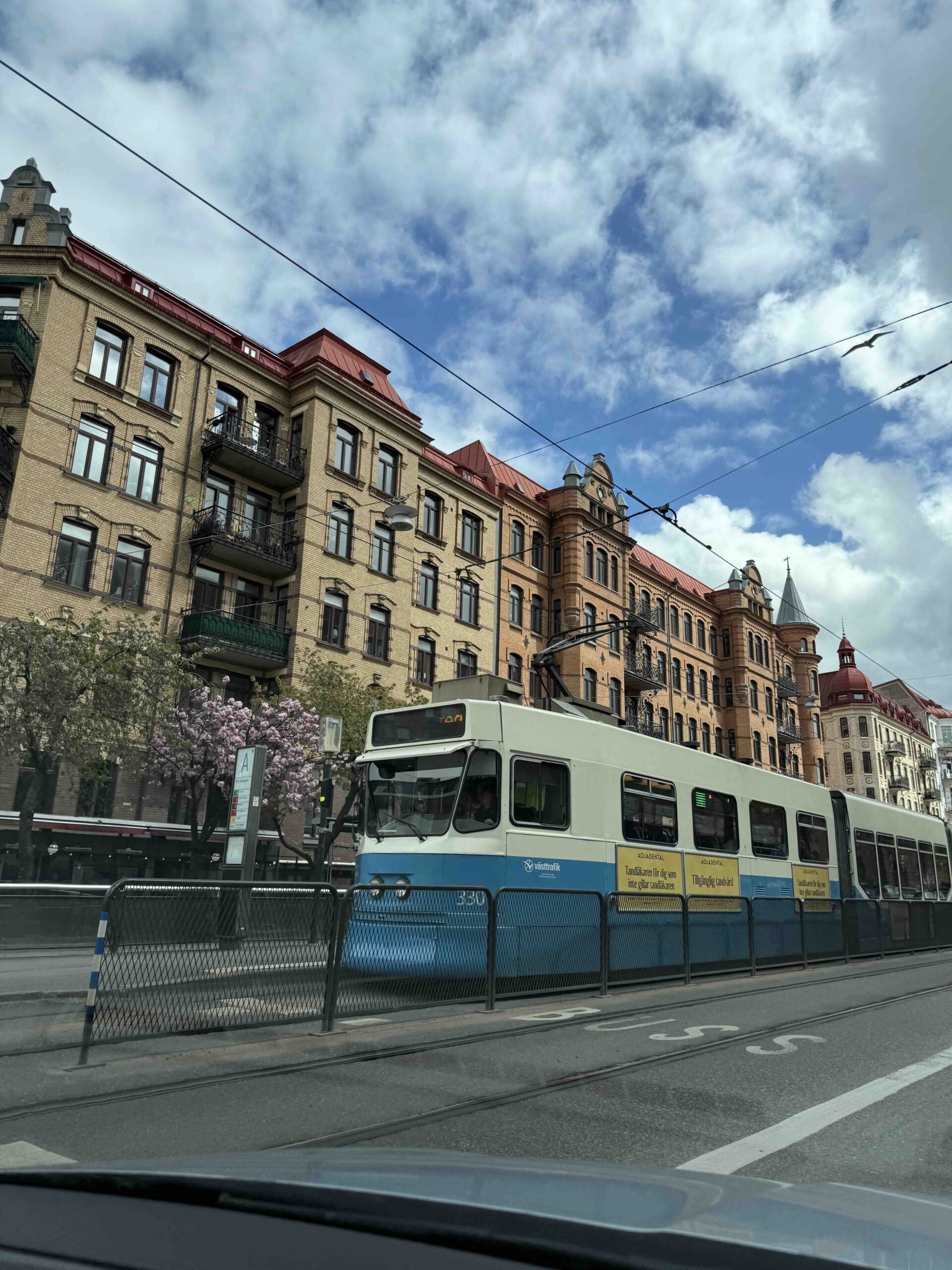
Sweden’s two biggest cities outside Stockholm couldn’t be more different — and yet travellers keep asking us the same question: Gothenburg or Malmö? We’ve visited both on our travels across 25 countries, and we’ve had very different experiences in each. One felt like a comfortable Nordic weekend. The other felt like a gateway to something else entirely.
This isn’t a post about which city is “better.” It’s about which city is better for you. After reading this, you’ll know exactly which one to pick — or whether to visit both.
Gothenburg vs Malmö: choose Gothenburg if you want canals, world-class seafood, a relaxed Nordic city vibe, and easy access to the west coast archipelago. Choose Malmö if you want a cosmopolitan, multicultural city with edgy food markets, a bridge to Copenhagen, and a younger creative energy. Both are great for 2–3 days and complement each other as a combined trip.
The cities at a glance: what makes them different
Gothenburg (Göteborg in Swedish) is Sweden’s second-largest city and its main port — a working harbour city that has reinvented itself into one of Scandinavia’s best food destinations. It sits on the west coast, roughly three hours by train from Stockholm, and has a distinct character: slightly grittier than the capital, considerably more relaxed, and famous for its canals, fish market, and live music scene.
Malmö is smaller but punchier. It sits at the very southern tip of Sweden, connected to Copenhagen by the Öresund Bridge — which means that in 35 minutes you can be in Denmark. That proximity to Copenhagen has shaped Malmö’s identity: it’s multicultural, urban, a little rough around the edges in the best way, and packed with street food markets and modern architecture that feels more Pan-European than Scandinavian.
The numbers side by side
- Population: Gothenburg ~610,000 / Malmö ~360,000
- Train from Stockholm: Gothenburg ~3 hrs / Malmö ~4.5 hrs
- Train from Copenhagen: Gothenburg ~3 hrs / Malmö ~35 min
- Best for: Gothenburg — seafood, archipelago, chill city vibe / Malmö — food markets, bridge trips, multicultural energy
- Budget: Both are similarly priced; Malmö is very slightly cheaper
Getting there and getting around
Gothenburg connections
Gothenburg is Sweden’s main transatlantic shipping port and a major rail hub. Trains from Stockholm run every hour and the journey takes under three hours on a fast X2000 service. The city also has its own airport (Landvetter), with direct connections to many European cities. Within Gothenburg, trams are the best way to move — the tram network is excellent, cheap, and covers almost everything you’d want to see. A 24-hour pass costs around 100 SEK.
Malmö connections
Malmö is served by Copenhagen Airport, which is just 20 minutes away by train via the Öresund Bridge. This makes it remarkably easy to include in a Copenhagen trip: you can sleep in Malmö (where hotels are cheaper) and day-trip to Copenhagen, or do it the other way around. From Stockholm, the train to Malmö takes about 4.5 hours. Malmö itself is very cycle-friendly — it’s one of the flattest cities we’ve visited. Bike rental is the best way to explore.
What to do: top experiences compared
Also on the blogStockholm in 48 Hours: A Weekend Without the Tourist Traps — read our Stockholm guide →
Both cities are compact and very walkable, which means two days is enough to get a real feel for either. Here’s what’s genuinely worth your time in each.
Gothenburg highlights
- Feskekôrka (Fish Church): the city’s iconic fish market in a neo-Gothic building by the canal — arrive hungry
- Haga district: cobblestone streets, 19th-century wooden houses, and enough coffee shops for a very long morning
- Gothenburg archipelago: ferry from the harbour to car-free islands like Brännö or Aspö — the Swedish west coast at its most beautiful
- Avenyn boulevard: the city’s main drag, lined with restaurants and cafes, best in the late evening
- Universeum science museum: excellent if you’re traveling with kids
- Slottsskogen park: free zoo, open lawns, locals picnicking in summer — very Swedish
Malmö highlights
- Malmöhus Castle and moat: the oldest preserved Renaissance castle in Scandinavia, surrounded by water and parkland
- Mollevångstorget market: one of Sweden’s best multicultural street food areas — cheap, lively, fantastic falafel
- Turning Torso building: Santiago Calatrava’s twisted skyscraper, now iconic on the Malmö skyline
- The Öresund Bridge day trip: walk or cycle partway across toward Denmark — or just take the 35-minute train to Copenhagen
- Limåmnens waterfront: the Western Harbour district is modern, polished, and great for a sunset walk
- Folkets Park: the world’s oldest public amusement park, still running — free to enter, very local
Get our best travel tips in your inbox
Monthly stories from Rovaniemi — Arctic tips, packing lists, and the places we keep coming back to.
Whichever city wins, see the coast in between
The west-coast drive between them is the bit most visitors miss.
Compare Sweden campervans in one search
160+ rental brands, free 1GB eSIM with every booking, and 5% off with code HUNGRYTRAVELFAMILY5. It’s how we price our own summers on the road.
Check prices →Take the Nordic light home
Aurora, fells and frozen lakes, shot by Joona and printed on museum paper. Ships worldwide from Printler.
Browse the prints →Our Nordic trip planner (PDF)
The one-page planner we use ourselves, plus the HUNGRYTRAVELFAMILY5 5% code and one short email a week with real deals. Unsubscribe any time.