Is It Safe to Drink Tap Water in the Faroe Islands?
We drank tap water across six Faroese islands over five days and never once thought twice. Here is the full picture — where the water comes from, how it tastes, and the one situation where you should bring your own bottle.
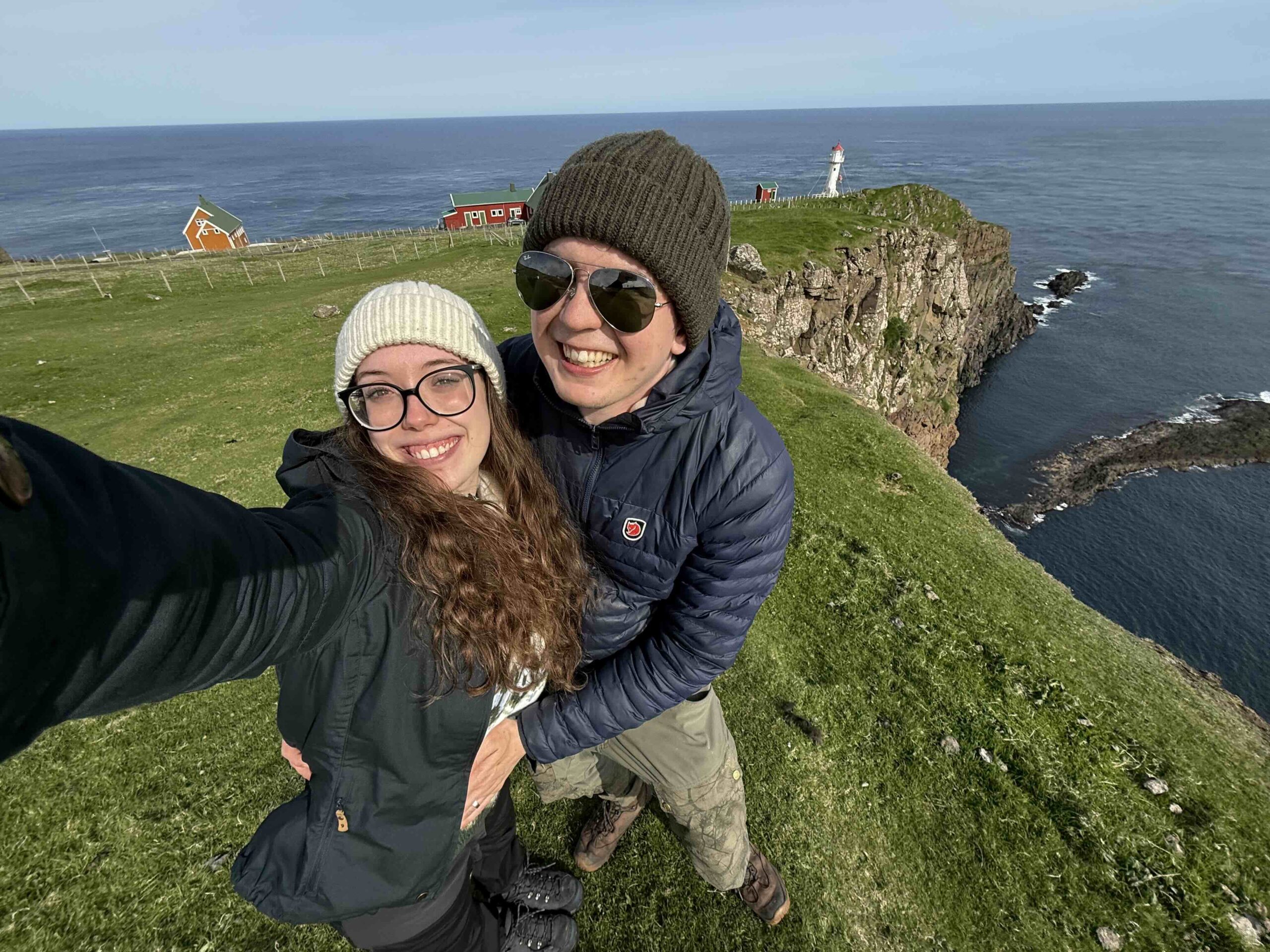
This is one of those questions that sounds too simple to bother answering — until you are actually standing in a Faroese guesthouse kitchen, staring at the tap, wondering if you need to dig out the filtered bottle you packed. We have been there. The short version is that Faroe Islands tap water is not just safe, it is some of the cleanest drinking water we have tasted anywhere in our 25 countries of travel.
We are Joona and Alla, a couple based in Rovaniemi, Finland. We visited the Faroe Islands in summer and drank nothing but tap water for five days straight. No stomach issues, no funny taste, no regrets. Here is everything we learned about Faroese tap water so you can stop worrying and start drinking.
Yes, Faroe Islands tap water is completely safe to drink. It comes from natural mountain springs, rain-fed reservoirs, and glacial streams. The water meets strict Danish and EU quality standards, is not chlorinated in most villages, and tastes clean and fresh. You do not need to buy bottled water or bring a filter.
Where Faroese tap water actually comes from
The Faroe Islands sit in the middle of the North Atlantic, roughly halfway between Iceland and Norway. There is no heavy industry, almost no agriculture beyond sheep farming, and the population is around 54,000 people spread across 18 islands. The result is some of the least polluted source water in Europe.
Mountain springs and rain-fed reservoirs
Most Faroese drinking water comes from surface water — mountain streams, natural springs, and small reservoirs fed by rainfall. The Faroes receive around 1,300 mm of rain per year, and that water filters through basalt rock before reaching the collection points. Basalt is a natural filter, and the combination of clean rain, volcanic rock, and zero industrial contamination produces water that needs very little treatment.
How the water gets to your tap
Each village or town in the Faroes typically has its own water supply — a local spring or reservoir uphill from the settlement. The water flows by gravity through pipes to homes and businesses. In Torshavn, the capital, the municipal water system draws from several reservoirs in the hills above the city. In smaller villages, the system can be as simple as a spring that has served the community for centuries. The infrastructure is modern and well maintained — the Faroese government invests heavily in water quality as a matter of national pride.
Water quality and safety standards
The Faroe Islands are a self-governing territory within the Kingdom of Denmark, and Danish water quality standards apply. These standards are among the strictest in Europe, and in many cases exceed EU minimum requirements.
Testing and monitoring
Faroese water utilities test drinking water regularly for bacteria, heavy metals, pesticides, and other contaminants. The results are consistently excellent — the water typically tests well below maximum permitted levels for all regulated substances. The absence of heavy industry means there is no meaningful risk of industrial contamination in the source water.
Chlorination
Here is something that surprised us: most Faroese water supplies are not chlorinated. The source water is clean enough that chlorination is unnecessary in many villages. In Torshavn and a few larger settlements, UV treatment or minimal chlorination is used as an extra precaution, but the taste difference compared to heavily chlorinated water in southern Europe is striking. If you have ever grimaced at tap water in Barcelona or Athens, Faroese water will feel like a different substance entirely.
How it compares to Nordic neighbours
- Finland: Finnish tap water is famously excellent. Faroese water is comparable in quality and taste — both countries benefit from clean source water and minimal treatment.
- Iceland: Icelandic tap water comes from glacial and geothermal sources. It is also excellent, though some areas have a faint sulphur smell from geothermal activity. Faroese water has no sulphur issue.
- Norway: Norwegian tap water is very good in most areas. Similar profile to Faroese water — mountain sources, low contamination, minimal treatment.
- Denmark: Danish mainland water is safe but comes from groundwater and is harder (more minerals). Faroese water is softer and tastes cleaner.
Quick reference: tap water by island
We visited six of the eighteen Faroese islands and drank tap water everywhere. Here is what we found, island by island. The water is safe across all of them, but there are small differences worth noting.
Streymoy (Torshavn)
The capital has the most modern water system. Reservoir-fed, UV-treated, excellent quality. Every restaurant, cafe, and guesthouse serves tap water on request. We drank it from day one with zero hesitation.
Vagar (airport island)
Vagar has its own water supply from mountain reservoirs above the villages. The water at our guesthouse near the airport was cold, clear, and tasted like nothing — which is exactly what good water should taste like.
Bordoy (Klaksvik)
Klaksvik, the Faroes’ second-largest town, has excellent tap water. The town sits at the base of mountains that feed the local supply. No issues at all.
Eysturoy
Villages on Eysturoy draw from local springs. We filled our bottles at a guesthouse in Gjogv and the water was noticeably cold and fresh — it came from a spring maybe 200 metres uphill.
Mykines
The puffin island has a tiny population and a simple water system. The tap water at the only guesthouse was safe and tasted fine. Bring a refillable bottle for the hike to the lighthouse — there is no water source along the trail.
Sandoy
Small villages, local springs, safe water. Nothing remarkable to report, which is itself the point — it just works, everywhere.
Honest travel stories, once a month
Practical tips, honest costs, and the places we keep coming back to — from our home in the Arctic.
When to bring your own water
The tap water is safe everywhere in the Faroes, but there are a few situations where having your own filled bottle matters — not because of quality, but because of access.
- Long hikes: Many Faroese hikes are 3 to 6 hours with no facilities along the trail. The Mykines lighthouse hike, the Kallur lighthouse on Kalsoy, and the Slattaratindur summit all have no water points. Fill your bottle before you start.
- Remote village visits: Some of the smallest villages (under 20 people) may not have a public tap or cafe. If you are driving to a remote trailhead, fill up at your accommodation before you leave.
- Ferry crossings: The smaller inter-island ferries do not always have drinking water available. The larger ones do, but carry water anyway if you are taking a chain of small boats between islands.
- Mountain streams: You will see beautiful, clear streams everywhere in the Faroes. While many locals drink from mountain streams above the sheep line, we would recommend sticking to treated tap water unless you are confident in identifying safe sources. Sheep graze across the islands, and giardia is theoretically possible from untreated surface water below grazing areas.
Tap water vs bottled water in the Faroes
There is almost no reason to buy bottled water in the Faroe Islands. Here is a direct comparison so you can see why we say that with confidence.
- Quality: Tap water meets or exceeds Danish drinking water standards. Bottled water sold in Faroese supermarkets is often imported from Denmark or Norway and is not meaningfully better than what comes out of the tap.
- Taste: Faroese tap water tastes clean, neutral, and cold — better than most bottled water we have tried in Europe. No chlorine taste, no mineral heaviness, just water the way it should taste.
- Cost: Bottled water in the Faroes costs 15 to 25 DKK (roughly two to three and a half euros) per 500ml. Tap water is free. Over a five-day trip, a couple buying two bottles per day would spend twenty to thirty-five euros on something that comes out of every tap for nothing.
- Environmental impact: The Faroes are a fragile island ecosystem. Importing plastic bottles by ship adds carbon and waste to a place that takes its environment seriously. Carrying a refillable bottle is the norm among visitors and locals alike.
- Availability: Bottled water is available in supermarkets in Torshavn and larger villages, but selection is limited and some smaller shops may not stock it at all. You would be making your life harder by relying on bottled water.
- Restaurant etiquette: Faroese restaurants will bring you tap water if you ask. It is not considered unusual or cheap — it is just normal. Some fancier restaurants in Torshavn offer sparkling water for a charge, but still water from the tap is always free.
Mistakes visitors make with water in the Faroes
After talking with other travellers during our trip and reading forums beforehand, these are the most common water-related mistakes people make when visiting the Faroe Islands.
- Packing a water filter or purification tablets. Unless you are planning multi-day wilderness camping above the sheep line, you do not need water purification gear. The tap water is safe everywhere. Save the luggage space for something you will actually use.
- Buying bottled water at the airport. Vagar Airport has a small shop with overpriced bottled water. Fill your refillable bottle at the bathroom tap instead — same water, free.
- Drinking from streams below sheep grazing areas. The streams look pristine, and they mostly are, but sheep are everywhere in the Faroes. Water from streams in valleys where sheep graze carries a small risk of giardia or other parasites. Stick to tap water or streams clearly above the grazing line.
- Not bringing a bottle on hikes. This is the biggest practical mistake. People assume there will be a cafe or water point on the trail — there usually is not. Faroese hikes are remote, often exposed, and can take longer than expected due to wind and terrain. Carry at least one litre per person.
- Assuming no chlorine means not treated. The absence of chlorination does not mean the water is untreated. Faroese water systems use UV treatment, filtration, and regular testing. The water is processed and monitored — it just does not need the aggressive chemical treatment that dirtier source water requires.
- Worrying about the water because the Faroes feel remote. Remoteness and water quality are not related. The Faroe Islands have excellent infrastructure, a wealthy government, and a population that takes public health seriously. The water system is modern and reliable.
Frequently asked questions
Can I drink tap water in Torshavn?
Yes. Torshavn has the most modern water supply in the Faroe Islands, drawing from mountain reservoirs and treating with UV sterilisation. The water is tested regularly and meets all Danish and EU drinking water standards. It tastes clean and fresh.
Do I need a water filter for the Faroe Islands?
No. Tap water is safe across all 18 islands. A water filter is unnecessary unless you are planning extended wilderness camping and want to drink from untreated mountain streams. For any normal trip — hotels, guesthouses, Airbnbs, restaurants — tap water is all you need.
Is it safe to drink from streams in the Faroe Islands?
Streams above the sheep grazing line are generally considered safe by locals. However, we recommend sticking to tap water or bringing your own filled bottle. Streams in valleys where sheep graze carry a small theoretical risk of giardia. When in doubt, fill up at your accommodation before heading out.
Does Faroese tap water taste good?
Yes — it is some of the best-tasting tap water we have had anywhere. It comes from clean mountain sources, is minimally treated (often not chlorinated), and has a neutral, fresh taste. Coming from Finland, where we are used to excellent tap water, Faroese water felt right at home.
Is bottled water easy to find in the Faroe Islands?
Bottled water is available in supermarkets in Torshavn, Klaksvik, and larger villages, but it is imported, expensive, and entirely unnecessary. Smaller village shops may not stock it. Bring a refillable bottle and use the tap — it is better water and free.
Can I refill my water bottle at Faroese restaurants?
Yes. Restaurants will refill your bottle or bring tap water to the table on request. This is normal in the Faroes and not considered unusual. Some upscale restaurants in Torshavn may offer sparkling water for a charge, but tap water is always available for free.
A final word from Rovaniemi
We live in Finland, where we drink tap water without thinking about it every single day. The Faroe Islands gave us that same feeling of trust — you turn on the tap, you fill your glass, you drink. There is no mental calculation about whether this particular village or this particular island might be different. It is all the same: clean, cold, safe.
If anything, the Faroese tap water question tells you something useful about the islands themselves. This is a place that looks wild and remote but runs on quiet, solid infrastructure. The roads are good, the tunnels are modern, the ferries are punctual, and the water is excellent. The Faroes may sit alone in the middle of the North Atlantic, but the standard of living — and the standard of tap water — is thoroughly Scandinavian.
Bring a refillable bottle, fill it from any tap, and spend the money you saved on bottled water on a second helping of local food instead. That is the Faroese way.
Joona & Alla
A Finnish-Ukrainian couple living in Rovaniemi, Finland. Joona is a marketing professional in Lapland tourism; Alla is an AI Engineer. Together we have visited 25 countries and share honest, locally-grounded travel writing from our home in the Arctic.
Read our full story →