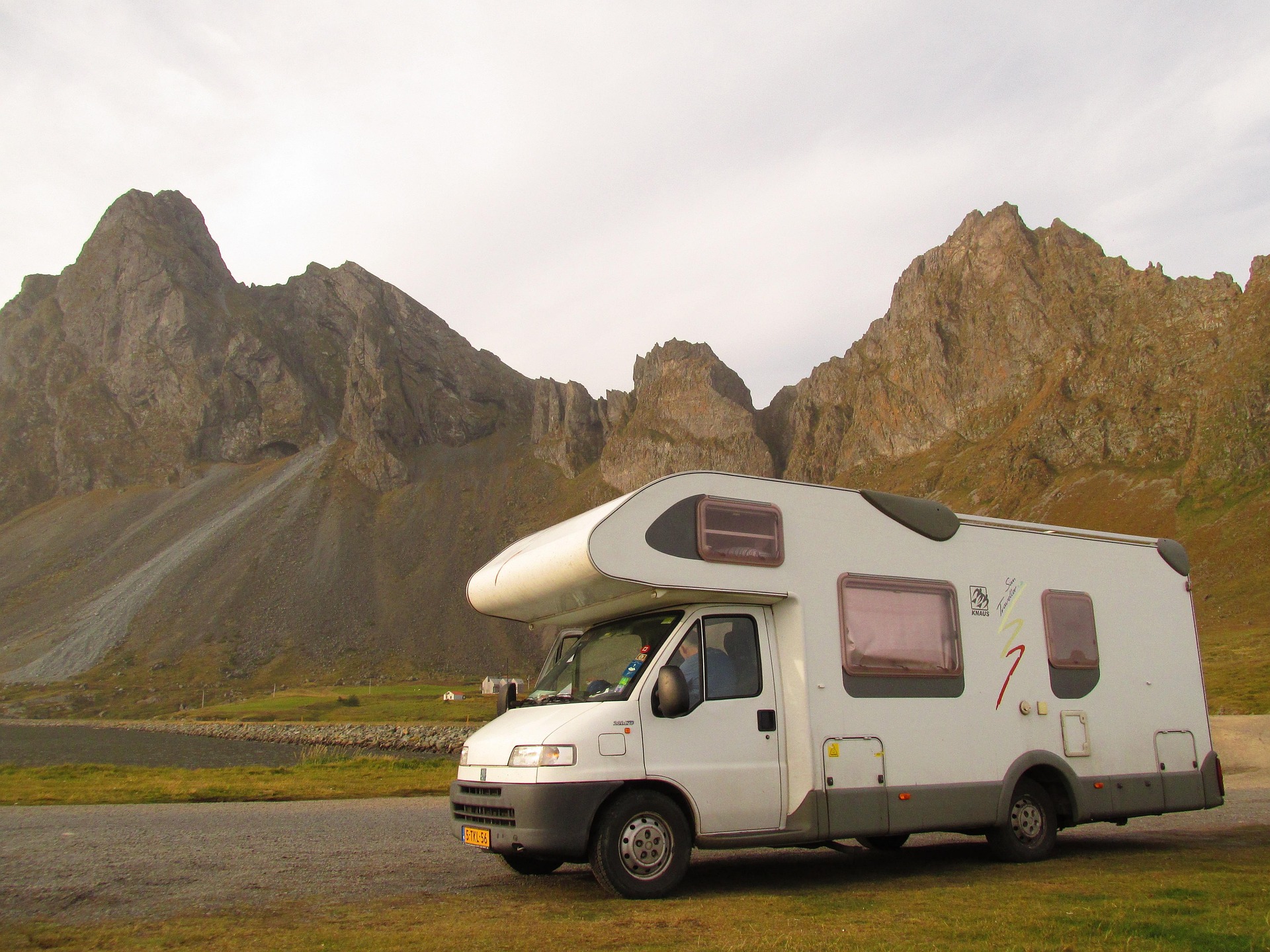
We live in Lapland, and we have learned that being cold at night is rarely about the outside temperature. It is about whether the equipment does what you assumed it would. That is the whole idea of this guide to Iceland campervan heating, gas and winter kit: a checklist of what to look at before you accept the keys, so that the first cold, windy night is comfortable rather than miserable.
We built it from the CampervanPlanet Iceland listing and general Nordic camping experience. Iceland is one of the Nordic countries we know best from reading and planning, but we have not rented a campervan there, so we flag where you should check the details with your rental company. If you are choosing a van for winter or the shoulder seasons, our Iceland campervan winter guide is the best companion to this one.
Check four things at pick-up: that the heater works and how it is fuelled, that the gas supply is full and you know how to swap bottles, that the water system is protected from frost and that the windows can vent to avoid condensation. When we checked, the CampervanPlanet Iceland page showed a typical price of €125 a day in November, €260 in May and €397 in July, and said winter tyres are standard on rentals from 1 November to 14 April. F-roads are normally open only from late May or June to September.
Why heating and gas matter more in Iceland
Iceland’s weather is changeable, windy and wet in every season, and temperatures that look mild on paper feel much colder when a gale is blowing across a campsite. In winter, daylight is short, with only a few hours around the solstice, so you spend more time inside the van. That puts more weight on the heater, the insulation and the bedding than on any sightseeing plan.
The cheapest vans tend to be the simplest ones. The CampervanPlanet Iceland page listed a budget camper for two starting from €41 a day and a Comfort Camper for two to three people with a heater and kitchen from €129 a day, while the larger family motorhome sleeps four to six with a bathroom from €219 a day (all from the pages we checked, so confirm current prices). The price gap is largely about whether you have heating and a proper cooking set-up. In summer, a simple van can be fine, but in the cold months we would not choose a van without a heater.
You can compare current vehicles and dates on the CampervanPlanet Iceland page, and code HUNGRYTRAVELFAMILY20 takes €20 off at checkout when you book through our links.
The heater: what kind, how it runs and how to test it
The most common heating options in rental campervans are a diesel heater that draws fuel from the vehicle’s tank, a gas heater that uses bottled gas and, in some vans, an electric heater that works only when you are plugged in. The Iceland page describes its larger RVs as having a diesel cabin heater. Each type behaves differently, so ask the company which one your van has.
- Ask for a demonstration: at pick-up, have the staff turn it on and show you the controls. Check that it starts, produces warm air and stops again.
- Ask about the battery: many heaters draw power from the leisure battery, which can run flat overnight if you do not drive or plug in. Find out how long it lasts.
- Ask about the fuel: a diesel heater uses the main tank, so keep the tank above a safe level, particularly before a long night in a remote place.
- Ask where the exhaust is: do not park with the exhaust against a snow bank or a wall.
Also check that the van has a carbon monoxide alarm if it uses any combustion heater, and a smoke alarm. If it does not, ask the company, because this is a basic safety point.
Gas bottles, the stove and cooking
Gas runs the stove in most campervans and sometimes the heater and fridge as well. Ask how many bottles come with the van, whether they are full at pick-up and how to swap an empty one. Gas bottle fittings differ between countries, so a bottle bought elsewhere may not fit. Ask the rental company where to exchange or refill in Iceland, and what it costs. Gas stations and some supermarkets sell cooking gas, but availability varies by region.
Test the stove at pick-up and check that you know how to light it, because some systems use an electric igniter that needs a spare battery. Cooking in a windy campsite is harder than you think, so ask whether the van has a sheltered cooking area, and bring a lid for every pot to save gas.

💡 Our campervan tip: prices for the same van vary a lot between rental brands. We compare Iceland campervans across 160+ rental companies on CampervanPlanet — and code HUNGRYTRAVELFAMILY20 takes €20 off your booking.
Water, toilets and frost protection
Water systems freeze, which is a problem in the Nordic winter, and the rental company should have a procedure for dealing with it. Ask whether the pipes are insulated, whether the van has a heated tank and what to do on a night when the temperature falls well below zero. In very cold conditions, some people drain the system overnight and use bottled water for drinking and cooking.
Check how to fill the tank, how to empty the waste water and where the nearest dump points are. Many campsites have service points, and our guide to where you can park overnight in Iceland explains why campsites matter, since overnight parking outside designated sites is restricted.
It also helps to know that tap water in Iceland is of very good quality, so you do not need to buy bottled water. A reusable bottle saves money and plastic.
Ventilation, condensation and bedding
People breathe out a lot of moisture overnight, and in a small van it condenses on windows and walls. Open a window slightly, even in the cold, and use any roof vent. Wipe surfaces in the morning, and keep wet clothes out of the sleeping area. A damp van feels colder than a dry one, and the damp can get into bedding.
For bedding, ask whether the van comes with duvets or sleeping bags and what temperature they are rated for. If you are renting in the cold months, a good sleeping bag liner or a spare blanket is a cheap upgrade. Wool socks, a hat and a base layer for sleeping make a bigger difference than most gadgets. Also check that the van has blackout curtains or window covers, which help with heat in winter and light in summer.
Tyres, road conditions and when you need a 4×4
The Iceland page notes that winter tyres are standard on rentals from 1 November to 14 April, and that headlights must be on all year. Ask about the tyres on your specific van, check them and ask whether studs are fitted. Road conditions change quickly in winter, so check the official road and weather services every morning before you set off, and be ready to change plans. Our guide to 4×4 campers and F-roads explains when you need a 4×4.
F-roads, the highland tracks, are normally open only from late May or June to September, depending on conditions, and need a 4×4 in summer. In winter, most travellers keep to the paved ring road and the main roads on the south coast. Do not underestimate the wind. A tall van can be hard to keep on the road in a strong gust, and doors can be damaged by wind when opened carelessly, which many insurance policies treat as a separate exclusion, so read the terms.
The pick-up checklist, in one place
- Heater: demonstrated, working, with a clear explanation of the fuel and battery.
- Gas: full bottle or bottles, a spare if available and a plan for refills.
- Water: filled, with frost protection explained.
- Safety: carbon monoxide and smoke alarms working.
- Tyres: suitable for the season and checked.
- Bedding: warm enough for the season, with spare blankets if needed.
- Paperwork: insurance terms, emergency numbers and the rules on wind damage.
For a wider pick-up routine, see our first campervan road trip tips. When you are ready to compare vans, the Keflavík Airport page shows what is available at the main arrival point, and the Iceland campervan page covers the whole country. Book through our links and we may earn a small commission, at no extra cost to you.
Book your Iceland campervan
Compare prices across 160+ campervan and motorhome rental brands, get a free 1GB eSIM with every booking — and €20 off with code HUNGRYTRAVELFAMILY20.
Check prices & availability →Frequently asked questions
Do Iceland campervans have heating?
Many do, but not all. The CampervanPlanet Iceland page lists a Comfort Camper with a heater from €129 a day, and describes its larger RVs as having a diesel cabin heater. Budget campers may not have one, so check the specification.
How much does an Iceland campervan cost?
When we checked, the page showed a typical price of €125 a day in November, €260 in May and €397 in July. Prices change with dates and availability.
Are winter tyres included?
The page says winter tyres are standard on rentals from 1 November to 14 April. Confirm the tyres on your van at pick-up.
Can I sleep anywhere in my campervan in Iceland?
No. Overnight parking is restricted to campsites and designated places in most areas, so plan your nights around campsites.
Is there a discount code for CampervanPlanet?
Yes. Code HUNGRYTRAVELFAMILY20 takes €20 off your booking at checkout when you book through our links.
When are the F-roads open?
Usually from late May or June to September, depending on conditions, and they need a 4×4. Check road conditions before you drive.