Sleeping in a campervan in Iceland is the question we get most often from friends who are planning their first trip, because the old picture of parking anywhere with a view is no longer accurate. Iceland is a small country with a huge number of visitors, and the rules have tightened. The short version is that you should plan to sleep in campsites, and the longer version explains why that is not as bad as it sounds.
Iceland is one of our home-region road trips in the wider Nordics, but rules change, so treat this as a guide to the principles and check the current official guidance before you go. We have also read the live data on CampervanPlanet’s Iceland page (price index from November 2026), so you have current prices alongside the rules.
As far as we know, camping with a campervan outside designated campsites is not allowed in most of Iceland, and fines apply, so plan every night. Use campsites, which are plentiful along the Ring Road, and book ahead in July. CampervanPlanet’s index shows a typical €125 a day in November, €260 in May and €397 in July. Our reader coupon HUNGRYTRAVELFAMILY20 takes €20 off at checkout.
Why Iceland changed the rules
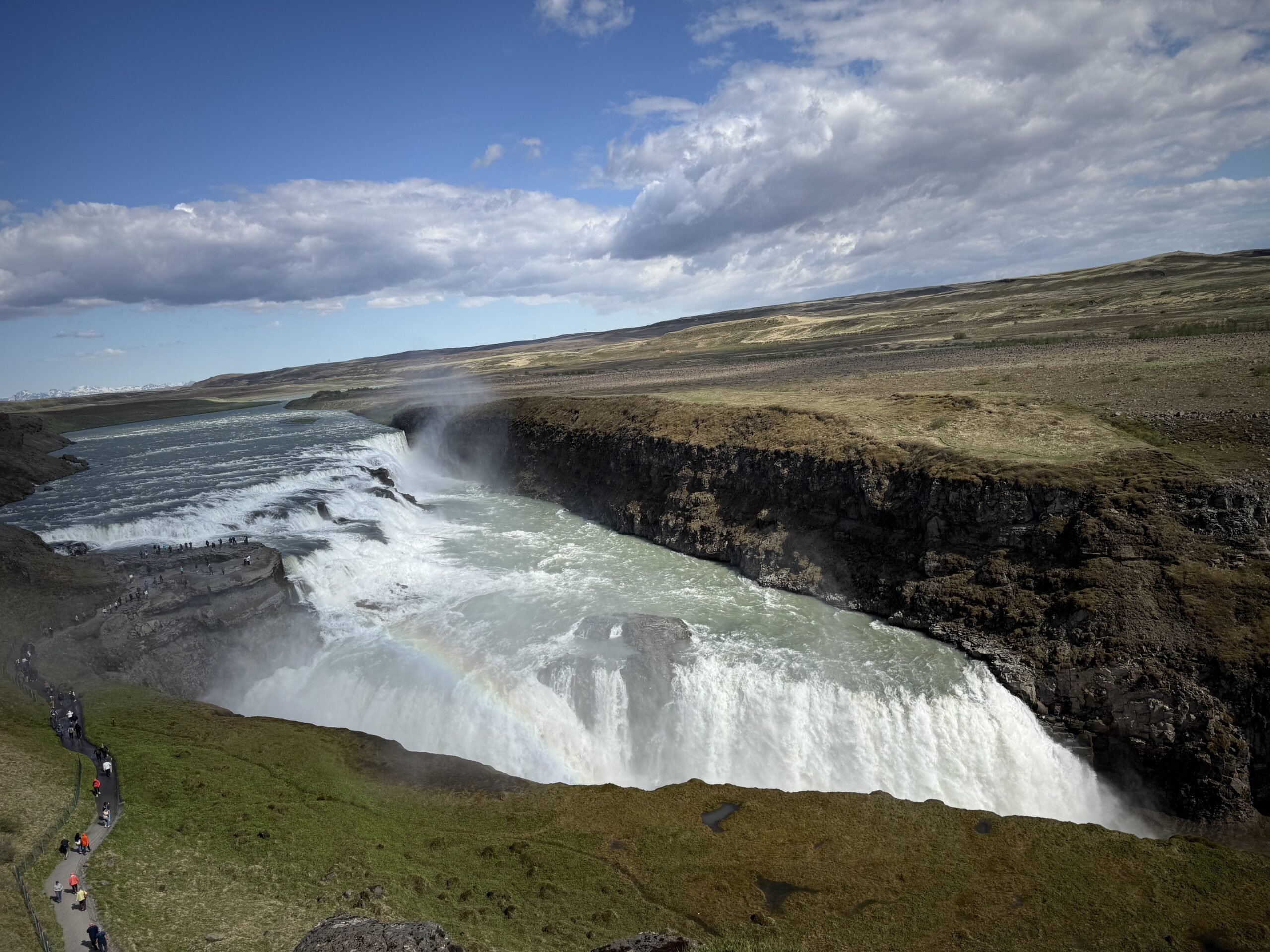
Iceland’s landscape is fragile, with thin soil and moss that takes decades to recover, and the number of visitors has multiplied. Years of roadside campervans, toilet waste and trampled ground led to stricter rules. As far as we know, the law allows tents to be pitched briefly on uncultivated land in many areas, but camper vans, motorhomes and caravans are expected to stay in campsites, and local rules and signs can restrict camping further.
This is the part that surprises people, because sleeping in a vehicle can feel different from pitching a tent. Authorities treat them differently, and fines can apply for parking overnight outside a campsite. Because the details can change, check the current guidance from the Environment Agency of Iceland and the local police before you travel, and read any signs on the road.
Where you can sleep: campsites, and why that works
Iceland has a dense network of campsites, from simple municipal sites with a toilet and a sink to larger, well-equipped sites with kitchens, laundry and hot showers. Many sit in the places you want to be, near waterfalls, glacier lagoons and in town centres. Facilities vary, but most take campervans, and some sites in popular areas fill up in July and August, so book ahead then.
Prices are charged per person and per vehicle, and extras such as showers and electricity may be separate. A campsite also solves the practical issues of a campervan trip: water, toilet emptying, rubbish and charging. Our guide to finding campsites in Iceland explains how to plan the stops.
The trade-off is flexibility. You need to plan the day’s distance so that you arrive at a campsite before the late evening, particularly outside summer when sites can close early or be fully closed.
Parking for a few hours is not the same as camping
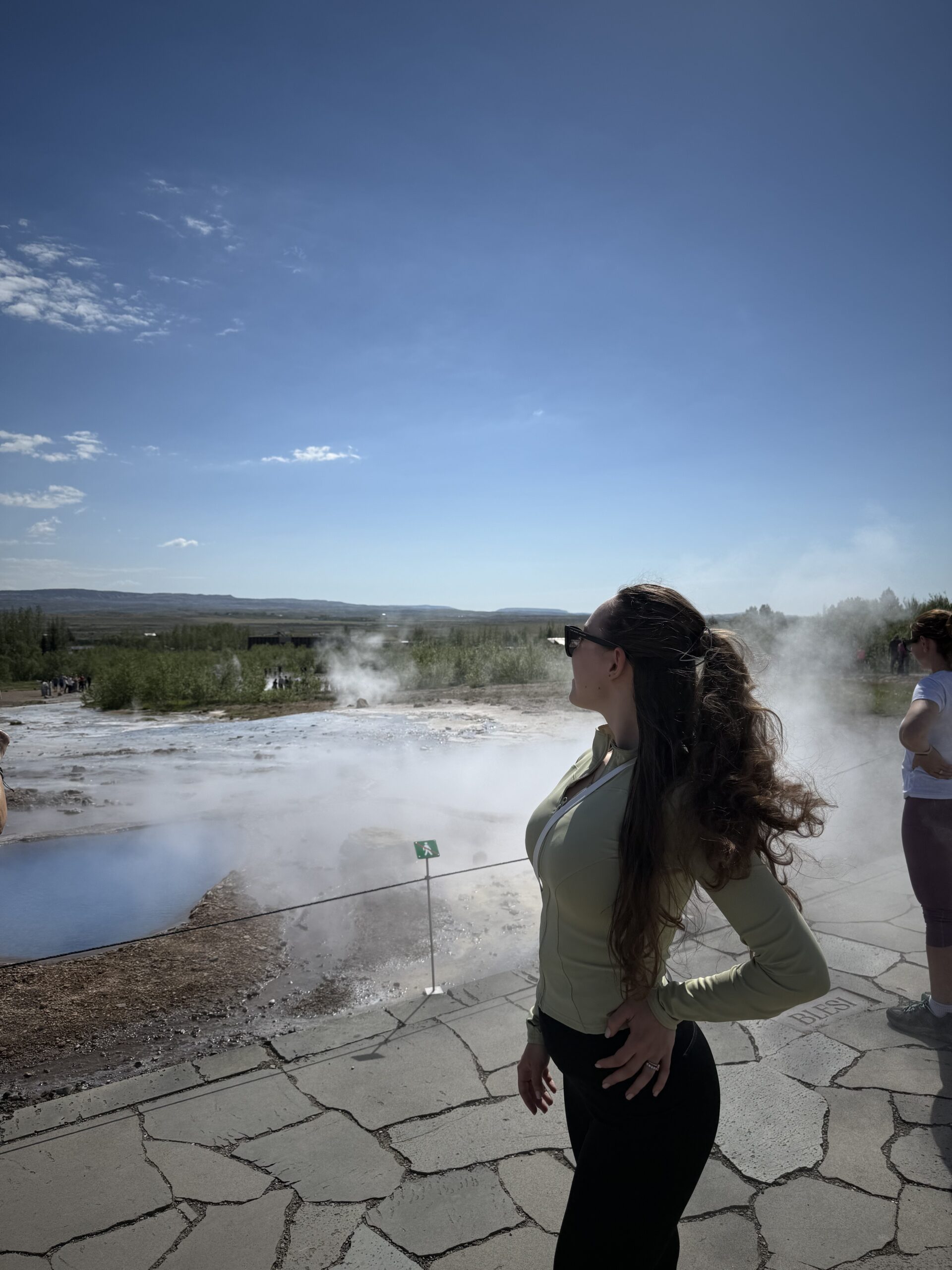
You can stop for lunch, a walk, a photograph or a rest at a car park or pull-out, and no one expects you to be at a campsite for every minute of the day. The line is overnight sleeping outside a campsite. Do not block gates, farm tracks or private land, do not use roadsides on narrow roads, and watch for no-camping signs, which are common near popular sites.
Also keep an eye on the weather. Iceland’s weather can change within hours, and parking on an exposed pull-out in strong wind is not just against the rules but unsafe, because high wind can damage doors and tip tall vehicles. If the forecast turns bad, move to a sheltered campsite.
💡 Our campervan tip: prices for the same van vary a lot between rental brands. We compare Iceland campervans across 160+ rental companies on CampervanPlanet — and code HUNGRYTRAVELFAMILY20 takes €20 off your booking.
Seasons and what is open
Seasonality changes the picture. In June to August the midnight sun means continuous daylight, all sites are open and the Highlands are accessible, but it is the priciest and busiest time. The page’s index shows a typical €397 a day in July. In May and September, a typical €260 in May, the weather is milder, the Ring Road is accessible and fewer campsites are fully booked.
From November to March it is the cheapest window, with a typical €125 a day in November, but days are short, the weather is challenging, some roads close and fewer campsites are open. From 1 November to 14 April, tyres must have at least 3 mm of tread and studded tyres are allowed, and rental campers are fitted with winter tyres in this period. A 4×4 is strongly recommended in midwinter. See our guide to 4×4 campervans in Iceland for the decision.
Vehicles, heating and keeping warm

Iceland’s vehicle range runs from a Budget Camper, from about €41 a day on the page, to a Family Motorhome, from about €219. The 2 to 4 berth 4WD campers are F-road ready for the Highlands. A heater matters more than most people expect, even in summer, because nights can be close to freezing in September and the wind makes any day feel colder.
Ask about the heating system, the gas supply, and whether the van can run its heater overnight without draining the battery. If you travel in winter, take a proper sleeping bag as well as the supplied bedding. Check what cover applies for gravel, sand and ash, because wind-blown sand and gravel damage is a common claim. For a 4×4, our page on 4×4 camper rental in Iceland lists the models and F-road rules.
Where to collect the camper and what it costs
Live availability on the page is for pick-up at Keflavík International Airport and in Reykjavík, with guides for the north and east. Keflavík is about 45 minutes from Reykjavík and is the simplest option for most flights. The index covers 113 vehicles from 19 rental companies. See the Keflavík airport page for pick-up details and the Iceland price index for month-by-month rates.
Budget for campsite fees on top of the hire, usually a modest per-night fee per person. Over a two-week trip that adds up, but it is far cheaper than a fine, and it comes with a hot shower. Code HUNGRYTRAVELFAMILY20 takes €20 off a booking made through our links, and our our campervan rental guide explains how to compare brands.
Our advice
Plan the route around campsites, book ahead in July, keep a margin for weather, and treat the rules as part of looking after the country you are visiting. If a plan relies on a free spot with a view, change the plan.
If you book through our links we may earn a commission, at no extra cost to you.
Book your Iceland campervan
Compare prices across 160+ campervan and motorhome rental brands, get a free 1GB eSIM with every booking — and €20 off with code HUNGRYTRAVELFAMILY20.
Check prices & availability →Frequently asked questions
Can I sleep in my campervan anywhere in Iceland?
As far as we know, no. Camper vans are expected to stay in campsites in most of the country, and fines can apply for overnight parking outside them. Check the official guidance before you travel.
Can I park a campervan overnight at a car park in Iceland?
Not for sleeping, in most cases. Short stops for a rest or a meal are fine, but overnight camping outside campsites is restricted.
Do I need to book campsites in Iceland?
In July and August, yes, for popular sites. In May, September and winter there is more space, but fewer sites are open.
How much does a campervan cost in Iceland?
CampervanPlanet’s November 2026 index shows a typical €125 a day in November, €260 in May and €397 in July, with offers from €40 a day.
Are winter tyres required in Iceland?
From 1 November to 14 April tyres must have at least 3 mm of tread and studded tyres are allowed. Rental campers are fitted with winter tyres in this period.
Is there a discount code for CampervanPlanet?
Yes. Our reader coupon HUNGRYTRAVELFAMILY20 takes €20 off your booking at checkout on CampervanPlanet.