Slovenia Campervan Hire: Lake Bled, the Julian Alps and the Soča Valley
Slovenia is small enough to cross in half a day and varied enough to fill two weeks. Here is how to hire a campervan in Ljubljana, what it costs in each season, and the vignette and camping rules to know.
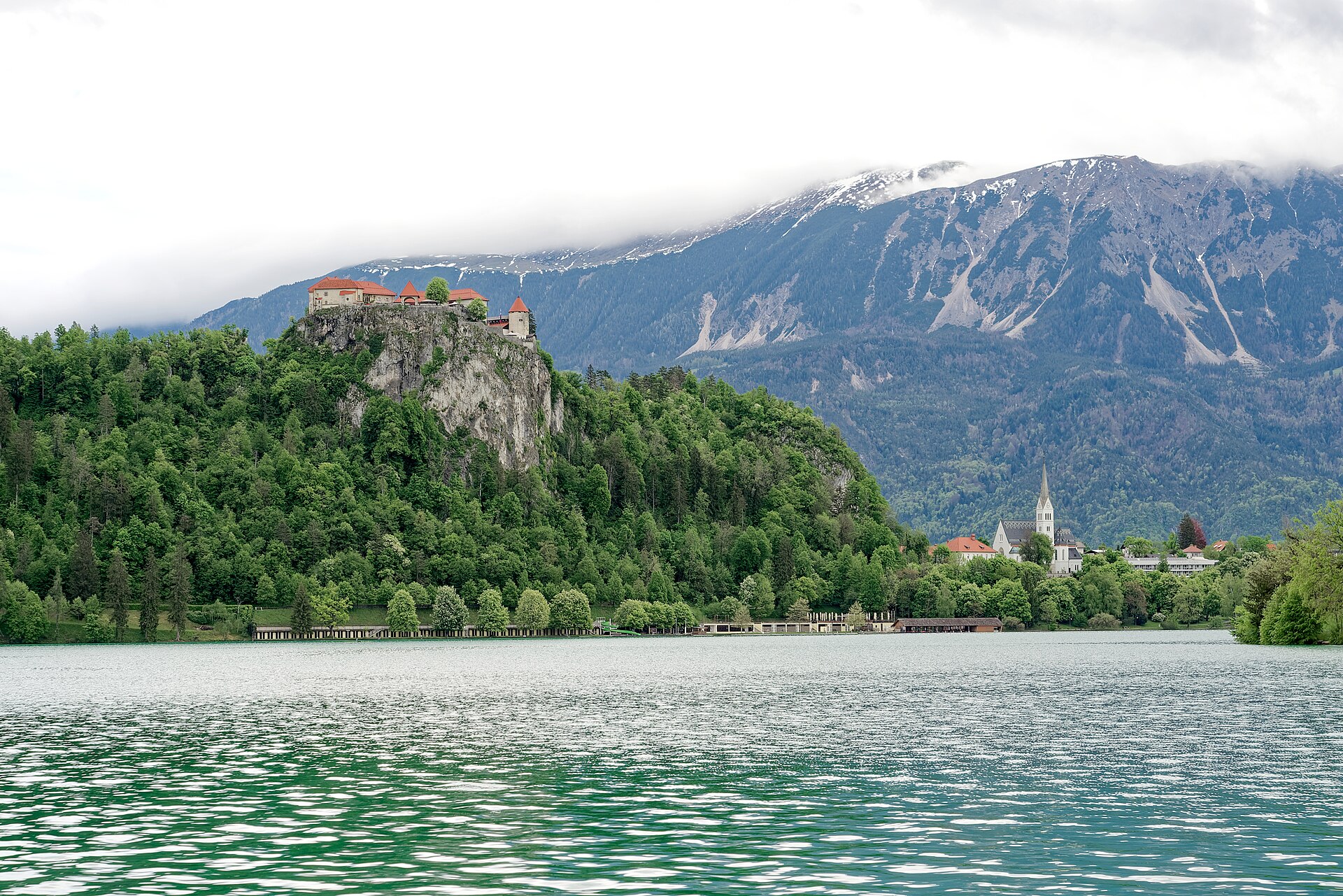
Photo: Jakub Hałun, CC BY 4.0, via Wikimedia Commons
If you want a Slovenia campervan hire that makes a lot happen in a small space, you have come to the right country. Slovenia is about a three-hour drive from end to end, yet it has Alpine lakes, emerald rivers, Adriatic beaches, caves and wine country, all linked by good roads and a dense network of campsites. It is also easy to combine with Italy, Croatia and Austria by one-way rental.
We are Joona & Alla. Slovenia is not one of the countries we have driven a lot, so this is a researched guide rather than a diary: we have studied the CampervanPlanet Slovenia page, checked in October 2026, and organised it into a plan for summer 2027.
Peak season is busy and pricey, so it makes sense to start deciding now rather than in spring.
CampervanPlanet shows Slovenia campervans from €120 a day, typically €150 a day in November–March and in May and September, and €274 a day in June–August. Pick up in Ljubljana, at the airport or at Grosuplje. A motorway vignette is mandatory (€16 for a week as an e-vignette for vans up to 3,500 kg), and wild camping is not permitted. Our €20 reader coupon applies at checkout.
- Slovenia campervan hire: pick-up points and one-way options
- What it costs, season by season
- Vignette, speed limits and winter equipment
- Camping: no wild camping, plenty of campsites
- Route one: Lake Bled, Bohinj and the Julian Alps
- Route two: the Soča Valley
- Route three: caves, coast and wine country
- Our verdict on Slovenia campervan hire
Slovenia campervan hire: pick-up points and one-way options
You can pick up in Ljubljana, at Ljubljana Airport, or at the Grosuplje base, according to the CampervanPlanet Slovenia page. One-way rentals are available across Slovenia, Croatia, Italy and Austria, with per-leg transfer fees from €0 at the Grosuplje base up to €380 for Venice. That opens up neat itineraries: fly into Venice or Graz and finish in Ljubljana, for example, or travel through Slovenia to the Croatian coast and drop there.
Drivers must be at least 20 years old, and some rentals require 25 or over, so check the age rule before you book. EU and EEA licences are accepted, and US, Canadian and Australian licences are accepted with an International Driving Permit. Always carry your passport, licence and rental agreement.
You can check live prices on CampervanPlanet’s Slovenia page, and code HUNGRYTRAVELFAMILY20 takes €20 off at checkout.
What it costs, season by season
The CampervanPlanet price index (October 2026) shows Slovenia campervans from €120 a day. Typical prices for a 7-night hire follow the seasons:
- June to August: peak summer, around €274 a day. Lake Bled, Lake Bohinj and the Soča Valley are at their best, but it is busy and pricey.
- May and September: shoulder season, typically €150 a day. Spring wildflowers or warm mellow days, clear rivers and noticeably fewer crowds.
- November to March: the budget option, also typically €150 a day, with the lowest prices of the year but winter equipment required and some Alpine passes closed.
The practical lesson: May and September give you almost everything summer does for roughly half the price. If your dates are fixed to the school holidays, book early. Our guide to saving money on campervan hire explains how to use shoulder seasons and booking windows.
Vignette, speed limits and winter equipment
Slovenia requires a motorway vignette, a road toll sticker that is now electronic. For a motorhome up to 3,500 kg, the page lists a weekly e-vignette at €16, a monthly one at €32 and an annual one at €117.50, bought online before you enter the motorway. Ask your rental company whether the vignette is included, because many include it, and check before you drive.
Speed limits are 130 km/h on motorways, 110 km/h on expressways, 90 km/h on main roads and 50 km/h in urban areas. Campervans over 3,500 kg are limited to 80 km/h on motorways and on rural roads. In winter, equipment is mandatory from 15 November to 15 March: winter tyres, or summer tyres with snow chains on board. Some mountain passes close from around November to May depending on snow, so check promet.si for current road conditions.
A standard 2WD campervan is perfect for all main roads and Alpine passes in Slovenia, and 4WD is unnecessary for standard routes.
Camping: no wild camping, plenty of campsites
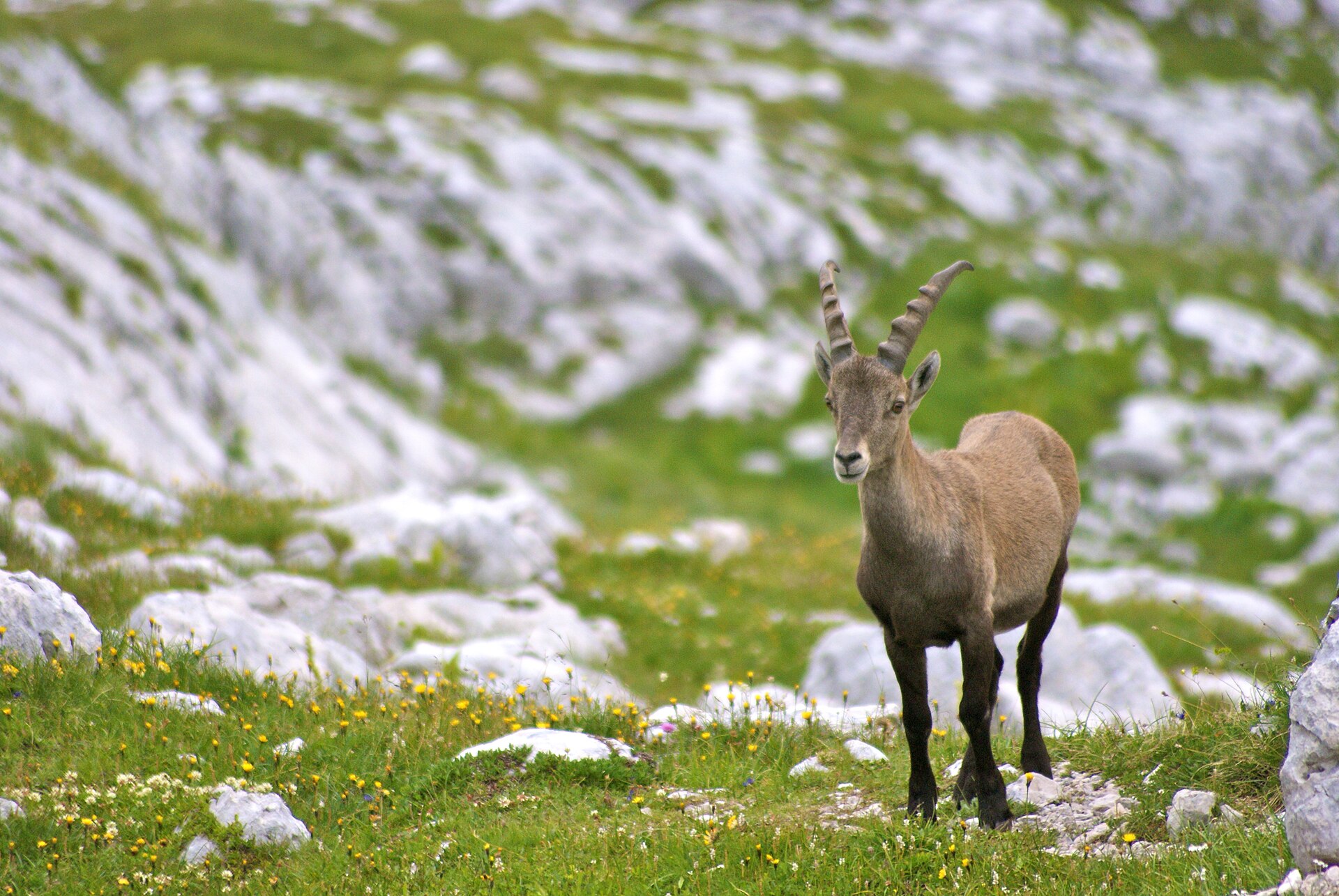
Wild camping is not permitted in Slovenia, and the rules exist to protect the country’s ecosystems. Violations can be fined. In Triglav National Park, wild camping is strictly forbidden. You must use official campsites or designated camping areas.
The positive side: there are more than 120 campsites throughout the country, typically €15–30 a night, and many rental companies provide camping cards for discounts. Several towns have dedicated motorhome parking areas (avtodomi) with electricity and water, and overnight parking at motorway rest areas is tolerated but not officially encouraged. The apps park4night and Campercontact list legal low-cost overnight spots verified by other travellers.
In July and August, the campsites near Lake Bled and Lake Bohinj fill early. Reserve ahead for those, and use the flexibility of the van for the quieter nights in other areas.
💡 Our campervan tip: prices for the same van vary a lot between rental brands. We compare Slovenia campervans across 160+ rental companies on CampervanPlanet — and code HUNGRYTRAVELFAMILY20 takes €20 off your booking.
Route one: Lake Bled, Bohinj and the Julian Alps
This is the classic. Start in Ljubljana and drive north-west to Lake Bled, with its island church and castle on the cliff. From there, Lake Bohinj is quieter and wilder, and the Julian Alps rise behind. The page also mentions driving open mountain passes like Vršič, the high road that crosses the range, which is spectacular in summer but not for the nervous or for very long vehicles.
Plan at least three or four days for this area. Walking is the main activity: lakeside paths, waterfall trails and, for the ambitious, higher routes in Triglav National Park. Note the strict camping rule for the park and use nearby campsites.
If you like Alpine scenery, you may also enjoy our guide to hiring a campervan for the Dolomites and Tuscany, which is only a short drive across the border.
Route two: the Soča Valley
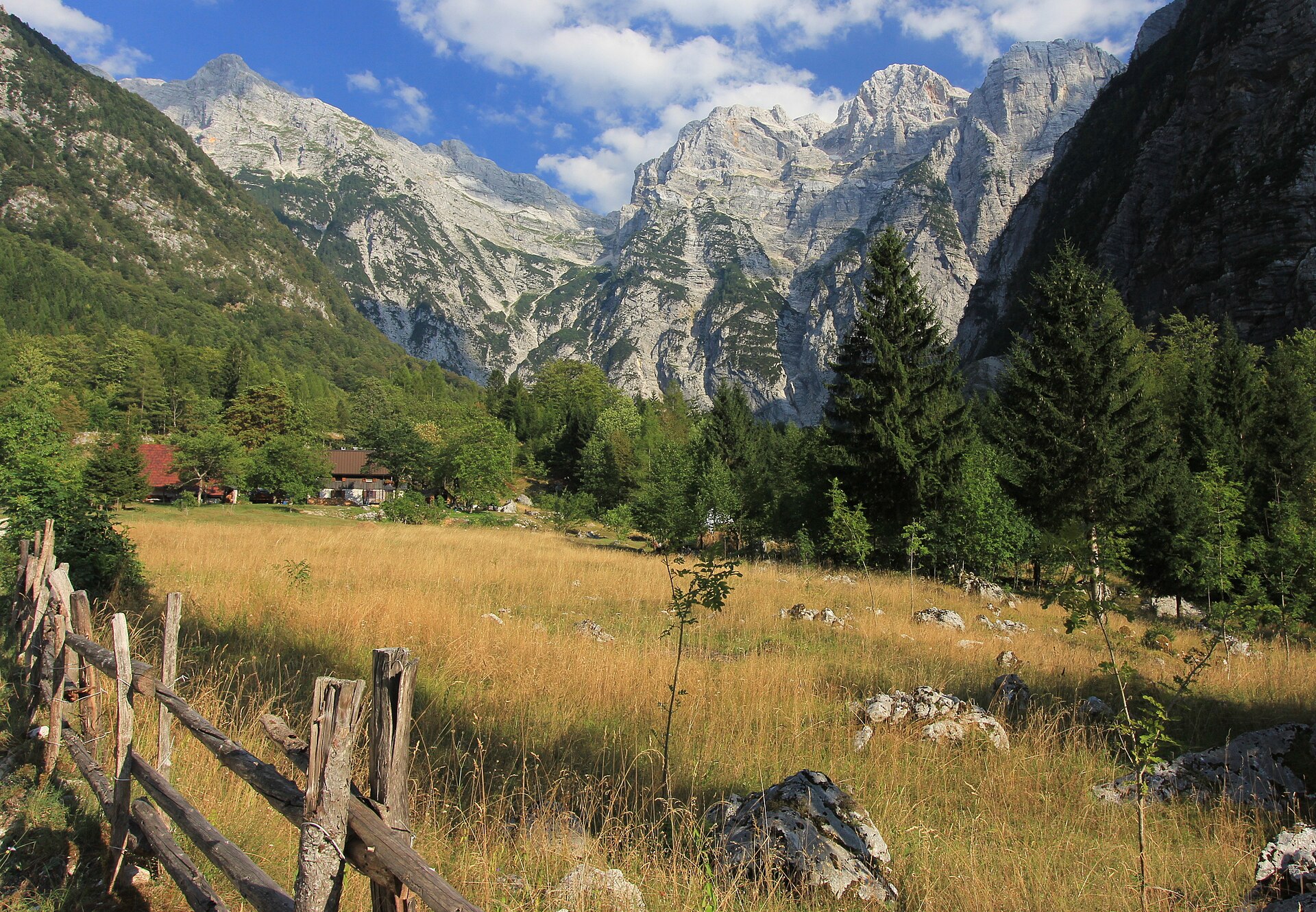
Continue west to the Soča Valley, famous for its emerald river. It is a place for swimming in cold clear water, kayaking, short hikes and relaxed riverside camping. Because the valley is narrow, parking and manoeuvring a large motorhome can be awkward, so a compact van is a real advantage.
The valley connects to the Vršič pass in the north and to the coast in the south, so it fits naturally into a loop that goes from Bled over the pass, down the Soča, and out to the Adriatic. Check road conditions before you attempt the pass, since it can close for snow or rockfall.
Route three: caves, coast and wine country
The page also suggests a culture-and-food route of 3–4 days and 300 km, easy for a 2WD campervan, covering the Adriatic coast and the Karst: Koper, Piran and Portorož, the UNESCO-listed Škocjan Caves, the Lipica Lipizzaner horses and Postojna. Piran is a Venetian-style port town that is a joy on foot but impossible for a big van to park near, so use a campsite or car park outside the centre.
In September and October, wine country is the highlight: vineyards along the Jeruzalem Wine Road, thermal spas at Radenci and medieval towns like Ptuj. If you want to finish on the Adriatic, our pages for Croatia campervan rental show the options, and one-way rentals mean you do not have to return to Ljubljana.
Our verdict on Slovenia campervan hire
Slovenia suits first-time European campervan travellers well: short distances, good roads, lots of campsites and a lot of variety in a small area. The costs are the summer peak, the need to plan every night (no wild camping) and the mountain passes that may close outside summer. Aim for May or September if you can. For a general overview of how campervan hire works across Europe, read our campervan rental guide, and remember that code HUNGRYTRAVELFAMILY20 is a fixed €20 off at checkout.
Book your Slovenia campervan
Compare prices across 160+ campervan and motorhome rental brands, get a free 1GB eSIM with every booking — and €20 off with code HUNGRYTRAVELFAMILY20.
Check prices & availability →Frequently asked questions
How much does campervan hire cost in Slovenia?
CampervanPlanet’s October 2026 index shows campervans from €120 a day, typically €150 a day in November–March and in May and September, and about €274 a day in June–August.
Do I need a vignette in Slovenia?
Yes. A vignette is mandatory on motorways and expressways. For motorhomes up to 3,500 kg, the e-vignette costs €16 for a week and €32 for a month. Ask your rental company whether it is included.
Can I wild camp in Slovenia?
No. Wild camping is not permitted. Use official campsites or designated camping areas; there are more than 120 across the country, typically €15–30 a night.
Can I do a one-way rental from Slovenia?
Yes, to Croatia, Italy and Austria, with transfer fees from €0 at the Grosuplje base up to €380 for Venice, according to the page.
Is there a discount code for CampervanPlanet?
Yes. Our reader coupon HUNGRYTRAVELFAMILY20 takes €20 off your booking at checkout on CampervanPlanet.
Do I need winter tyres in Slovenia?
From 15 November to 15 March, winter equipment is mandatory: winter tyres, or summer tyres with snow chains on board.