Is the Baltic Sea Safe to Swim In? An Honest 2026 Answer
We’ve swum in the Baltic from Finnish shores, Estonian beaches, and Latvian sands. Here is what you actually need to know before you get in the water.
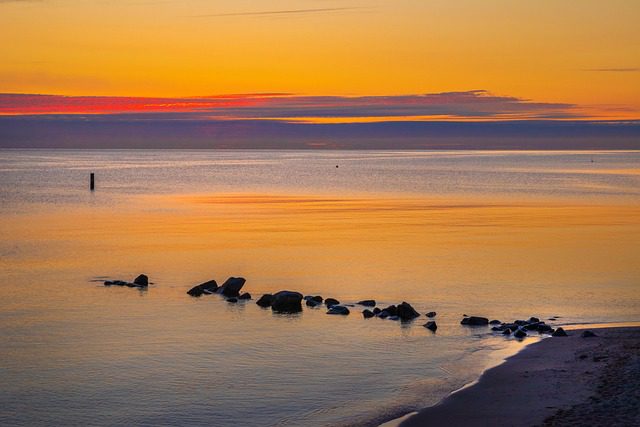
Every summer we get asked this question by friends and followers heading to Tallinn, Riga, Helsinki, or the Faroe Islands on a Baltic route: is it actually safe to swim in the Baltic Sea? The honest answer is: yes, mostly — but with important caveats that nobody bothers to explain properly. We’ve swum in the Baltic at Finnish summer cottages, at Jürmala in Latvia, at Parnu in Estonia, and at a handful of Blue Flag beaches in between. Here is what we’ve actually learned.
Yes, the Baltic Sea is generally safe to swim in at approved beaches during summer. The main risks are blue-green algae blooms (toxic, check local alerts before entering), occasional jellyfish, and cold water early in the season. Stick to Blue Flag– or EU Bathing Water Directive–certified beaches, check the daily algae map, and you will be fine almost every time.
Is the Baltic Sea safe to swim in?
The Baltic Sea is the world’s largest brackish inland sea — an enclosed basin where the Atlantic (via the North Sea) meets runoff from rivers across nine countries. That geography matters for swimming: the water is far less salty than the open ocean, which affects both the wildlife in it and its self-cleaning ability.
The straightforward verdict
- Approved bathing beaches: these are monitored weekly in summer under the EU Bathing Water Directive. Almost all rated “Excellent” or “Good.” Safe to swim at these — full stop.
- Wild or unmonitored shores: higher variability. After heavy rain, runoff can spike bacterial counts. Wait 48 hours after a major storm before swimming at unmonitored spots.
- Algae bloom days: the only time any beach becomes genuinely dangerous. On these days, the water may be visibly green or have a paint-like surface slick. Do not enter. This is the exception, not the rule.
- Jellyfish: moon jellies (Aurelia aurita) are harmless. Lion’s mane jellyfish can sting — avoid direct contact but they’re not a serious health risk to healthy adults.
How the Baltic compares to open-ocean swimming
- Currents: minimal. No rip currents, very gentle wave action. Safer for kids than Atlantic or Mediterranean beaches in that sense.
- Salt content: Baltic salinity is 6–8 ppt (Mediterranean is 38+ ppt). You barely float. That catches some open-water swimmers off guard.
- Temperature: Finnish waters peak at 18–22°C in July. Estonian and Latvian coasts can hit 24°C in a warm summer. Never tropical, but perfectly swimmable.
Blue-green algae: the real risk explained
Our Nordic trip planner (PDF)
The one-page planner we use ourselves, plus the HUNGRYTRAVELFAMILY5 5% code and one short email a week with real deals. Unsubscribe any time.
If you’ve read anything alarming about the Baltic Sea, it was almost certainly about cyanobacteria — what most people call blue-green algae. This is the one genuine reason to pause before entering the water. Let us explain it properly, because most travel articles either ignore it or catastrophise it.
What blue-green algae actually is
- Cyanobacteria are naturally occurring in many water bodies. In the Baltic, nutrient runoff (primarily agricultural nitrogen and phosphorus) feeds blooms that can become toxic when conditions align: warm still water, low wind, sustained sunshine.
- Toxic blooms produce microcystins (liver toxins) and other compounds. Exposure via swimming can cause skin rash, eye irritation, gastroenteritis, and in high-dose ingestion, more serious effects. Deaths from recreational exposure are exceptionally rare but documented.
- Not all algae is toxic: green strands are usually harmless filamentous algae. The danger is a surface slick or bright green/turquoise paint-like scum — that is the bloom form to avoid.
When and where blooms are worst
- Peak risk: late July to mid-August, during sustained hot, windless periods.
- Geographic hotspots: the open Gulf of Finland, central Baltic, and coastal areas near river estuaries are most affected. Finnish archipelago inner bays and sheltered Estonian/Latvian coves can also accumulate blooms.
- Good years vs bad: a cooler, windier summer largely prevents major blooms. 2022 was a bad algae year; 2023 was relatively mild. Check the seasonal forecast before you plan.
Quick reference: what to check before you swim
Finland: Syke.fi/en/algae-situation (Finnish Environment Institute updates daily in summer). Estonia: kaart.keskkonnainfo.ee. Latvia: lvgmc.lv. If your specific area shows “abundant bloom,” do not enter that day.
Every monitored beach in the EU has a bathing water profile at bathing-water.europa.eu. Look for “Excellent” or “Good.” Any “Sufficient” or “Poor” rating warrants caution, especially after rain.
Clear water or slight greenish tint = fine. Turquoise or pea-green surface slick, paint-like consistency, or foam on shore = algae risk, do not enter. Trust what you see over what you read.
After 20+ mm of rain, bacterial counts (E.coli, enterococci) can spike at unmonitored beaches. Give it 48 hours before swimming wild. Monitored beaches are usually fine sooner because they have better drainage.
The Baltic warms slowly. In June, Finnish waters are typically 12–16°C — cold enough to trigger cold shock in unprepared swimmers. Children and older adults should acclimate gradually. By mid-July, 20°C+ is common along Estonian and Latvian coasts.
A Blue Flag beach has passed annual water quality, safety, and environmental management tests. It is the single easiest shortcut to a safe Baltic swim. Look for the blue flag flying at the beach entrance.
Onshore wind pushes surface blooms away from shore; offshore wind concentrates them onshore. A strong westerly can clear a Finnish south coast beach even mid-bloom season. Check wind direction along with the algae map.
Finnish municipalities post uimakielto (swimming prohibition) signs at monitored beaches during toxic bloom events. Estonia and Latvia use similar local alert systems. If there is a sign, it is there for a reason.
Water quality and pollution: what the data says
The Baltic has a complicated pollution history — industrialisation across nine countries, Soviet-era dumping, and decades of agricultural runoff. The picture today is meaningfully better than it was in the 1980s and 1990s, but it is not uniform.
Where quality is consistently good
- Finnish south and southwest coast: among the best-monitored bathing waters in Europe. The 2025 EU Bathing Water Report classified 97% of Finnish sites as “Excellent” or “Good.”
- Estonian Blue Flag beaches (Pärnu, Narva-Jõesuu, Haapsalu area): regularly rated Excellent. Pärnu in particular has invested heavily in beach infrastructure and water quality monitoring.
- Latvian Jürmala beaches: large stretches are EU-monitored and consistently Excellent. The 25-km strip from Rîga suburb into Jürmala is among the best-value beach stretches in the region.
Where to be more cautious
- Near river mouths: the Neva, Värtan, and other major rivers discharge into the Baltic — avoid swimming immediately adjacent to river outflows, especially after heavy rain.
- Industrial port areas: not beach areas, but worth noting if you’re improvising. Harbour water near major ports (Helsinki, Tallinn, Riga, Gdansk) is not for swimming.
- Polish and German coasts: generally fine at designated beaches, but the southwestern Baltic sees higher shipping traffic and has had periodic sewage issues near smaller municipalities.
Jürmala Beach Guide: Latvia’s 25km Baltic Coast
The full breakdown of the best beaches, how to get there by train from Rîga, and what the water is really like in summer.
Read the guide →Baltic Sea vs Mediterranean: an honest comparison
- Water clarity: Mediterranean wins — the Baltic is often a pale blue-green, less crystal-clear. That is partly the low salinity and partly the phytoplankton. It looks “murky” by comparison but is not dirtier at monitored beaches.
- Currents and safety: Baltic wins for casual swimmers, especially with children. No rip currents, no waves of consequence. A Mediterranean beach in Sicily or Greece has swells and currents that the Baltic simply does not.
- Temperature: Mediterranean wins for warmth. If you want bath-warm water in June, go south. If you are used to Finnish sauna culture, the Baltic in July is perfectly enjoyable.
- Algae risk: the Baltic has more significant cyanobacteria risk than the open Mediterranean (though the Adriatic has had its own bloom problems). This is the Baltic’s main disadvantage in safety terms.
- Jellyfish: Mediterranean lion’s mane jellyfish stings are more painful and more common than in the Baltic. On balance, the Baltic is easier on swimmers here.
- Crowds: Baltic beaches in Finland, Estonia, and Latvia are refreshingly uncrowded compared to the Amalfi Coast in August. That alone is a win for us.
- Water quality regulation: similar standards across the EU. Both are regulated under the same Bathing Water Directive. The Baltic is not inherently less regulated than the Mediterranean.
Pärnu Beach Guide: Estonia’s Summer Capital
Everything about Estonia’s most famous beach resort — what the water is like, when to visit, and how to spend a long summer weekend.
Read the guide →Mistakes we made swimming in the Baltic
- Ignoring the algae map entirely. On our first summer road trip to the Latvian coast, we swam without checking. The water looked fine, but we later saw the area had a minor bloom that week. Nothing happened, but we got lucky. We check every time now.
- Swimming right after a rainstorm. At a Finnish archipelago beach after 25mm of rain, we noticed the water smelled slightly off. That is runoff. We got out and waited a day. Trust your senses.
- Underestimating June water temperature. Alla jumped in at a Finnish south-coast beach in early June thinking it would be “like the Mediterranean in May.” It was 14°C. Cold-shock gasp reflex is real. Acclimate gradually, especially with kids.
- Dismissing the moon jellies. Harmless, yes — but a face full of moon jelly is still unpleasant. We learned to watch the surface first, especially in Estonian and Finnish waters in August when they concentrate near shore.
- Not knowing the “uimakielto” sign means no swimming. Joona knew; Alla didn’t on her first Finnish summer. If you see a red/white swimming prohibition sign, it is there because of active bacterial or algae levels.
- Avoiding the Baltic because of old reputation. We almost skipped Jürmala because a 2019 article called the Baltic “polluted.” That was outdated. The monitored beaches are genuinely clean. Do your own checks — not decade-old headlines.
Frequently asked questions
Is the Baltic Sea safe to swim in every day in summer?
At monitored, EU-certified bathing beaches, yes — on most days. The exception is when an active blue-green algae bloom is present, which happens most often during hot windless stretches in late July and August. Check the national algae monitoring service for your country before entering.
What are the blue-green algae symptoms after swimming?
Skin rash or irritation, red eyes, gastroenteritis (nausea, stomach cramps), and in rare heavy-exposure cases, flu-like symptoms. If you experience any of these after swimming in the Baltic during bloom season, see a doctor and mention that you swam in potentially bloom-affected water.
Can children swim safely in the Baltic Sea?
Yes, at approved beaches and on non-bloom days. The Baltic is actually gentler than the open ocean — no rip currents, minimal waves. The main considerations for children are water temperature (can be cold in June) and that algae warnings should be taken seriously.
Is Baltic Sea water clean compared to other European seas?
At monitored bathing beaches, yes — EU standards apply across the Baltic States, Finland, Germany, Poland, and Sweden. The 2024 EU Bathing Water Report showed 85%+ of Baltic-coast bathing sites rated “Excellent” or “Good.” The open sea has nutrient pollution challenges (algae blooms) but monitored beach water quality is genuinely good.
When is the best time of year to swim in the Baltic Sea?
Mid-July to mid-August gives you the warmest water (18–24°C depending on location) while still avoiding the peak algae risk period of late August. June is swimmable but cold. September can be pleasant in Estonian and Latvian waters if you don’t mind 16–18°C.
Are there sharks or dangerous animals in the Baltic Sea?
No sharks of any concern to swimmers. The Baltic’s low salinity excludes most large marine predators. You might encounter moon jellyfish (harmless), the occasional lion’s mane jellyfish (stings but not dangerous to healthy adults), and zebra mussels on the seabed (wear water shoes for wading over rocky areas). That is genuinely the extent of it.
A final word from Rovaniemi
We live in Finnish Lapland where most people swim in lakes, not the sea — but we spend enough summer time on Finland’s southwest coast, in Estonia, and in Latvia to have formed a real opinion on the Baltic. It is, on balance, a genuinely pleasant sea to swim in, and the reputation for pollution is outdated at monitored beaches.
The caveat we keep coming back to is algae. Not because it makes the Baltic dangerous — it doesn’t, most of the time — but because it requires a 30-second check before you wade in. Build that habit and the Baltic opens up into one of the most accessible, crowd-free, and underrated swimming destinations in Europe.
We have watched Alla’s face transform from “this water is cold and I’m not sure about this” to “I’m going back in” in the span of one July afternoon at Jürmala. The Baltic does that to people. Give it a fair chance.
Joona & Alla
A Finnish-Ukrainian couple living in Rovaniemi, Finland. Joona is a marketing professional in Lapland tourism; Alla is an AI Engineer. Together we’ve visited 25 countries and share honest, locally-grounded travel writing from our home in the Arctic.
Read our full story →