Jûrmala Beach Guide: Latvia’s 25km Baltic Coast (Train from Riga)
We took the commuter train from Riga’s central station and spent a full day walking Jûrmala’s long, pine-backed Baltic shore. Here’s exactly what to expect — including the parts the brochures skip.
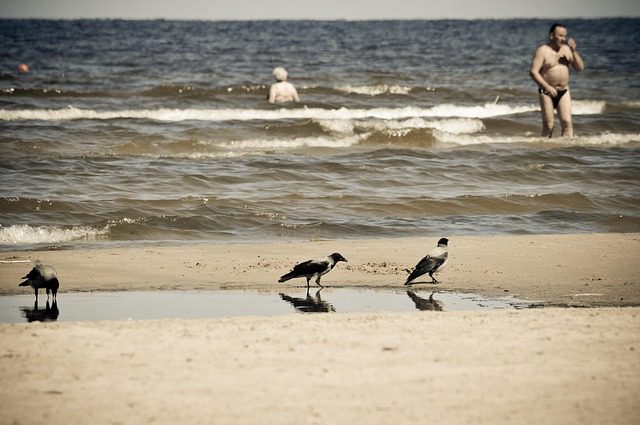
We arrived in Riga on a warm afternoon with no particular plan and a hotel for two nights. By morning, someone at the breakfast table mentioned the train to Jûrmala — twenty-five minutes, a couple of euros, a completely different world. That’s how most people discover Latvia’s most famous beach resort, and honestly, it’s the perfect way to do it.
Jûrmala sits directly on the Baltic coast, a 25-kilometre strip of white sand and weathered wooden villas an easy commuter-train ride from central Riga. It’s been a resort town since the Russian Empire, which means it has genuine character — Art Nouveau summer houses, spa hotels, open-air concerts — alongside the straightforward pleasure of a long, relatively uncrowded beach. We’d already been to Tallinn and driven the Baltic road trip north, so approaching from Latvia felt like completing a picture.
Jûrmala is a lovely, easy day trip or overnight from Riga: take the commuter train to Majori or Dzintari station (25 min, under €2 each way), walk the pedestrian Jōmas iela street, swim at the wide white-sand Baltic beach, and return by evening. June through August is peak season; the water is swimmable from mid-June onward.
How to get to Jûrmala from Riga (and which station to use)
Getting to Jûrmala is one of those logistics that sounds complicated and turns out to be pleasantly simple. The entire journey runs on one rail line from Riga’s central station (Rīgas Centrālā stacija) heading west toward Jûrmala and beyond. Trains depart every 30–60 minutes throughout the day; the journey to Majori — the heart of Jûrmala — takes roughly 25 minutes.
Which Jûrmala station to use
Jûrmala has multiple stops along the line, and choosing the right one matters depending on what you want to do.
- Majori: the most central stop, two minutes’ walk from Jōmas iela (the pedestrian main street) and a short stroll to the beach. This is where we got off, and it’s the right call for first-timers.
- Dzintari: one stop before Majori, slightly less crowded, a bit more residential. Good if you want a quieter stretch of beach.
- Dubulti: further along the line, past the busiest area — calmer, with excellent Art Nouveau wooden villas to look at along the way.
- Sloka: the last practical stop for the beach; very quiet, very local.
Tickets, cost, and the entry fee
- Train ticket: roughly €1.50–2.00 each way in 2026. Buy from ticket machines at Riga central or on the Pasažieru vilciens app.
- Jûrmala entry fee: the municipality charges non-residents an entry fee to drive into Jûrmala by car (around €3–5 per car per day in 2026). If you arrive by train — as you should — no entry fee applies to you.
- Return trains: last trains back to Riga run until late evening, so you’re not on a tight clock.
What Jûrmala beach is actually like
The beach itself is the main event, and it genuinely delivers. It’s wide — easily 50–80 metres from the dunes to the water’s edge in most places — with fine white sand that stays cool even in July heat. The pine forest directly behind the dunes gives the whole place an unusual smell: salt and resin together, which Alla described as “the Nordics by the sea.” That’s roughly right.
The Baltic here is shallow and calm. There are no big waves, which makes it particularly good for families and for anyone who just wants to wade or swim without drama. Water temperatures in June reach around 17–19°C — cold by Mediterranean standards but genuinely swimmable if you’re from Finland or anywhere with a sauna tradition. By July it warms to 20–22°C most years.
The beach stretches far enough in both directions that even on a busy summer weekend you can walk ten minutes from the Majori access point and find yourself with much more space. We did exactly that and found a section of beach that felt almost private.
Quick-reference: 8 things to know before you visit Jûrmala
Arrive from Riga central station to Majori (25 min, €1.50–2 each way). Skip the car — it costs extra to enter Jûrmala by road, parking is tricky in summer, and the train drops you exactly where you want to be.
The pedestrian main street, Jōmas iela, runs 4 km parallel to the beach. It’s lined with restaurants, ice cream shops, wooden villas, and the odd Soviet-era sanatorium. Walk it at least one way before heading to the beach.
If you’re visiting in May or early June, the Baltic is around 12–15°C — brave for most visitors. From late June onward, 18–22°C makes it genuinely enjoyable. We went in late June and it was perfect for a long swim.
The Majori beach access point is the most popular. Walk 10–15 minutes in either direction and the crowd thins significantly. The section toward Dubulti (east) tends to be quieter on summer weekends.
Latvia uses the euro. Most restaurants on Jōmas iela accept cards, but the beach rental huts and some smaller cafés prefer cash. We were caught short once; don’t repeat our mistake.
Jûrmala has hundreds of ornate wooden summer houses dating from the late tsarist era through the early Soviet period. Some are beautifully preserved; others are gloriously decayed. The area around Dzintari and Majori has the best concentration. Just walk the side streets.
Most people visit on a day trip from Riga. But if you want to see the beach at sunset and have a slow morning, several mid-range hotels and guesthouses sit right in Majori. We wish we’d stayed one night.
Peak season crowds arrive in July. May and September give you the wooden houses, the pine smell, and the long Baltic light with almost no one around. The water is colder but the mood is better.
Get our best travel tips in your inbox
Monthly stories from Rovaniemi — Arctic tips, packing lists, and the places we keep coming back to.