Pärnu Beach Guide: Estonia’s Summer Capital
Everything we wished we’d known before driving down from Tallinn: which beaches have the Blue Flag, where the sand actually ends, and why Pärnu earns its “summer capital” title every June through August.
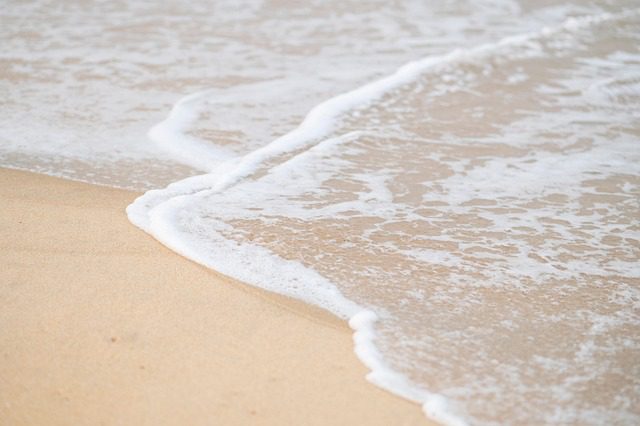
We stumbled into Pärnu beach Estonia almost by accident — we were driving south from Tallinn on a warm August afternoon, and our ferry back to Helsinki wasn’t until the next morning. “Let’s just stop somewhere with a beach,” one of us said. That detour turned into an overnight stay that we’ve talked about ever since.
Pärnu is not a secret. Estonians call it their “summer capital” for a reason: the whole country migrates here between June and August. But to most Northern European travelers it’s still off the radar — and that feels like a genuine waste. The beach is long, the sand is pale, the water is warmer than you’d expect, and the town behind it is genuinely charming in a way that Tallinn’s Old Town can’t quite replicate anymore.
Pärnu beach Estonia is a wide, Blue Flag–certified Baltic shore in southern Estonia, about 130 km from Tallinn. The best time to visit is June through August; water temperatures peak around 18–22 °C in July. It’s excellent for families, easy on the budget, and far less crowded than comparable Baltic resorts in Latvia or Lithuania.
What makes Pärnu Estonia beach actually worth a detour
Pärnu sits at the mouth of the Pärnu River where it meets Pärnu Bay — the shallowest and warmest corner of the Baltic Sea. That geography matters: water here heats faster than open Baltic water, which is why locals insist you can actually swim without gritting your teeth by mid-July.
The beach itself
The main Pärnu beach stretches for roughly 5 kilometres of sand. The western end near the town centre is the busiest — lifeguarded in summer, beach volleyball courts, cafes right on the sand, and a renovated promenade. Walk east for 20 minutes and it empties out dramatically. The sand is fine and pale, not the grey-brown you’d expect from the Eastern Baltic; some sections remind us of southern Finnish islands without the rocks.
The town behind the beach
Most beach towns have a strip of ice cream shops and not much else. Pärnu proper has an intact old town with a 17th-century Red Tower, a pedestrianized main street (Rüütli), spa hotels from the inter-war resort era, and a farmers’ market that runs through summer. It’s a real place that happens to have a great beach, which is rarer than you’d think along this coastline.
How to get to Pärnu beach from Tallinn (and from Helsinki)
Getting there is genuinely easy, which is part of why it works so well as a day trip or overnight stop from Tallinn. And if you’re coming from Finland — as we were — Pärnu fits perfectly at the end of a Baltic loop before the ferry back.
From Tallinn
The bus is the classic move. Lux Express and FLIXBUS both run Tallinn–Pärnu directly, with journey times of about 2 hours and tickets typically under €10 if booked in advance. The bus station in Pärnu is a 10-minute walk from the beach. If you’re driving, the E67 Via Baltica highway is fast and straightforward — allow 1.5 hours from central Tallinn.
From Helsinki
Take the Tallink or Eckerö Line ferry to Tallinn (2 hours from Helsinki, ferries run multiple times daily), then connect to Pärnu by bus. Total door-to-door from Helsinki city centre is about 4.5 hours. For us it was a single overnight trip that felt remarkably efficient: Helsinki breakfast, Pärnu beach by afternoon, Tallinn dinner, Helsinki morning ferry.
By train
A passenger rail link between Tallinn and Pärnu has been in discussion for years. As of 2026 it doesn’t yet exist — the bus remains the best public transit option.
Within Pärnu
The town is walkable. The old town, beach, and main accommodation zone are all within a 15-minute walk of each other. Bikes are rentable near the beach promenade and are the preferred local mode of getting between beach sections.
Related read We covered the ferry route and what to do with a day in Tallinn before heading south — see our Helsinki to Tallinn Day Trip Guide.
Pärnu beach quick-reference: 8 facts to know before you arrive
The main Pärnu beach is approximately 5 km long, with the central lifeguarded section stretching about 2 km nearest to town.
Expect 15–17 °C in June, 18–22 °C in July and early August. Pärnu Bay is one of the warmest swimming spots in the entire Baltic region.
Pärnu beach holds a Blue Flag certification for water quality and beach management — one of only a handful on the Estonian coast. Water quality tests are done weekly in summer.
Late June to mid-August is peak season. July is the warmest; mid-June and September offer thinner crowds with most facilities still open.
Free parking is available in the residential streets behind the dunes (arrive before 10 am on weekends). Paid parking operates on the main promenade road all summer.
Showers, changing cabins, beach volleyball courts, and food kiosks are concentrated near the Ranna pst / Supelrand area. The western sections have fewer services but more space.
The beach itself is free. A beach chair or umbrella rental runs about €5–8/day. Ice cream, seafood, and local beer are available at very reasonable Baltic prices.
A designated dog beach sits at the eastern end of the main beach. Pets are not permitted on the central lifeguarded section during summer.
Get our best travel tips in your inbox
Monthly stories from Rovaniemi — Arctic tips, packing lists, and the places we keep coming back to.