Europe’s Best Mountain Roads — An Icefields Parkway-Style Guide for 2026
We’ve driven more than 30,000 km across Europe’s highlands, fjords, and alpine passes. Here are the mountain roads that genuinely stopped us cold — ranked, timed, and planned so you don’t waste a single bend.
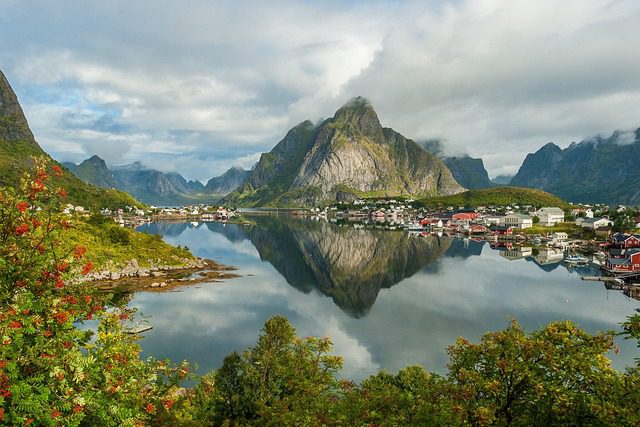
We didn’t set out to become people who drive mountain roads for fun. It happened gradually — first the best mountain roads Europe had to offer kept showing up on our road trip routes, then we started planning whole trips around them. From Finnish Lapland’s wide, empty Arctic highways to Norway’s single-track switchbacks dangling above the fjords, from Scotland’s mist-shrouded Highlands to Italy’s perfectly surfaced Dolomite passes, we’ve found that Europe’s mountain driving genuinely rivals Canada’s iconic Icefields Parkway — just with more variety and fewer RVs.
This guide collects the roads we’d drive again tomorrow. We’ve timed them, scouted their pull-offs, hit them at the wrong time of day so you don’t have to, and driven most of them both ways. Whether you’re planning your first Alpine loop or adding a detour to a Nordic road trip, here’s where to point the car.
Europe’s best mountain roads include Norway’s Trollstigen and Sognefjellet, Italy’s Stelvio Pass, Scotland’s NC500, and Austria’s Grossglockner. Each rewards drivers with jaw-dropping scenery, minimal traffic (if you start early), and a sense of scale that photographs simply don’t capture. Summer is prime time; many high passes close October to May.
What makes a mountain road genuinely great
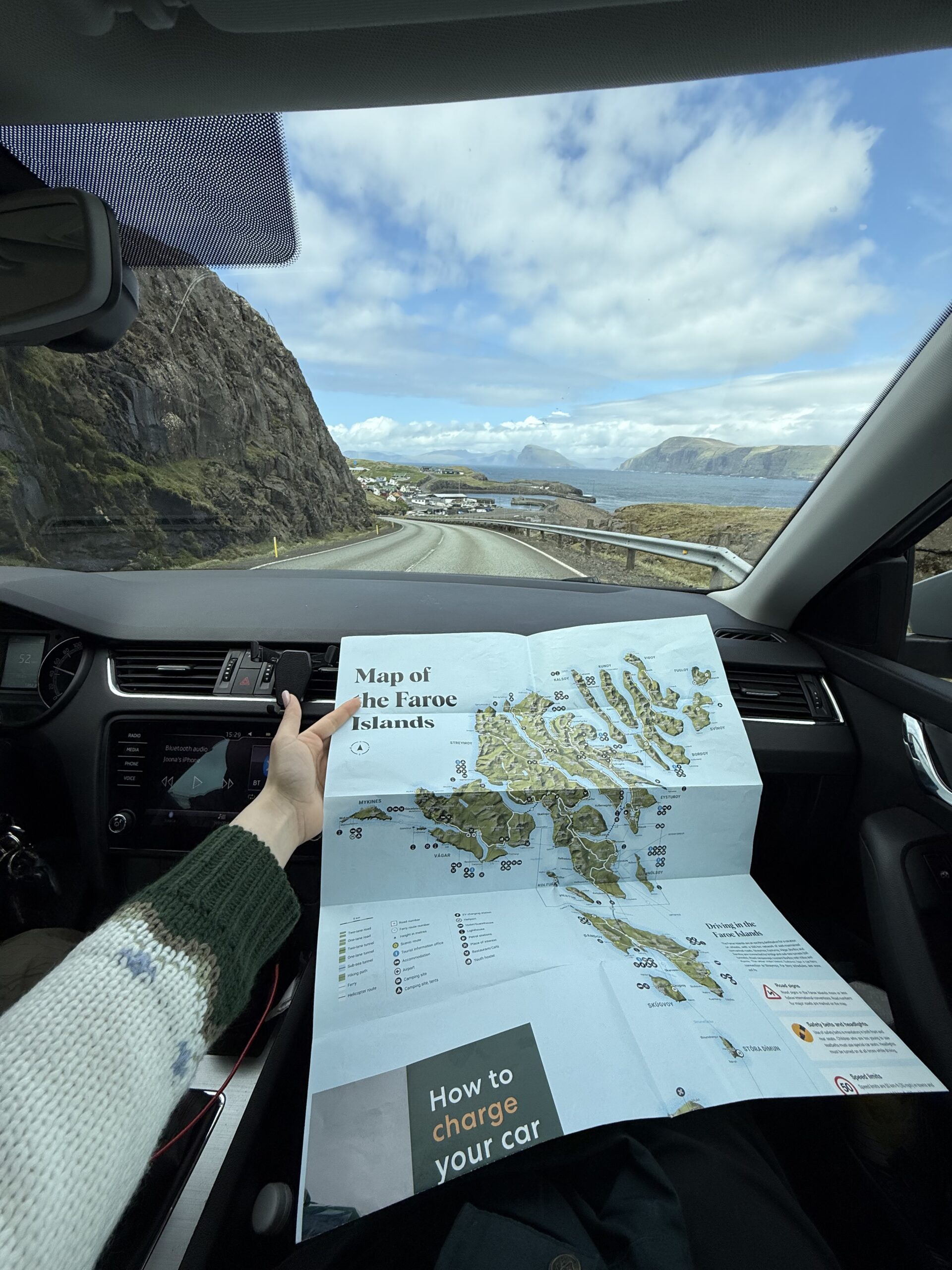
Not all mountain roads are created equal. We’ve driven plenty of “scenic routes” that turned out to be one pleasant valley and a lot of disappointment. The roads that stay with us share a few qualities.
The ingredients of an unforgettable drive
- Vertical drama: the best roads climb fast enough that you can see weather systems below you within 20 minutes of the summit.
- Active landscape: glaciers calving, waterfalls visible from the tarmac, wildlife on the verge — the road feels alive, not just pretty.
- Manageable traffic: we define great as “possible to pull over without causing a queue.” Amalfi Drive does not qualify.
- Narrative structure: a beginning (the valley), a rising tension (the switchbacks), a payoff (the pass or plateau), and an exhale on the way down. The best roads feel like a story.
The Icefields Parkway benchmark
Canada’s 232 km Icefields Parkway between Banff and Jasper is the gold standard: glaciers at eye level, turquoise lakes, almost no billboards, consistent pull-offs, and a speed limit that forces you to actually look. Europe doesn’t have a single road that matches it length-for-length — but it has dozens of roads that beat it for sheer drama in shorter stretches. Norway’s Sognefjellet plateau, for instance, does the Icefields’ job in 100 km and throws in fjord views the Rockies can’t match.
Norway’s highland road hits — and why they kept surprising us
We’ve driven through Norway four times now, and every time the mountain roads are the part we talk about longest afterwards. Here are the four that earned permanent spots on our list.
Trollstigen — the classic
Eleven hairpin bends cut into the cliff face, a waterfall so close you can feel the spray from your car window, and a viewing platform at the top that fills with people by 9 am. Drive Trollstigen from south to north (up from Valldal) and arrive before 8 am in summer to have the switchbacks to yourself. The road is typically open late May to mid-October.
Sognefjellet (Fv55) — the plateau
Norway’s highest mountain road crosses the roof of the country between Lom and Lærdal. At the top the landscape strips back to bare rock, ice fields, and a silence that doesn’t feel European at all. This one genuinely does feel like the Icefields Parkway — minus the tourist coaches. Open roughly June to October.
Hardangervidda plateau road — the surprise
Most visitors skip this one in favour of the fjord drives. Don’t. The Hardangervidda high route between Eidfjord and Haukeli crosses 8,000 km² of the world’s largest highland plateau, with reindeer grazing the roadside and almost zero traffic. We did it on a Tuesday in July and counted 11 cars in two hours.
The Atlantic Ocean Road — the wildcard
Technically not a mountain road — it’s a coastal causeway — but the drama-per-kilometre ratio is unmatched anywhere else we’ve driven in Europe. Storm waves in autumn break over the road itself. Beautiful and slightly terrifying.
Related read Planning a full Norway road trip? Our Scandinavia road trip tips guide covers packing, toll roads, campervans, and the border crossings that actually matter.
Quick-reference: Europe’s top 8 best mountain roads
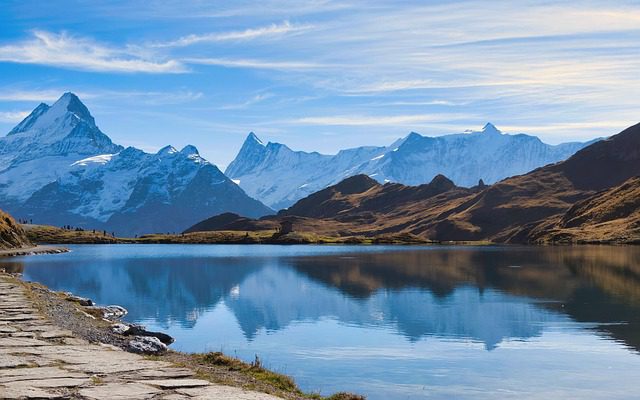
Eight roads we would genuinely recommend to a friend leaving next week, in rough order of drama. All are driveable with a standard rental car except where noted.
11 hairpin bends, 858 m elevation gain, waterfall spray on the windows. Open late May–October. Best time: before 8 am or after 6 pm. Car type: any. Distance: 18 km.
Europe’s highest mountain road, 1,434 m summit, glaciers visible from the tarmac. Open June–October. Best time: morning for fewer coaches. Distance: 110 km Lom–Lærdal.
75 hairpin bends, 2,757 m altitude — the highest paved pass in the Eastern Alps. Open June–October. Car type: any (motorcyclists dominate). Distance: 24 km Prato–Bormio.
36 km toll road to 2,571 m with glacier overlooks. Open May–November. Toll: ~€38 per car. Best time: weekday mornings. Car type: any.
516-mile loop around the Scottish Highlands. Not one mountain road but a collection of passes, sea cliffs, and moors. Driveable year-round, but summer brings midges — factor in insect repellent.
Tour de France legend, 2,642 m pass between Savières and Briançon. Open June–October. Cyclists everywhere; be patient and patient and patient.
The low-key one. 100+ km across bare plateau at 1,000–1,200 m. Almost no traffic. Reindeer likely. Open June–October.
2,042 m pass, 90 km of switchbacks, the road Top Gear called “the best road in the world.” Open July–October only. Watch for sheep, not just scenery.
Road trip routes, Nordic intel, and honest travel writing
We write from the Arctic when we’re home and from the road when we’re not. No sponsored noise.
Planning tips & safety for mountain road driving in Europe
- Check pass opening dates before you book. Most high Alpine and Norwegian mountain passes only open June–October. Driving to a closed gate wastes a half-day and is surprisingly easy to do.
- Start early, finish early. The best mountain light is morning. Crowds peak 10 am–2 pm. By 3 pm the coaches are gone. By 5 pm the road is yours.
- Download offline maps before you go. Mobile signal disappears for long stretches on every road in this guide. We use Google Maps offline + the Outdooractive app as backup.
- Check tyre condition on your rental. A flat tyre on Trollstigen with a sketchy spare is not a fun afternoon. Inspect the spare before you leave the car park.
- Carry cash for tolls. Norway’s AutoPASS system bills foreign plates automatically, but some smaller mountain passes in Italy and Austria still prefer cash or specific cards.
- Book accommodation at the pass summit or just beyond. The magic hour of light on the descent the next morning is worth the premium.
- Weather changes fast above 1,500 m. We’ve driven in July snowstorms on Sognefjellet and September ice on Grossglockner. Pack a layer regardless of the forecast.
💡 Our campervan tip: prices for the same van vary a lot between rental brands. We compare the Nordics campervans across 160+ rental companies on CampervanPlanet — and code HUNGRYTRAVELFAMILY5 takes 5% off.
Alpine passes vs Nordic fjord roads: which should you prioritise?
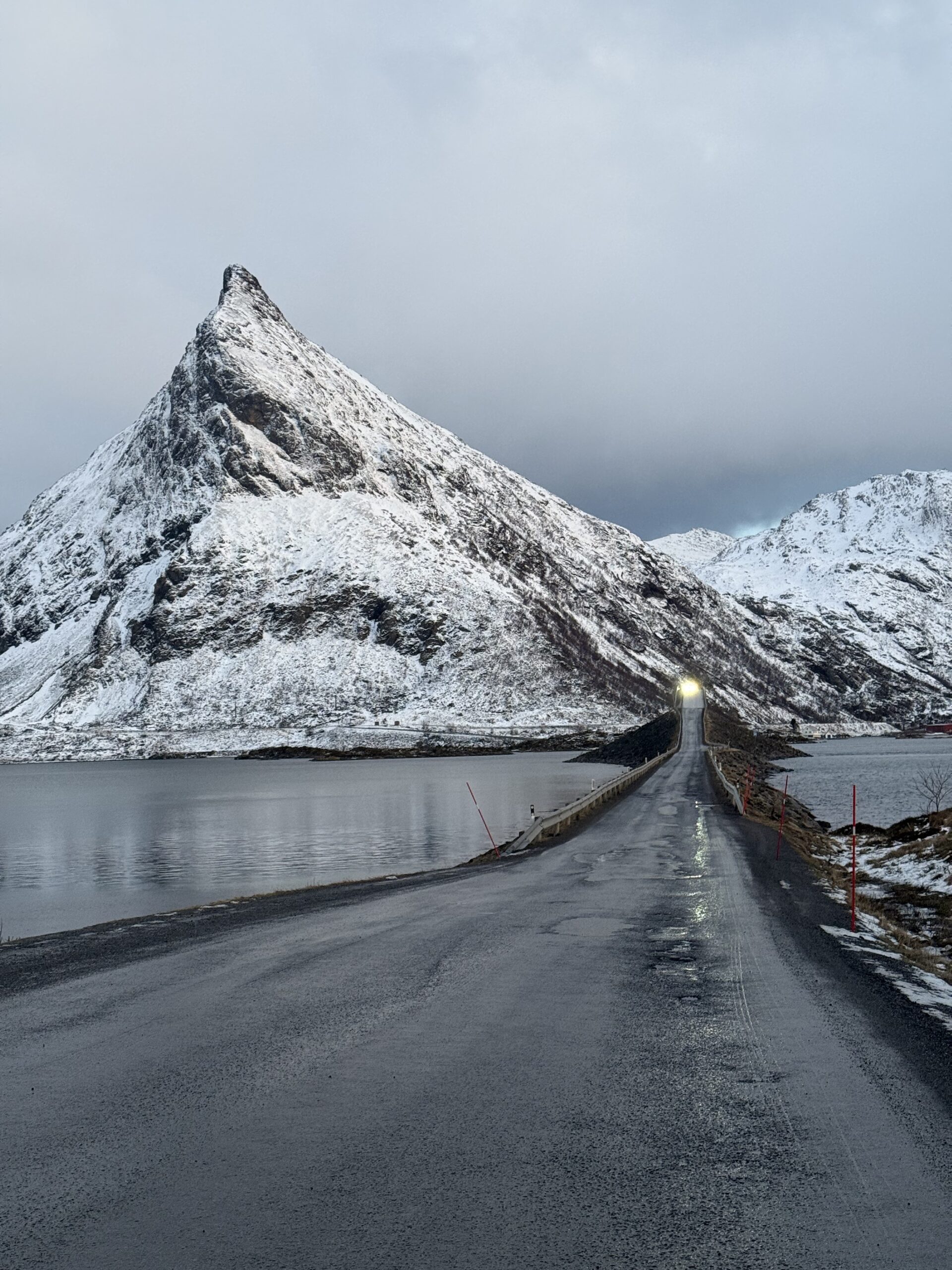
This is the question we get most from readers planning a first European road trip. Both are extraordinary, but they deliver very different experiences.
- Alpine passes (Switzerland, Italy, Austria, France): tighter, more engineered, higher in absolute altitude, surrounded by villages and ski infrastructure. You feel the human history of the passes in every barn and chapel. Best for: a 7–10 day loop; you can chain 4–5 passes in one trip.
- Norwegian fjord roads: wilder, more remote, often single-track with passing places, surrounded by water below and rock above. You feel very small. Best for: a 10–14 day west-coast drive with ferry crossings; harder to rush.
- Scottish Highlands (NC500): the mood choice — moody, misty, unpredictable, brilliant. Lower altitudes but higher drama-per-grey-cloud ratio. Best for: 7–10 days with no fixed agenda.
- Dolomites loop (Italy): arguably the most beautiful mountain landscapes in Europe, but the roads are very busy in July–August. Go in September for the larch colour and empty roads.
- Transfăgărășan (Romania): the wildcard that outperforms expectations every time. Genuinely remote, cheap, extraordinary. Best for: travellers who want to feel like they found something.
Our honest recommendation: if you only do one European mountain road trip in your life, drive Norway’s west coast with Trollstigen and Sognefjellet. If you want to maximise roads-per-day, do an Alpine loop. If you want the most dramatic scenery in the shortest distance, drive Stelvio to Grossglockner in two days.
Also worth reading If you’re adding a Nordic leg, our Norway fjords in summer guide covers the six fjords worth your time and how to avoid the cruise ship crowds.
Mistakes we made on mountain roads (so you don’t have to)
- Arriving at Trollstigen at 11 am in July. We sat in a 45-minute queue to reach the viewpoint. Go at 7 am. Go at 7 am. Go at 7 am.
- Not checking if Stelvio was actually open. The pass opens later than the maps suggest after heavy snowfall. We drove 80 km out of our way to find a barrier.
- Underestimating driving time on mountain roads. A 60 km mountain road can take two hours. Booking lunch at a restaurant 80 km past Trollstigen “for noon” was optimistic.
- Skipping the Hardangervidda because it “sounded less exciting.” It was the quietest, most contemplative drive we’ve done in Europe. We almost missed it for Trollstigen Part Two.
- Not having a picnic ready. Mountain summit cafes are expensive, often closed, and never have what you want. A good loaf of bread and some local cheese beats everything.
- Driving Grossglockner on a weekend in August. Every Austrian with a sports car had the same idea. Choose a Tuesday in late June instead.
Book your the Nordics campervan
Compare prices across 160+ campervan and motorhome rental brands, get a free 1GB eSIM with every booking — and 5% off with code HUNGRYTRAVELFAMILY5.
Check prices & availability →Frequently asked questions

What is the best mountain road to drive in Europe for first-timers?
Trollstigen in Norway is the most accessible first mountain road: short enough to feel manageable (18 km), dramatic enough to be genuinely memorable, and well-supported with viewpoints and facilities. Pair it with the drive to Geiranger for a full day you won’t forget.
When do European mountain passes open and close?
Most high Alpine passes (Stelvio, Grossglockner, Galibier) open in late May or early June and close in October or November, depending on snowfall. Norwegian roads like Trollstigen and Sognefjellet typically open late May and close in October. Always check the official pass status website before leaving your accommodation — closures happen without much warning.
Can I drive Stelvio Pass in a regular rental car?
Yes. The road is fully paved and navigable in any car with working brakes. The challenge is the width of the hairpin bends — a smaller car is less stressful. Avoid large SUVs or anything with a wide turning circle. Motorbikes are everywhere; leave plenty of space when overtaking.
Is the Transfăgărășan worth it compared to the Alps?
For pure scenery? It’s comparable to any Alpine pass. For overall experience — the surrounding landscape, the remoteness, the almost total absence of tourist infrastructure — it’s unique. The catch: it’s only fully open July–October, and the road surface is rougher than the Alps. Worth it for travellers willing to go slightly off the beaten path.
Which is better for a road trip: Norwegian fjord roads or the Dolomites?
They’re genuinely different experiences. Norway is wilder, emptier, and requires more planning (ferry bookings, campsite reservations). The Dolomites are more polished, easier to drive, and better served by restaurants and hotels. We’d do Norway for a 14-day slow trip and the Dolomites for a 5-day alpine loop from a central city like Innsbruck or Verona.
Do you need a 4WD for mountain road driving in Europe?
No — not in summer on the roads in this guide. All are paved. A standard two-wheel-drive car handles everything on this list comfortably in dry conditions. Where it matters: if you’re driving Norway’s mountain roads in early spring or late autumn, when ice can appear unexpectedly, winter tyres become important. Norway actually legally requires them from a certain date.
A final word from Rovaniemi
We live at the northern edge of Europe, which means every time we load the car and head south or west, the landscape becomes more dramatic by degrees. The best mountain roads in Europe have become waypoints in our relationship — the place where Alla convinced Joona to stop for another ten minutes, the bend where we pulled over to eat cheese and crackers because the view made eating in the car feel wrong.
If you’re coming to Europe for the first time with a road trip in mind, don’t make the motorway your default. The mountain roads in this guide aren’t detours — they’re the point. Drive slowly, stop often, and bring something good to eat at the summit. The views will take care of the rest.
And if you find yourself on Sognefjellet on a clear day in late June, with the plateau stretching out around you and not another car in sight: you’ll know exactly what we mean.
Joona & Alla
A Finnish-Ukrainian couple living in Rovaniemi, Finland. Joona is Head of Marketing at Stay Lapland; Alla is an AI Engineer and content creator. Together we’ve driven through 25 countries and share honest, locally-grounded travel writing from our home in the Arctic.
Read our full story →