Renting a Campervan in Sweden for the First Time: What We’d Actually Tell You
Licences, deposits, where you’re actually allowed to park overnight, and what the first hour behind the wheel feels like — the practical side of a Swedish campervan trip, from a couple who’s driven the Nordics more times than we can count.
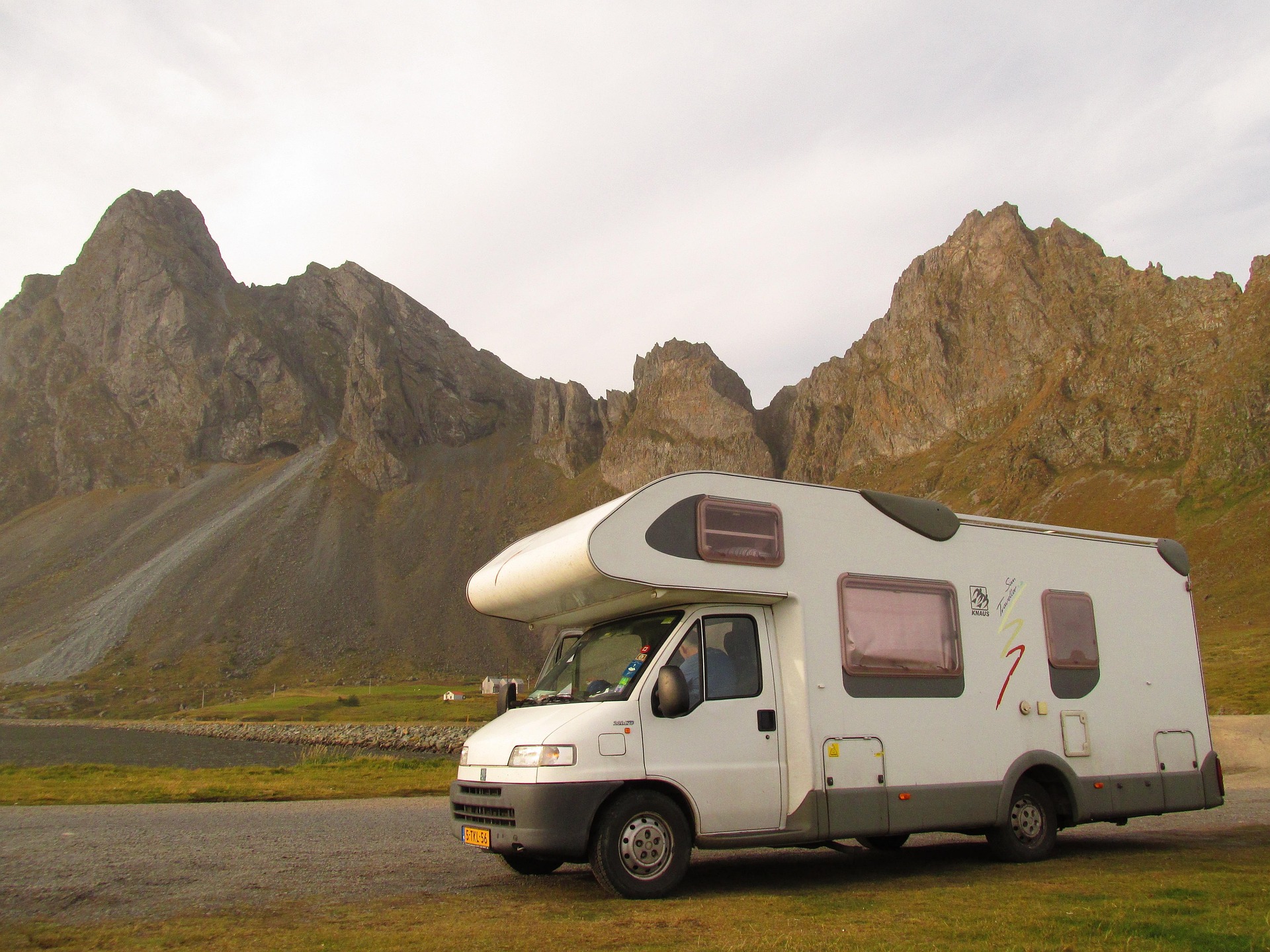
We get asked a version of this question every time someone follows one of our Nordic road trip posts and decides Sweden looks like a manageable first campervan country: what do we actually need to know before we book? Not the marketing version — the practical one, the stuff that only becomes obvious once you’re standing in a rental yard with a set of keys in your hand.
Joona has spent years around Lapland’s tourism operators and Alla approaches every trip we plan like the logistics problem it actually is, and between the two of us we’ve picked up a fair number of first-timer questions from readers over the years. This is the honest, practical rundown — licences, pickup, pricing, where you’re genuinely allowed to park overnight, and what the first hour of driving actually feels like.
Sweden is one of the easiest Nordic countries for a first campervan trip: a standard EU licence works, the roads are quiet and well-surfaced, and there are no motorway tolls to think about beyond city congestion charges. The two things first-timers get wrong are assuming you can wild-camp a motorhome anywhere (you can’t — more on that below) and not budgeting for the congestion and bridge charges that turn up on your card after the trip. Compare rental prices for Sweden on CampervanPlanet and use code HUNGRYTRAVELFAMILY20 for €20 off.
Why Sweden Is a Genuinely Easy First Campervan Country
If you’re nervous about your first campervan trip, Sweden is a forgiving place to start. A standard EU driving licence is valid, and visitors from outside the EU should carry an International Driving Permit alongside their national licence. Sweden drives on the right, which is the default for most European and North American visitors, and the road network is well-surfaced and, outside a handful of city bridges, free of motorway tolls or vignettes entirely.
The one thing to plan for rather than tolls is congestion charging: Stockholm and Gothenburg both run camera-based congestion taxes (up to roughly SEK 135 a day in Stockholm and SEK 60 a day in Gothenburg), and as a rental driver you won’t pay at a barrier — your rental company is billed and passes the charge on to your card afterwards, usually with a small handling fee added. It’s not a large sum, but it’s the kind of thing that catches first-timers out if nobody mentions it before the trip.
Picking Up Your Van: Where and What to Check
Popular pickup points for Sweden include Stockholm, Gothenburg Airport, Uppsala, Malmö (handy for the Öresund Bridge crossing to Denmark), and Kiruna Airport if you’re starting from the Arctic north. Compare which cities the operators you’re considering actually serve before you commit to a route — it shapes your whole itinerary more than people expect.
At handover, treat the walkaround properly: photograph every panel, bumper and the interior before you drive off, note anything already marked on the paperwork, and ask directly about the deposit amount and the insurance excess for your specific vehicle class — these vary by rental company and by van size, so we’d rather tell you to confirm them at booking than quote you a number that won’t match what you’re actually offered. The same goes for mileage limits and any restrictions on driving into Norway or across to Denmark; always check this before you cross a border, not after.
Sizes and Prices: What You’re Actually Choosing Between
Compact campervans, the easiest to park and the cheapest to run, generally start from around €89 a day. A step up in comfort and living space, mid-size “comfort” campers tend to run from about €129 a day. Family-sized motorhomes with more berths and full self-contained facilities start from roughly €189–219 a day. In the shoulder season (April and October) prices can drop to around €49–90 a day for a basic van, while peak summer (July–August) typically runs €89–180 a day for the same categories — book early if you’re travelling in July.
It’s worth comparing more than one operator rather than booking the first quote you see, since the same van can vary noticeably in price between rental brands. We compare campervan prices for Sweden through CampervanPlanet, which checks across 140+ rental brands in one search, and readers of this blog get €20 off with code HUNGRYTRAVELFAMILY20. For the full cost picture beyond the daily rate, we’ve also broken down what a Sweden campervan trip really costs in more detail separately.
💡 Our campervan tip: prices for the same van vary a lot between rental brands. We compare Sweden campervans across 160+ rental companies on CampervanPlanet — and code HUNGRYTRAVELFAMILY20 takes €20 off.
What Driving It Actually Feels Like
We won’t pretend we’ve rented this exact vehicle class ourselves, but between years of Nordic road trips in our own car and rooftop tent, a few things hold true for any first-timer behind a larger vehicle here. The width and height take longer to stop noticing than you’d think — fuel station canopies and low forest branches are the two things people misjudge most often in the first day. Sweden’s roads make this an easy place to get used to it: wide, quiet, well-surfaced, and rarely aggressive compared with driving in, say, central Europe in peak summer.
Parking in town centres is where a campervan stops being convenient — look for dedicated motorhome parking (often signed separately from car parks) rather than assuming a normal space will do, and get comfortable reversing before you leave the rental yard rather than in a tight harbour car park on day one.
Where You’re Actually Allowed to Sleep
This is the one that catches almost every first-timer out: Sweden’s allemansrätten (the right of public access) is often described as a blanket right to camp anywhere, but it specifically covers tents for a night or two — it does not extend to motor vehicles. Campervans and motorhomes are not included in the right to roam for overnight stays, and parking off-road on grass, beaches or in forest to sleep is not allowed. In practice, that means overnighting at proper campsites or at a ställplats (Sweden’s version of a motorhome aire), or on a hard-surfaced spot where parking is explicitly signed as permitted.
The good news is there’s no shortage of legal places to stop: hundreds of campsites and ställplatser are spread across the country, most rated on a one-to-five star system for their facilities, and apps like Park4Night make finding a legal spot for the night straightforward. Campsite prices generally run from about SEK 200–500 a night (roughly €18–45), sometimes with electricity metered separately.
Costs Beyond the Daily Rental Rate
Beyond the rental price itself, budget for a handful of extras that don’t show up on the headline quote. The Stockholm and Gothenburg congestion charges mentioned earlier are billed after the trip. If your route crosses into Denmark, the Öresund Bridge from Malmö costs around SEK 510 (roughly €45) per car crossing; heading the other way toward Norway, the Svinesund Bridge has actually been toll-free since 2021, which is one less thing to plan for. If Gotland is on your route, the car ferry from Nynäshamn or Oskarshamn typically costs SEK 800–1,500 (about €70–130) with a campervan aboard, and it’s worth booking that crossing ahead in summer as it fills up. Fuel is a real cost on any longer Nordic route too — we’ve found it worth checking current pump prices for your exact dates rather than budgeting off a number that might be a season out of date.
When to Go
May to September generally offers Sweden’s best campervan weather, with July and August the busiest and most expensive — campsites fill up and prices sit at their peak, so book ahead if those are your only available dates. April and October are a genuine shoulder-season sweet spot: noticeably cheaper, with daytime temperatures more like 2–15°C, and far fewer other travellers on the road. Winter (November–March) is possible with the right vehicle and mindset — studded tyres are permitted from 1 October to 15 April and heavy-vehicle winter rules apply from December through March — but it’s a different, more demanding trip than a summer one, and worth planning carefully rather than assuming it’s a smaller version of summer.
If your route runs north, it’s worth timing around the light: the far north sees the midnight sun roughly from late May to mid-July, and a decent shot at the northern lights from late September through to late March on clear nights. We’ve written a fuller month-by-month breakdown of timing a Sweden campervan trip if you want to go deeper on this before you book.
For everything else campervan-related across the Nordics, our campervan rental guide rounds up the country-by-country detail, and code HUNGRYTRAVELFAMILY20 works across any of the routes we’ve covered.
Honest travel from the Arctic Circle
We send one letter a month — no roundups, no sponsored fluff. Just what we’re doing, where we’re going, and what we actually think.
Book your Sweden campervan
Compare prices across 160+ campervan and motorhome rental brands, get a free 1GB eSIM with every booking — and €20 off with code HUNGRYTRAVELFAMILY20.
Check prices & availability →Frequently asked questions
Do I need a special licence to drive a campervan in Sweden?
No — a standard EU driving licence is valid. Visitors from outside the EU should carry an International Driving Permit alongside their national licence. Sweden drives on the right, as in most of mainland Europe.
Can I wild camp in a campervan in Sweden?
Not quite. Allemansrätten (the right of public access) covers tents for a night or two, but it does not extend to motor vehicles — campervans and motorhomes need to use campsites or a ställplats instead of parking off-road to sleep.
Are there toll roads for campervans in Sweden?
Sweden has no motorway tolls or vignette. The real charges are the camera-based congestion taxes in Stockholm and Gothenburg, billed to your rental company after the trip, plus bridge tolls like the Öresund crossing to Denmark if your route heads that way.
How much does it cost to rent a campervan in Sweden?
Prices start from around €49 a day in the shoulder season for a basic compact campervan. In peak summer (July–August) expect roughly €89–180 a day, and larger family motorhomes generally run €189–219 a day.
When is the best time to rent a campervan in Sweden?
May to September offers the best weather, with July and August the busiest and most expensive. April and October are a cheaper, quieter shoulder-season option with cooler temperatures.
Can you take a rental campervan from Sweden to Norway or Denmark?
Usually yes, but always confirm it with your rental company first, along with any cross-border restrictions or extra insurance requirements. The Svinesund Bridge into Norway has been toll-free since 2021, while the Öresund Bridge to Denmark carries a per-crossing charge.