What to Wear in Lapland in Winter: A Packing Guide That Actually Works: Tested in -30°C by Locals
Figuring out what to wear in Lapland in winter is the question we get asked more than any other — and for good reason. Packing wrong can ruin an entire trip. We’ve spent winters here in Rovaniemi, led aurora tours in February darkness and snowmobile rides at -30°C, and learned the hard way what layering actually means in the Arctic. This is the guide we wish someone had given us.
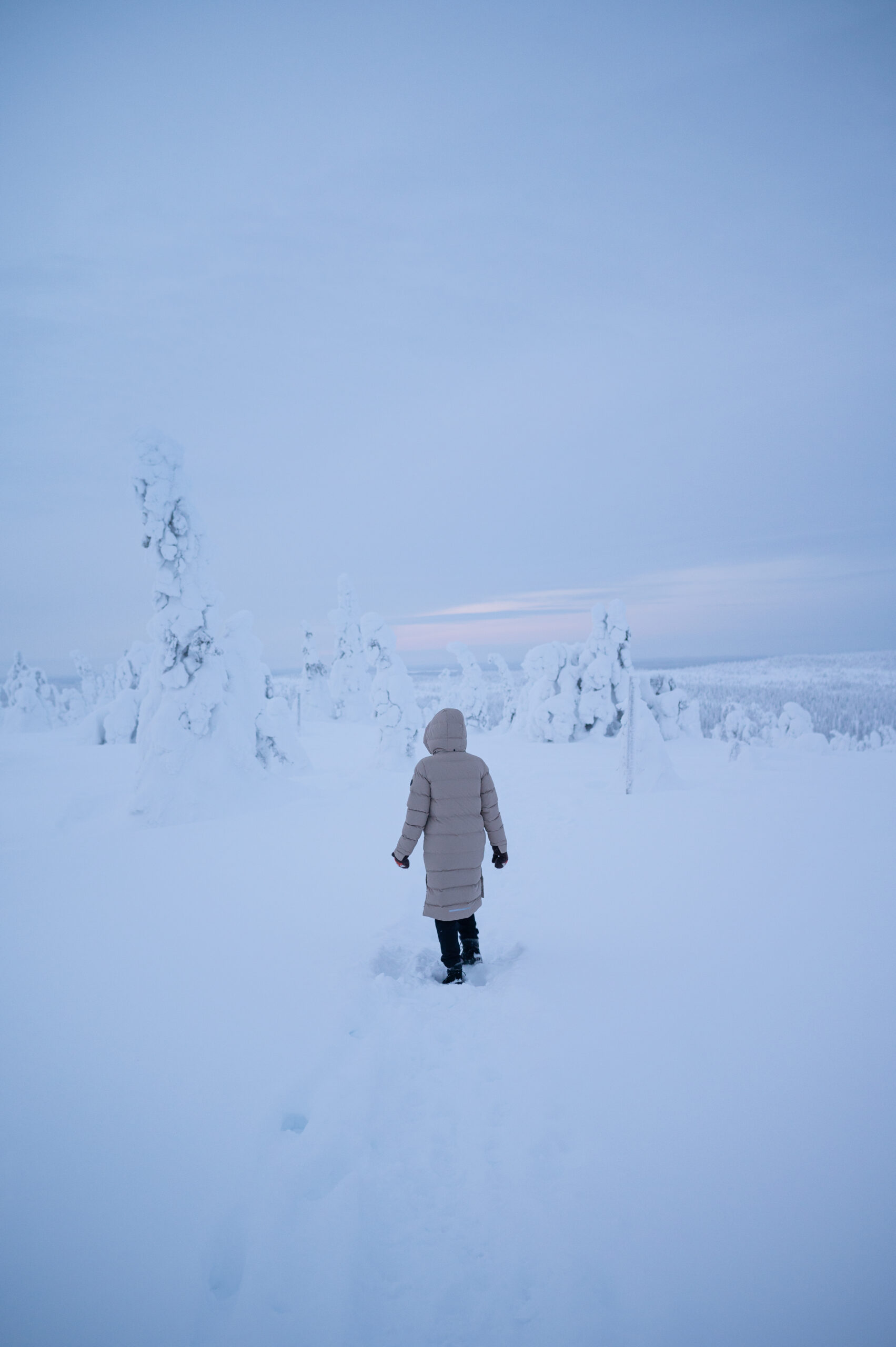
This guide is built from what we have learned living in Rovaniemi and writing about Lapland travel for years. Every detail below is from first-hand experience or from the live StayLapland product pages — never invented.
For Lapland in winter, dress in three layers: moisture-wicking thermal base, insulating mid-layer, and a windproof waterproof outer shell. Merino wool base layers and a down or fleece mid-layer work best. Hands, feet and face need the most protection — invest in serious gloves, wool socks and a balaclava. For activities like the Northern Lights Hunting Bus Tour5% off · HUNGRYTRAVELFAMILY5 or the Arctic Snowmobile Tour on Private Trails5% off · HUNGRYTRAVELFAMILY5, warm winter gear is provided on arrival — but your base layers and personal items must travel with you.
Our pick · 5% off with code HUNGRYTRAVELFAMILY5
Professional Guaranteed Northern Lights Hunting Tour from Rovaniemi by Bus
Live dates and prices open right here on this page — you book directly with StayLapland and stay on hungrytravelfamily.com.
Get our 3-Day Rovaniemi Planner (PDF)
Which tour on which day, real prices, what to wear, and the six mistakes that waste a night. We also send the code that takes 5% off every husky, aurora and snowmobile tour.
One email a month from Rovaniemi, unsubscribe any time. Check your inbox to confirm and the planner opens instantly.
Why Lapland Packing Is Different
Most winter destinations ask you to dress warmly. Lapland asks you to dress differently. The Finnish Arctic — particularly Rovaniemi, sitting right on the Arctic Circle — can hit -30°C in January and February. That’s not just cold; it’s a different physics. Wet cold (Amsterdam in November) saps heat through damp. Dry Arctic cold cuts through gaps, exposed skin and inadequate insulation before you even notice. You don’t shiver dramatically. You just get dangerously cold, quietly.
The other factor: you’ll be active. A Northern Lights tour has you standing outside in darkness for 4–5 hours. A snowmobile ride pushes 40–60 km/h headwinds straight into your face. Even walking from your hotel to a restaurant in -20°C at 8pm requires thought. This guide treats those realities, not the ones in generic “pack for winter” blog posts.
The Three-Layer System Explained
The three-layer system is the standard for Arctic dressing and it works — when you apply it correctly. The logic is simple: each layer has a job, and the system fails when any layer is skipped or swapped for fashion.
Layer 1 — Base (moisture management): This sits against your skin. Its job is to move sweat away from your body before it chills you. Merino wool is the best all-around option: it wicks, insulates even when damp, and doesn’t smell after a full day. Avoid 100% cotton — it absorbs moisture and holds it, which is dangerous in the Arctic. Synthetic thermal base layers (polypropylene, polyester blends) are fine for activity-heavy days when you’ll sweat more.
Layer 2 — Mid (insulation): This traps warm air against your body. Down is lightest for its warmth-to-weight ratio but loses insulating power when wet. Fleece stays warm when damp. For Lapland, a 300g fleece or a synthetic-fill insulated jacket is a reliable mid-layer. Some travellers wear both on extremely cold nights.
Layer 3 — Outer (wind and water protection): Lapland winters are mostly dry, but wind is constant and occasionally there’s light snowfall. Your outer layer must block wind and resist snow. It doesn’t need to be a heavy ski jacket — a slim windproof shell over a good mid-layer often performs better than one bulky ski coat that locks you into one warmth level.
What to Wear on Your Upper Body
Starting from the inside out for your torso and arms: a long-sleeve merino base (150–200g weight) works for most days. On the coldest nights (January–February below -20°C), go for 250g merino or add a second lightweight base. For your mid-layer, a zip-up fleece you can open when moving between warm indoors and cold outdoors prevents overheating. Your outer jacket should have adjustable cuffs, a high collar and ideally a helmet-compatible hood.
One Lapland-specific tip: most restaurants and guesthouses are warm — sometimes very warm. Layering means you can strip down quickly. Arriving in one giant insulated parka that can’t be unbuttoned discretely at a dinner table is uncomfortable. Flexible layering wins every time.
Legs, Feet and Hands
Legs follow the same three-layer logic, though many travellers under-pack here. Merino thermal leggings as a base, fleece-lined trousers or ski pants as a mid/outer, work well. Separate waterproof over-trousers (salopettes) are worth packing if you’re doing snowmobile or husky activities.
Feet: This is where most Lapland visitors suffer first. Thin cotton socks inside winter boots is a recipe for cold toes after 20 minutes. Wool socks — ideally merino or a wool blend — are non-negotiable. Two thin pairs is often better than one thick pair. Your boots should be rated to at least -30°C, with a thick sole for insulation from snow-packed ground. If you’re renting winter boots on an activity, they’ll usually be adequate — but your socks are your responsibility.
Hands: Mittens are warmer than gloves because your fingers share heat. Liner gloves inside mittens give you dexterity when needed (camera handling, zipping, checking your phone) without exposing your bare hands to -20°C air. Bring both. Touchscreen-compatible liner gloves are worth the small extra cost.
Headgear, Face and Neck
Your head loses heat disproportionately fast. A proper wool or fleece beanie that covers your ears fully is the minimum. A balaclava — either a full-face version or a tube scarf you can pull up over your nose and mouth — becomes essential below -15°C, especially on any moving activity.
Face skin is exposed and the most vulnerable part of your body in Arctic wind. A merino or fleece gaiter (neck tube) pulled over your chin and nose on the Northern Lights tour is one of those small items that makes the difference between an enjoyable experience and counting down the minutes until you’re back on the bus. Sunglasses or ski goggles are worth bringing for daytime, when sun on snow can be blinding even in mid-winter.
What Activities Provide vs. What You Bring
This matters more than most guides acknowledge. In Rovaniemi, well-run activity operators provide full winter gear — overalls, boots, helmets — as part of the booking. The Arctic Snowmobile Tour on Private Trails5% off · HUNGRYTRAVELFAMILY5 provides warm overalls, boots, gloves and socks, plus a helmet and balaclava — you don’t need specialist ski gear for a snowmobile excursion.
What operators do not provide: your base layers, your thermal socks, your liner gloves or your balaclava. These are the items that determine your comfort underneath the provided shell. Come with good base layers and you’ll be warm. Come in jeans and a cotton t-shirt and the best overalls in the world won’t fully compensate.
The Northern Lights Hunting Bus Tour operates from a warm bus and you’re outside at aurora locations for shorter spells — still cold, but intermittent. Your layering system still applies, but the tour format is less exposed than a multi-hour snowmobile route.
Common Packing Mistakes to Avoid
One big coat instead of layers: A single heavy ski jacket cannot adapt to going from -25°C outdoors to +22°C indoors multiple times a day. Layers can be added or removed.
Cotton base layers: “Cotton kills” is the old wilderness saying. In Lapland, cotton holds sweat against your skin and chills you faster than doing nothing at all.
Skipping hand and foot insulation: Fingers and toes go cold first, fastest, and hurt the most. Cheap winter gloves and thin socks will make you miserable on any activity lasting more than an hour.
Overpacking bulky outer layers: Two versatile mid-weight jackets pack smaller than one enormous parka and give you more warmth options. Same for trousers — packing one good thermal base and one ski/windproof outer is more flexible than three pairs of jeans.
Forgetting face protection: A balaclava or face gaiter weighs nothing and takes up no suitcase space. It is possibly the highest-value item you can add to a Lapland packing list.
Frequently Asked Questions
What temperature should I pack for in Lapland in winter?
Plan for -10°C to -25°C as a realistic range, with occasional dips to -30°C in January and February. December and March are generally milder, around -5°C to -15°C.
Do I need to buy special Arctic clothing, or will my ski gear work?
Good ski gear works well — ski trousers and a ski jacket with a proper thermal base underneath are solid choices. Purpose-built Arctic gear (rated to -40°C) isn’t necessary unless you’re spending most of your time outdoors. Ski gear with good base layers covers most Lapland activity needs.
Can I rent winter clothing in Rovaniemi?
Many activity operators provide outer gear (overalls, boots, helmets) as part of their bookings. Dedicated gear rental shops also exist in the city centre. However, base layers and personal items like thermal socks and liner gloves are not typically rented — bring your own.
What shoes should I pack for Rovaniemi?
Winter boots rated to at least -30°C for outdoor activities and evenings. A pair of warm indoor shoes or slip-on boots for restaurant visits and indoor spaces. Most guesthouses and restaurants have warm interiors — you’ll want something easy to remove at the door.
Do I need to buy merino wool, or are cheaper thermals fine?
Cheaper synthetic thermals work for active days when you’ll be moving and generating heat. For long stationary periods (like a Northern Lights watch), merino is noticeably more comfortable because it keeps insulating even when you’re not generating much body heat, and it doesn’t hold odour through a multi-day trip.
Is there anything I can buy in Rovaniemi if I forget something?
Yes — Rovaniemi has good outdoor shops (Prisma, outdoor gear stores) where you can pick up base layers, wool socks and gloves. Prices are reasonable. That said, planning ahead is worth it: the right base layer purchased at home weighs the same as the wrong one purchased under pressure on day one.
Final Word: Pack Smart, Not Heavy
The best Lapland winter packing list isn’t the longest one. It’s the one that covers every layer correctly with items that pack down small and work together. Merino base, fleece mid, windproof shell, proper wool socks, mittens over liner gloves, a balaclava, and boots rated for the Arctic. That foundation keeps you warm on any activity in any weather Rovaniemi throws at you in winter 2026–2027.
The rest — the big outer shell, the helmet, the overalls for snowmobiling — gets handled by the operators when you book activities through StayLapland. Use code HUNGRYTRAVELFAMILY5 for 5% off when booking through our links.
Check live dates and prices for Professional Guaranteed Northern Lights Hunting Tour from Rovaniemi by Bus
Pick your date below to see real-time availability. Enter HUNGRYTRAVELFAMILY5 at checkout for 5% off.
Browse our Rovaniemi picks
Tap a category to see every tour with live prices — it opens right here. Code HUNGRYTRAVELFAMILY5 gives you 5% off at checkout.
Code HUNGRYTRAVELFAMILY5 works on every StayLapland activity. We work with StayLapland and may earn a small commission — it does not change your price.
Get our 3-Day Rovaniemi Planner (PDF)
Tour-by-tour plan with real prices, plus the code that takes 5% off every StayLapland activity. One email a month, from Rovaniemi.