Swedish Lapland Road Trip: Driving Through the Arctic North
We drove Swedish Lapland in summer — from Luleå to Abisko under the midnight sun, through Kiruna and reindeer country. Here is everything we wish we’d known before we left Rovaniemi.
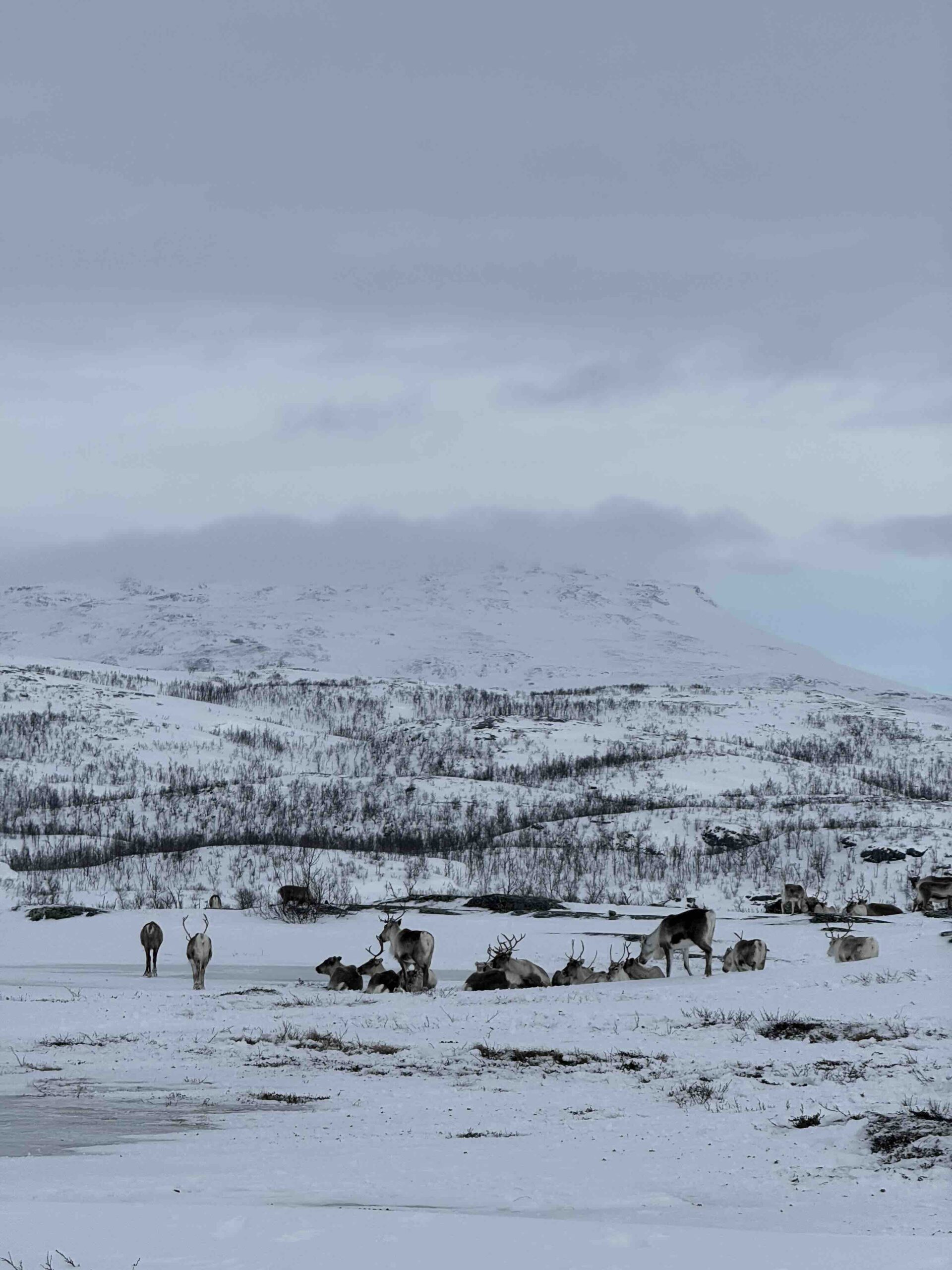
Swedish Lapland starts just across the border from where we live in Rovaniemi. We’ve driven this stretch of the Arctic North more than once — sometimes for a long weekend, sometimes as part of a bigger Scandinavia loop. What strikes you every time is how empty it feels. Finland already has space. Sweden’s north has more.
This is our honest guide to a Swedish Lapland road trip: what to drive, what to stop for, what the roads are actually like in summer, and the things that surprised us compared to driving in Finland and Norway.
A Swedish Lapland road trip is most rewarding on a 5–7 day loop that combines the E4 coastal corridor with the E10 inland route through Kiruna, Abisko, and the Torne Valley. Summer (June–August) gives you the midnight sun and open roads; the region is genuinely low-crowd compared to Norwegian fjords. Cross from Finland via Haparanda–Tornio or the Kilpisjärvi border, and budget for long drives between towns — distances are longer than they look on a map.
Planning the Swedish Lapland road trip route: E4 coast vs E10 inland
There are two natural spines to a Swedish Lapland road trip, and the best itineraries use both.
The E4 — the coastal highway
The E4 runs along the Gulf of Bothnia from just north of Umeå all the way up to Luleå and beyond. It is fast, well-maintained, and connects the bigger towns: Skelleftea, Piteå, Luleå. Think of it as your entry and exit corridor. It is not the scenic highlight of the trip — it is the logistics backbone.
The E10 — the inland route to Abisko
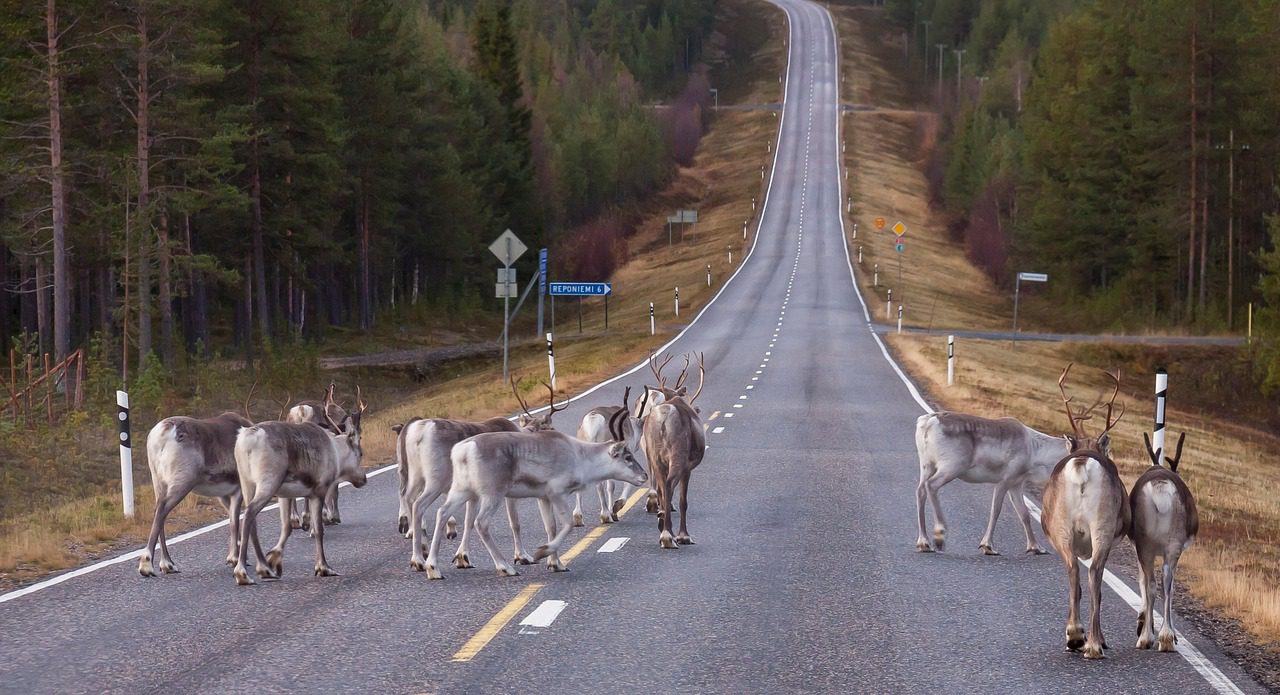
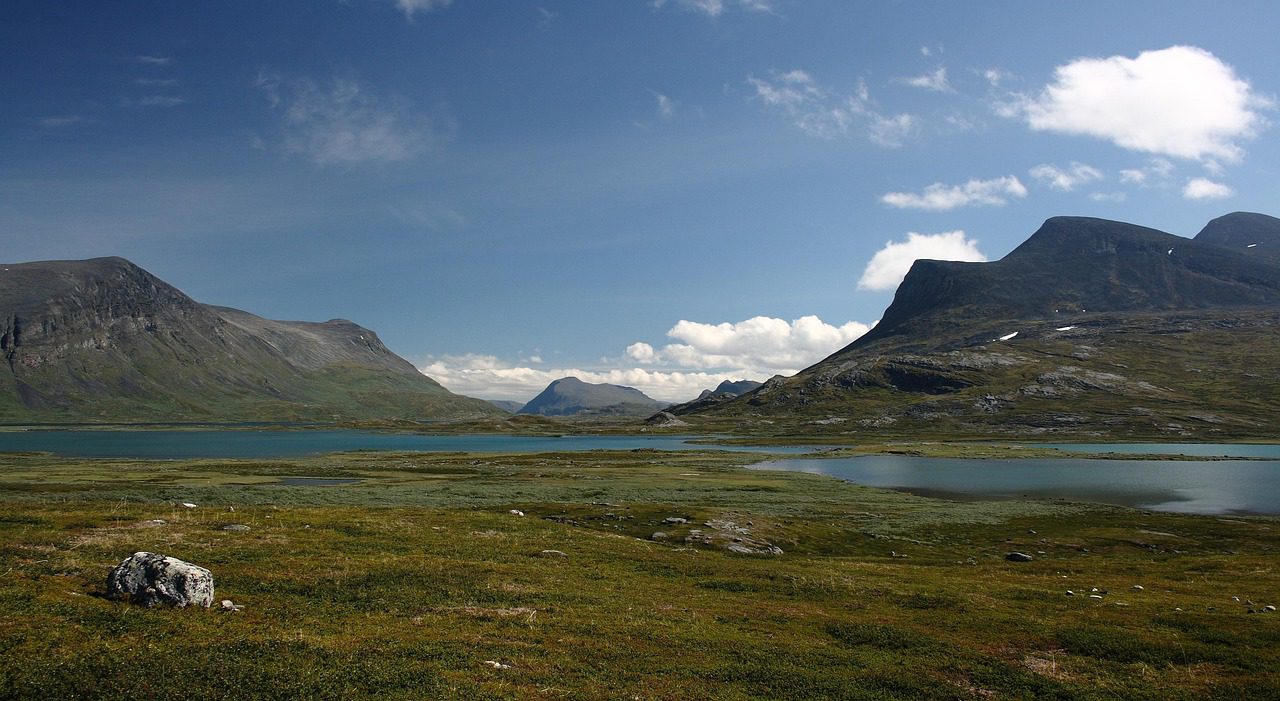
The E10 branches west from Luleå into the real interior: Gallivare, Kiruna, and eventually Abisko National Park before crossing into Norway at Riksgränsen. This is the road trip. The landscape opens up into something that feels genuinely Arctic — treeless fells, reindeer on the tarmac, lakes the colour of pewter. Give the E10 at least two or three days.
Our recommended route structure
- Day 1: Cross from Finland at Haparanda–Tornio. Drive north along the E4 to Luleå. Explore the Gammelstad church town (UNESCO).
- Day 2: Luleå to Gallivare via the E45. Stop at the Laponia World Heritage Visitor Centre.
- Day 3: Gallivare to Kiruna. Visit the relocated Kiruna town and the LKAB iron ore mine.
- Day 4: Kiruna to Abisko. Hike a section of the Kungsleden trail, swim in Lake Torne.
- Day 5: Abisko to Riksgränsen, then down into Norway via the Ofoten line corridor — or loop back east via the E10 to Kiruna and re-enter Finland via Kilpisjärvi.
How to get to Swedish Lapland from Finland (or Norway)
Because we live in Rovaniemi, crossing into Swedish Lapland is genuinely easy. There are three natural entry points depending on where you are starting from.
Entry options from Finland
- Haparanda–Tornio crossing (south route): the most popular border crossing, direct from Oulu or Rovaniemi via the E8. Haparanda is a twin city with Tornio — you cross the Torne River and you’re in Sweden without a border post. This is where we enter most of the time.
- Kilpisjärvi to Karesuando: the far-north crossing, best for a loop that includes Kilpisjärvi and the Three-Country Cairn. Quiet, spectacular, and adds a beautiful section of road through the fells.
- Kolari–Pajala (via road 99): the middle option, less used, and genuinely scenic through the Muonio valley.
Entry from Norway
- Riksgränsen crossing: if you’re driving from Narvik, you drop into Swedish Lapland right at the train station at Riksgränsen, which is the gateway to Abisko — essentially the world’s easiest “dramatic entrance” to the region.
Related Read If you’re planning the full Nordic loop, our Kilpisjärvi hiking guide covers the Three-Country Cairn and the border area in detail.
Swedish Lapland road trip highlights: 8 stops worth the detour
These are the places we actually stop, in rough road-trip order from south to north.
- Gammelstad Church Town, Luleå: UNESCO World Heritage. 424 cottages clustered around a medieval church — the largest preserved church town in Scandinavia. Worth an hour even if you’re not a history person; the scale of it is surprising.
- Luleå Archipelago: the Gulf of Bothnia coast up here has thousands of islands. Rent a kayak or book a guided archipelago boat trip — the light in June and July is extraordinary.
- Laponia World Heritage Area: the largest unmodified natural area in Europe, straddling Padjelanta, Sarek, Stora Sjöfallet, and Muddus national parks. You can’t drive in, but the visitor centre in Gallivare and day hikes on the fringes of Stora Sjöfallet are accessible.
- Gallivare & Dundret: the fell of Dundret above Gallivare is one of the classic Swedish Lapland midnight-sun viewpoints. The hike is about 3 km, the view is everything.
- Kiruna — the relocated city: the entire town centre has been moved about 3 km east to make way for an expanding iron ore mine. It is genuinely strange and fascinating — a functioning city mid-relocation, with a new town hall, new residential blocks, and the old ones still partially standing.
- ICEHOTEL, J¨kkasjärvi: just 17 km east of Kiruna, and genuinely worth a detour even in summer when the ice rooms have melted — the permanent year-round section stays cold, and the surrounding village on the Torne River is lovely.
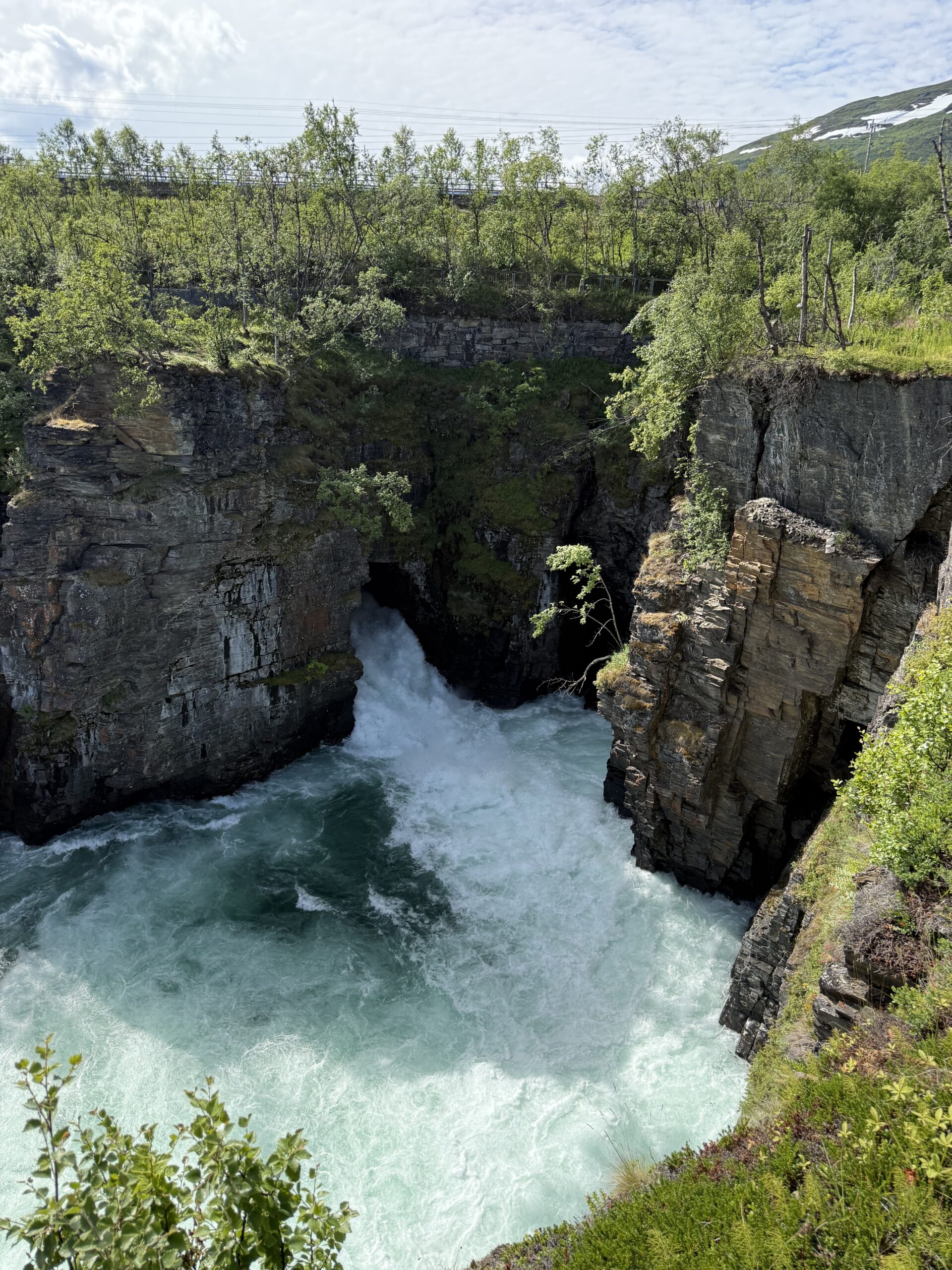
- Abisko National Park: the weather here is famously better than anywhere else in Swedish Lapland, thanks to a local microclimate. The Kungsleden trail starts here. Lake Torne (“Torneträsk”) is enormous and strikingly beautiful. The STF mountain station is one of the best-positioned base camps in the north.
- Riksgränsen: the tiny ski village right at the Norwegian border, with one of the most dramatic mountain settings in Sweden. In summer you can hike the ridgelines with views in every direction.
Arctic roads, midnight light, honest travel notes
We write about Nordic road trips, honest travel costs, and what it actually looks like to drive through the Arctic North. No ads, just the things we notice.
What the roads are actually like on a Swedish Lapland road trip
Road quality in Swedish Lapland is generally excellent on the main routes. A few things worth knowing before you drive.
The practical driving facts
- E4 and E10: full asphalt, well-maintained, fine in a regular car. No 4WD needed in summer.
- Minor roads (gravel): there are sections of gravel between Gallivare and Jokkmokk, and on the approach to some trailheads. Totally passable at normal speed; just slow down for washboard.
- Speed limits: 110 km/h on major roads, 70 km/h on smaller ones. Swedes follow speed limits carefully — more so than in Norway or Finland.
- Petrol stations: less frequent than you’d expect. Fill up in Gallivare and Kiruna before heading into the fell country. There are unmanned pumps (accept cards) in smaller towns, but don’t count on them being in service.
- Reindeer: Sami herding grazes across the road in summer. They move slowly and unpredictably. Drop to 50 km/h if you see one; the herd is often 200 metres back from the single animal you notice first.
- Moose (elk): the biggest road hazard in Sweden, particularly at dusk and dawn. Take moose-warning signs seriously; they are not decorative.
- Daylight in June–July: 24-hour daylight means you can keep driving at 2 am in full light. This is wonderful and slightly disorienting. Your body clock will need managing.
- Tyre note: if you’re crossing in May, check whether winter tyres are still required. In Sweden the law allows studded winter tyres until mid-April, but summer conditions typically come to northern roads in late May.
Swedish Lapland in summer vs autumn: which is better for a road trip
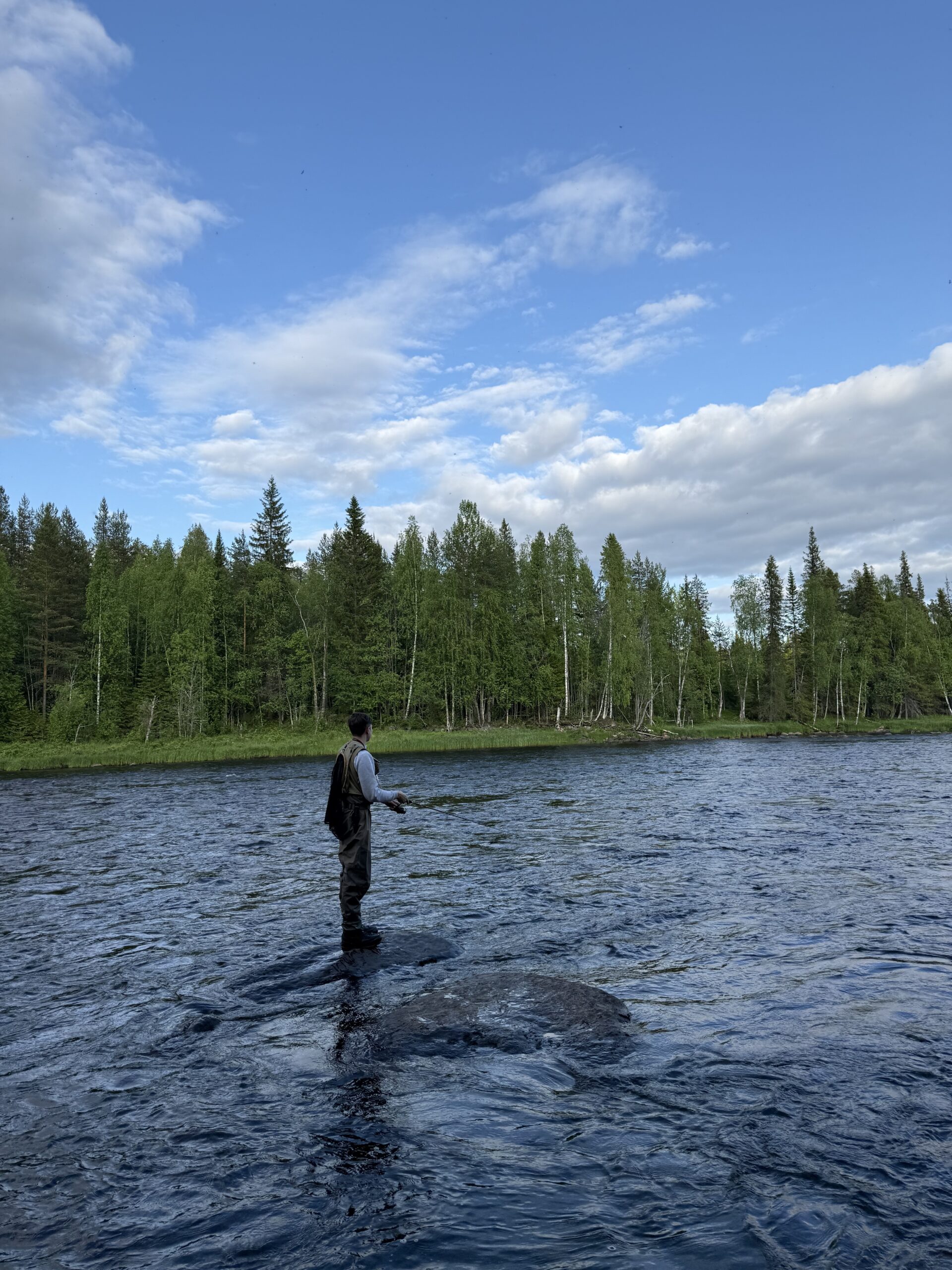
Both seasons are genuinely good, and they are very different experiences. Here is the honest comparison.
- June–July (midnight sun): the top pick for most road trippers. All roads are open, all services are running, and you get that extraordinary pale Arctic light at any hour of the day or night. The downside: mosquitoes inland are ferocious in July. Pack repellent. Book accommodation early — Abisko STF in particular fills fast.
- August: the mosquitoes thin out, berries appear on the fells, and the light starts to turn golden. Less crowded than July. The Kungsleden gets its heaviest traffic in August but still feels wild. Our personal favourite month for this drive.
- September (ruska — Arctic autumn): the birch turns gold and orange across the entire region. Temperatures drop fast and some mountain accommodation closes, but the colours are extraordinary. This is the season for photographers and hikers who want silence.
- October–November: roads can close, snow comes early to the fells, and dark nights start returning — aurora is possible but skies are often cloudy. Only for experienced cold-weather drivers.
Related Read Planning the wider loop? Our guide to Lofoten in summer pairs naturally with a Swedish Lapland road trip if you’re crossing into Norway at Riksgränsen.
Our honest Swedish Lapland road trip mistakes
- Underestimating the distances. Gallivare to Abisko looks short on a map. It is 200 km on mostly good roads, but there is nothing in between, and moose-speed caution adds 30 minutes. We once planned four stops between Kiruna and the Norwegian border and made two.
- Not booking Abisko STF in advance. The mountain station books out weeks ahead in peak summer. We found a cabin on our second trip; on the first we slept in the car because we assumed it would be fine. It wasn’t.
- Ignoring the mosquitoes. Our first July trip, we bought repellent in Kiruna. By then we had spent two nights as a meal. Bring it from home.
- Missing the Gammelstad church town. We drove past on the E4 assuming it was just another church. It is one of the genuinely unexpected highlights of the region — we went back on our second trip specifically for it.
- Not having Swedish krona. Most places take cards, but some unmanned petrol pumps and small höjfjellshöjden kiosks are cash-only. Having 500 SEK in your wallet avoids a stressful moment 40 km from the nearest ATM.
- Thinking 24-hour light meant no need for sleep planning. When it is bright at 2 am you will be tempted to keep going “just a bit further.” Then you notice you have been driving for seven hours and the next petrol station is 90 km away. Set a stop time and keep it.
Frequently asked questions about a Swedish Lapland road trip
How long does a Swedish Lapland road trip take?
Five to seven days gives you a proper experience: time in Luleå, two nights in the Kiruna–Abisko corridor, and a comfortable pace. You could rush it in three days but you would feel every km. Ten days lets you add Laponia trails or a Norway extension.
Do I need a 4WD or special car for Swedish Lapland?
No. The main routes (E4, E10, E45) are fully asphalted and perfectly fine in a regular family car in summer. A few gravel side roads benefit from higher clearance, but nothing is mandatory off-road.
Is Swedish Lapland expensive?
More than Finland, slightly less than Norway as a rule. Petrol is roughly on par with Finland. Accommodation in Kiruna and Abisko is pricey in peak summer; budget around €80–140 per night for a double room. Self-catering or camping cuts costs significantly.
Can I wild camp in Swedish Lapland?
Yes. Sweden’s Allemansretten (right to roam) allows free camping almost anywhere in nature, including pitching a tent by a lake or fell for one or two nights. Rules: no private gardens, no disturbing landowners, no fires on dry bare rock.
When is the best time to drive Swedish Lapland?
Late June to mid-August for midnight sun, good weather, and all services open. August is our personal sweet spot: mosquitoes thin out, the light turns golden, and the crowds from July have eased. September is spectacular for autumn colours but closes some mountain facilities.
Is the Kungsleden trail accessible on a road trip?
Yes, in day-hike form. The trail passes through Abisko, and you can walk 5–20 km sections and return to your car. For the full multi-day trek you would need to leave the car and plan a pickup or shuttle — or build the road trip around the trail.
A final word from Rovaniemi
We have driven Finnish Lapland, Norwegian Lapland, and Swedish Lapland. Each has its own character. Norwegian Lapland is dramatic and vertical — fjords, cliffs, the E10 to Lofoten. Finnish Lapland is the one we know best, and it has a particular softness, rolling fells and pine forest. Swedish Lapland sits between the two in feel, but in scale it goes further: the distances are bigger, the sky is wider, and the sense of being genuinely far north is more insistent.
What we keep coming back to is the quiet. You can drive for an hour in Swedish Lapland in June without passing another car, with the sun sitting on the horizon at midnight, throwing everything into that particular copper-and-shadow light that only happens up here. The Swedish Lapland road trip is not the most dramatic thing you can do in the Nordic north — but it might be the most meditative.
Cross at Haparanda, drive north, and see what the Arctic looks like when nobody else is watching.
Joona & Alla
A Finnish-Ukrainian couple living in Rovaniemi, Finland. Joona is a marketing professional in Lapland tourism; Alla is an AI Engineer. Together we’ve visited 25 countries and share honest, locally-grounded travel writing from our home in the Arctic.
Read our full story →