Is Norway Expensive for Road Trips? Our Real 2026 Budget
We drove Norway’s western fjords and Arctic north across two separate trips. Here’s every kr we spent — fuel, tolls, ferries, food, accommodation — and the exact Norway road trip budget 2026 travelers can realistically expect.

Norway has a reputation for being brutally expensive. We’d heard it for years from other travelers, and honestly, we’d been putting off a proper Norwegian road trip because of it. When we finally drove the western fjords one summer and the Arctic north another autumn, we tracked everything. Every meal, every toll, every ferry crossing, every night of accommodation. The result surprised us — and it will probably surprise you too.
Yes, a Norway road trip budget 2026 is higher than, say, a drive through Poland or Portugal. But it’s also far more manageable than the internet horror stories suggest — if you know where the money actually goes.
A Norway road trip in 2026 costs €80–120 per person per day on a moderate budget, or €130–180 per day if you prefer comfortable hotels. The biggest expenses are accommodation and food — not tolls, which many travelers overestimate. Budget travelers who camp or use cabins can get below €60 per person per day outside peak summer.
Our real daily spend breakdown (two trips, two people)
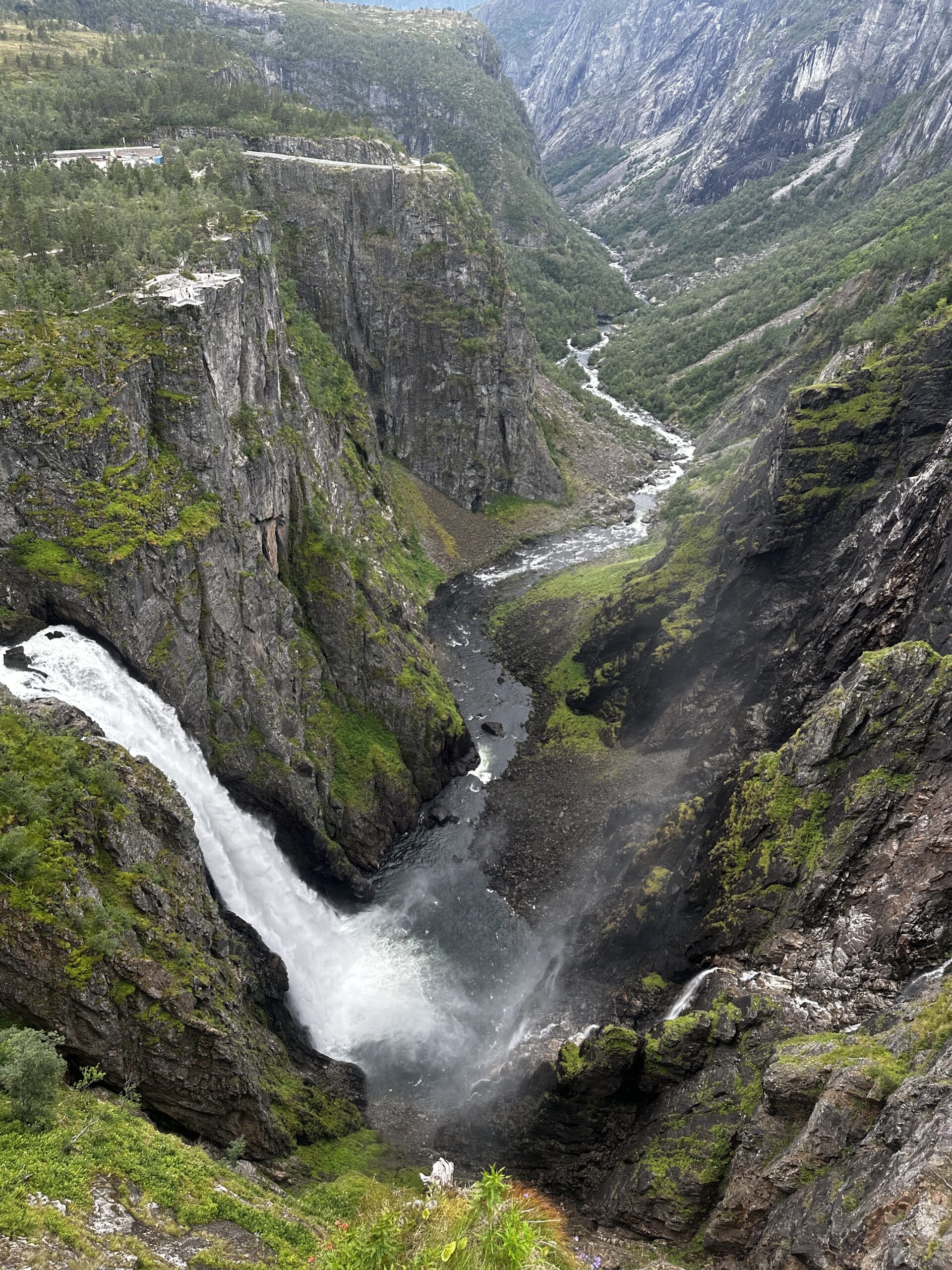
We did two Norway road trips: one westward loop from Finland through Lofoten and the fjords, another shorter autumn run along the E6 south from Tromsø. The numbers below are per person, per day, in euros at current exchange rates.
Western fjords + Lofoten road trip (12 days, two people)
- Accommodation (mix of cabins, camping, one hotel): €38/person/day average
- Food (mostly self-catered, 3–4 restaurant meals): €22/person/day
- Fuel (diesel hatchback, 1,800 km): €12/person/day
- Tolls + AutoPASS charges: €6/person/day
- Ferries (Lofoten, fjord crossings): €9/person/day
- Activities, entry fees, parking: €5/person/day
- Total average: €92/person/day
Arctic autumn E6 run (5 days, two people)
- Accommodation (two nights camping, three nights cabins): €28/person/day
- Food (mostly supermarket, one splurge dinner in Tromsø): €19/person/day
- Fuel: €10/person/day
- Tolls: €4/person/day
- Ferries: €3/person/day
- Activities: €4/person/day
- Total average: €68/person/day
The biggest costs on a Norwegian road trip — explained honestly
Most people are scared of the wrong things. Tolls are not the wallet-killer. Here’s what actually drives the cost up.
Accommodation: the main variable
Norway’s price spread for accommodation is enormous. A Norsk Turistforening (DNT) cabin costs around €20–35 per person per night with membership. A privately run hytte (cottage) in a scenic spot costs €120–250 per night for the whole unit. A hotel in Bergen or Ålesund in July easily tops €200 per room. Wild camping under Allemannsretten (the right to roam) is free. This single choice determines whether your trip costs €55 or €150 a day per person.
Food: supermarkets save your budget
Restaurant meals in Norway average €25–40 for a main course and a drink. A Rema 1000 or Kiwi supermarket meal (ready-cooked salmon, bread, vegetables) costs under €8 per person. We typically do one restaurant meal every three or four days, and supermarket picnics the rest of the time. Norway has excellent supermarkets, and eating like this doesn’t feel like deprivation — fjordside smoked salmon on crispbread is genuinely one of the best meals we’ve had on the road.
Fuel: predictable, not shocking
Norwegian fuel prices in 2026 are approximately 21–23 kr/liter for diesel (roughly €1.85–2.00/liter). A modern hatchback doing 6L/100km costs about €11–12 per 100 km, split between two people that’s €5.50–6.00 per 100 km each. A 1,500 km route (like a Lofoten loop from Bergen) costs around €165–180 total in fuel for the car. Not dramatic.
Tolls: annoying but not expensive
Norway’s AutoPASS toll system charges foreign vehicles automatically by camera. Most tolls are €1.50–4 per crossing. The big mountain tunnels and city ring roads add up, but on a rural route you might pay €8–15 total tolls per day. Lofoten has some crossings; the Atlantic Road has none. The E6 through Lapland is almost toll-free. We have a full Norway AutoPASS guide for foreign drivers if you want the exact numbers.
Ferries: plan them, they’re worth it
Car ferries in Norway are a proper cost and a genuine experience. The Bodø–Moskenes ferry to Lofoten costs around €70–85 per car (two passengers included, booked in advance). Shorter fjord crossings run €8–15 per car. Budget 3–4 ferry crossings for a western fjords route; they’re unavoidable and completely worth it.
Norway road trip budget 2026 — quick-reference cheat sheet
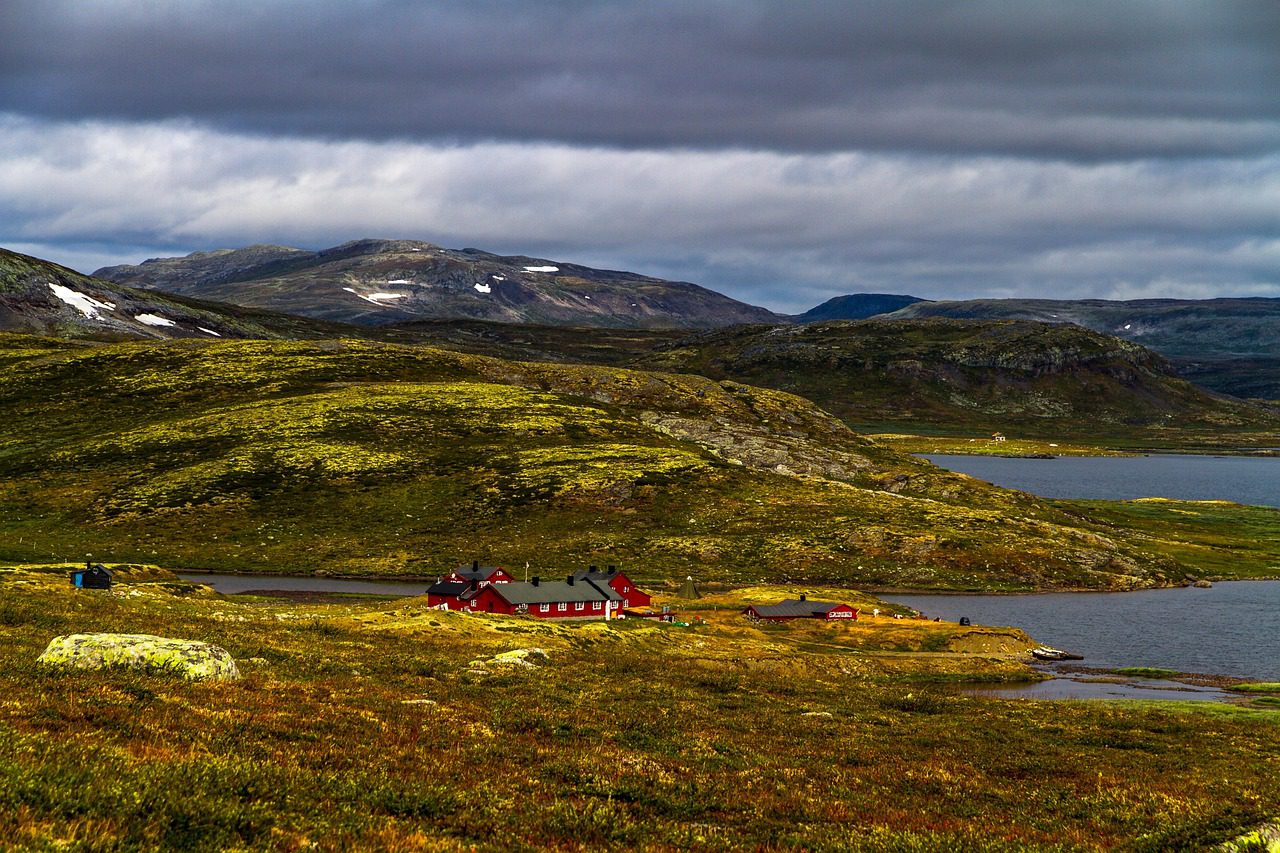
Print this or screenshot it. These are the real 2026 numbers for two people sharing costs.
- Wild camping (free under Allemannsretten): €0/night per person — legal everywhere except cultivated land
- DNT mountain cabin (member): €20–35/person/night — book in advance for staffed huts in summer
- Private hytte / holiday cottage: €60–125/person/night — huge range by location and season
- Mid-range hotel: €80–150/person/night — Bergen, Ålesund, Tromsø city centre
- Supermarket dinner for two: €15–25 total — salmon, bread, vegetables, a beer or juice
- Restaurant main + drink per person: €28–45
- Fuel per 100 km (diesel hatchback, 2 people): €5.50–6.50 each
- AutoPASS tolls per day: €4–15 per car (varies hugely by route)
Budget tips, real itineraries, honest guides
We send one email a month. Nordic travel, the Hungry way — no filler, no ads.
💡 Our campervan tip: prices for the same van vary a lot between rental brands. We compare Norway campervans across 160+ rental companies on CampervanPlanet — and code HUNGRYTRAVELFAMILY5 takes 5% off.
Ways to cut your Norway road trip costs without sacrificing the experience
- Camp whenever you can. Norway’s right to roam is real and genuinely liberating. We’ve pitched a tent by a lake, on a headland above the fjord, and on a hillside in Lofoten — all free and all legal. A good tent and sleeping bag pays for itself within three nights.
- Cook in the car or at campsites. A small camp stove costs under €30 and a pot of pasta with smoked salmon costs €3 per person. Factor in a thermos of coffee and you’ve saved €20 on breakfast alone.
- Book Lofoten ferries well in advance. Summer sailings sell out. Last-minute car spots can push you to a different departure and add a hotel night.
- Use Rema 1000, Kiwi, and Coop Extra — Norway’s budget supermarket chains. Avoid Meny and Spar for everyday shopping (they’re noticeably pricier).
- Drive outside July. June and August are meaningfully cheaper for accommodation. May is shoulder season with barely any crowds at the fjords, and most of the natural attractions are wide open.
- Pick your tolls wisely. Some mountain roads have a free alternative just a few minutes longer. Google Maps rarely shows you the cheapest option; plan ahead with AutoPASS.
Where to splurge and where to save on a Norway road trip

The key to feeling like you didn’t miss out while also not overspending is knowing which splurges actually pay off.
Worth splurging on
- One night in a rorbu (traditional fisherman’s cabin) in Lofoten. It’s €120–200 for the cabin total, but it’s the most iconic Norway experience and nothing replaces waking up with the mountains over the water.
- The Flåm Railway or Nærøyfjord boat cruise. Yes, they’re touristy. Yes, they’re expensive (€40–65 per person). Also yes, they’re completely worth it once.
- Fresh shrimp from a harbor stall. In Bergen or Ålesund, a bag of freshly boiled shrimp for €12 eaten on a dock is the best lunch you’ll have in Norway.
- A guided hike with a local in a remote area. Not cheap, but some of Norway’s most spectacular locations (Trolltunga, Preikestolen in early season) are safer and richer with local knowledge.
Where to save
- City hotels. Bergen and Ålesund are charming but expensive to sleep in. Stay 20 minutes outside and drive in for the evening — parking is usually available and the scenery improves.
- Restaurant lunches. Even in expensive cities, supermarket smoked salmon is better value than a €20 soup-and-sandwich combo at a tourist café.
- Touristy souvenir shops. The trolls and Viking mugs are the same price everywhere, and you can find better local craft work at smaller shops at half the cost.
The budget mistakes we made (so you don’t have to)
- Not booking the Lofoten ferry ahead. We missed our sailing by two minutes on one trip, which meant an extra hotel night in Bodø and a morning wasted. In July, the next available car slot was 18 hours later.
- Arriving in Bergen on a Friday evening without a reservation. Weekend prices in Bergen in summer are genuinely brutal. We ended up in a business hotel at €180/room because everything else was sold out. Book accommodation before you arrive in any Norwegian city.
- Buying lunch at petrol stations. Norwegian motorway service stations charge restaurant prices for sandwiches. A Narvesen hot dog is €4; a Kiwi-bought equivalent is €1.20. Plan ahead with a cool bag.
- Driving the most direct route instead of the scenic one. Norway’s 18 designated National Scenic Routes are free to drive and some of the most spectacular roads anywhere. We once paid a toll to bypass one because we were in a hurry, and immediately regretted it.
- Ignoring the DNT cabin system. We didn’t take DNT membership seriously until our second trip. Membership costs around €65/year and pays for itself in two nights at staffed cabins. If you’re doing any hiking or multi-day driving in fjord country, get the card.
- Exchanging euros at the airport. Norwegian kr exchange rates at Gardermoen or Bergen Airport are terrible. Use a Revolut, Wise, or similar card everywhere — ATMs give near-interbank rates in Norway.
Book your Norway campervan
Compare prices across 160+ campervan and motorhome rental brands, get a free 1GB eSIM with every booking — and 5% off with code HUNGRYTRAVELFAMILY5.
Check prices & availability →Frequently asked questions
How much does a 7-day Norway road trip cost for two people in 2026?
Budget roughly €1,100–1,400 for two people for 7 days if you mix camping/cabins with the occasional hytte, cook most meals, and use a small fuel-efficient car. That’s around €80–100 per person per day. A hotel-and-restaurant trip for the same route would run €1,800–2,400 for two.
Is Norway more expensive than Iceland for a road trip?
They’re very similar. Iceland’s accommodation and food are marginally pricier in the summer peak, but Norway’s ferries and urban accommodation can match Iceland’s costs. Both are significantly cheaper than they appear if you self-cater and camp.
Do Norway road trip tolls really add up to a lot?
Less than most people expect. On a rural route avoiding city ring roads, you might pay €20–40 total in tolls for a full week. The major cost that surprises people is accommodation, not AutoPASS. We have a detailed Norway AutoPASS guide for foreign drivers with current rates.
What’s the cheapest way to sleep on a Norway road trip?
Wild camping under Allemannsretten is completely free and legal everywhere except within 150 metres of an inhabited house or cultivated land. You need a tent and a sleeping bag rated to at least 0°C even in summer, because Norwegian nights get cold. DNT self-service huts are the next cheapest option at €15–25 per person.
When is the cheapest time for a Norway road trip?
May and September give you the best cost-to-experience ratio. Accommodation is 20–40% cheaper than July, roads are quieter, ferries are bookable last-minute, and the scenery is arguably better (spring wildflowers in May, autumnal colour and aurora possibility in September). June is also good before school holidays kick in.
Can you road trip Norway on a budget without a campervan?
Absolutely. A standard rental car and a good tent is cheaper than hiring a campervan, and you have more flexibility. Wild camping spots are everywhere. The main advantage of a campervan is the kitchen — replicable with a €30 camp stove and a cool bag in the boot of a normal car.

A final word from Rovaniemi
We drove Norway in a small diesel hatchback with a tent in the boot and a week’s worth of Rema 1000 supplies, and it was one of the best road trips we’ve ever done. The fjords are worth every kroner. The Atlantic Road is free. The wild camping spots are the ones you’ll show people on your phone for years.
Norway is expensive — but it’s expensive in the same way that eating at a great restaurant is expensive. You know exactly what you’re paying for. The mistake is letting cost anxiety talk you out of a trip that is, kilometre for kilometre, one of the most spectacular drives on the planet.
Our honest take: plan for €90–100 per person per day on a moderate budget, set aside an extra €15–20 per day for the one or two moments where spending more is clearly right (the rorbu, the fjord cruise, the freshly boiled shrimp), and you’ll come home having spent less than you feared and seen more than you imagined.
Keep your crypto offline, not in an exchange app
Any crypto we hold lives on a Trezor hardware wallet — a small offline device in a drawer in Rovaniemi, not on a phone that crosses borders every month. If you’ve been meaning to sort that out, this is the link we’d send a friend.
Joona & Alla
A Finnish-Ukrainian couple living in Rovaniemi, Finland. Joona is a marketing professional in Lapland tourism; Alla is an AI engineer. Together we’ve visited 25 countries and share honest, locally-grounded travel writing from our home in the Arctic.
Read our full story →