Norway’s Jotunheimen National Park: A Summer Hiking and Driving Guide
We drove into Norway’s “home of the giants” in high summer and came out changed. Here is everything you need to plan the best few days of your Norway trip.
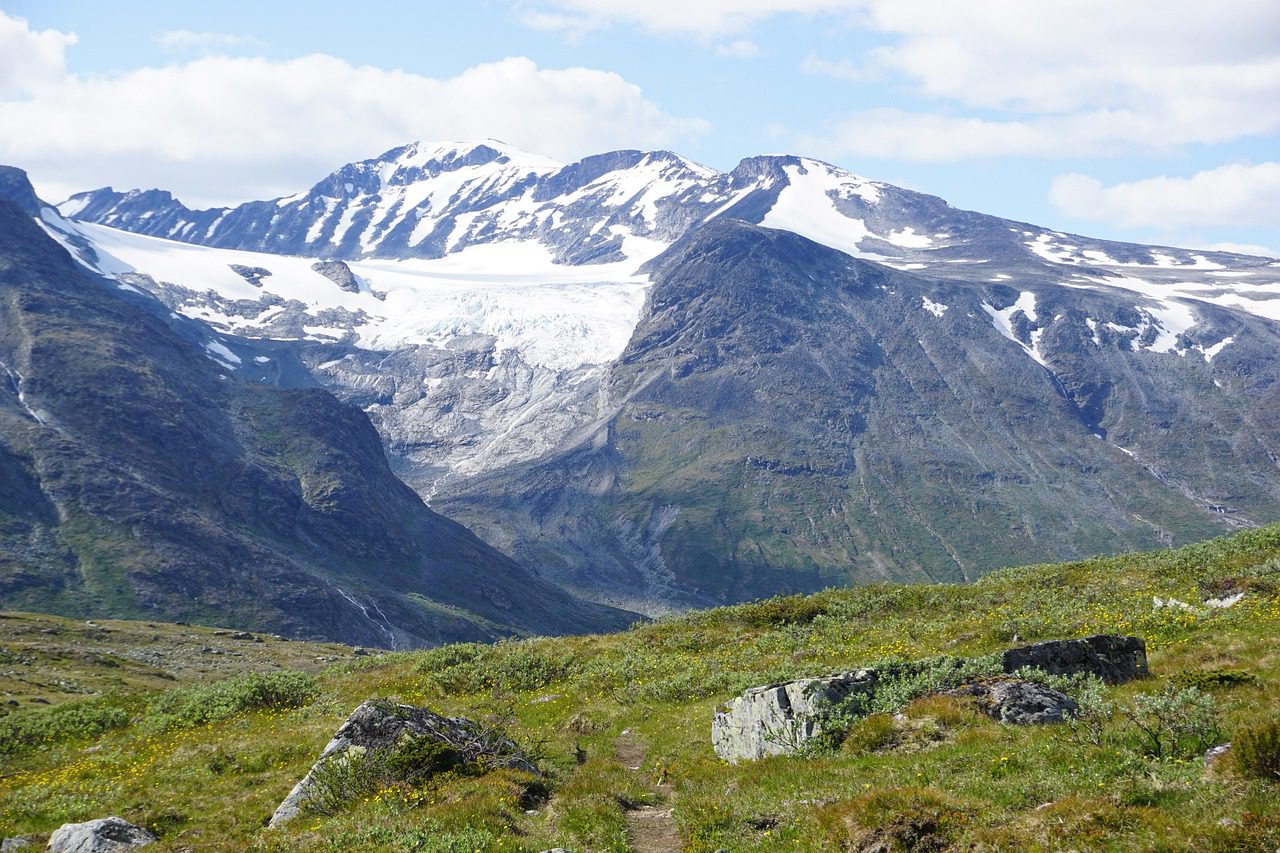
We have driven a lot of Norway from our base in Rovaniemi — fjords, scenic routes, coastal roads, Arctic highways. But nothing quite prepared us for Jotunheimen. This is the park where Norway stops being scenic and starts being serious. Fifty-five peaks above 2,000 metres. Two of the highest summits in Scandinavia. Trails that have been worn into the granite by hikers for over 150 years.
We visited in summer, when the snow retreats just enough to open the high trails. Here is the guide we wish we had before we went.
Jotunheimen is Norway’s most dramatic national park and the best summer hiking destination in Scandinavia. Visit late June through August for open trails, long daylight, and the chance to summit Galdhøpiggen (2,469 m). Drive in via the Sognefjellsvegen (Rv55) for one of Europe’s most spectacular mountain roads, or base yourself at Lom, Bøverdalen, or Gjendesheim to access the park’s best trails.
What makes Jotunheimen worth visiting in summer
Norway has roughly 50 national parks. Most visitors head straight to the fjords — Geiranger, the Nærøyfjord, the Hardangerfjord. Jotunheimen gets far less tourist traffic despite being, in our opinion, the most physically spectacular place in the country. The name translates roughly as “home of the giants,” and when you stand at Gjendesheim and look across Lake Gjende toward the ridge of Besseggen, you understand why the Norse named it that.
Why summer is the peak season here
Unlike many Norwegian destinations that peak in winter, Jotunheimen is fundamentally a summer park. The high trails — including the famous Besseggen ridge and the Galdhøpiggen summit route — are only fully accessible from late June to early September, when the snow has melted enough to walk safely. You also get extraordinary light: at peak summer, it is still bright at 11 pm in the mountains, and the long golden hours make photography and extended hiking possible in ways that just don’t exist in the Alps in midsummer.
The 2026 “coolcation” angle
- Temperatures: summer highs in the valleys run 15–22°C; above 1,500 m, expect 5–12°C even in July. This is the Nordic cool that travellers escaping southern European heat are actively seeking.
- Crowds are manageable: Besseggen is Norway’s most-walked ridge, but visitor numbers are still a fraction of, say, the Cinque Terre. You will rarely be alone, but you will never feel crushed.
- Accessibility: the park sits roughly 4–5 hours from Oslo by car, making it viable for a long weekend or as a detour on a broader Norway road trip.
When to go and how to get there
Timing and access are the two most practical questions we get about Jotunheimen. Here is what we learned the hard (and the easy) way.
The summer window
- Late June: trails open progressively. Some high routes still have snow patches. Snowmelt makes rivers fast — check river crossings. The park is quiet and green.
- July: the sweet spot. Everything is open, flora is in bloom, and the Sognefjellsvegen road runs perfectly. Warmest nights, longest light.
- August: still excellent. Slightly less daylight, berries ripening, autumn colours beginning at high altitude. Trails less crowded than July.
- September: shoulder season begins. Mountain huts close one by one from mid-month. First snowfalls possible on peaks. Glorious colours, very few people.
Getting there
- By car from Oslo: take the E6 north to Otta, then Rv15 west toward Lom. From Lom you access the park from the north (Bøverdalen → Juvasshytta for Galdhøpiggen) or continue on Rv55 south over the Sognefjellet. Total drive: about 4–5 hours from Oslo.
- By car from our Finland base: we drove from Rovaniemi down through Tromsø and into Norway’s interior. Jotunheimen is roughly 14–16 hours of driving from northern Lapland, typically split over two days. Worth every kilometre.
- By public transport: buses run from Oslo to Otta (train also available), and from Otta a summer bus service runs to Gjendesheim. It is doable but limits your flexibility considerably — a rental car genuinely transforms what you can see here.
Related read Planning a broader Norway road trip? Our guide to Norway’s 18 scenic routes ranked pairs perfectly with a Jotunheimen visit — the Sognefjellsvegen is one of them.
The best Jotunheimen hikes: quick-reference guide
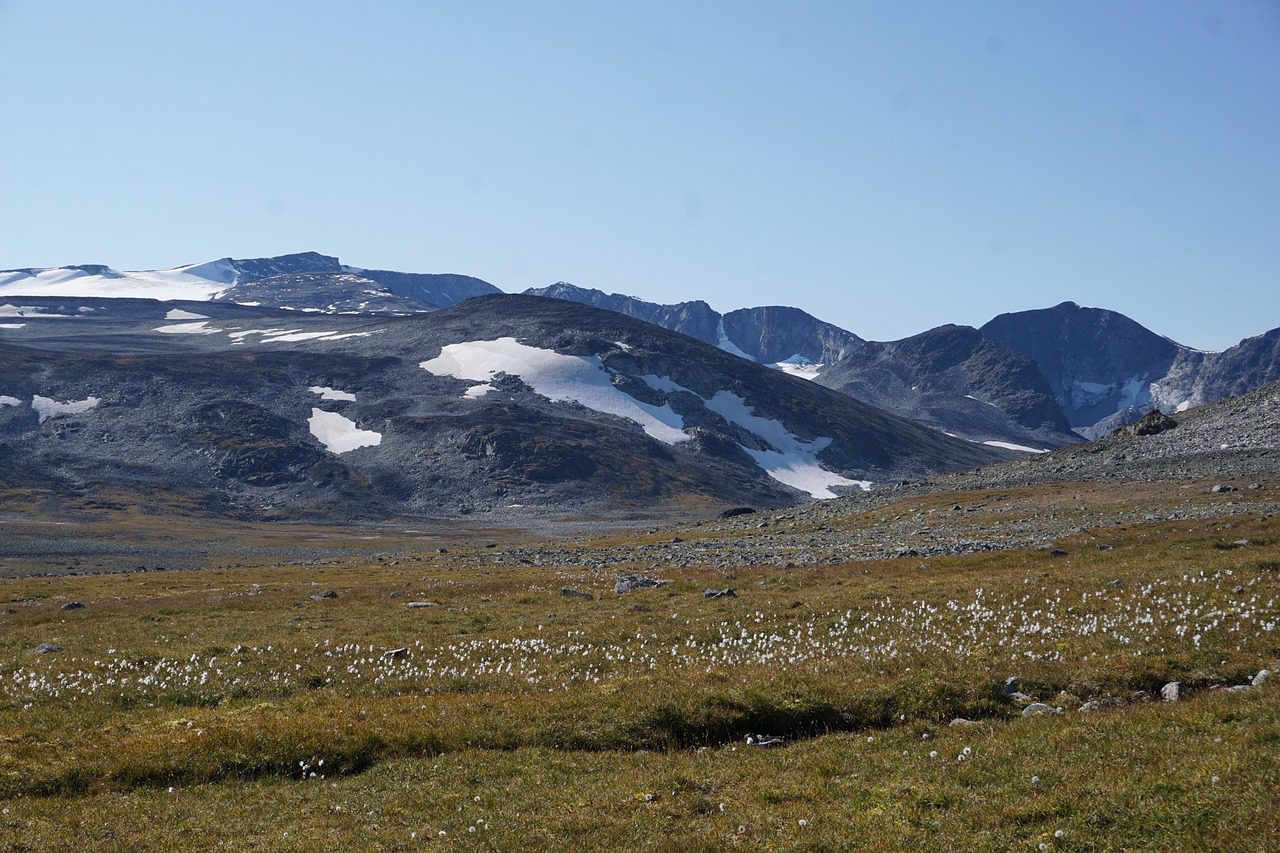
These are the eight hikes we consider essential or worth knowing about. We have done all of them or spoken to people who have, and the ratings are honest.
- Besseggen Ridge — 15 km, 7–9 h. Norway’s most famous day hike. The narrow ridge between two brilliantly coloured lakes (Gjende and Bessvatnet) is as spectacular as every photograph promises. Start from Gjendesheim by boat to Memurubu. Difficulty: moderate-hard. Worth every step.
- Galdhøpiggen Summit via Juvasshytta — 10 km return, 4–5 h. The highest point in Scandinavia (2,469 m). Summer guided glacier crossing is available and recommended — don’t go without a guide in early summer when snow bridges are unstable. Difficulty: hard. Views: unmatched.
- Glittertind — 18 km, 7–8 h. The second-highest peak (2,465 m). Less visited than Galdhøpiggen but arguably more interesting trail. Start from Spiterstulen hut. Difficulty: hard.
- Krossbu to Sognefjellshytta — 12 km, 5–6 h. A gentler high-plateau traverse with extraordinary views. Good if you want a full-day outing without technical climbing. Difficulty: moderate.
- Gjendebu to Memurubu (lake path) — 9 km, 3–4 h. A lower, more accessible trail along Lake Gjende. Perfect if Besseggen feels too committing. Difficulty: easy-moderate.
- Fannaråken — 14 km, 6–7 h. High ridge hike with one of the best 360° panoramas in Norway. Start near Turtagrø. Difficulty: hard. Quiet relative to Besseggen.
- Bygdin to Eidsbugarden traverse — 12 km, 5 h. A boat-assisted hike across Lake Bygdin with good trail through high terrain. Difficulty: moderate.
- Leirvassbu day hike (Storjuvtinden) — 10 km, 4–5 h. A less-known summit with remarkable valley views. Difficulty: moderate-hard.
Get our best Nordic travel stories first
One email a month. No fluff. Just honest advice from a couple who lives in the Arctic and travels every chance we get.
Tips and warnings for driving the Sognefjellsvegen
The Rv55 Sognefjellsvegen is Norway’s highest mountain road and one of the great drives in Europe. It runs from Lom in the north over a 1,434 m pass and down to the Lustrafjord arm of the Sognefjord. We drove it twice and could have done it ten times more.
- Check the opening date: the road typically opens in May–June, depending on snowmelt. Check Statens vegvesen (Norwegian road authority) before you go. In heavy snow years it can open as late as mid-June.
- Drive slowly: not just because it is safe, but because every corner reveals something extraordinary. Waterfalls, glaciers, grazing reindeer. Budget at least 2–3 hours for the drive even though it is only 100 km.
- Stop at Krossbu and Turtagrø: these mountain lodges have views that stop you cold. Both serve food and have basic accommodation if you want to stay.
- Fuel up in Lom: there are very limited services between Lom and the fjord. Tank up before you leave.
- Wind can be extreme at the pass: we had gusts that made the car shudder. Motorcyclists and cyclists should check wind forecasts. The pass is a proper mountain environment — treat it as such.
- If it is foggy, wait: the Sognefjellsvegen in thick cloud is still fine to drive, but you will miss everything. We waited two hours at Lom once for cloud to lift and were rewarded with the clearest drive imaginable.
Where to stay and eat in and around Jotunheimen
Accommodation in and around Jotunheimen falls into three categories: mountain huts (DNT hyttes), full-service mountain lodges, and towns at the park entrance. Here is an honest comparison.
- DNT mountain huts (staffed): Gjendesheim, Memurubu, Gjendebu — these are the classic Norwegian mountain experience. Basic but warm, with dorm beds and hot meals. Book well ahead in July; these fill up weeks in advance.
- Juvasshytta: the base for Galdhøpiggen summit hikes. Comfortable hotel-style rooms, breakfast included, spectacular mountain setting. We stayed here and would do so again.
- Spiterstulen: the base for Glittertind and other southern Jotunheimen hikes. More remote, basic rooms, legendary among serious hikers.
- Lom: the nearest proper town, 30 minutes north of the park. Good range of guesthouses and hotels. The bakery in Lom (Bakeriet i Lom) is genuinely famous and worth stopping for. We bought loaves to carry into the mountain for two days.
- Bøverdalen valley: a string of farms and guesthouses leading up toward Juvasshytta. Quieter than Lom, beautiful valley setting.
- Camping: wild camping is legal in Norway under Allemannsretten (everyman’s right). Keep 150 m from the nearest dwelling and leave no trace. We wild-camped once in the park and it was one of the best nights of our Norway travels.
Also useful Wondering about the wild camping rules? Our post on wild camping by car in Scandinavia covers the Allemannsretten (everyman’s right) in detail for Norway, Sweden, and Finland.
What we got wrong — and what we learned
- We underestimated the weather window. Jotunheimen makes its own weather. We arrived with a clear forecast that turned into horizontal sleet at 1,500 m within two hours. Always carry full waterproofs, even in July, no matter what the app says.
- We booked Besseggen too tight. The Gjendesheim boat to Memurubu (the standard start for Besseggen) sells out days in advance in peak July. We nearly missed it. Book the boat when you book your accommodation — they are linked.
- We drove the Sognefjellsvegen in the wrong direction. Lom to the fjord gives you the classic descent with the best views. We drove south to north first and had to turn around. Drive Lom-to-fjord for the best experience.
- We ate all our trail food on day one. Norwegian mountains are remote. There are no cafes above 1,200 m. Carry more food than you think you need, especially on multi-day routes.
- We skipped the stave church in Lom. It is a 12th-century wooden stave church that has survived since the Middle Ages. We drove past it on the way in, thinking we would stop on the way back. We didn’t. Don’t make the same mistake.
- We assumed the trails would be obvious. Some high routes use cairns that are hard to follow in mist. Download the trail offline via the Norwegian Trekking Association (DNT) app or Komoot before you go — cell service in the park is minimal.
Frequently asked questions about Jotunheimen in summer
How many days should I spend in Jotunheimen?
We recommend at least three days. One day for the Besseggen ridge (which is long and needs a full day), one day for the Sognefjellsvegen drive with a shorter hike, and one flex day for a summit attempt or simply exploring. More days reward you with Glittertind and the quieter corners of the park that most visitors miss.
Is Jotunheimen suitable for beginner hikers?
Parts of it are, and parts of it absolutely are not. The lakeside paths and valley walks around Gjendesheim are accessible to most walkers. Besseggen itself is not technical climbing, but the ridge is narrow and exposed — a bad slip can be serious. Galdhøpiggen via the glacier requires a guided tour in early summer. Be honest about your fitness and experience level before committing to the high routes.
Do I need a permit to hike in Jotunheimen?
No. Norway’s national parks are free to enter, and trails require no permit. You do need to book and pay for the Gjendesheim–Memurubu boat if you are doing Besseggen, and DNT mountain huts charge a nightly fee (cheaper if you are a DNT member, which costs about 700 NOK per year and is worth it for frequent visitors).
When does the Sognefjellsvegen road open?
Typically between late May and mid-June, depending on the winter snowpack. Check Vegtrafikksentralen (the Norwegian road traffic authority website) for current conditions and the exact opening date. In an average year, it is reliably open from mid-June through late September.
Is it worth driving from Oslo just for Jotunheimen?
Yes, with little hesitation. The 4–5 hour drive from Oslo is entirely straightforward, and the park delivers some of the most dramatic scenery in all of Europe. If you have a long weekend, even two full days in the park is transformative. Add a night in Lom and the Sognefjellsvegen drive and you have one of the best short breaks on the continent.
What is the difference between Jotunheimen and the fjords?
They are completely different experiences. The fjords — Geiranger, Nærøyfjord, Hardanger — are about water, depth, and drama from below. Jotunheimen is about raw mountain terrain, elevation, and the feeling of standing on top of Scandinavia. Many Norway visitors do both on one trip, and they complement each other perfectly — the Sognefjellsvegen literally connects the two worlds.
A final word from Rovaniemi: why Jotunheimen changed how we think about Norway
We moved to Rovaniemi from a city and became people who drive through mountain passes on weekdays for the fun of it. Lapland gave us that. But Jotunheimen gave us something different — a reminder that Scandinavia’s mountains are not just scenery, they are genuinely formidable. The kind of place where you feel small in the best possible way.
The “Jotunheimen summer” search trend reflects something real. This is not hype. It is a place that delivers on its reputation completely, and one of the few European destinations where we have never heard anyone say they were disappointed. If you are building a Norway itinerary and wondering whether to add the mountain interior to the fjord coast, add it. You can combine both on a single loop — down through Jotunheimen on the Sognefjellsvegen, out to the Sognefjord, and back north via the western fjords.
We will be back. Probably in September, when the valleys turn gold and the trails empty out. But honestly, in July, standing on that ridge above the turquoise shimmer of Gjende, we would not have changed a single thing.
Joona & Alla
A Finnish-Ukrainian couple living in Rovaniemi, Finland. Joona is a marketing professional in Lapland tourism; Alla is an AI Engineer. Together we’ve visited 25 countries and share honest, locally-grounded travel writing from our home in the Arctic.
Read our full story →