Iceland in October: Shoulder Season, Northern Lights, and Fewer Crowds
October in Iceland means returning darkness, the first real chance at northern lights, empty roads, and prices that finally drop. We’ve been — here’s exactly what to expect.
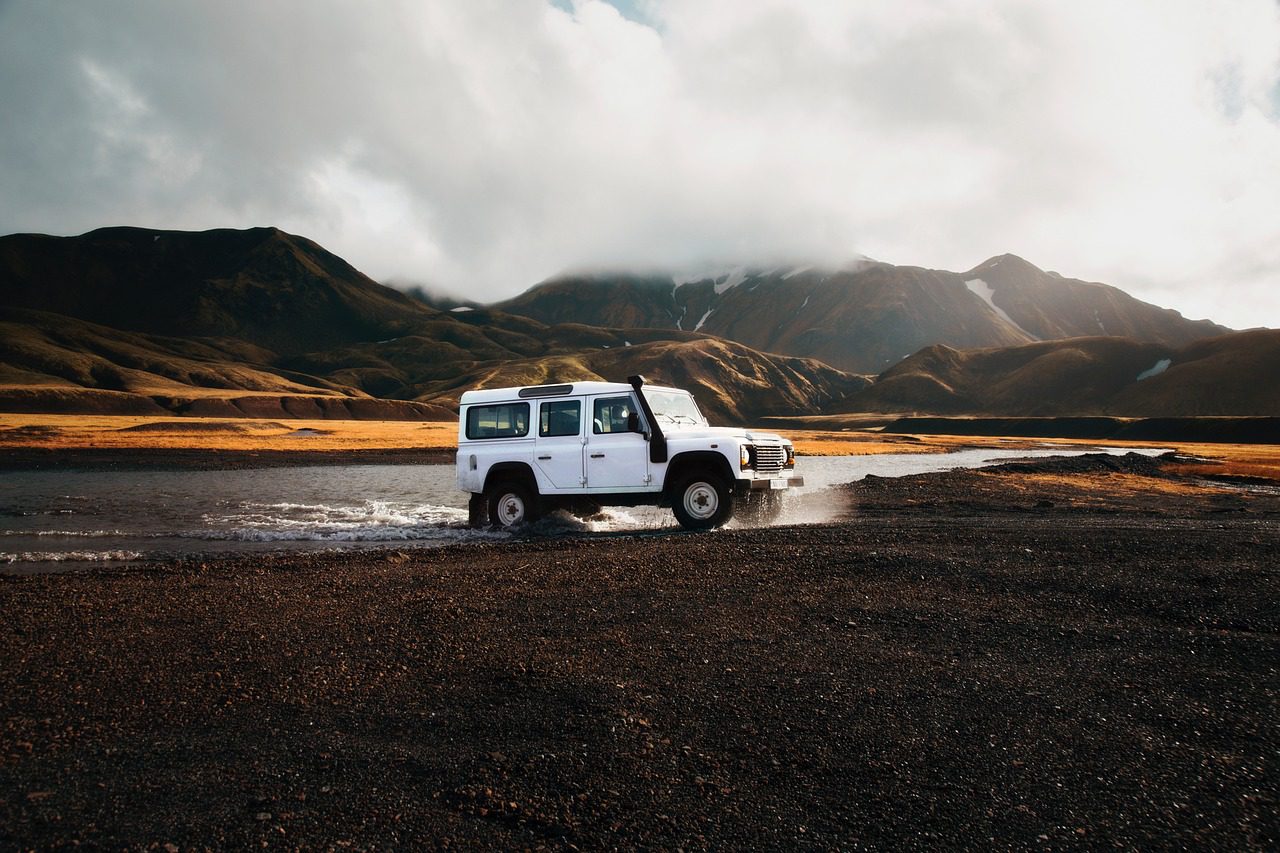
We first visited Iceland in summer — midnight sun, tourist buses on the Ring Road, and prices that made our Finnish wallets wince. When we came back in October, it felt like a different country. The light was low and golden, the roads were nearly empty, and for the first time we actually saw the northern lights dancing over Þingvellir. October is Iceland’s shoulder season in the truest sense: summer’s crowds have left, winter’s storms haven’t arrived yet, and the island is somewhere between raw and magical.
This is our honest guide to visiting Iceland in October — what works, what doesn’t, and whether it’s worth adjusting your dates for.
Iceland in October offers the best of both seasons: roads and highland tracks are still mostly open, accommodation prices drop 20–40%, daylight runs from about 8 to 12 hours, and dark nights bring your first real shot at the northern lights. Pack layers for 2–8°C weather, budget for wind, and book a rental car — October is when Iceland feels most like Iceland.
Why October is Iceland’s sweet spot
Iceland has two peak seasons: summer (June–August) and northern lights season (November–February). October falls right between them, and that’s exactly why it works.
The crowds thin out dramatically
Visitor numbers in October are roughly 40% lower than July. The Golden Circle still has people, but you won’t queue for the Geysir viewing platform, and you can park at Seljalandsfoss without circling for twenty minutes. We drove the south coast on a Tuesday in mid-October and counted maybe six other cars between Vík and Skógafoss.
Prices actually drop
- Flights: direct fares from European hubs drop 20–35% compared to June–August. We’ve tracked Reykjavik flights from Helsinki and Copenhagen — October is consistently the cheapest month after November.
- Accommodation: guesthouses and farm stays in the countryside that charge €180–250/night in July often list at €110–150 in October. Reykjavik hotels follow the same pattern.
- Car rental: a basic 4WD drops from summer’s €120–150/day to €70–90/day. We always book through local Icelandic agencies — they tend to include gravel protection and fewer surprise fees.
Weather, daylight, and what to actually expect
Temperature
October in Iceland averages 2–8°C. Early October is milder — some days in Reykjavik touch 10°C. By late October, you’re flirting with frost and the occasional overnight snow in the highlands. The wind is the real factor, though. Wind chill can make a 5°C day feel like -5°C, especially near the coast and on exposed passes.
Daylight hours
- October 1: roughly 12 hours of daylight (sunrise ~7:30, sunset ~19:00)
- October 15: about 10 hours (sunrise ~8:15, sunset ~18:15)
- October 31: around 8 hours (sunrise ~9:00, sunset ~17:00)
That shrinking daylight sounds limiting, but it’s actually an advantage. The low sun angle means the golden-hour light lasts for hours — not the brief twenty minutes you get in July. Some of the best landscape photos we’ve ever taken were in Iceland’s October light.
Roads and driving conditions
Route 1 (the Ring Road) stays open year-round, and in October it’s almost always passable. Highland F-roads officially close between mid-October and late June, so if you want to drive Landmannalaugar or Askja, aim for early October. Check road.is daily — conditions change fast.
What to pack
- Base layer: merino wool top and leggings (not cotton — cotton kills in wind)
- Mid layer: fleece or lightweight down jacket
- Shell: waterproof, windproof outer jacket — this is non-negotiable in Iceland
- Footwear: waterproof hiking boots with ankle support
- Accessories: beanie, buff or scarf, waterproof gloves, sunglasses (yes, even in October — low sun glare is real)
The best things to do in Iceland in October
Golden Circle without the golden crowds
- Þingvellir National Park: autumn colors on the rift-valley floor, far fewer tour buses. Walk the Almannagjá gorge at sunrise and you might have it to yourself.
- Geysir geothermal area: Strokkur erupts every 5–8 minutes regardless of season. In October you can stand front-row without elbowing anyone.
- Gullfoss: the waterfall is arguably more dramatic with autumn’s higher water flow and occasional rainbow in the spray.
South coast essentials
- Seljalandsfoss and Skógafoss: bring waterproofs. October rain + waterfall spray = soaked in seconds. But the moss on the surrounding cliffs turns deep green against grey skies — stunning.
- Reynisfjara black sand beach: the basalt columns and crashing waves are year-round, but October’s moody light makes the whole scene feel cinematic. Watch the sneaker waves — they’re deadly serious, and October swells are bigger than summer’s.
- Jökulsárlón glacier lagoon: icebergs float regardless of season, but October brings fewer people and longer twilight reflections.
Off the beaten path
- Snæfellsnes peninsula: Kirkjufell mountain in autumn light, Djúpalónssandur beach, and lava tube caves — all without the summer tour-bus convoys.
- Westfjords (early October only): the roads are marginal by late October, but early in the month you can still reach Dynjandi waterfall and the Látrabjarg cliffs.
Honest travel writing, once a month
No spam, no listicle recycling — just one real email per month from our home in Finnish Lapland. Stories from the road, behind-the-scenes of how we plan trips, and the occasional strong opinion about tourist traps.
Northern lights in October: realistic expectations
October is the first month of the northern lights season in Iceland, and it’s genuinely exciting — but it’s not peak aurora season. Here’s what to know.
- Dark enough: by mid-October, you get 6+ hours of true darkness. That’s plenty for aurora hunting. Early October still has some twilight interference around 21:00, but by 22:00 it’s dark.
- KP index: you don’t need a KP 5 storm to see the lights in Iceland. The island sits at 64°N — similar to Rovaniemi — so even KP 2–3 activity can produce visible aurora overhead. We saw a beautiful green display on a KP 2 night.
- Cloud cover: this is the real challenge. October is one of Iceland’s wetter months, and overcast nights are common. Plan for at least 3–4 nights to give yourself a reasonable chance. We had clear skies on 2 out of 5 nights.
- Where to look: get outside Reykjavik’s light pollution. Drive 30 minutes east toward Þingvellir or north toward Borgarnes. Some guesthouses in the countryside will knock on your door if the lights appear.
- Guided tours vs self-hunting: if you have a car, self-hunting works well. Check en.vedur.is for the Icelandic Met Office aurora forecast — it shows cloud cover and aurora activity on the same map.
October costs vs summer costs
We’ve tracked our spending on both a July and an October Iceland trip. The difference was significant.
- Flights (Helsinki → Reykjavik): July = €380/person return; October = €220/person return
- Car rental (7 days, 4WD): July = €980; October = €580
- Accommodation (mix of guesthouses): July = €185/night average; October = €120/night average
- Food: roughly the same year-round — expect €40–60/person/day if you mix restaurants with grocery-store meals
- Activities: glacier walks, whale watching, and hot spring entries cost the same. But October offers occasional off-season discounts on multi-activity bundles.
- Total for 7 days (two people): July ≈ €4,200; October ≈ €2,800
That’s a roughly 33% saving — enough to justify timing your trip around October if your schedule allows it.
What we got wrong on our October trip
- We underestimated the wind. Our first day, we wore regular rain jackets without windproofing. By the time we reached Dyrhólaey, we were shivering badly. Lesson: windproof shell matters more than warmth in Iceland.
- We tried to drive the Ring Road in 5 days. October daylight is shorter, and some stretches — especially the east fjords — take longer than Google Maps suggests because of single-lane tunnels and winding coastal roads. Seven days is the minimum for October; eight is comfortable.
- We assumed every road was open. We showed up at the Landmannalaugar turnoff on October 18 and it was gated shut. The F-roads close earlier than you think, and the closure dates vary by year. Always check road.is the morning of your drive.
- We didn’t book the Blue Lagoon in advance. Even in October, the Blue Lagoon sells out days ahead. We ended up at the Secret Lagoon in Flúðir instead — which was actually better. Smaller, cheaper, and far less crowded.
- We forgot a tripod for aurora photography. You cannot photograph the northern lights handheld. Even with a good phone, you need something stable. A small travel tripod weighs 500g and saves the shot.
- We skipped the Westfjords. In hindsight, we had time in early October. The roads were still open and the Dynjandi waterfall would have been empty. We chose the safe Ring Road route and slightly regretted it.
Frequently asked questions
Is October too cold for Iceland?
No. Average temperatures are 2–8°C, similar to a mild Scandinavian autumn. With proper layering — merino base, fleece mid, windproof shell — you’ll be comfortable outdoors all day. The wind is the bigger factor, not the temperature.
Can you drive the Ring Road in October?
Yes. Route 1 is paved and maintained year-round. October conditions are usually good, though you should check road.is daily for weather-related closures, especially on mountain passes in the north and east. Snow tires are mandatory from November 1 but many rental companies fit them from mid-October.
Is October a good time to see the northern lights in Iceland?
It’s the start of aurora season. You need clear skies and true darkness, both of which are available from mid-October onward. Cloud cover is the main obstacle — plan at least 3–4 nights to improve your chances. Activity levels are the same as winter; it’s only the darkness window that’s shorter in early October.
Are the highland F-roads open in October?
Some are open in early October, but most close between October 10 and 20, depending on conditions. Landmannalaugar access (F225/F208) typically closes around October 15. Always verify on road.is before driving — there’s no cell signal to check once you’re on the F-road.
How many days do you need in Iceland in October?
A minimum of 5 days for the Golden Circle, south coast, and Reykjavik. Seven days lets you add Snæfellsnes or the north. For the full Ring Road, plan 8+ days in October because shorter daylight means less driving time per day.
Is whale watching possible in October?
Yes. Húsavík and Reykjavik both run whale-watching tours through October. Humpback whale sightings are common. The seas can be rougher than summer, so take seasickness medication if you’re prone.
A final word from Rovaniemi
We live in Finnish Lapland, where October means the first snow on the fells and the return of dark skies after months of midnight sun. Iceland in October feels like a kindred landscape — both places share that raw, shifting energy when summer surrenders to winter. The light changes by the hour, the air smells of wet moss and cold stone, and you get the sense that you’re seeing the place as it actually is, not as it performs for peak-season tourists.
If you can handle wind, layers, and a little uncertainty about weather, October is when Iceland stops being a destination and starts being an experience. We’d go back in a heartbeat — and next time, we’re not skipping the Westfjords.
Joona & Alla
A Finnish-Ukrainian couple living in Rovaniemi, Finland. Joona is a marketing professional in Lapland tourism; Alla is an AI Engineer. Together we’ve visited 25 countries and share honest, locally-grounded travel writing from our home in the Arctic.
Read our full story →