Is Albania Expensive? What we actually paid in 2026
The internet says Albania is dirt cheap. Our supermarket receipts occasionally said Finland. After five to six days from the Albanian Alps to the coast, here is the honest maths on what Albania costs — and where the real value hides.
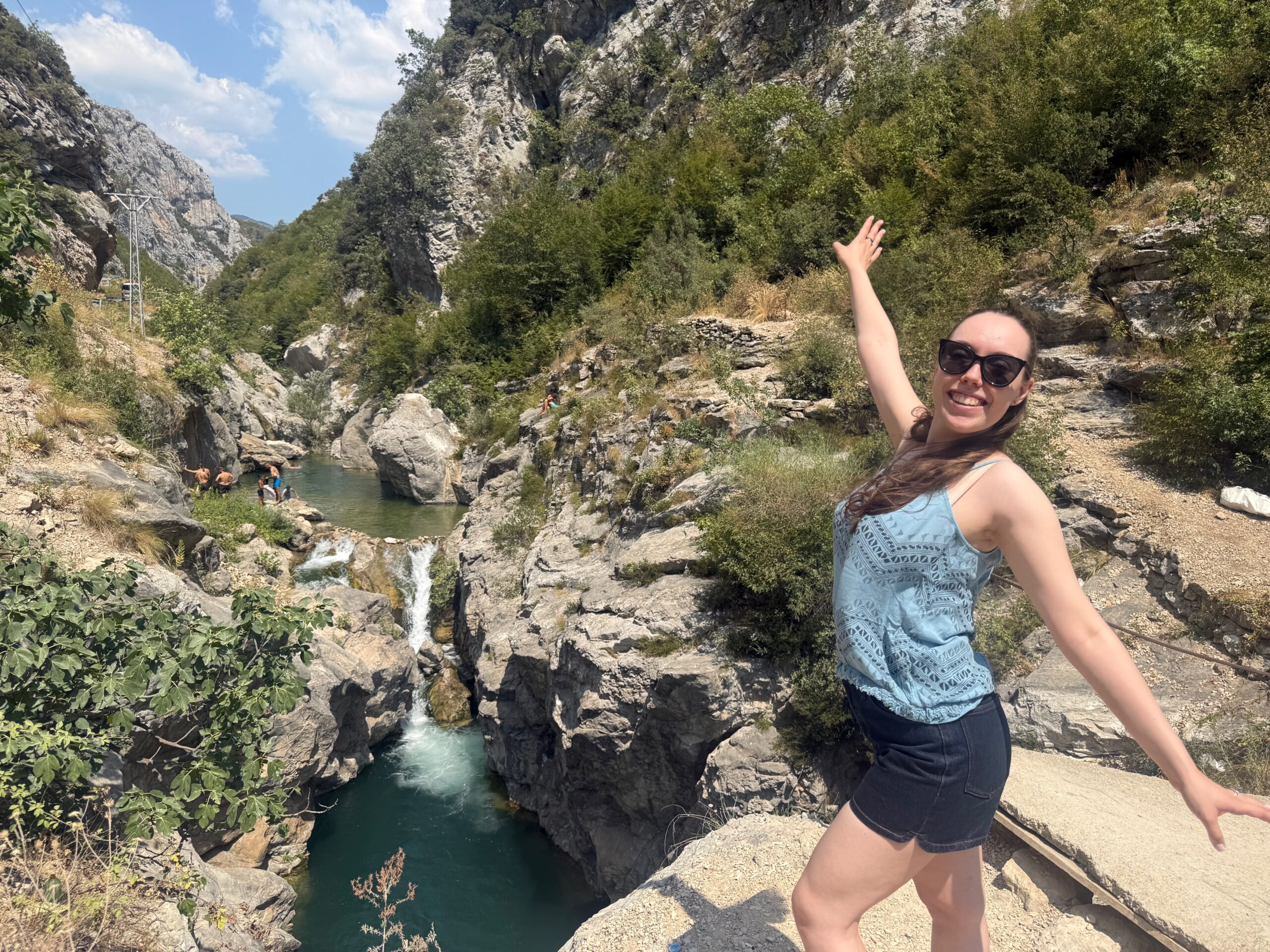
Is Albania expensive? Of the four new countries we added on our Balkan road trip this August, Albania is the one everyone asks about — usually with a follow-up like “I heard it’s basically free”. So let’s settle it properly. We spent five to six days there, from the Albanian Alps down to the coast, and we paid for everything ourselves except three hotel stays we reviewed separately.
We also live in Rovaniemi, Finland — which means we know what expensive looks like. That makes us fairly hard to impress with “cheap”, and fairly quick to notice when something costs the same as it does at home. Both things happened in Albania, sometimes in the same shop.
Is Albania expensive? No — but it is not the “dirt cheap Balkans” of social media legend either. To us, overall prices felt Eastern European: eating out and accommodation are clearly cheaper than in Western or Nordic Europe, while some supermarket items cost close to what we pay in Finland. The standout value is accommodation — for what you get in views, space and hospitality, it was the best-value country of our whole route. Budget as you would for Eastern Europe, not for a €10-a-day fantasy.
- Where the “dirt cheap Albania” myth comes from
- Accommodation: where Albania is genuinely superb value
- Food: cheap where it’s local, familiar where it’s not
- Getting around: fuel, parking and the Komani ferry
- The small costs: eSIM, cash and the rare tourist trick
- So, is Albania expensive? Our verdict after six days
Where the “dirt cheap Albania” myth comes from
If your only exposure to Albania is short-form video, you could be forgiven for expecting to live like royalty on pocket change: beach loungers for a euro, seafood platters for five, hotel suites for twenty. That version of Albania may have existed once, and you can still find corners of it inland. But in August 2026, on the routes tourists actually drive, it is a myth — and arriving with that expectation is the fastest way to feel cheated by a country that is, by European standards, still very reasonably priced.
Here is the honest version from our trip: Albania felt roughly Eastern European in price level. Some things genuinely are cheap. Others are not. The biggest surprise for us was the supermarkets, where certain items — especially anything branded or imported — cost about what we pay in Finland. We would pick something off a shelf expecting a Balkan discount and find a Nordic price tag instead. Local produce told a different, much kinder story, but the days of assuming everything costs a third of home are over.
None of this made us regret going — quite the opposite. It just means Albania rewards the traveller who budgets like an adult and then gets pleasantly surprised, rather than the one who arrives expecting a loophole in European economics.
Accommodation: where Albania is genuinely superb value
If there is one category where Albania over-delivers, it is this one. We stayed in three very different places — a mountain resort in the Albanian Alps, wooden huts above Komani Lake reachable only by boat, and a modern hotel near Tirana airport — and in every single one we found ourselves saying some version of “this would cost multiples of this at home”.
It is not that rooms are absurdly cheap in absolute terms. It is that the ratio of what you get to what you pay is unusually good. At Natyral Razma Resort in the Alps we had an indoor pool, a sauna and some of the best vegetable dishes of the whole trip. At Twin Villas on Komani Lake we slept in a wooden hut a hundred metres from the dock with an epic lake view and a night sky full of stars. Near the airport, Hotel Erandi gave us a new, spacious, air-conditioned room with proper parking. Everywhere, the hospitality was warm and personal in a way that chain hotels simply do not manage.
As a rough planning figure, a well-reviewed double room in summer often lands somewhere around €40–90 a night depending on region and season — but treat that as a starting point and check current rates for your dates, because Albanian tourism is growing fast and prices are moving with it. Book the views: that is the part of the Albanian accommodation deal you cannot get cheaply anywhere else in Europe.
Food: cheap where it’s local, familiar where it’s not
We are not a food blog — hungry for travel, not for tasting menus — but food is a real line in any budget, so here is the practical picture. Eating out in Albania felt affordable to us, particularly compared to Finland. The things worth ordering are the things Albania does naturally: vegetable dishes, which were quietly amazing everywhere from mountain resorts to family kitchens, and fresh seafood near the coast. One tip from experience — ask whether a dish is spicy before it arrives, because the answer is not always guessable from the menu.
The homemade family cooking at our Komani Lake stay — traditional breakfast included, an eggplant dish we still talk about — was the kind of meal that costs a fortune when a restaurant in Western Europe recreates it as “rustic”. Here it was simply dinner.
Self-catering is where expectations need adjusting. Local fruit, vegetables and bakery items are good value. Imported and branded goods can cost near-Finnish prices, which shocked us more than once. If your budget plan involves living from the supermarket to save money, buy what Albania grows rather than what it imports, and the plan works.
Get our 3-day Rovaniemi planner + 5% activity discount
Honest travel letters from the Arctic — real trips, real costs, no sponsored fluff.
Getting around: fuel, parking and the Komani ferry
We drove into Albania with a rental car picked up in Croatia — the full route is in our Balkan road trip itinerary — so we cannot tell you what renting locally costs, but we can tell you what driving there involved. Fuel was not the bargain people expect: of all the countries on our route, Bosnia & Herzegovina had the clearly cheapest petrol and groceries, not Albania. Budget for fuel prices in the same general universe as the rest of southern Europe and check current pump prices when you land.
Some costs are refreshingly small and specific. At Komani Lake, the paid parking lots near the village cost around €5 a day when we visited, with minibuses shuttling everyone the last couple of kilometres to the ferry. The ferry ride itself — over an hour of cliffs, mysterious side canyons and impossibly green water — is an attraction you would happily pay serious money for elsewhere; we’ve written a separate guide to how the Komani Lake ferry actually works, because the logistics confuse almost everyone on their first visit.
City parking, minor tolls and the odd attraction entry never added up to anything dramatic for us. The real hidden cost of Balkan driving is patience, not money — but that is a story we’ve told in its own post.
The small costs: eSIM, cash and the rare tourist trick
Connectivity first, because Albania sits outside the EU roaming zone — check what your operator actually covers before you go, because many European plans that work fine in Croatia stop at this border. We used a YesSim eSIM in Albania: it was the best rate we found when we compared options, and the internet worked flawlessly the entire time, including in places where we did not expect coverage at all. Airalo is a solid alternative if you already use their app. Either way, an eSIM for Albania is a cost measured in single euros per day at most — just don’t discover the roaming gap from your first phone bill.
Cash: Albania uses the lek, and while cards are widely accepted in cities and hotels, it is worth carrying some cash for rural areas, parking attendants and small family businesses — and paying in lek rather than euros usually gets you the fairer rate. As always, check current exchange rates rather than trusting a street-side conversion.
And the uncomfortable question: did anyone try to overcharge us? Honestly — occasionally something felt a little tourist-trick-ish, but it was rare, and the overwhelming experience was of warm, generous hospitality. Glance at your bill, agree taxi prices before setting off, and you will be fine. We felt less “hunted” as tourists in Albania than in plenty of famous Mediterranean destinations.
So, is Albania expensive? Our verdict after six days
No — Albania is not expensive. But we would answer the real question underneath it like this: Albania is good value rather than cheap, and the difference matters for how you plan. Compared with its neighbours on our route, it sat comfortably in the middle: Bosnia was the cheapest country we passed through for everyday costs like fuel and groceries, Croatia felt the most like Western European prices, and Albania and Montenegro occupied the affordable ground between them.
Come to Albania if you want Alpine scenery, boat-access lakes and warm family-run hospitality at prices that undercut anywhere comparable in Europe — and if a supermarket receipt that occasionally looks Finnish will not ruin your day. Skip it — or at least re-budget — if your whole plan depends on the €15-a-day backpacker legend, because on the coast in August you will not find it.
Our own maths is simple: we would go back tomorrow, for longer, in cooler weather, aimed straight at the mountains. Value like this, attached to scenery like that, does not stay quiet for long — which is exactly why we would not wait too many summers to see it at these prices.
Frequently asked questions
Is Albania cheaper than Croatia?
In our experience, yes — noticeably. Croatia felt closest to Western European price levels of the four countries on our route, while Albania felt Eastern European. That said, Albania’s tourist hotspots in peak season can close the gap, so compare current prices for your actual destinations rather than relying on the reputation.
Is Albania cheap for accommodation?
This was the best-value category of our whole Balkan trip. A well-reviewed summer double often lands somewhere around €40–90 a night — check current rates — and what you get for it in views, space and hospitality routinely embarrassed pricier stays elsewhere in Europe.
What currency does Albania use, and can I pay by card?
Albania uses the lek. Cards are widely accepted in cities, hotels and larger restaurants, but carry some cash for rural areas, parking and small family businesses. Where euros are accepted, the conversion is rarely in your favour — paying in lek is usually the better deal.
How much does parking cost at Komani Lake?
When we visited in August 2026, the paid lots near Koman village cost around €5 per day, with minibuses shuttling you the last stretch to the ferry. Check current prices on arrival — and read our Komani Lake ferry guide before you go, because the logistics surprise almost everyone.
Do EU roaming plans work in Albania?
Albania is outside the EU roaming zone, so many European plans that work in Croatia will not cover it — check your operator before travelling. We used a YesSim eSIM, which was the best rate we found and worked flawlessly, with Airalo as a good alternative.
Is tipping expected in Albania?
There is no heavy tipping culture. Rounding up the bill or leaving a small amount for good service is appreciated but not demanded — we never felt pressured anywhere. Service was warm regardless of whether a tip was coming.
Our final word from Rovaniemi
Back home in the Arctic, where a casual dinner for two makes your card flinch, our Albanian receipts read like a pleasant dream — with a few odd supermarket lines that read like home. That mix is the honest answer to “is Albania expensive”: no, but it is a normal European country with normal European economics, not a glitch in the pricing matrix. Treat it that way and every euro feels well spent.
What lingers is not what we saved but what it bought: a wooden hut above a still lake under a sky full of stars, vegetable dishes we still argue about recreating, and mountains we only saw from the roadside because of the heat. We are already planning the return — a full week, September or June, straight to the Alps. At these prices, twice is not extravagance. It is just sense.
Keep your crypto offline, not in an exchange app
Any crypto we hold lives on a Trezor hardware wallet — a small offline device in a drawer in Rovaniemi, not on a phone that crosses borders every month. If you’ve been meaning to sort that out, this is the link we’d send a friend.
Joona & Alla
A Finnish-Ukrainian couple living in Rovaniemi, Finland. Joona is a marketing professional in Lapland tourism; Alla is an AI engineer. Together we have visited 25 countries and write honest, locally-grounded travel content from our home in the Arctic.
Read our full story →