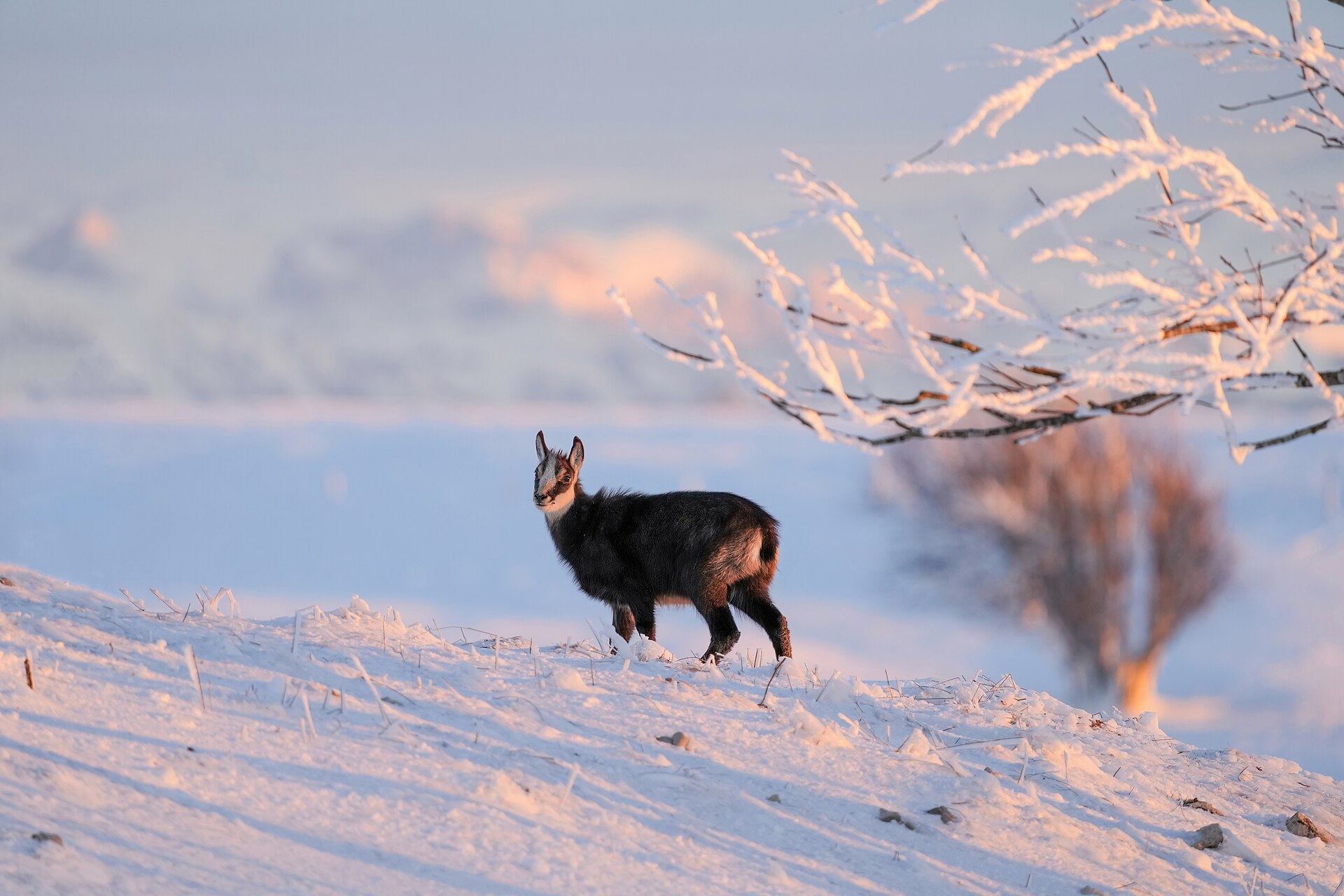
Photo: Giles Laurent, CC BY-SA 4.0, via Wikimedia Commons
If you are weighing up Switzerland RV rental for summer 2027, you have probably noticed two things: the scenery is the best in Europe for a road trip, and nothing in Switzerland is cheap. A motorhome sits somewhere in the middle of those facts. It saves on hotels and restaurants, but it also puts a long vehicle on narrow mountain roads, so the planning matters more than in most countries.
We are Joona & Alla, and we write this as a researched guide rather than a diary. Switzerland is not one of the countries we have driven in a rental motorhome, so the prices and facts below come from what CampervanPlanet’s booking engine showed in November 2026, plus stable local knowledge such as speed limits and which passes close in winter. Where something can change, we say so.
Our view after reading the numbers: summer 2027 is a good time to look now, because peak July pricing is steep and the best vans for the best weeks go first.
Switzerland RV and campervan rental starts from €104 a day on CampervanPlanet, but the typical price for a week varies from about €172 a day in November and €205 in May to around €476 a day in July. There are six pick-up cities (Zurich, Geneva, Berne, Interlaken, Lausanne and Basel) and four mapped routes of 3 to 7 days. Aim for May, June or September to keep the cost sensible, and our €20 reader coupon works at checkout.
Is a campervan the right way to see Switzerland?
For many people, yes, but not for the reasons they expect. The trains, buses and postbuses in Switzerland are among the best in the world, and car-free villages such as Zermatt are reached by rail rather than road. A van does not make the trip cheaper than a rail pass for a solo traveller.
Where a campervan wins is flexibility and sleeping with a view. You can stop at a lake because the light is good, wake up beside a pasture, and avoid hotel prices in some of the most expensive villages in Europe. It works best for couples and families who plan a loop of three to seven days, are comfortable with winding roads, and do not mind a bit of planning for parking and campsites.
The honest downsides are narrow village streets, steep gradients, limited parking in the busiest places, and the cost. If you want a first sense of what is available, the Switzerland page on CampervanPlanet lists the vehicles and companies, and our our campervan rental guide explains how booking works.
What Switzerland RV rental costs in 2027
Here is what CampervanPlanet’s booking engine showed in November 2026. Treat the numbers as a guide to the pattern rather than a quote, because your dates, vehicle and company will change them.
- Budget Camper: from €104 a day, for 2 berths, a manual gearbox and a petrol engine. Compact, easy to park and good for couples.
- Comfort Camper: from €143 a day, for 2 to 3 berths with a heater and kitchen. The most popular choice.
- 4×4 Alpine Camper: from €172 a day, for 2 to 4 berths and 4WD, built for mountain roads and snowy conditions.
- Family Motorhome: from €244 a day, for 4 to 6 berths with a full kitchen and bathroom.
The more useful number is the seasonal one. For a typical seven-night rental, the search showed about €172 a day for November, around €205 for May, and about €476 for July. That is a huge swing, and it is the main reason we would plan May, June or September rather than the school-holiday peak. Campsites add CHF 30 to 60 per night, so budget for that on top of the rental.
To make that concrete: seven nights at the typical May price comes to about €1,435 (7 × €205), against about €3,330 in July (7 × €476) and about €1,205 in November. That is roughly €1,900 more for a week in July than a week in May, before campsites, which add CHF 210 to 420 over seven nights at CHF 30 to 60 each.
Our code HUNGRYTRAVELFAMILY20 takes €20 off at checkout. It is a fixed amount rather than a percentage, so it matters most on shorter, cheaper rentals.
Six pick-up cities and how to choose
CampervanPlanet lists six pick-up locations in Switzerland: Zurich, Geneva, Berne, Interlaken, Lausanne and Basel. They are not equal for every trip.
- Zurich: the largest city, with an international airport and a good gateway to eastern and central Switzerland.
- Geneva: an international hub on Lake Geneva and the natural start for Valais and French-speaking Switzerland.
- Berne: the capital, in the middle of the country and a good base for the Bernese Oberland.
- Interlaken: the adventure capital between two lakes and the closest start for the Jungfrau region.
- Lausanne: the Olympic capital, near the Lavaux vineyards, on Lake Geneva.
- Basel: the cultural capital on the Rhine, handy for the north and the Black Forest.
If you fly in, pick the depot nearest your arrival airport and plan your route outward from there. If you want a one-way trip, for example Zurich to Geneva, check the drop-off fee before you book, because it can change the best choice.
Route one: Interlaken to Zermatt
The Alpine Adventure route is about 280 km over 4 to 5 days and is the classic. It runs from Interlaken through Kandersteg, Gstaad and Montreux to Täsch, where you park the van and take the shuttle train up to car-free Zermatt. CampervanPlanet lists the route as suitable for a 2WD camper, with 15 or more campsites along the way and fuel stops every 30 to 50 km.
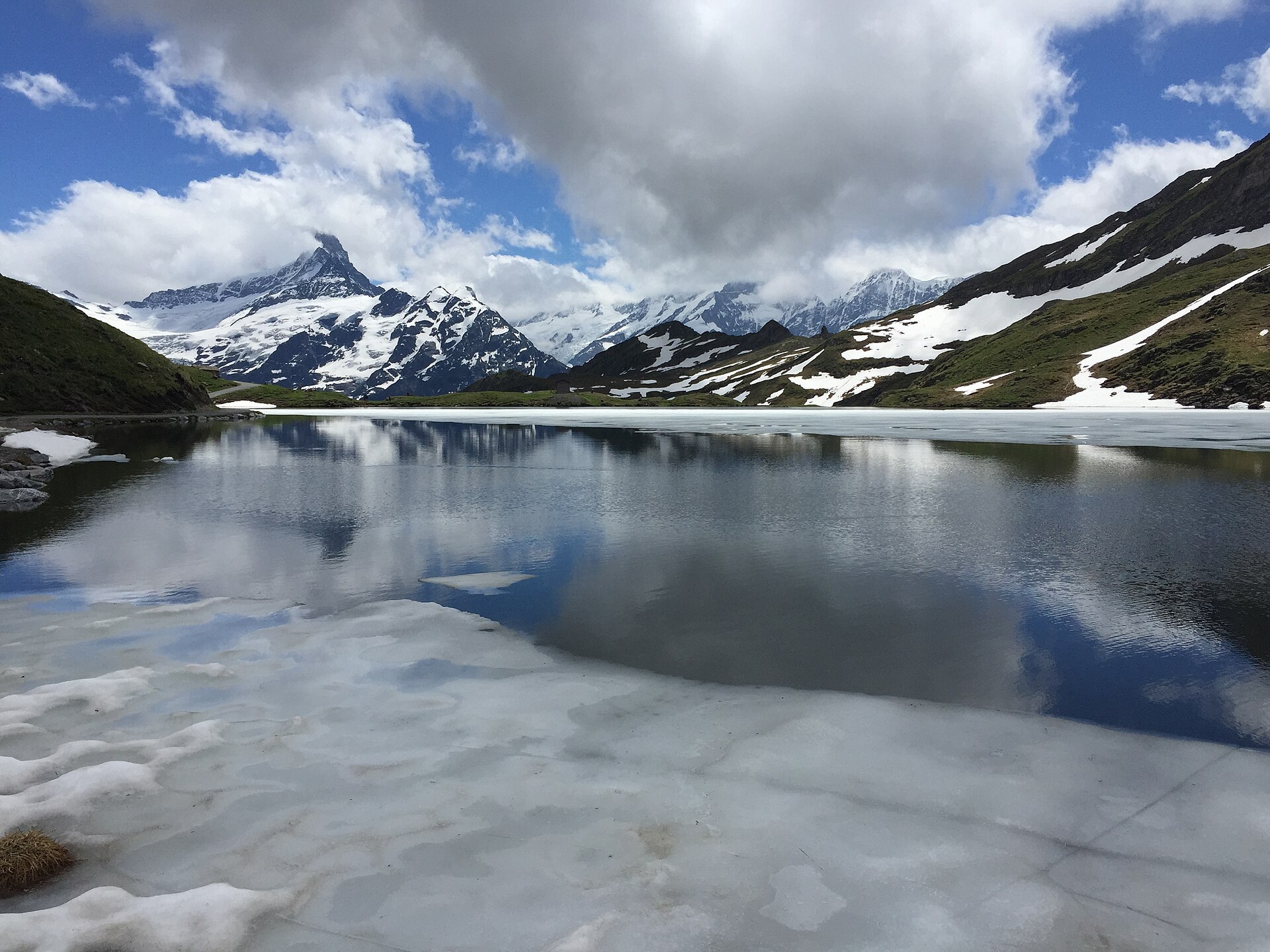
The best months are June and September. In June the high meadows are green and the passes are open; in September the light is softer, the crowds thin, and prices usually drop. The Matterhorn is the obvious highlight, but we would also leave time for Kandersteg and the lakes around Montreux, because the contrast between the Alps and the Mediterranean-looking lakeshore is a big part of the route’s appeal.
You cannot drive a van into Zermatt. Park at Täsch, take the shuttle train and book a campsite or the Täsch parking in advance for peak weeks. If you are reading this for winter, our Zermatt winter itinerary shows how different the same area looks in the cold season.
💡 Our campervan tip: prices for the same van vary a lot between rental brands. We compare Switzerland campervans across 160+ rental companies on CampervanPlanet — and code HUNGRYTRAVELFAMILY20 takes €20 off your booking.
Routes two and three: the Swiss Lakes Loop and Graubünden
The Swiss Lakes Loop runs from Lucerne through Bern, Thun and Lausanne to Geneva. It is about 320 km over 4 to 6 days, easy on a 2WD camper, and the gentlest terrain of the four routes, which makes it the one we would choose for a family or a first van trip. The best months are May and October, when it is quieter and the lakeshores are at their prettiest, with 20 or more campsites along the way.
The Graubünden Expedition is the opposite: a 5 to 7 day route from Chur to Davos through the largest canton, over the Julier Pass, through the Engadin Valley and past St. Moritz. It is shorter in distance (about 150 km) but slower, because the passes and gradients are tougher. It rewards patience with Romansh villages, high alpine views and fewer tour buses than the better-known routes.
If you only have a week, we would do one of these two routes rather than both.
Route four: the Jungfrau Valley
The Jungfrau Valley is the shortest route: 3 to 4 days and about 160 km around the Bernese Oberland, easy on a 2WD van. It links Interlaken, Lauterbrunnen, Grindelwald and Meiringen. Lauterbrunnen has 72 waterfalls in one valley, Grindelwald sits beneath the Eiger north face, and the cogwheel train to Jungfraujoch, known as the Top of Europe, leaves from the area.
It is a good short loop to combine with Interlaken as a pick-up and drop-off. The best months are May and October, when the valley is quieter and the light is good. The roads are busy in July and August, and campsites here fill early, so book ahead for summer weekends.
Passes, campsites and the rules of the road
Switzerland drives on the right. Typical limits are 120 km/h on motorways, 80 km/h on other roads outside towns and 50 km/h in built-up areas, though vehicles over 3.5 tonnes face lower limits and extra charges, so check the weight of any large motorhome. Motorways require a vignette, an annual sticker or e-vignette that cost CHF 40 at the time of writing, so check whether it is already on the van.
Mountain roads follow their own etiquette: yellow postbuses have priority, and you may need to reverse to a passing place on narrow stretches. Many high passes, such as Furka, Grimsel and Susten, close in winter and reopen between late May and June, so check the current status of any pass on your route before you plan the dates.
Wild camping and overnight parking rules vary by canton and are often restrictive, so plan on using campsites, which cost roughly CHF 30 to 60 a night. For a wider picture of what mountain driving is like across the continent, see our Europe mountain roads guide, and for how rental prices compare between countries, see our campervan rental price comparison.
When to go and how to book for summer 2027
The booking page splits the year into clear seasons. June to August is the peak, with warm weather (roughly 18 to 28°C), all passes open and the best hiking, but higher prices and busy campsites. May and September are the shoulder season and the best value, with 12 to 20°C, wildflowers in May and the grape harvest in September; most passes are open by late May. October and April are transition months, and November to March is winter and ski season, when many passes and campsites close and snow chains or winter tyres are required.
Our rule would be: choose May, June or September if you can. If you must travel in July or August, book as early as possible and compare several companies, because the price gap between the cheapest and most expensive offers can be large. You can start with the Switzerland RV page, and then check the Switzerland page for your exact dates.
Before you pay, check the deposit rules (many offers take 10 to 20% online and the rest at pick-up), the security deposit held on the main driver’s card, and the mileage and cover terms. CampervanPlanet includes a free 1GB eSIM with every booking, and code HUNGRYTRAVELFAMILY20 takes €20 off at checkout.
Book your Switzerland campervan
Compare prices across 160+ campervan and motorhome rental brands, get a free 1GB eSIM with every booking — and €20 off with code HUNGRYTRAVELFAMILY20.
Check prices & availability →Frequently asked questions
How much does Switzerland RV rental cost per day?
On CampervanPlanet it starts from €104 a day for a budget camper, with comfort campers from €143, 4×4 Alpine campers from €172 and family motorhomes from €244. For a typical seven-night rental the search showed about €172 a day in November, €205 in May and €476 in July, so season matters more than vehicle.
Where can I pick up an RV in Switzerland?
CampervanPlanet lists six pick-up locations: Zurich, Geneva, Berne, Interlaken, Lausanne and Basel. Choose the one closest to your arrival airport or the start of your route, and check the drop-off fee if you want to return the van in a different city.
Do I need a vignette to drive an RV in Switzerland?
Yes, motorways require an annual vignette, which cost CHF 40 at the time of writing. Check with the rental company whether it is already on the van, and ask about any extra charges for vehicles over 3.5 tonnes.
What is the best time for an RV trip in Switzerland?
May, June and September give the best balance of weather, open passes and price. July and August are the peak, with higher prices and busy campsites, and from November to March most passes and many campsites close.
Is there a discount code for CampervanPlanet?
Yes. Our reader code HUNGRYTRAVELFAMILY20 takes €20 off your booking as a fixed amount, entered at checkout on CampervanPlanet. It works for Switzerland and every other country on the site.
Can I wild camp in a motorhome in Switzerland?
Rules vary by canton and are often restrictive, so we would plan on campsites, which cost roughly CHF 30 to 60 a night. Check local signage and the rules of the canton you are in rather than assuming that overnight parking is allowed.