Finnish Summer Food: 15 Things to Eat in June–August
A Rovaniemi couple walks you through the Finnish summer food calendar — from the first strawberries of June to the chanterelle-soaked August nights — and the dishes you absolutely cannot skip when the midnight sun is out.
Every year, sometime in mid-June, something shifts in how Finns relate to food. The long winter of root vegetables and preserved everything gives way almost overnight to an abundance of fresh, hyper-seasonal ingredients — and a corresponding shift in how people eat, cook, and gather. Finnish summer food is not a cuisine of complexity. It is a cuisine of extraordinary raw materials, served simply, eaten outdoors whenever possible.
We have lived in Rovaniemi long enough to map the summer food calendar in our heads. Joona grew up eating it; Alla has spent her years here learning to love it. This is our honest guide to Finnish summer food — what to eat, when it peaks, and where to find it, whether you are visiting for a week or spending a full season in the North.
Finnish summer food peaks in June–August and is defined by wild strawberries, new potatoes, freshwater fish, chanterelle mushrooms, grilled sausage (makkara), and foraged berries. The most iconic Finnish summer experiences involve eating by the lake, at a sauna, or at a market. Most of the best things cost very little and require almost no cooking skill. You do not need to go to a restaurant to eat well in a Finnish summer — you need to go to a market, a farm stand, or a forest.
The Finnish summer food calendar
Understanding Finnish summer food starts with understanding that it is entirely seasonal and calendar-driven. Finns track what is in the ground, the lake, and the forest the way other cultures track what is on the menu. When the first Finnish strawberries appear in market stalls in late June, it is a national event — something people genuinely discuss, anticipate, and celebrate. By August, those same strawberries are gone and the conversation has moved to chanterelles.
June: strawberries, new potatoes, and the return of fresh fish
- Late June brings the first Finnish strawberries. Domestic strawberries — smaller, more fragrant, and measurably better than any import — appear at roadsides, market squares, and farm stands. Midsummer (Juhannus, June 19–20) is the great gathering feast, typically involving grilled sausage, new potatoes, smoked fish, and strawberry cake.
- New potatoes (uudet perunat) arrive in late June and are a genuine seasonal highlight. Small, thin-skinned, boiled and eaten with butter and dill. They taste completely different from stored potatoes — almost milky and sweet. Finns eat them in embarrassing quantities.
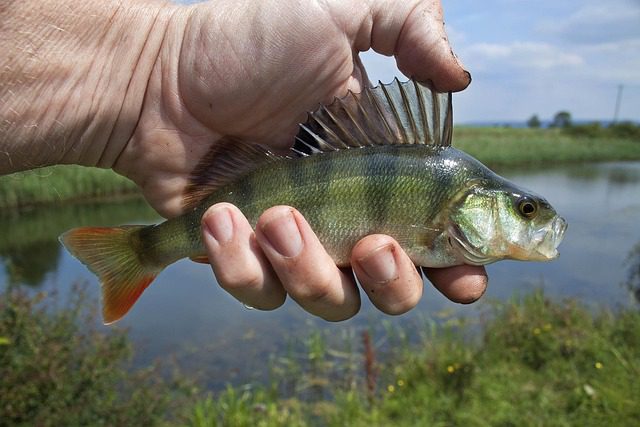
- Freshwater fish — pike-perch (kuha), perch (ahven), and vendace (muikku) — are at their summer peak. The lakes are warm enough to fish in shorts.
July: berries, grilling, and the first chanterelles
- Wild bilberries (mustikka) ripen in early-to-mid July, earlier in southern Finland. By Lapland, expect them in late July. These are the cornerstone berry of the Finnish summer — eaten by hand straight from the bush, or baked into mustikkapiirakka (blueberry pie).
- Grilling season is fully operational by July. Every household with a balcony or a garden runs a grill. Finnish makkara — the thick, coarse-ground pork sausage — is grilled over an open fire or charcoal. It is impossible to overstate how central this is to the summer experience.
- First chanterelles arrive in southern and central Finland in late June to July, in Lapland by mid-July. This marks the beginning of the most prized foraging season of the Finnish year.
The 15 Finnish summer foods worth seeking out
This is not a list of dishes from a restaurant menu. It is a list of things you will encounter in markets, at sauna evenings, by lakeshores, and in Finnish kitchens during summer. Some are iconic national foods; some are hyper-local to Lapland. All of them are worth your time.
June highlights
- 1. Mansikka (Finnish strawberry). The domestic strawberry is the single most seasonal and emotionally loaded food in the Finnish summer. Smaller than imports, intensely aromatic, eaten with cream or simply by the punnet. Available roadside from late June. In Rovaniemi, they arrive 1–2 weeks after Helsinki. Do not leave without eating a full punnet standing next to the car where you bought them.
- 2. Uudet perunat (new potatoes). Boiled, buttered, and covered in fresh dill. The first appearance of new potatoes in June triggers something close to reverence in Finnish cooking culture. The dill is not optional.
- 3. Silli (Baltic herring) and graavilohi (gravlax). Midsummer tables almost always include some form of cured or smoked fish alongside the grill. Graavilohi — salmon cured in salt, sugar, and dill — is a summer staple. Cold, thin-sliced, on rye bread.
- 4. Makkara grilled over an open fire. The sausage. Thick, coarse-textured, best grilled over birch wood on a stick cut from the forest. Eaten with mustard, sometimes with bread, usually with a sauna. If you visit a Finnish friend’s summer cottage and there is a fire, this will happen.
- 5. Juhannustorttu and mansikkakakku (midsummer strawberry cake). The midsummer celebration cake: sponge, whipped cream, and domestic strawberries. Every Finnish bakery makes them in June. The season is short. If you see one, buy one.
July highlights
- 6. Mustikkapiirakka (Finnish blueberry pie). Not quite a pie, not quite a tart — a butter pastry base with a thick filling of wild bilberries (mustikka) and sour cream. Eaten warm or cold. The wild bilberry is darker, more intensely flavoured, and more nutritious than cultivated blueberries. It turns your mouth purple. This is considered a good sign.
- 7. Muikku (vendace / smelt) fried or smoked. Small freshwater fish from Finnish lakes, rolled in seasoned rye flour and fried in butter until crisp. A lakeshore market classic. In eastern and central Finland you can buy them hot from roadside stalls. In Lapland, kuha (pike-perch) is more common. Both are exceptional.
- 8. Kantarelli voissa (chanterelles in butter). Golden chanterelle mushrooms sautéed in butter until the water releases and the mushrooms caramelise slightly. Eaten on rye bread, in an omelette, or alongside almost anything. This is Finnish summer cooking at its most pure. The window for peak chanterelles in Lapland is roughly mid-July through August — if you are here then, eat them every day.
- 9. Kesäkeitto (summer soup). Finland’s mild vegetable soup, made from new potatoes, carrots, peas, cauliflower, and fresh dill in a cream-based broth. Light, clean, seasonal. Every Finnish grandmother has a version. It appears at summer cottages in July and disappears by September.
- 10. Lihapiirakka (meat pie). A deep-fried pastry pocket stuffed with rice and minced meat — an iconic Finnish street food available at market halls and fairs all summer. Eaten with ketchup or mustard. Joona ate one every summer fair of his childhood. We still do.
August highlights
- 11. Rapuja (crayfish). August is crayfish season in Finland — the traditional rapujuhlat (crayfish parties) happen in August and early September. Boiled in dill-infused brine, eaten cold with fingers, accompanied by cheese toast, beer, and schnapps. Loud, messy, and one of the great Finnish summer rituals.
- 12. Lakka (cloudberry). The Arctic gold. Cloudberries ripen in July–August in Finnish Lapland and are arguably the most prized berry in Nordic cuisine. Expensive, difficult to pick, available only in the North. Eaten fresh, as jam (hillo), or with ice cream. If you are in Rovaniemi in August, finding fresh cloudberries at the market is one of the defining food experiences of Finnish Lapland.
- 13. Puolukka (lingonberry) and muurainpuuro (cloudberry porridge). By late August the lingonberries are beginning to ripen. Finns pick them by the kilo and make jam to last the winter. Lingonberry jam alongside almost any meat or savoury dish is a year-round Finnish habit, but the berry-picking itself is a summer ritual.
- 14. Savustettu kala (hot-smoked fish). Whole fish — typically lake trout (järvilohi), rainbow trout, or vendace — smoked low and slow over alder or birch. Sold at Finnish markets across the summer, often eaten with boiled potatoes and dill. The smell of a smoking barrel at a summer market is one of our strongest Rovaniemi food memories.
- 15. Jäätelö from a kiosk (Finnish soft-serve ice cream). This seems mundane until you understand the context: eating a soft-serve cone at a Finnish kiosk (kioski) in the midnight sun, in a park, at 11pm in July, with warmth still in the air, is one of those experiences that stays with you. The Finns take their kiosk culture seriously. Ingman, Pingviini, or whatever the local brand — it matters less than the moment.
Related read Foraging is how we find many of the best summer ingredients ourselves. Our guide to foraging mushrooms in Finland covers what’s safe to pick, when the season peaks, and the three beginner species to start with.
Quick reference: where to find Finnish summer food
Every Finnish town has a central market square (tori). In summer this is where you find strawberries, chanterelles, smoked fish, new potatoes, and cloudberries. In Rovaniemi the market is on the central square; in Helsinki, Kauppatori by the harbour is the most famous. Visit in the morning for the best selection.
Roadside farm stands appear in June and July selling strawberries, raspberries, and early vegetables directly from the grower. The prices are good, the quality is exceptional, and the experience is very Finnish. Look for signs reading “Mansikkaa” (strawberries) along rural roads.
The midsummer and summer cottage scene is where makkara grilling, smoked fish, new potatoes, and strawberry cake happen. If you are lucky enough to be invited to a Finnish midsummer gathering, bring strawberries or a good rye bread and show up hungry.
Wild bilberries, cloudberries (in Lapland), lingonberries, chanterelles, and other mushrooms are available to anyone under Everyman’s Right. No permit required. A walk in the Lapland forest in July or August is simultaneously a foraging trip and one of the best free experiences in Finland.
Finland’s indoor market halls (Helsinki, Tampere, Turku) carry seasonal Finnish produce, smoked fish, local cheeses, and street food including lihapiirakka. The Old Market Hall in Helsinki (Vanha Kauppahalli) is worth visiting even outside meal times.
The Finnish kiosk is an institution — a small outdoor or semi-outdoor stand selling soft-serve, hot dogs, coffee, snacks, and newspapers. Eating a soft-serve ice cream at a kiosk in the midnight sun is not optional. Do this.
Get our best travel tips in your inbox
Monthly stories from Rovaniemi — Arctic tips, packing lists, and the places we keep coming back to.