Nordic Cuisine Beyond the Hype: What to Actually Order
We’ve eaten our way through Finland, Sweden, Norway, Denmark, and Iceland — here’s what the Nordic cuisine order everyone should know, and what we skip every time.
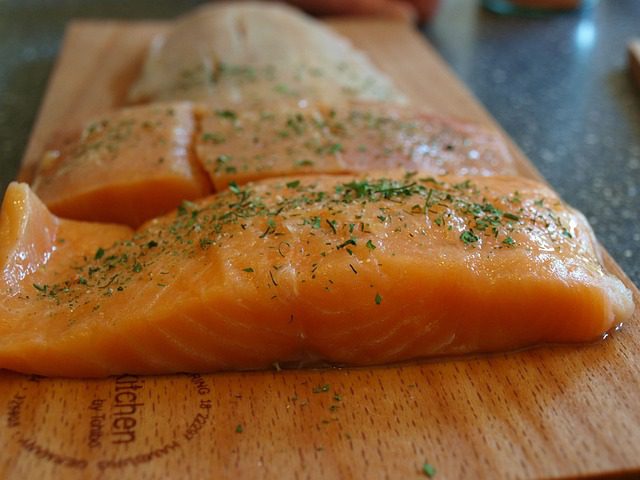
Nordic cuisine is having a moment — and has been for a decade. But there’s a wide gap between the Noma-inspired tasting menus that show up in travel magazines and the food you’ll actually encounter in a Stockholm market hall, a Helsinki lunch spot, or a Bergen bakery. We live in Rovaniemi, Finland, have eaten across all five Nordic countries, and we’ve made every ordering mistake there is to make.
This guide is about the Nordic cuisine order that actually rewards you — the dishes that locals eat, that taste unlike anything you get at home, and that are genuinely worth seeking out when you’re hungry for travel rather than just filling a stomach.
Nordic cuisine worth ordering includes smoked and cured fish (especially gravlax, herring, and smoked salmon), open-faced sandwiches (Danish smørrebrød), dark rye breads, cloud- and lingonberries, reindeer dishes in Lapland, and cardamom buns across the region. Skip the tourist buffets; eat where locals eat.
- The real Nordic pantry: what to know first
- Fish and seafood: the non-negotiables
- The Nordic cuisine order cheat sheet (8 dishes, by country)
- Breads, buns, and the coffee culture that comes with them
- Reindeer, elk, and why game meat matters in Lapland
- What we skip — and the ordering mistakes we made
- FAQ: Nordic cuisine questions answered
- A final word from Rovaniemi
The real Nordic pantry — what to know before you order
The flavour logic of Nordic cooking
Nordic food is built on a short growing season, cold seas, and centuries of preservation by necessity. Before you sit down at any restaurant from Helsinki to Reykjavík, it helps to understand the underlying logic: acid, salt, smoke, and fat are the four cornerstones. Pickling preserves everything from cucumbers to herring. Cold-smoking intensifies salmon and reindeer. Dairy (especially Nordic crème fraîche, called crème fraîche in Denmark or kermaviili in Finnish) adds richness without excess. And foraged ingredients — dill, lovage, wood sorrel, juniper — provide the aromatics.
What “New Nordic” actually means for a regular traveller
The New Nordic movement, launched by chefs like René Redzepi at Noma, has genuinely changed how Nordic restaurants think about ingredients. But for the average traveller with a normal budget, the movement’s most useful legacy is that it pushed ingredient quality and local sourcing into everyday cafés and market stalls. You don’t need a Michelin reservation to taste great Nordic food — you need to know which simple dishes carry the most flavour and which are tourist-trap filler.
Fish and seafood — the non-negotiables of Nordic cuisine
If you only remember one thing from this guide: always order the fish. Nordic waters — the Baltic, the North Atlantic, the Norwegian fjords — produce some of the cleanest, most flavourful seafood on the planet. Tourists who arrive nervous about herring leave raving about it.
The fish order you should never skip
- Gravlax (Sweden, Norway, Finland): Raw salmon cured in salt, sugar, and dill. Served thinly sliced on rye bread with mustard sauce. This is the dish that converts fish sceptics. Don’t skip it.
- Pickled herring (all five countries): Comes in dozens of varieties — mustard, onion, tomato, spiced — and is typically served at smorgasbord or lunch. The good stuff tastes vinegary and bright, nothing like the tinned herring from home. In Finland it’s called silakka; in Sweden sill.
- Smoked salmon (Norway, Finland): Cold-smoked or hot-smoked. Hot-smoked (lähilohta in Finnish) is flakier, richer, and magnificent with boiled potatoes and dill. Available in every market; dramatically cheaper than in restaurants.
- Shrimp open sandwich (Sweden, Denmark): Called räksmörgås in Swedish or r&eelig;jer smørrebrød in Danish. A thick slice of white bread (not rye), pile of cold-water shrimp, mayonnaise, lemon, and dill. Sounds simple, tastes unreasonably good.
- Icelandic lamb or cod (Iceland): Both are exceptional. Icelandic lamb grazes on wild herbs and tastes nothing like supermarket lamb. Salt cod (bacalao) is also a national staple. Order whichever the day’s menu specifies as fresh.
Related Read Planning a summer trip through Finland? Read our guide to Finnish Summer Food: 15 Things to Eat in June–August for a seasonal deep-dive.
The Nordic cuisine order cheat sheet — 8 dishes by country
Here is the quick-reference order guide we wish someone had handed us before our first trip through the region. One dish per country that we always order, no matter how long we’ve been in the Nordics.
8 dishes worth tracking down
- Finland — Reindeer stew (poronkristys): Lapland’s signature dish. Thin-sliced sautéed reindeer in butter, served with mashed potatoes, lingonberry jam, and pickled cucumber. Available in almost every Lapland restaurant; far harder to find in Helsinki. We eat it monthly.
- Sweden — Swedish meatballs (köttbullar) with lingonberries: Yes, the IKEA association is real, but a proper version — in gravy, with a tart lingonberry jam alongside — is entirely different. Try it at a husmanskost restaurant rather than a tourist market.
- Norway — Bacalao or fresh fjord trout: Norwegian fjord trout (fjordørret) raised in cold clean water is richer and more flavourful than farmed Atlantic salmon. Grilled with butter and new potatoes at a harbour restaurant in Bergen, it is perfection.
- Denmark — Smørrebrød (open sandwich): The entire genre, not just one dish. A proper Danish lunch of two or three smørrebrød — each one a thick slice of dark rye bread topped with herrings, roast pork with crackling, or curried eggs — is the best value and most culturally authentic meal you can have in Copenhagen.
- Iceland — Lamb soup (kjötsúpa): A simple, warming bowl of Icelandic lamb with root vegetables. Every gas station in rural Iceland sells it; every bowl is comforting. Cheap, honest, and quintessentially Icelandic.
- Finland (again) — Salmiak / salted liquorice: Not a meal, but a cultural experience you cannot skip. Finnish salmiakki is aggressively salty, intensely liquorice-flavoured, and actively polarising. Buy a bag. It will tell you something about Nordic flavour logic that no restaurant can.
- Sweden — Smörgåsbord (at least once): The original Swedish buffet — not the cheap hotel version. A traditional Christmas-table smorgasbord or a premium lunch version includes gravlax, herring, meatballs, jansson’s temptation (anchovy gratin), and rice pudding. It is the format that best shows off Nordic cuisine.
- Denmark / Norway — Brown cheese (brunost): A caramelised whey cheese with a sweet-savoury flavour that’s utterly unlike any other cheese in the world. Slice it thinly with a cheese plane over crispbread. Sold in every supermarket in Norway; worth buying as a snack.
Get our best travel tips in your inbox
Monthly stories from Rovaniemi — Arctic tips, packing lists, and the places we keep coming back to.