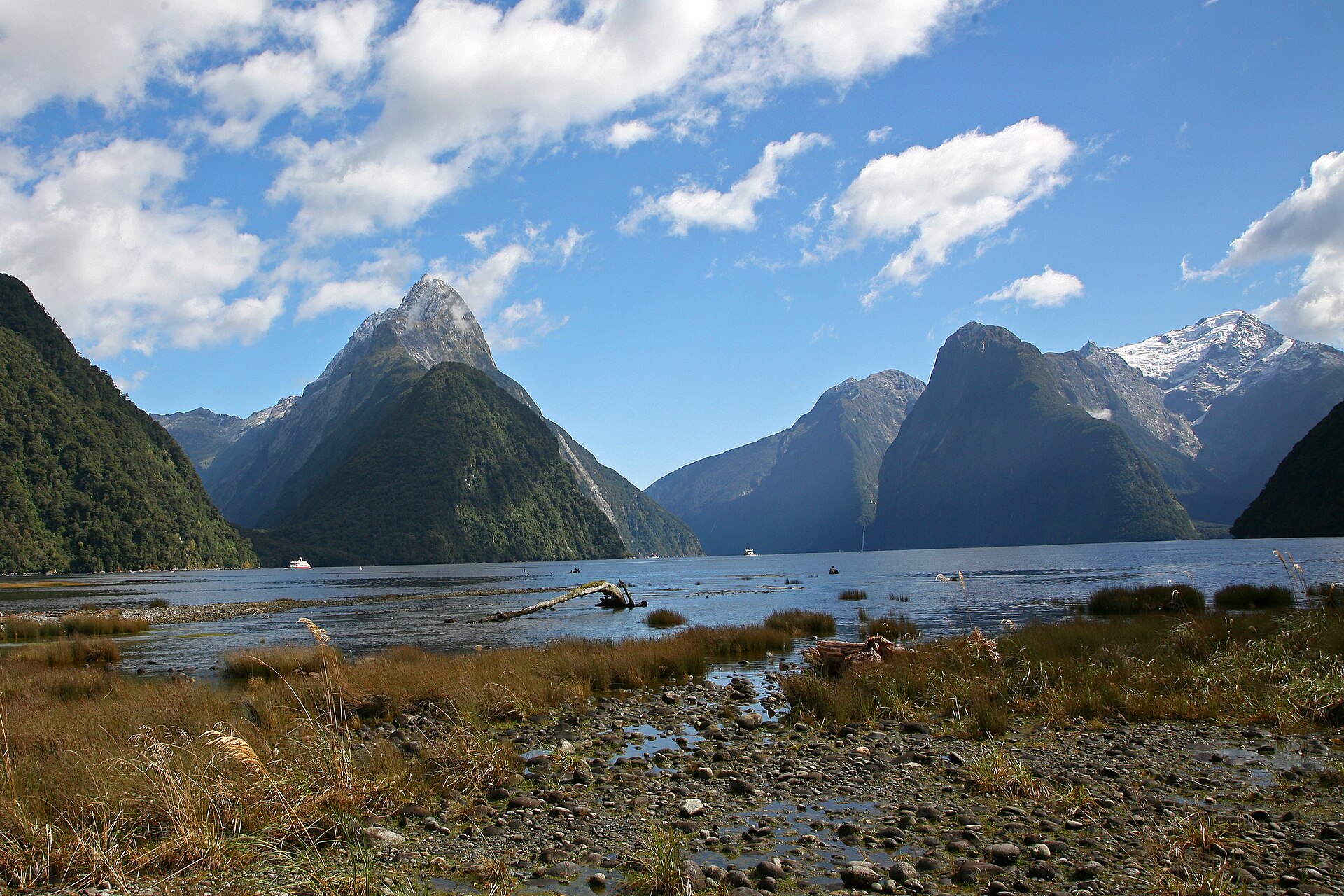
Photo: W. Bulach, CC BY-SA 4.0, via Wikimedia Commons
New Zealand has a reputation as the easiest country in the world for a campervan holiday, and freedom camping is a big part of why. Parking up by a lake or a quiet beach for free sounds like the perfect trip, and in the right place and the right van it is. The catch is that the rules have tightened, and a lot of visitors only find out when a sign, a ranger or a fine tells them.
This guide explains how freedom camping works for a rented campervan. It is a research guide, not a personal trip report: we have not freedom camped in New Zealand ourselves, so we rely on the explanations on the CampervanPlanet New Zealand page (using its price index from November 2026) and on general knowledge, and we tell you to check local rules at the point of use.
If you are still deciding on the country itself, our South Island campervan itinerary will help you plan a route, and our campervan rental guide covers the basics of renting a van.
In New Zealand you can usually only freedom camp in a certified self-contained vehicle, meaning a van with a permanently fixed toilet and fresh and waste water systems, and only where councils and land managers allow it. Campervans typically cost €194 a day in December to February, €199 in March and €71 in June, from as little as €18 a day. Check current New Zealand prices here, and code HUNGRYTRAVELFAMILY20 takes €20 off at checkout.
What freedom camping means in New Zealand
Freedom camping means staying overnight in a vehicle outside a regular campground, usually on public land, for free or at a very low cost. In New Zealand it is allowed in many places, but it is not a right to park anywhere. Councils, the Department of Conservation and other land managers set the rules for their own areas, and they use signs and bylaws to say where it is allowed and where it is banned.
The CampervanPlanet page says it directly: certification alone does not give you the right to camp anywhere. Council bylaws and the status of the land decide where freedom camping is allowed. Some regions restrict it, especially near popular tourist spots, and irresponsible freedom camping has led councils to restrict or remove sites. Treat each site as a privilege, and leave it cleaner than you found it.
The point of all this is protection. New Zealand receives a large number of visitors each summer, and toilets and rubbish are what turn a pretty lakeside into a problem. Rules and enforcement have therefore grown stricter in recent years, so it is worth reading the current guidance before you go rather than relying on a friend’s story from a decade ago.
Certified self-contained: the rule that matters most
For most freedom camping areas you need a vehicle that is certified self-contained. The page defines this as a vehicle with a permanently fixed toilet and compliant fresh water and wastewater systems, certified by a government-appointed certification authority. The certificate is shown by a warrant card displayed in the vehicle. The page adds that your van needs a certificate of self-containment issued under the relevant plumbing and gasfitting certification scheme, and that rental companies arrange this for their own vehicles.
The important consequence: non-certified vehicles cannot freedom camp and must use campgrounds. That includes a lot of cheaper rental vans, so do not assume. Read the vehicle description on the offer, check that it says certified self-contained, and ask the rental company if it does not. A cheap two-berth van that is not certified can end up costing more once you add campground fees every night.
It also changes how you choose between vehicle types. The page lists a Budget Campervan that sleeps two (from €18 a day), a Standard Campervan that sleeps two to three with a heater and kitchen and is described as perfect for freedom camping, a Family Motorhome for four to six with a full kitchen and bathroom, and a Premium Motorhome for up to six. If freedom camping is a priority, filter for self-contained vans first and compare prices after that.
Where you can and cannot stay
The page names the main types of place. Freedom camping areas are designated free or low-cost spots for certified self-contained vehicles, usually with limited facilities. Commercial campgrounds cost roughly NZ$30 to NZ$60 a night. Department of Conservation (DOC) sites cost roughly NZ$10 to NZ$20 a night, and are often in beautiful, quiet places with basic facilities.
The page also states that there is no freedom camping in national parks unless a place is specifically designated. That catches visitors out, because some of the most beautiful areas are inside parks, where you must use DOC sites or campgrounds. Local signs matter too: a lay-by that is fine for a rest stop may be marked “no overnight parking” a few metres further on.
Apps help. The page suggests CamperMate and iExit for finding freedom camping areas and checking local regulations, and we would add the council websites for the area you are visiting, because bylaws change. For a trip around the South Island, you will need a mix of the three types of site anyway, since remote stretches have only DOC campsites and busy towns have only commercial ones.
💡 Our campervan tip: prices for the same van vary a lot between rental brands. We compare New Zealand campervans across 160+ rental companies on CampervanPlanet — and code HUNGRYTRAVELFAMILY20 takes €20 off your booking.
What a New Zealand campervan costs
Prices swing a long way between seasons. The New Zealand page, using the CampervanPlanet price index from November 2026, says the typical campervan costs €194 a day from December to February (the summer peak), €199 a day from March to May and €71 a day from June to August (winter), and about €143 a day from September to November. The cheapest offer starts at €18 a day in winter.
The price falls below €100 a day only from June to August, and March is close to January, so autumn is not the bargain people expect. The page recommends booking three to six months ahead for the December to February peak. If you are travelling at Christmas, that means booking now. We cover the busiest weeks in more detail in our guide to the New Zealand campervan cost in the summer peak.
Freedom camping can pull the total down a lot. At NZ$30 to NZ$60 a night for a campground, a three-week trip can easily cost over NZ$600 in sites alone. If your van is self-contained and you use designated free areas for part of the trip, you can save a good share of that, though you will still want a few campground nights for laundry, hot showers and power.
How freedom camping works day to day
A good freedom camping day follows a simple rhythm. You arrive at the site in the late afternoon, check the signs and the time limits, and park where you will not block anyone. You use your own toilet, not the beach or the bushes, and you take your rubbish with you. In the morning you leave early, empty the waste tanks at a dump station, and refill your water.
Dump stations and water points are widespread, and many towns have them for free or a small fee. Plan your route so that you reach one before your tanks are full, and keep to a routine of emptying them every two or three days. Campgrounds are the fallback when the weather turns or the tanks are full.
Respect for locals is the other half. Do not park in front of houses, light fires where they are banned or run a generator late at night. A visitor who behaves well helps keep sites open for everyone, and one who does not helps close them.
Routes where it pays to be self-contained
The page names two classic loops. A North Island loop from Auckland takes 10 to 14 days and about 2,000 km, via Rotorua, Tongariro and Napier. A South Island trip from Christchurch to Queenstown covers about 1,500 km in 10 to 14 days and is described as ideal for a first trip. To see both islands you cross on the ferry between Wellington and Picton, and the page recommends at least three weeks for that.
On the South Island, self-contained vans have a big advantage around Queenstown and the Milford Sound circuit, where campground options are limited and busy in summer. The page notes that the Milford Sound circuit from Queenstown fits a five-day trip, and that Queenstown is the closest pick-up. If you are considering a rooftop tent or a 4WD, read our guide to 4×4 and rooftop tent hire in New Zealand, because those vehicles follow different rules.
The page also warns that rental companies usually restrict standard campervans on remote gravel roads, which need a 4WD camper. Check your contract before you leave the sealed roads.
Booking tips
There are nine pick-up locations: Auckland, Christchurch, Queenstown, Wellington, Rotorua, Picton, Nelson, Dunedin and Tauranga. Auckland is the gateway to the North Island, Christchurch to the South Island, and Queenstown is closest to Milford Sound. One-way hires between islands usually involve the ferry, so ask the company how it handles vehicles and fees.
The page explains that you book on CampervanPlanet but rent from the company named in each offer, which hands over the vehicle and applies its own terms. Many offers take a deposit online, with the rest at pick-up, and the company holds a refundable security deposit on the main driver’s card. Our explainer on insurance, deposits and excess covers the terms.
When you are ready, you can compare New Zealand campervans on CampervanPlanet, or look at the price breakdown by month. Code HUNGRYTRAVELFAMILY20 takes €20 off your booking at checkout, and we may earn a small commission at no extra cost to you.
Book your New Zealand campervan
Compare prices across 160+ campervan and motorhome rental brands, get a free 1GB eSIM with every booking — and €20 off with code HUNGRYTRAVELFAMILY20.
Check prices & availability →Frequently asked questions
Can I freedom camp in any campervan in New Zealand?
No. The CampervanPlanet page says that for freedom camping areas your vehicle must be certified self-contained, with a permanently fixed toilet and compliant fresh and waste water systems. Non-certified vehicles must use campgrounds.
Is freedom camping allowed in national parks?
Generally no. The page says there is no freedom camping in national parks unless a place is specifically designated. Use DOC sites or campgrounds instead.
How much do campsites cost in New Zealand?
The page gives roughly NZ$30 to NZ$60 a night at commercial campgrounds and NZ$10 to NZ$20 at DOC sites. Freedom camping areas are free or low cost for certified self-contained vehicles.
Is there a discount code for CampervanPlanet?
Yes. Enter HUNGRYTRAVELFAMILY20 at checkout on CampervanPlanet to take €20 off your booking. It is a fixed amount and comes out of our commission.
How much does a campervan in New Zealand cost?
According to the page, the typical price is about €194 a day from December to February, €199 in March to May, €71 in June to August and €143 in September to November. The cheapest offer starts at €18 a day.
How do I find freedom camping sites?
The page suggests apps such as CamperMate and iExit. Always check council signs and bylaws, because rules change by area.