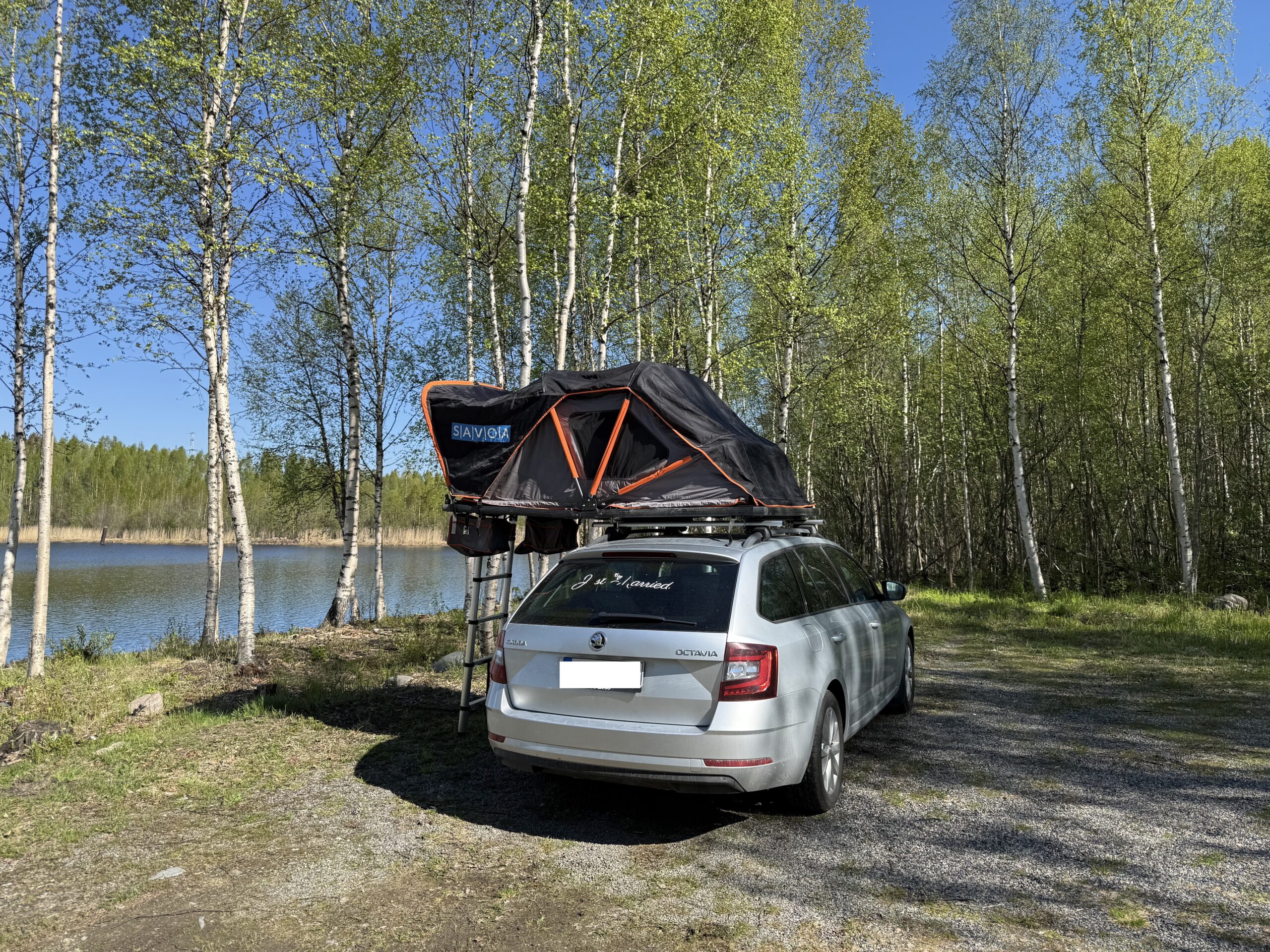
We’ve driven Iceland’s ring road ourselves — the single-lane bridges, the wind that shoves a high-sided vehicle sideways on the south coast, the gravel spurs out to a waterfall nobody else bothered to walk to. Almost every message we get before someone’s first Iceland trip boils down to the same question: motorhome or campervan?
It’s not a trivial choice. The two vehicle classes behave completely differently on Iceland’s roads, cost a genuinely different amount to rent and fuel, and suit a different kind of trip. This is the honest version of that decision, not a marketing pitch for one over the other.
This breakdown covers what each vehicle class actually gives you in Iceland, where each one struggles, and who should pick which — updated for 2026.
A campervan is the better default for most Iceland trips: easier to drive on narrow roads and gravel spurs, cheaper to rent and fuel, and easier to park at a trailhead or in Reykjavík. A motorhome earns its extra cost and bulk mainly for larger groups or families who want a proper indoor bathroom, a fixed bed, and more shelter from Iceland’s weather — it is a genuinely different kind of trip, not just a bigger version of the same one.
Two very different vehicles, one open question
“Campervan” and “motorhome” get used loosely online, but in Iceland’s rental market they mean genuinely different vehicles. A campervan is built on a regular van chassis — compact, manoeuvrable, usually sleeping two to four people, with a small kitchen unit and no separate bathroom. A motorhome is bigger: its own chassis, a fixed indoor layout with beds, a kitchen, and often a proper toilet and shower, sleeping up to six depending on the model.
The two are not just different sizes of the same idea. They handle Iceland’s roads, weather, and parking differently enough that the choice changes the shape of your whole trip, not just your nightly comfort level.
Capacity is the other obvious split. Most campervans are built for two, sometimes a tight three or four with a pop-top or convertible bench. Motorhomes scale up more comfortably to four, five or six depending on the model, with dedicated sleeping areas rather than a lounge that converts into a bed each night. If you are travelling as a family with children, that difference in how the beds are actually laid out — fixed versus converted — is worth asking about specifically when you compare listings, since two vehicles advertised for the “same number of people” can sleep them very differently.
What a campervan actually gives you
A campervan’s biggest advantage in Iceland is simply that it drives like a large car. That matters more here than in most countries, because a lot of the country’s best stops sit at the end of narrow gravel spurs, down single-track farm roads, or squeezed into small car parks at a waterfall or black-sand beach. A campervan slots into a normal parking space in Reykjavík and doesn’t need a three-point turn to get out of a trailhead.
It’s also the cheaper end of the market to both rent and run — a smaller engine and lighter body mean noticeably better fuel economy than a motorhome over a long ring-road loop, and campervans are usually the more available class in the shoulder-season rental fleet, which can matter if you are booking closer to your trip dates.
The trade-off is space and shelter. Most campervans do not have an indoor toilet or shower, so you are relying on campsite facilities or petrol-station stops, and cooking happens in a compact rear kitchen rather than a proper galley. On a wet, windy Icelandic evening, that difference is felt.
Day to day, the smaller footprint also makes the logistics easier. Checking into an Icelandic campsite, finding a spot, and getting settled takes less manoeuvring in a campervan, and if your route includes a night or two in Reykjavík before or after the ring road, city parking is far less of a headache than it is with a full-size motorhome.
Most of Iceland’s campsites run seasonally, broadly from May into September, with a smaller number staying open through the shoulder months — worth checking specifically if your trip falls outside high summer, since it affects both vehicle classes but narrows your overnight options more the later in the year you travel.
What a motorhome actually gives you
A motorhome’s case is comfort and self-sufficiency. A fixed bed you don’t have to convert from a seating area each night, a real kitchen with more counter space, and — on most models — an indoor bathroom, which on a cold, wet Icelandic night is a genuinely bigger deal than it sounds. For a family or a group of four to six, a motorhome also means everyone travels in one vehicle rather than needing two campervans.
Motorhomes give you more shelter from Iceland’s weather generally — thicker insulation, a larger interior to spread out in when a storm keeps you inside for an evening, and more headroom to actually stand up and cook properly. If your trip includes several nights of genuinely bad weather, which on a longer Iceland itinerary is close to guaranteed at some point, that shelter has real value.
For a family specifically, there is also a simpler upside: everyone travels, eats and sleeps in one vehicle rather than splitting across two campervans and coordinating separately each day. If keeping the group together matters more to you than saving on fuel, that alone can settle the decision.
Honest travel from the Arctic Circle
We send one letter a month — no roundups, no sponsored fluff. Just what we’re doing, where we’re going, and what we actually think.
💡 Our campervan tip: prices for the same van vary a lot between rental brands. We compare Iceland campervans across 160+ rental companies on CampervanPlanet — and code HUNGRYTRAVELFAMILY20 takes €20 off.
Where Iceland’s roads change the answer
This is the section that matters most, because Iceland’s road network is not uniform. The ring road itself (Route 1) is sealed and well-maintained for a motorhome’s size, so on the main loop the vehicle class matters less than people expect. Where it matters is everywhere off that main loop.
Many of Iceland’s most photographed spots sit down gravel side-roads, and a number of interior routes are F-roads — unsealed mountain tracks, some with unbridged river crossings, that are legally closed to two-wheel-drive vehicles and to standard rental motorhomes entirely. If any part of your plan touches the Highlands or an F-road, check your rental agreement carefully: most standard campervans and virtually all motorhomes are excluded from F-roads by their insurance terms, full stop, regardless of how capable the vehicle looks.
Wind is the other factor people underestimate. Iceland’s south coast in particular gets strong, sudden gusts, and a tall-sided motorhome catches far more of that wind than a lower campervan — we’ve felt a proper gust shove a high-sided vehicle sideways on that stretch of coast, and it is not a subtle feeling. In genuinely high-wind conditions, some rental companies restrict larger motorhomes from being driven at all until the wind drops. That is worth knowing before you commit to the bigger vehicle purely for comfort.
If you’re unsure how a first Iceland rental actually goes in practice — paperwork, insurance excess, what to check before you sign — we go through it properly in renting a campervan in Iceland for the first time.
The price gap, honestly
Motorhomes cost more to rent than campervans in Iceland, and the gap is not small — a bigger chassis, a bigger engine, and more onboard fittings all add up on the daily rate, before you even get to fuel. A motorhome also drinks noticeably more fuel than a campervan over the same distance, and Iceland’s fuel prices are already among the higher end in Europe, so that gap widens further over a full ring-road loop.
Insurance follows the same pattern — the excess and the optional gravel/sand protection tend to cost more on a larger vehicle, partly because the vehicle itself is worth more and partly because a bigger chassis is statistically more prone to wind and gravel damage on Iceland’s roads specifically. None of this makes a motorhome a bad choice, but it does mean the sticker price you see first is not the full comparison — fuel and insurance widen the real gap between the two vehicle classes over a full trip. We’d always compare campervan prices for Iceland before deciding, since rates move with season and how far ahead you book.
Who should pick which
Book a campervan if you are two people, want to reach the smaller, less-visited stops, are travelling on a tighter budget, or are booking in shoulder season and want the more flexible, more available class of vehicle. It is also the easier choice if this is your first time driving in Iceland at all — a smaller vehicle is simply a gentler introduction to Icelandic weather and roads.
Book a motorhome if you are a family or a group of four or more who want to travel in one vehicle rather than two, if an indoor bathroom is a genuine priority rather than a nice-to-have, or if your trip is long enough and late enough in the season that extra shelter from the weather will matter on more than one night. If your itinerary edges anywhere near an F-road or the Highlands, remember that a standard rental of either class is typically excluded from those routes regardless of size — that decision needs to be made with your rental company directly, not assumed from the vehicle’s capability.
How we’d decide today
If we were booking an Iceland trip for the two of us right now, we’d take the campervan — the ring road plus a handful of side-trips doesn’t need a motorhome’s extra bulk, and we’d rather have the easier parking and better fuel economy over indoor plumbing for a week or two. If we were bringing the wider family, the calculation flips, and the motorhome’s fixed beds and indoor bathroom would be worth the extra cost without much debate.
Either way, we’d compare live prices for both classes before booking rather than going with the first quote we saw — you can do exactly that through our campervan rental guide. Whichever you choose, code HUNGRYTRAVELFAMILY20 takes €20 off through our link.
For timing specifically, we’ve also written about the best time to rent a campervan in Iceland, which affects both price and which vehicle class is realistically available.
Book your Iceland campervan
Compare prices across 160+ campervan and motorhome rental brands, get a free 1GB eSIM with every booking — and €20 off with code HUNGRYTRAVELFAMILY20.
Check prices & availability →Frequently asked questions
Is a campervan or motorhome better for Iceland’s ring road?
For the ring road itself, both work well since Route 1 is sealed and maintained for larger vehicles — the choice comes down more to group size, budget and how much comfort you want than to the road surface.
Can I take a rental motorhome on Iceland’s F-roads?
Almost never. Standard rental motorhomes and most campervans are excluded from F-roads by their insurance terms regardless of how capable they look, since those routes involve unsealed mountain tracks and sometimes unbridged river crossings. Check with your rental company directly if any part of your route touches the Highlands.
Is a motorhome worth the extra cost for a couple?
Usually not. For two people, a campervan is easier to park, cheaper to rent and fuel, and gives you access to more of the smaller, less-visited stops. The motorhome’s advantages — indoor bathroom, more shelter, a fixed bed — matter more for families or larger groups.
How does wind affect the choice between a campervan and a motorhome in Iceland?
Iceland’s south coast in particular gets sttrong, sudden gusts, and a tall-sided motorhome catches more of that wind than a lower campervan. In genuinely high winds, some rental companies restrict larger motorhomes from driving until conditions ease.
Does code HUNGRYTRAVELFAMILY20 work on both vehicle classes?
Yes — HUNGRYTRAVELFAMILY20 takes €20 off whichever class of vehicle you book through our CampervanPlanet link.
What’s the biggest practical difference day to day?
Bathroom access. A motorhome typically has one built in; a campervan usually relies on campsite facilities or petrol-station stops, which is the trade-off most first-time renters underestimate before their trip.