How to Beat the Heat in Southeast Asia During Summer
We’ve passed through Singapore in the thick of tropical summer and learned what actually keeps you comfortable in 35°C heat. Here’s the honest playbook from a Rovaniemi couple who went from Arctic cold to equatorial sweat.
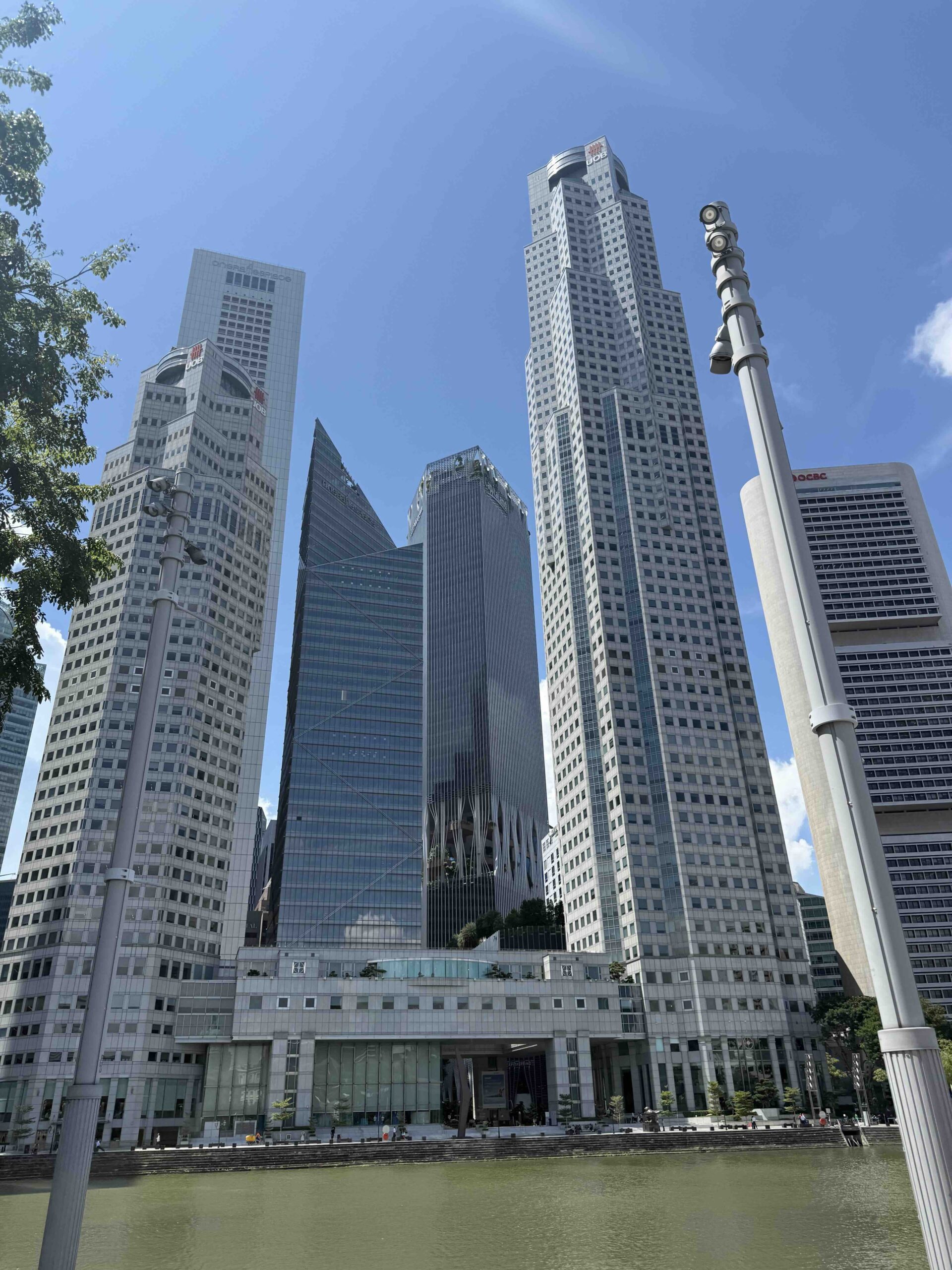
Coming from Rovaniemi, where summer means a pleasant 20°C and a midnight sun you can actually walk in comfortably, stepping off a plane in Singapore in July felt like opening an oven door. We knew it would be hot. We didn’t quite know it would be humid-hot, where the air feels thick and every five minutes outside soaks your shirt through.
Over our visits to Singapore and conversations with travellers who’ve done deeper Southeast Asia routes, we’ve built a clear picture of how to actually enjoy the region in summer — not just survive it. This guide shares what genuinely works to beat the heat in Southeast Asia during summer, whether you’re there for a stopover or a full month of travel.
To beat the heat in Southeast Asia during summer, plan your day around the brutal 11 am–3 pm peak by being indoors then. Dress in lightweight linen or moisture-wicking fabrics, hydrate constantly, base yourself in neighbourhoods with covered walkways, and embrace the local rhythm of early mornings, long lunches, and late evenings. Air conditioning is everywhere — use it strategically, not as a crutch that makes the heat shock worse every time you step outside.
- Why summer heat in Southeast Asia hits differently
- How to plan your daily schedule around the heat
- The heat-beat checklist: 8 things that actually work
- Warning signs and how to avoid heat exhaustion
- Cool destinations within Southeast Asia in summer
- Our biggest heat mistakes (so you don’t make them)
- FAQ
- A final word from Rovaniemi
Why the heat in Southeast Asia hits differently — and what that means for your trip
The reason Southeast Asian summer heat is so disorienting for Europeans isn’t just the temperature — it’s the combination of heat and humidity. At home, 30°C with low humidity is a lovely day. In Singapore, Bangkok, or Kuala Lumpur, 32°C with 85% relative humidity means your body’s evaporative cooling system (sweat) barely works. The air is already saturated with moisture, so sweat doesn’t evaporate properly, and your core temperature climbs faster than you expect.
The humidity factor: what the thermometer doesn’t tell you
Humidity is the silent villain. At 80–90% humidity, the “feels like” temperature in Singapore during June–August often registers 38–42°C, even when the actual air temperature is 32°C. Your body works twice as hard. The practical implication: anything that works in dry southern European heat requires extra effort here.
The monsoon wildcard
Summer in Southeast Asia also brings the southwest monsoon to much of the region — Thailand, Bali, Vietnam’s south coast, and Malaysia’s west side all see heavier rain from May to September. The rain doesn’t cool things down for long (the steam afterwards is legendary), but it does break the afternoon heat momentarily and provides a psychological reset. Learn to love it.
How to plan your daily schedule around the heat in Southeast Asia
The single biggest change you can make is structural: stop fighting the heat by charging through it, and instead build your day so you’re indoors during the worst window and outside during the manageable ones.
The local rhythm that works
Here’s the schedule pattern we follow and that we see locals living by:
- 6:00–9:00 am — the golden window: air temperature is at its coolest (typically 26–29°C), humidity is still high but manageable, and sights like temples and markets are quiet. Tackle any outdoor attractions here.
- 9:00–11:00 am — second wind: starting to warm up, still viable for walking if you keep to shaded areas and hawker centres. Good window for neighbourhood exploration.
- 11:00 am–3:00 pm — retreat: this is the brutal window. UV index peaks, humidity combines with full sun to make outdoor exertion genuinely dangerous for the unacclimatised. Museums, shopping malls, long lunches, a hotel nap — this is the locals’ approach and it’s the right one.
- 3:00–6:00 pm — afternoon revival: often broken by a brief thunderstorm that takes the edge off. Get back outside after any rain for pleasant temperatures and dramatic golden light.
- 6:00 pm–midnight — the evening stretch: Southeast Asia comes alive at night for a reason. Street food, night markets, riverside bars — the heat drops to 27–29°C and the humidity, while still present, is far more manageable with a breeze.
The heat-beat checklist: 8 things that actually work
Lightweight linen or moisture-wicking synthetic fabrics in light colours are the practical uniform. A loose linen shirt in white or beige reflects heat, breathes, and looks perfectly fine for most restaurants. Dark synthetics trap heat; denim is a serious mistake.
A dampened microfibre towel on the back of your neck drops perceived temperature by several degrees instantly. We keep one in a zip-lock in our day bag. It works on any outdoor walk and takes up almost no space.
You’re losing significantly more fluid than you realise. In 32°C humidity, a two-hour walk can cost you over a litre of sweat without feeling particularly sweaty. Drink 3–4 litres daily minimum, include electrolytes (coconut water is cheap and ubiquitous), and monitor the colour of your urine.
Singapore’s underground pedestrian network and covered walkways between MRT stations and malls are genuinely life-changing. Learn which routes use them (Google Maps highlights underground routes). Bangkok’s BTS Skywalk has a similar effect. Walk between air-conditioned spaces rather than on open pavements during the peak window.
Apply SPF 50 30 minutes before going out, reapply every 90 minutes, and carry a compact sun umbrella. In Southeast Asia the UV index routinely hits 11–12 (extreme) between 10 am and 2 pm. Unprotected skin burns in under 10 minutes at that level.
The temptation is to crank the hotel AC to 18°C. Resist it. The bigger the gap between your room and the outdoor temperature, the worse the heat shock when you step outside. Keep your room at 24–25°C and your body stays in a better range for transitioning outdoors.
Heavy meals spike your metabolic heat generation. Local food in Southeast Asia is naturally calibrated for the climate: smaller portions, broth-based dishes, abundant fresh herbs. A bowl of laksa at a hawker centre is a better lunch choice in 33°C heat than a steak.
Your body genuinely adapts. The first three days are the hardest; by day four you’ll notice your sweating mechanism has improved and the heat bothers you less. Don’t judge your entire trip by the first afternoon.
Related read Planning a Singapore layover? See our honest guide on making the most of a 12-hour Singapore layover — including where the covered walkways are and what’s worth the heat.
Get our best travel tips in your inbox
Monthly stories from Rovaniemi — Arctic tips, packing lists, and the places we keep coming back to.