Portugal in Summer: Lisbon, Porto, and Where to Escape the Heat
We’ve done Portugal in summer — the blazing midday streets of Lisbon, the cooler riverfront evenings in Porto, and the quieter villages in between. Here’s the honest version of what works and what melts you.
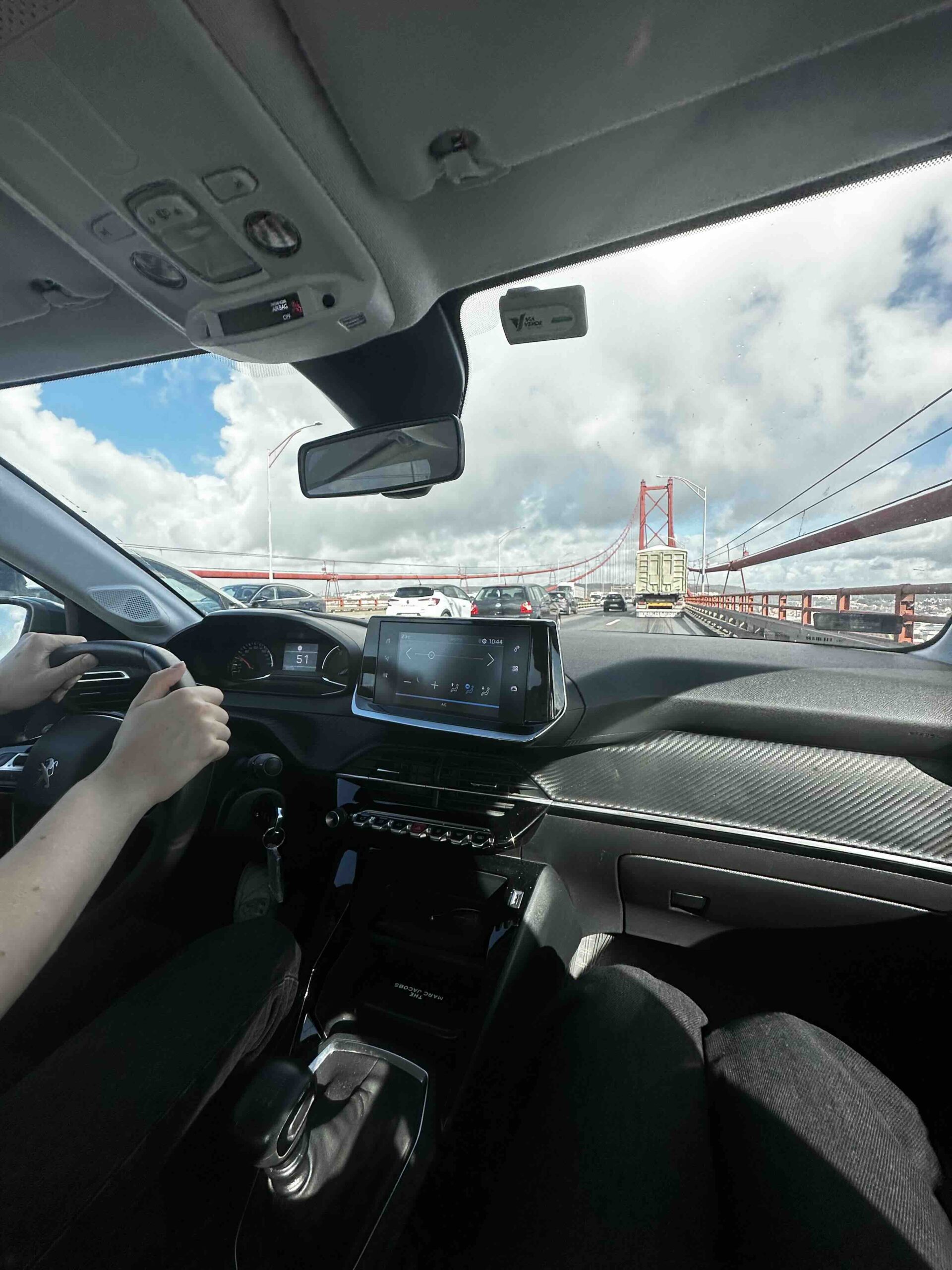
We booked our Portugal trip in the middle of a Finnish winter, dreaming about warmth and pasteis de nata. What we got was warmth — plus a crash course in just how serious Portugal in summer really is. Lisbon in July can hit 40 °C. Porto sits at a slightly saner 30 °C, cooled by Atlantic breezes. And if you drive an hour north or east, you’ll find temperatures that feel downright civilised.
This is not a “best viewpoints in Lisbon” post. This is the trip we wish someone had briefed us on before we stood, sweating through our shirts, on a cobblestone hill at 2 pm on a Tuesday in July.
Portugal in summer is very doable if you pick the right base. Porto stays cooler than Lisbon thanks to Atlantic winds, making it the better summer choice. For real heat relief, head to the Minho and Douro valleys in Northern Portugal, or the Alentejo highlands. Plan active sightseeing for early mornings, take a long midday break, and save evenings for everything else.
What summer actually feels like in Portugal
Coming from Lapland, we are not strangers to extremes — but our extremes run cold, not hot. Portugal in summer was a genuine revelation. The country splits into distinct thermal zones, and understanding them before you book makes an enormous difference to your trip.
The three Portugal summer climates you need to know
- Lisbon and the Alentejo plains (south): July and August average 35–40 °C midday. Dry heat, intense sun on pale stone, almost no shade in the historic quarters. Beautiful but punishing between 11 am and 5 pm.
- Porto and the Minho coast (northwest): significantly cooler thanks to the Atlantic. Typical July highs of 26–30 °C, with a north wind called the Nortada that kicks in most afternoons. Some days you’ll want a light jacket in the evening.
- Serra da Estrela and the Douro valley (inland): altitude moderates the heat. At 1,000 m+ you can be 8–12 °C cooler than coastal Lisbon on the same day. Excellent for hiking, wine tourism, and sleeping without air conditioning.
We visited both Lisbon and Porto. Our honest conclusion: in summer, Porto simply wins on comfort. That said, Lisbon has a different kind of magic in summer — the evening light on the Tagus, the outdoor concerts at Castelo de São Jorge, the night markets in LX Factory — and it’s entirely manageable if you adapt your schedule.
Lisbon in summer: how to manage the heat without missing everything
Lisbon is one of the most beautiful cities we’ve visited, and it is genuinely tough in July. Here is the approach that worked for us — and what we’d change on a return trip.
The Lisbon summer rhythm
- Early morning (7–10 am): this is your golden window. Belém, the Alfama viewpoints, the Mouraria neighbourhood — all of them are quiet, lit beautifully, and actually walkable. We got our best photos and most pleasant experiences before the crowds and heat arrived.
- Late morning (10 am–noon): museums. The Museu Nacional do Azulejo, MAAT, and the Museu Nacional de Arte Antiga are all air-conditioned and genuinely excellent. Timing your museum visits for late morning rather than afternoon means you miss the tour-group rush.
- Midday–4 pm: retreat. Find a cafe with air conditioning, eat a long lunch, nap. This is not laziness — it’s the Portuguese way, and it makes the rest of the day possible.
- Late afternoon onwards: the city cools quickly once the sun drops. Rooftop bars, the waterfront Ribeira market, the riverside promenade along the Tagus — all of this is genuinely enjoyable from about 5 pm. Evenings in Lisbon in summer are spectacular.
Related read Planning a complete Lisbon visit? See our 3 Days in Lisbon: The Itinerary We’d Repeat for a day-by-day breakdown.
Quick-reference: Portugal summer survival checklist
Not all Lisbon guesthouses have AC. Check before you book — this is the single thing we’d do differently. A room at 28 °C makes proper sleep impossible, and poor sleep destroys your ability to enjoy a city.
Start everything outdoors before 10 am. The Alfama, Belém, Sintra — all of them are transformed at that hour. Empty, cool, and lit differently than you’ll see on any travel blog photo taken at noon.
If your trip allows flexibility, base yourself in Porto and take a day trip to Lisbon by train (Alfa Pendular, 2 hrs 45 min), not the other way round. Porto’s climate margin is significant.
Sunscreen is obvious. The folding fan is underrated — locals use them, they work, and on a windless 38 °C afternoon in the Alfama they will become your most prized possession.
The 28 tram is iconic, crowded, and very hot. The Cacilhas ferry across the Tagus costs €1.40, gives you a cool river crossing and a view back to Lisbon that most tourists miss, and takes you to a seafood lunch town with almost no queue.
Sintra is stunning. It’s also on a south-facing hillside that gets extremely hot. The 7:05 am train from Rossio station gets you there before 8 am. You will have Pena Palace to yourself and leave before the coaches arrive.
Get our best travel tips in your inbox
Monthly stories from Rovaniemi — Arctic tips, packing lists, and the places we keep coming back to.