Renting a Car in Norway: What’s Actually Included
We’ve rented cars in Norway more times than we can count — from Rovaniemi road trips crossing the border into Finnmark, to long loops through the western fjords. Here is exactly what is and isn’t included when you rent a car in Norway, and what you need to add before you drive off the lot.
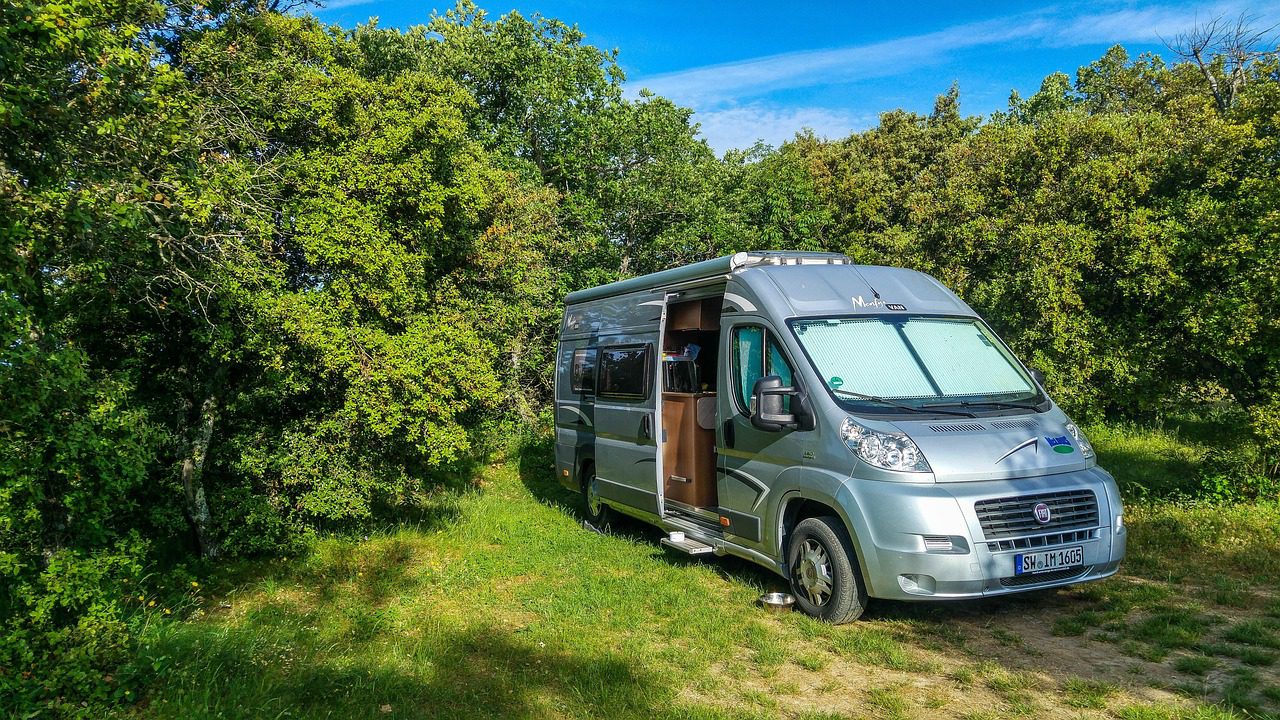
Renting a car in Norway sounds simple until you’re standing at the counter being offered half a dozen insurance upgrades in a language you don’t fully follow. We’ve done this many times, both at Oslo Airport and at smaller stations near the Finnmark border. The short version: the base price rarely tells the full story, but once you know the system it’s easy to navigate.
When you rent a car in Norway, the base rate typically includes third-party liability insurance (legally required), unlimited mileage (on most bookings), and a collision damage waiver with an excess you’ll pay if something goes wrong. It does not usually include gravel protection, theft cover, personal accident insurance, a GPS, or Norwegian toll charges. Budget roughly NOK 150–300 per day extra for the add-ons that actually matter.
What is always included when you rent a car in Norway
Norwegian consumer law and EU rental regulations mean that certain things must be included in every quoted price. Here is what you can count on across Hertz, Avis, Europcar, Budget, Sixt, and the local Norwegian operators like Rent-A-Wreck.
Mandatory inclusions across all operators
- Third-party liability (TPL): legally required in Norway and included in every rental without exception. This covers damage you cause to other vehicles or property. The minimum coverage is very high by international standards.
- Collision Damage Waiver (CDW): almost universally included in Norwegian rentals, reducing your liability for damage to the rental car itself to a set excess amount. Without CDW you’d be paying the full replacement cost — nobody sells rentals that way in Norway.
- Unlimited kilometres: the vast majority of Norwegian rentals come with unlimited mileage. Distance caps are rare and almost always flagged clearly in the booking. If your quote shows a mileage limit, read the small print — it’s unusual.
- 24/7 roadside assistance: all major operators include this. In a country with mountain passes, single-track roads, and ferry crossings, it matters.
- One additional driver (at some operators): varies. Hertz includes one additional driver free; others charge around NOK 80–120/day per extra driver. Confirm before you book.
What the CDW excess actually means
CDW covers the car but you still carry a deductible — typically NOK 8,000–25,000 (roughly €700–€2,200) depending on the operator and car class. If someone dents the car in a supermarket car park, that excess comes out of your credit card. You can reduce this to zero by purchasing a Super CDW (see section 3).
What is usually NOT included — and catches people out
This is the list that actually matters. Every item below is a genuine extra cost that you may or may not choose to buy, but you need to understand before you sign.
Common exclusions in Norwegian car rentals
- Gravel and windscreen protection (GP/WSP): Norwegian roads, especially north of Mo i Rana and on any gravel detour, throw stones. Windscreen chips and gravel damage to the bonnet are explicitly excluded from standard CDW at every major operator. This is the most commonly purchased add-on in Norway, and we always buy it.
- Theft protection: standard CDW does not cover theft. If your rental is stolen — unlikely but not impossible — you carry the full excess. Theft cover costs around NOK 50–100/day and is worth it for multi-week trips.
- Tyre and rim damage: potholes, ferry ramp edges, kerbs. Tyre damage is specifically excluded from CDW and surprisingly common on Norwegian mountain roads in spring when potholes reopen after winter.
- Personal accident insurance (PAI): covers medical costs for the driver and passengers. If your travel insurance already covers this, you don’t need it. Most good travel policies do.
- GPS / navigation: an optional rental at around NOK 80–150/day. We never hire one — offline Google Maps with Norway downloaded works perfectly and saves you NOK 800+ on a ten-day trip.
- Child/baby seats: must be reserved in advance, always an extra charge (NOK 80–180/day depending on the operator and seat type). Book these before arrival — small stations run out.
- Norwegian toll road charges (AutoPASS): the most misunderstood charge in Norwegian car rental. See section 5 for the full breakdown — this deserves its own section.
- Cross-border fees: if you are driving into Sweden, Denmark, or Finland, most operators allow it free of charge but require advance notice. Driving into non-EU countries (Russia, Belarus) is generally prohibited. Our Rovaniemi-to-Norway routes are always declared upfront — no issues.
- Young driver surcharge: drivers under 25 pay a daily surcharge of NOK 100–250 on top of the base rate. Under-21 rentals are rare in Norway.
- Out-of-hours pickup: returning or collecting outside staffed hours at airport desks can carry a NOK 200–400 fee.
The extras that are actually worth paying for
You will be offered a lot of add-ons at the counter. Here is our honest view of which ones to take and which to skip, based on real road trips in Norway.
Take these
- Gravel / windscreen protection: always. Especially if you are going anywhere north of Trondheim or planning any gravel detour. The cost is NOK 60–120/day. A windscreen replacement is NOK 6,000–15,000.
- Super CDW (zero excess): worth it for trips of five days or more, or if you are driving on challenging roads (mountain passes, narrow ferry approach roads, city centre parking in Bergen). It typically costs NOK 120–200/day.
- Additional driver: if you are sharing a long drive, this is essential — unregistered drivers are not covered by any insurance.
Skip these (usually)
- GPS: download offline maps before you fly. Norway has excellent mobile coverage even in most fjord areas.
- Personal accident insurance: check your travel policy first. Paying twice for the same cover is common and unnecessary.
- Pre-paid fuel: you pay for a full tank upfront at a fixed (usually higher) rate and return it empty. We always decline — returning it full is easy and cheaper.
- Roadside assistance upgrades: the standard 24/7 cover is adequate for almost all situations in Norway.
Honest travel notes from the Arctic
We write about Norway, Lapland, and slow travel across Europe. No algorithm, no sponsored fluff — just what we actually experience.
💡 Our campervan tip: prices for the same van vary a lot between rental brands. We compare Norway campervans across 160+ rental companies on CampervanPlanet — and code HUNGRYTRAVELFAMILY5 takes 5% off.
Norwegian toll roads — the charge that surprises everyone
Norway has one of the most extensive automated toll systems in the world. Nearly every approach road to a major city, every long tunnel, and many scenic routes have AutoPASS toll points. And this is where rental car bills frequently surprise people.
How it works for rental cars
- AutoPASS transponder: rental cars may or may not have an AutoPASS tag already fitted. If they do, tolls are logged automatically and billed to your contract after return — typically with a service fee of NOK 30–75 per invoice day the car was used on toll roads.
- No tag in the car: the number plate is photographed at toll points. The charge is still tracked and will appear on your post-rental invoice, again with a service fee.
- Ferry crossings: car ferries (Sognefjord, Hardangerfjord, etc.) are paid separately — cash or card at the terminal, or via the AutoPASS system if fitted. These are not toll charges but can add NOK 200–600 per crossing for a standard car.
- Typical toll costs: driving into Oslo costs NOK 12–30 per passage. The Laerdal Tunnel (world’s longest road tunnel, 24 km) is free. The Atlantic Ocean Road area has tolls on some approach bridges. Budget NOK 100–400/day if you are driving in and around cities.
- City congestion zones: Oslo, Bergen, Stavanger, and Trondheim all have environmental tolls. In Bergen, charges vary by time of day and are higher during morning and evening rush hours.
Choosing the right car for a Norway road trip
The car category matters more in Norway than in most European countries, because of narrow roads, steep gradients, mountain passes, and the practical reality that you will be loading it with luggage, camping gear, or even a roof tent.
Car category guide for Norway
- Small / economy (e.g. VW Polo, Ford Fiesta): fine for a city-based trip or a short hop along one fjord. Too small for two people plus gear on a 10-day loop. Boot space becomes painful quickly.
- Compact SUV (e.g. VW Tiguan, Skoda Karoq): our standard choice for most Norway trips. Good boot space, higher clearance helps on gravel tracks, comfortable on long stretches.
- Full-size SUV / 4WD: necessary if you are driving in late autumn or early spring when mountain passes may not be fully cleared, or if you are heading into genuinely remote areas in Nordland or Finnmark.
- Electric vehicles: Norway has excellent EV infrastructure in the south, but charging networks thin out significantly in northern Norway and on the routes we drive from Rovaniemi. If you are doing a coastal loop around Lofoten, plan charging stops carefully — it is very doable but requires more planning than in Norway’s cities.
- Automatic vs manual: both are available. On steep mountain passes and switchback roads an automatic is noticeably more relaxing. If you are not confident with a manual on a 12% gradient with a camper van behind you, pay the small premium for automatic.
Mistakes we made renting cars in Norway
- Not buying gravel protection on our first trip. We got a stone chip on the windscreen on the E6 north of Narvik. Without the add-on, the excess for a windscreen replacement would have been NOK 6,000. We paid in full. We have never skipped gravel protection since.
- Forgetting to notify the operator about cross-border driving. We once drove from Tromsø into Finland without declaring the crossing. The contract technically voided any cover during that stretch. Nothing happened, but it was a risk we shouldn’t have taken. Always declare cross-border intent upfront.
- Underestimating toll costs in Bergen. Bergen’s toll ring is genuinely expensive if you are driving in and out of the city several times a day — we racked up over NOK 400 in a single day without realising. Set a daily toll budget.
- Booking a small car for a long trip. We once booked a compact car to save NOK 300/day and spent the whole trip rearranging bags because the boot was 30 cm too short for our gear. The upgrade pays for itself in comfort on a multi-week road trip.
- Skipping the pre-rental photo documentation. Take photos of every panel, every existing scratch, and every wheel before you leave the lot — even if staff say it’s not necessary. We use a timestamp video walk-around. It has saved us from disputed damage charges twice.
- Returning the car without refuelling fully. The operator’s refuelling charge is always expensive — typically NOK 250–400 plus fuel cost at a premium rate. Refuel at a petrol station within a kilometre of the drop-off and keep the receipt.
Book your Norway campervan
Compare prices across 160+ campervan and motorhome rental brands, get a free 1GB eSIM with every booking — and 5% off with code HUNGRYTRAVELFAMILY5.
Check prices & availability →Frequently asked questions
Is insurance included when you rent a car in Norway?
Third-party liability and a basic Collision Damage Waiver (CDW) are included in virtually all Norwegian rentals. However, CDW comes with an excess of NOK 8,000–25,000, and gravel/windscreen protection is not included in the standard package. Read the contract carefully before signing.
Do I need an International Driving Permit to rent a car in Norway?
EU, UK, US, Canadian, and Australian licence holders do not need an IDP for Norway. Most other foreign licences are accepted directly if they are printed in the Latin alphabet. If your licence is in Cyrillic, Arabic, Chinese, or another script, an IDP is required alongside the original.
How do Norwegian toll roads work for rental cars?
Tolls are tracked by AutoPASS transponder or number-plate cameras and billed to the rental contract after you return the car. You will also pay an administration fee per invoice day — typically NOK 30–75/day. Toll charges are never included in the rental price.
Can I drive a Norwegian rental car into Finland or Sweden?
Yes, in most cases — but you must declare cross-border driving when booking or at the counter. Driving into a country you haven’t declared invalidates your insurance for that period. Finland–Norway border crossings (like the ones we use regularly from Rovaniemi) are straightforward once declared.
What is the best car category for a Norway fjord road trip?
A compact SUV is the sweet spot for most people: enough boot space for multi-day gear, adequate clearance for gravel roads and steep ferry approach ramps, and comfortable on the long distances between fjords. Full-size 4WD is only necessary in late autumn or early spring on high mountain passes.
Is it cheaper to book a rental car in advance or at the counter in Norway?
Almost always cheaper in advance, often dramatically so — especially at Oslo Airport (OSL) which is one of Europe’s busiest rental hubs. Walk-up rates at Norwegian airports can be two to three times online advance prices. Book at least two weeks out in peak summer season, and compare aggregators like Rentalcars.com or Discover Cars against booking direct.
A final word from Rovaniemi
We drive into Norway from Finland several times a year — sometimes for a weekend across the border in Finnmark, sometimes for a longer fjord loop down through Helgeland or the Lofoten Islands. The car rental system in Norway is honestly quite good once you understand its logic. The base price is usually real; the surprise costs come from tolls, the gravel excess, and the add-ons you didn’t know were excluded.
Our standing rule: buy gravel protection, declare every border crossing, photograph the car on pickup, and never prepay fuel. Everything else is a judgment call based on your trip length and driving conditions. If you are coming from outside Scandinavia and this is your first Norway road trip — it’s one of the most beautiful drives in the world. Don’t let the rental paperwork put you off. Just go prepared.
Joona & Alla
A Finnish-Ukrainian couple living in Rovaniemi, Finland. Joona is a marketing professional in Lapland tourism; Alla is an AI Engineer. Together we’ve visited 25 countries and share honest, locally-grounded travel writing from our home in the Arctic.
Read our full story →