Do You Need a Toll Pass in Norway?
We have driven Norway from the fjords of the west coast to the roads of the far north without a single toll tag in the car — and paid far less than most tourists assume. Here is exactly what a Norway toll pass is, whether you actually need one, and how the AutoPASS system works for foreign drivers in 2026.
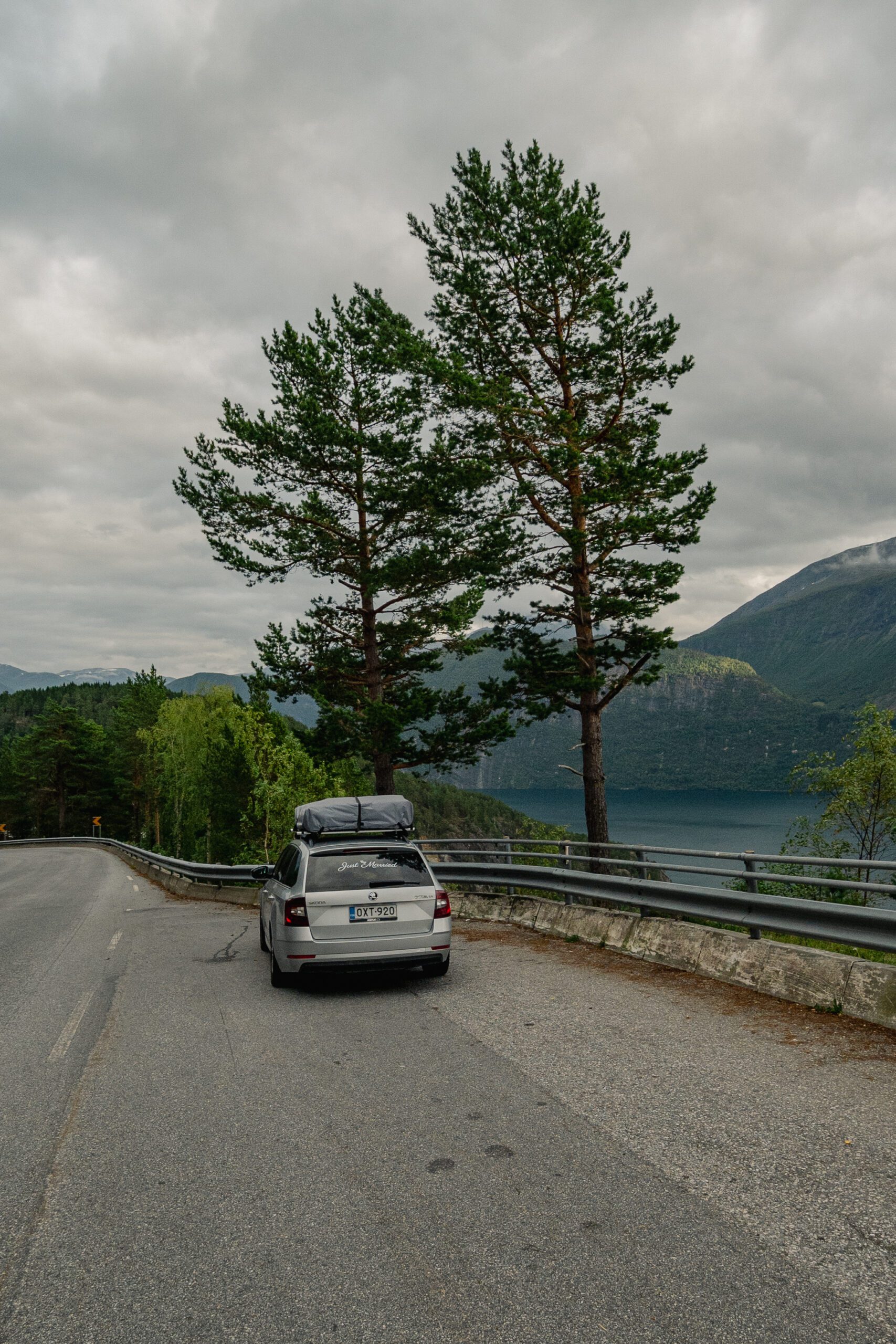
The question sounds simple. Do you need a toll pass in Norway? But it has at least three different answers depending on what you mean by “pass” — and getting the wrong answer costs money. We have driven Norway on three separate trips from our home in Finnish Lapland: once in total ignorance, once armed with half the right information, and the third time knowing exactly what we were doing. This is the guide we wish we had had for the first trip.
The short version is that Norway does not require a physical toll tag or pass in the way some countries do. But understanding how the Norway toll pass AutoPASS system works — and how to interact with it as a foreign driver — is the difference between paying a fair amount for excellent roads and paying that same amount plus a rental company admin fee you never needed to pay.
You do not need a physical toll pass to drive Norway — all toll points are fully automated and camera-based. However, registering your rental plate at autopass.no before your trip means charges go directly to your card at the standard rate, bypassing your rental company’s admin fee (typically €15–€35 per invoice). For any Norway road trip longer than a day or two, pre-registration is worth the 10 minutes it takes.
- What AutoPASS is and how it works
- Do you actually need a toll pass?
- Quick-reference: toll costs, apps, and payment options
- How to pre-register your plate before your trip
- Toll warnings — mistakes that cost more than necessary
- Norway toll roads compared: cities vs rural routes
- What we actually learned across three Norway road trips
- FAQ
- A final word from Rovaniemi
What AutoPASS is and how the Norway toll system actually works
AutoPASS is Norway’s national electronic toll collection system. It replaced all manned toll booths on main roads, meaning there are no barriers, no payment windows, and no stopping. Every toll point is an overhead gantry fitted with cameras and sensors. As you drive underneath it at normal speed, the system photographs your number plate, identifies your vehicle class, and logs a charge.
The AutoPASS tag and who needs one
An AutoPASS tag is a small electronic transponder that clips to your windscreen. Norwegian residents and frequent Nordic drivers register a tag to their account, and charges are deducted automatically at a slightly discounted rate. The tag is what most people think of when they hear “toll pass.”
As a foreign tourist driving a rental car, you almost certainly will not have an AutoPASS tag — and you do not need one. The camera system reads your foreign plate just as well as a Norwegian one. The tag is an efficiency tool for regular users, not a requirement for entry. You can drive every road in Norway without ever touching a tag and the system will still process your charges correctly.
How charges reach you without a tag
Without a tag, your plate number is captured at each toll point and held in the system. It then gets routed one of two ways. If you registered your plate at autopass.no or through EasyPark, the charge goes to the card you linked — cleanly, at the standard rate, with no intermediary. If you registered nothing, the charge accumulates against your plate and is eventually forwarded to the registered owner of the vehicle: your rental company. The rental company pays it and then invoices you, usually adding an administration fee on top.
Do you actually need a toll pass for Norway?
This depends on what you mean. Here is the honest breakdown:
You do not need a physical toll pass
Norway’s roads are open to any vehicle with a readable plate. There is no requirement to purchase a tag or register before entering. The system processes all plates automatically. You will be charged regardless of whether you have done anything in advance — the only question is how those charges reach you and at what rate.
What you do need to consider
- Registration at autopass.no is not required, but it is strongly recommended for any trip longer than a short city visit. It prevents rental company admin fees, gives you full visibility of charges, and often gets you the standard rate rather than the slightly higher unregistered foreign-plate rate in some toll rings.
- If your rental company offers a toll package as an add-on, compare it against expected tolls. For heavy Oslo driving, a flat daily toll package can be good value. For a rural fjord road trip with sparse toll points, it is usually unnecessary.
- EasyPark is a legitimate alternative to autopass.no if you already use it for parking in Scandinavia. It handles Norwegian tolls through the same system.
- BroBizz is another transponder option, popular among travellers who drive the Nordic countries regularly. Not worth buying for a single trip to Norway, but useful if you cross Scandinavian borders frequently.
Quick-reference: Norway toll costs, apps, and payment options in 2026
Everything you need before you drive, in one scannable list:
- autopass.no — the official Norwegian portal. Register your plate, link a bank card, pay directly. No account required for basic registration. Works with all standard European plates.
- EasyPark app — handles AutoPASS tolls alongside parking. Convenient if you already have the app from other Scandinavian trips.
- BroBizz — a physical transponder for Nordic frequent drivers. Skip for a single trip.
- Urban toll ring (bomring) charges: Oslo, Bergen, Stavanger, Trondheim each have rings that charge per entry or per pass. Oslo’s bomring has multiple charge points — driving around the city repeatedly can add 150–300 NOK (€13–€26) per day.
- Infrastructure tolls (bridges and tunnels): typically 25–80 NOK per crossing for a standard car. The Atlantic Ocean Road, Hardanger Bridge, Ryfast tunnel, and Rennfast each have their own toll point.
- Vehicle class: standard rental cars (under 3.5 tonnes) are Class 1, the lowest rate. Campervans over 3.5t pay roughly double.
- Time-of-day discounts: some urban rings charge less before 06:30 and after 22:00. Useful if you plan to leave cities early or late.
- Electric vehicles: Norwegian-registered EVs have historically received toll discounts. Foreign-registered EVs may or may not qualify depending on the scheme — verify at vegvesen.no before assuming a reduction.
Nordic road trips, honestly told.
We write from Finnish Lapland about the real costs, real surprises, and routes we would repeat. No fluff, no sponsorship bias.
How to pre-register your plate before your Norway trip
We do this from Rovaniemi before we even cross the border. It takes about ten minutes and the process is straightforward:
- Go to autopass.no and navigate to the registration section for foreign vehicles. The site has an English version — use it.
- Enter your rental car’s plate number. You get this from your rental confirmation or when you pick up the car. If you have not picked up the car yet, you can add it once you do — even from a Norwegian roadside car park.
- Enter a valid payment card. This card will be charged automatically for any tolls your plate triggers. You will receive an itemised receipt.
- Confirm the registration. The plate is now linked to your account. Any toll charge from this point forward goes to your card, not to the rental company.
- Check the charges when you return. Log back into autopass.no after your trip to see every charge itemised. It is an unexpectedly satisfying record of everywhere you drove.
💡 Our campervan tip: prices for the same van vary a lot between rental brands. We compare Norway campervans across 160+ rental companies on CampervanPlanet — and code HUNGRYTRAVELFAMILY5 takes 5% off.
Norway toll pass warnings — mistakes that cost more than they should
- Assuming toll-free means cost-free. Some drivers skip autopass.no thinking the rental company will “just handle it.” They do — for a €15–€35 administration fee per invoice, on top of the actual toll amount.
- Not knowing your hotel is inside the toll ring. Many central Oslo and Bergen hotels are inside the bomring. If you drive in and out for sightseeing, you pass through the ring multiple times. This adds up faster than expected. On city days, consider parking outside the ring and using trams or buses.
- Assuming all famous scenic roads are toll-free. They are not. The Atlantic Ocean Road has a toll. The Hardanger Bridge has a toll. Scenic and famous does not mean free — if anything, major infrastructure routes are more likely to have toll points than minor back roads.
- Forgetting to check after your trip. Rental company invoices for Norway tolls can arrive 4–8 weeks after your return. If you pre-registered on autopass.no, the charge appears there instead — check it. If you did not register, watch your credit card statements for a late-arriving invoice.
- Paying the invoice late. Direct invoices from the Norwegian toll authority have a payment window. Missing it can trigger a follow-up charge. Pay promptly when you receive it.
- Buying a BroBizz tag for a single trip. It involves a deposit and return process that makes no sense for a one-time visit. Use autopass.no instead.
Norway toll costs compared: cities vs rural routes
Not all parts of Norway are equally toll-heavy. Understanding the difference shapes your budget:
- Oslo and the surrounding region: the most expensive. The bomring charges you every time you enter or cross through the ring. Combine that with the E18 approaches from the south and tolled tunnels under the fjord, and a day of Oslo driving can easily cost €15–€25 in tolls alone. This is where the rental company admin fee hurts most, because multiple charges mean multiple invoices.
- Bergen: similar bomring structure to Oslo, though the city is smaller and the ring has fewer charge points. Budget around €8–€15 for a day of Bergen driving.
- Western fjord country (Hardangerfjord, Sognefjord, Geirangerfjord): toll points are sparser but present at major infrastructure. Budget €5–€15 per day depending on how many bridges and tunnels you cross. The ferries that cross some fjords (Balestrand, Brekke) are separate from AutoPASS and you pay on board or via the Ferge.no app.
- Lofoten Islands: almost no tolls beyond the E10 approach from Narvik through one tunnel. Once you are on the islands, driving is essentially free. A welcome surprise after the fjord country.
- Northern Norway above Tromsø: very sparse toll infrastructure. Roads here are often older and the distances between any toll points are vast. Some visitors to the far north spend an entire week without encountering more than one or two toll points.
- Mountain plateau routes (Hardangervidda, Dovrefjell): largely toll-free. These high-altitude roads cross open terrain where there are no bridges or tunnels to finance. If you are looking for spectacular driving without toll cost, plateau routes are it.
What we actually learned across three Norway road trips
- The first trip: we did nothing and got surprised. Two invoices from the rental company, €28 in admin fees on top of €34 in actual tolls. The tolls were completely reasonable for the roads we drove. The admin fees were avoidable and felt like a tax on our own ignorance.
- The second trip: half right, half wrong. We registered on autopass.no but waited until we were already in Norway to do it. We missed the first day’s charges (they went through the rental company before our registration took effect). Lesson: register the moment you have the plate number, even if you are still at the airport car park.
- The third trip: ten minutes before we left Rovaniemi. We registered as soon as we had the rental confirmation with the plate. Every single charge — 31 of them over nine days — went directly to our card at the standard rate. Total admin cost: zero. Total actual tolls: 640 NOK (around €56). For nine days and roughly 2,400 kilometres across some of the world’s finest roads, that is an extraordinary bargain.
- Oslo tolls are real but manageable if you plan around them. On our last trip we parked at a commuter lot east of the ring and used Oslo’s excellent tram and metro system for city days. Zero toll charges for two days of Oslo sightseeing.
- Norway’s roads justify the tolls. We are Finnish and drive good roads regularly. But Norway’s tunnel engineering, bridge maintenance, and mountain road quality is on a different level. The money goes somewhere visible. It is hard to resent the charges when the road you are on is this good.
- The Lofoten surprise is real. We had budgeted for tolls on the islands and found almost none. It made the trip feel cheaper than it actually was in a pleasant way.
Book your Norway campervan
Compare prices across 160+ campervan and motorhome rental brands, get a free 1GB eSIM with every booking — and 5% off with code HUNGRYTRAVELFAMILY5.
Check prices & availability →Frequently asked questions about Norway toll pass and AutoPASS
Do I need to buy a toll pass before driving in Norway?
No. Norway does not require you to purchase or carry any physical toll pass or tag. All toll points are automated cameras. However, registering your rental plate at autopass.no before your trip is strongly recommended — it routes charges directly to your card, bypassing rental company admin fees of €15–€35 per invoice. Registration is free and takes about 10 minutes.
What is AutoPASS and do I need it as a tourist?
AutoPASS is Norway’s national toll system — it processes all toll charges, whether you have a tag or not. As a tourist, you do not need an AutoPASS tag (a physical transponder). What you do benefit from is registering your plate at autopass.no, which links your plate to a payment card within the AutoPASS network so charges reach you directly at the standard rate.
What happens if I drive through a Norway toll point without registering?
Your plate is photographed and the charge is held in the system. It will eventually be forwarded to your rental company, who will invoice you — usually 4–8 weeks after your trip — along with their own administration fee. You will pay the tolls either way; the only difference is whether you also pay the rental company’s fee on top.
How much does it cost to drive Norway in a week?
For a mixed trip — some fjord roads, some city driving, perhaps a major bridge or tunnel — expect roughly €30–€70 in tolls over a week. Pure rural and mountain driving skews toward the lower end; a week based in Oslo or Bergen with daily city driving can push above €70. Register at autopass.no to see charges itemised in real time.
Can I use EasyPark instead of autopass.no for Norway tolls?
Yes. EasyPark handles Norwegian toll charges through the AutoPASS system, so registering your plate in EasyPark has the same effect as registering at autopass.no directly. If you already use EasyPark for parking in Finland, Sweden, or other Nordic countries, it is a convenient one-stop option for your Norway trip.
Are there roads in Norway with no tolls at all?
Yes — many. The Hardangervidda mountain plateau, large sections of northern Norway above Tromsø, most roads in Lofoten once you are on the islands, and many secondary coastal and forest roads have no toll points. Toll infrastructure is concentrated on major urban rings, long tunnels, large bridges, and express motorways. A route through rural Norway can be essentially toll-free.
A final word from Rovaniemi
We live eight hours north of the Norwegian border and drive into Norway the way some people drive to the next town. The toll system stopped feeling foreign to us years ago — it is simply part of the cost of using Norway’s extraordinary road infrastructure, and the infrastructure earns it.
The one thing that changed when we stopped being ignorant about it was not the amount we paid — the tolls themselves are the same regardless. What changed was that we stopped paying extra on top of them. Ten minutes at autopass.no before you cross the border means you pay exactly what the system charges, nothing more. That is a fair deal for the roads you are about to drive.
Pack the snacks, register the plate, and drive. Norway will take care of the rest.
Joona & Alla
A Finnish-Ukrainian couple living in Rovaniemi, Finland. Joona is a marketing professional in Lapland tourism; Alla is an AI Engineer. Together we have visited 25 countries and share honest, locally-grounded travel writing from our home in the Arctic.
Read our full story →