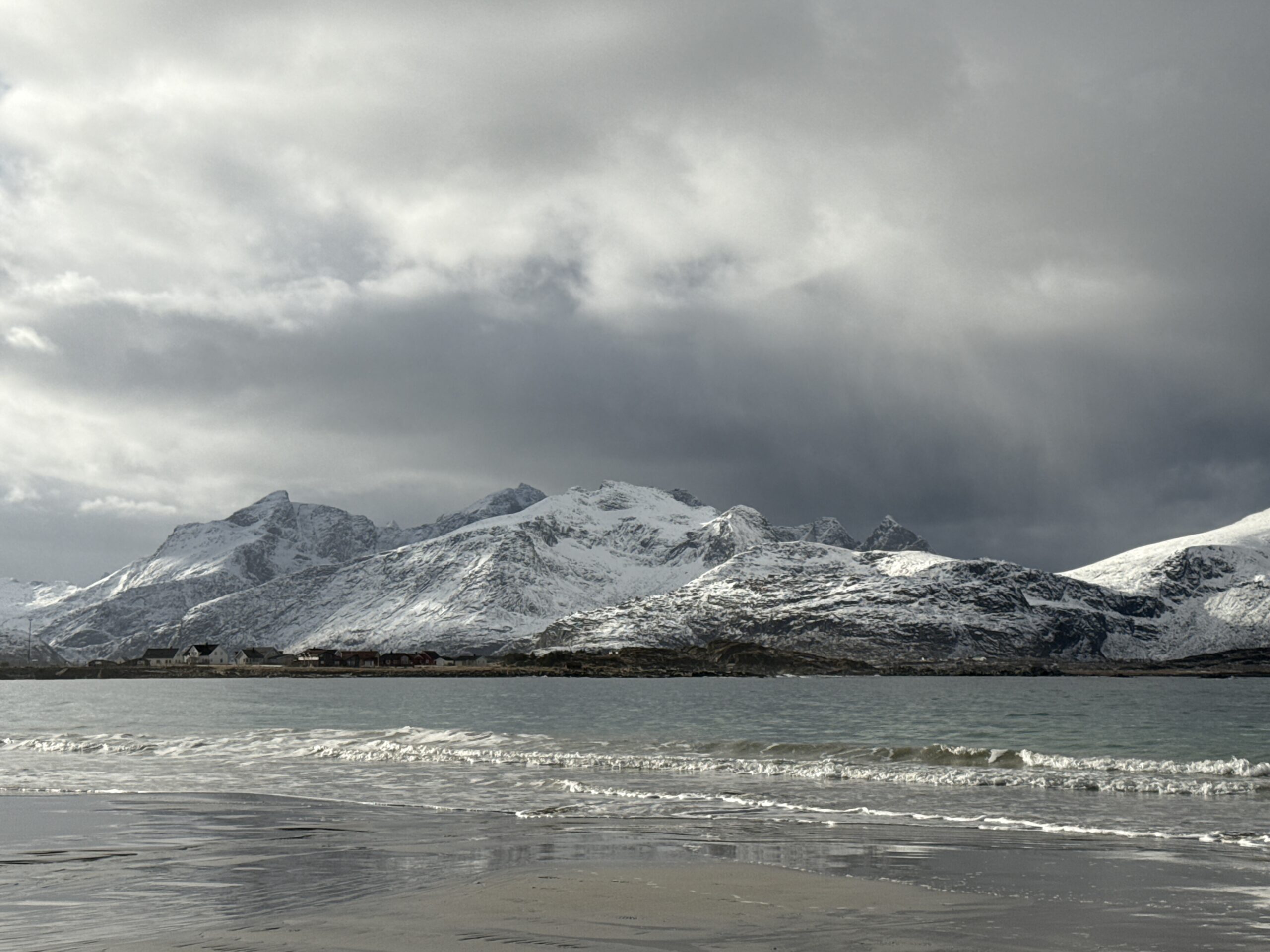
Norway is expensive. That’s not a myth, and we’re not going to sugarcoat it. We live in Finland — a country that already has a reputation for high prices — and when we cross into Norway, we notice the jump. But “is Norway expensive” and “is Norway worth it” are two entirely different questions. After multiple road trips through the country, we’ve learned exactly where Norway bleeds your budget dry, and where it genuinely delivers value you won’t find anywhere else in Europe.
This guide is built around real spending data from our own trips, not averages scraped from budget-travel spreadsheets. We’ve done Norway as a couple on a tight-ish budget, and we’ve also splurged on the experience — so we can tell you what’s worth it and what’s a trap.
Yes, Norway is genuinely expensive — expect to spend €120–€200 per person per day as a couple travelling independently, including accommodation, food, petrol, and entry fees. But knowing where to cut (supermarkets, free hiking, wild camping) can push that closer to €80–€100. The scenery is free. The ferry connections are not.
The real daily cost of travelling Norway
When we drove through Norway — covering Bergen, the Sognefjord, Ålesund, Geiranger, Trondheim, and a stretch of the E6 north — we tracked every krone. These numbers are from a couple travelling by rental car, mixing budget accommodation with occasional mid-range splurges.
What a realistic daily budget looks like
On our tightest days — supermarket meals, free camping, no paid attractions — we spent around €85–€95 per person. On mid-range days with a decent guesthouse and one restaurant meal, it was closer to €150–€170. And when we took the Flåm Railway, a fjord cruise, and ate dinner out, a single day hit €220+. The range is wide, and it’s almost entirely driven by three things: where you sleep, whether you cook, and how many paid experiences you add.
The rough breakdown by category
- Accommodation: Hostels run €35–€60 per person per night. Budget guesthouses and cabins (hytter) are €80–€160 per room. Airbnb rarely undercuts the local market in popular areas. Wild camping is free by law under allemannsretten (the right to roam) — a game-changer for anyone with a tent or a van.
- Food — self-catering: Norwegian supermarkets (Rema 1000, Kiwi, Coop Extra) are expensive by European standards but cheap by Norwegian standards. A week’s groceries for two runs €120–€180.
- Food — eating out: A main course at a sit-down restaurant is €25–€45. A basic café lunch is €18–€28. Burger chains are €15–€20 per person with a drink. There’s almost no budget dining scene outside of supermarket hot-food counters.
- Petrol: Roughly €1.85–€2.00 per litre at time of writing (summer 2026). Norway is vast. Budget €30–€60 per day if you’re driving hard.
- Toll roads: The AutoPASS system bills automatically. Expect €5–€20 in tolls per day depending on your route — more in the Oslo region.
- Paid attractions: Flåm Railway return: ~€45–€55. Fjord cruise: €35–€70. Vigeland Sculpture Park and most city parks: free.
Where Norway’s prices hit hardest
Not every part of Norway bites equally hard. The fjords are where the tourist infrastructure concentrates — and where pricing follows demand relentlessly. Here’s where we felt it most.
The fjord corridor: beautiful and brutal
Flåm, Geiranger, Gudvangen, Eidfjord — these villages exist largely as cruise ship and tour-bus stops. A cup of coffee in Flåm will cost you the same as a full meal in Kraków. Accommodation here is priced at peak regardless of season, because the experience is essentially irreplaceable and everyone knows it. Our advice: base yourself in a less-touristed town (Voss, Lærdal, Stryn) and day-trip to the viewpoints. You’ll pay half the accommodation rate and see the same fjord.
Oslo: expensive but at least there’s competition
Oslo surprised us. Yes, a beer costs €10. Yes, a restaurant dinner for two will hit €80 without blinking. But there’s a functioning city economy here — markets, cheap-ish ethnic food strips, parks and museums that are free or subsidised. The Munch Museum, Vigeland Park, and the Aker Brygge waterfront walk are all free. If you spend three nights in Oslo and do it right, you can contain costs better than in a tiny fjord village with one overpriced café.
The Lofoten effect
Lofoten is ravishingly beautiful and has gone from hidden gem to globally Instagrammed destination in under a decade. Accommodation prices have followed. A basic room in Reine or Å runs €180–€250 in peak summer. The solution: book well ahead, or drive to less-photographed villages like Stamsund or Ballstad where prices are 30–40% lower and the landscapes are just as dramatic.
What things actually cost in Norway: a quick-reference list
- Coffee (flat white / cortado): €5–€8
- Beer at a bar: €9–€13
- Supermarket beer (6-pack): €10–€14 (Vinmonopolet for spirits/wine — no alcohol in regular stores above 4.7%)
- Supermarket lunch (bread, cheese, cold cuts for two): €12–€18
- Café lunch (open sandwich + coffee): €22–€30
- Mid-range dinner (main course, no wine): €28–€45
- Ferry (e.g. Bodø–Moskenes for Lofoten, car + 2 passengers): €60–€110 depending on season
- Flåm Railway (return): €47–€58
- Fjord cruise (Nærøyfjord, 2 hours): €40–€65
- Wild camping: Free, by law (allemannsretten)
- Campsite pitch (basic): €20–€35
- Budget guesthouse room: €90–€140
- Petrol per litre: €1.85–€2.05
- Toll road charge (single, e.g. Oslo ring): €1.50–€8
Budget tips, honest guides, and stories from the road
We send one email per month. No fluff — just the stuff we actually found useful.
Where to save without ruining the trip
Norway rewards travellers who are willing to cook, camp, and plan. The savings are real — not marginal.
- Cook 70% of your meals. Norwegian supermarkets (Rema 1000 and Kiwi especially) have good own-brand products and reliable fresh produce. A camp stove and a few good meals in scenic spots beats a mediocre tourist-trap restaurant every time.
- Use allemannsretten. Wild camping is legal anywhere in uncultivated land for up to two nights. You can pitch a tent in the fjords, on the coast, or in the mountains at no cost. This single habit cuts accommodation costs by 40–60% on a longer trip.
- Drive instead of taking paid tours. The famous Norway in a Nutshell tour costs around €200 per person. We drove the same route (Bergen–Voss–Flåm–Gudvangen–Sognefjord) for the price of petrol and one ferry. Every scenic highlight was the same.
- Avoid tourist villages for accommodation. Stay 15–30 km outside the famous spots. Prices drop sharply and driving in for a hike costs almost nothing.
- Pick free hikes over paid viewpoints. Preikestolen (Pulpit Rock), Trolltunga, and Romsdalseggen are all free to hike — just pay for the shuttle bus if needed (€10–€20). You do not need to book a guided tour.
- Fill up on petrol in Sweden if entering from the south. Petrol is about 15–20% cheaper across the border. We always fill the tank before entering Norway.
- Get a physical Vinmonopolet run early. If you drink wine or spirits, buy your supply at the state monopoly store on arrival. Prices are high but far better than bar prices.
- Use the NSB/Vy rail network for city-to-city legs. Trains between Oslo, Bergen, and Trondheim are not cheap but they’re often competitive with flying once you add airport faff — and the scenery on the Bergen Line is the stuff of bucket lists.
Norway vs other Nordic countries: how it compares
We’ve spent meaningful time in all five Nordic countries, so we can give you an honest stack-ranking. The price gaps are real and worth knowing before you plan your Scandinavian trip.
- Norway vs Sweden: Norway is meaningfully more expensive — roughly 25–35% in equivalent categories. Stockholm is pricier than most Swedish cities but still cheaper than Oslo. If you’re budget-sensitive and the fjords aren’t a must, Sweden gives you beautiful nature for considerably less.
- Norway vs Denmark: Copenhagen is the most expensive city in Scandinavia per night, but Denmark overall is more accessible. Norway wins on dramatic landscape; Denmark wins on culture and food value.
- Norway vs Finland: We live in Finland, and our home country is noticeably cheaper. Helsinki is around 20–25% cheaper than Oslo. Lapland accommodation can rival Norway in high season, but day-to-day costs are lower.
- Norway vs Iceland: They trade blows. Iceland has become extremely expensive in the last decade — comparable to Norway for accommodation and food, sometimes higher for activities. Norway wins on road infrastructure and breadth of experience.
- Norway vs the Faroe Islands: The Faroes are often overlooked as a comparison, but they’re similarly priced to Norway and offer an even more extreme landscape. If you want dramatic and uncrowded, the Faroes are worth considering alongside Norway.
Mistakes we made that cost us money in Norway
- Eating in fjord tourist villages without checking alternatives. We paid €45 for two mediocre sandwiches and coffees in Flåm before we learned to drive 20 km to the next town and eat properly for half the price.
- Not registering our rental car on the AutoPASS visitor agreement. We got a toll bill three months later with an administrative fee added. Always register or use the AutoPASS visitor solution at autopass.no.
- Booking accommodation in Reine in July without reading the cancellation policy. We had to shift dates due to weather, and the cancellation penalty cost us more than the night itself.
- Underestimating driving distances. Norway is long and the roads are not motorways. We budgeted two hours for a drive that took four because of single-track mountain roads and mandatory waiting at ferries. This cost us both time and an unplanned night’s accommodation.
- Buying wine at a restaurant instead of pre-loading at Vinmonopolet. A bottle that costs €20 at the state store is €80–€120 at a restaurant. We learned this exactly once.
- Paying for a guided fjord hike when the same trail was freely accessible. Some tour operators market guided versions of free public trails. Always check whether the hike is on public land before booking — it usually is.
Frequently asked questions
Is Norway the most expensive country in Europe?
It consistently ranks among the top two or three, alongside Switzerland and Iceland. Everyday costs — coffee, groceries, restaurant meals — are among the highest on the continent. That said, the scenery is effectively free, and wild camping laws mean accommodation costs can be dramatically reduced.
What is a realistic daily budget for Norway as a couple?
On a careful budget (self-catering, wild camping or cheap hostel, no paid tours): €80–€100 per person per day. Mid-range (guesthouse or cabin, one restaurant meal, one paid activity every other day): €140–€170 per person. Comfortable without tracking every krone: €200+ per person easily.
Is Norway cheaper if you drive yourself vs taking tours?
Significantly cheaper. Self-driving the famous fjord routes costs a fraction of the packaged Norway in a Nutshell tours. The main costs are petrol, toll roads, and ferry crossings — all of which you control. The packaged tours add large markups for the convenience of not planning it yourself.
Is wild camping really free in Norway?
Yes. Under allemannsretten — Norway’s right-to-roam law — you can camp anywhere in uncultivated land for up to two consecutive nights, as long as you’re 150 metres from the nearest dwelling. This is one of the best legal tools available to budget travellers in any Nordic country.
How much does it cost to take a car to Lofoten?
If you’re driving from the south on the E6, Lofoten is connected by bridges and tunnels — no ferry needed on the main access route. If you take the scenic ferry from Bodø to Moskenes, a car plus two passengers in summer runs approximately €80–€110 each way. Book well in advance in July and August.
Are Norway’s cities cheaper than the fjords?
In some ways, yes. Oslo in particular has enough competition and city infrastructure to find cheaper meals (ethnic food, market food, supermarkets with ready meals) that simply don’t exist in small fjord villages with one café. Accommodation in cities is expensive in absolute terms but often has more options and more price variation than remote tourist areas.
A final word from Rovaniemi
We’re Finnish, which means we approach Norway the same way most people approach Switzerland: with full awareness that it will hurt the wallet, and a plan to absorb the hit strategically. What surprises us every time we go back is how much of the best of Norway — the hiking, the light, the fjords, the sense of scale — is entirely free. The mountains don’t charge an entry fee. The midnight sun doesn’t care what you’re paying for your guesthouse.
Is Norway expensive? Yes, structurally and unavoidably. But is it overpriced? That’s harder to say. If you plan around the free things — the hikes, the wild camps, the coast road drives, the ferry crossings you actually need rather than the tour package you don’t — Norway becomes a different kind of trip. Not cheap, but worth every krone of what you consciously choose to spend.
We’ll keep updating this guide as our own Norway travel continues. Next up: a dedicated post on budget road-tripping Norway by car from Finland, with exact costs from our most recent run north. Subscribe below if you want it in your inbox when it lands.
Keep your crypto offline, not in an exchange app
Any crypto we hold lives on a Trezor hardware wallet — a small offline device in a drawer in Rovaniemi, not on a phone that crosses borders every month. If you’ve been meaning to sort that out, this is the link we’d send a friend.
Joona & Alla
A Finnish-Ukrainian couple living in Rovaniemi, Finland. Joona is a marketing professional in Lapland tourism; Alla is an AI Engineer. Together we’ve visited 25 countries and share honest, locally-grounded travel writing from our home in the Arctic.
Read our full story →