What to Know Before Taking the Ferry from Finland to Sweden
We’ve crossed the Baltic on the Helsinki–Stockholm overnight ferry more times than we can count. Here’s everything we wish someone had told us the first time.
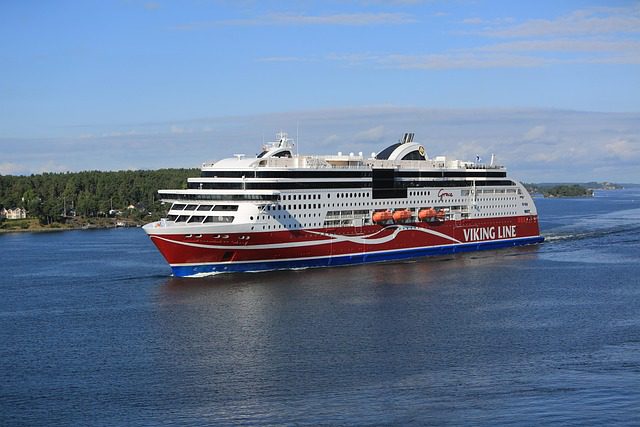
The Finland-to-Sweden ferry is one of the great underrated travel experiences in the Nordics. You board in Helsinki or Turku in the evening, sleep in a proper cabin, wake up as the ship glides through the Stockholm archipelago, and step off in the Swedish capital before morning coffee. We’ve done this crossing for weekend trips, family visits, and just because the boat itself is worth it. But there are enough quirks and gotchas that first-timers reliably get surprised.
This guide covers the Finland to Sweden ferry routes from both ends: the Helsinki–Stockholm crossing (the longer, more famous one) and the Turku–Stockholm route (faster, more flexible, our personal favourite). We’ll walk you through booking, cabin grades, what to eat and skip, how to handle the duty-free, and the things nobody mentions in the brochure.
The main Finland-to-Sweden ferry routes are Helsinki–Stockholm (operated by Tallink Silja and Viking Line, about 15–17 hours) and Turku–Stockholm (Viking Line and Tallink, about 11 hours including an overnight portion). Book a cabin — sleeping on deck chairs is miserable. Both routes are good value with cabin + breakfast included. The Turku route gives you more daytime hours in Stockholm.
The two Finland-to-Sweden ferry routes, compared
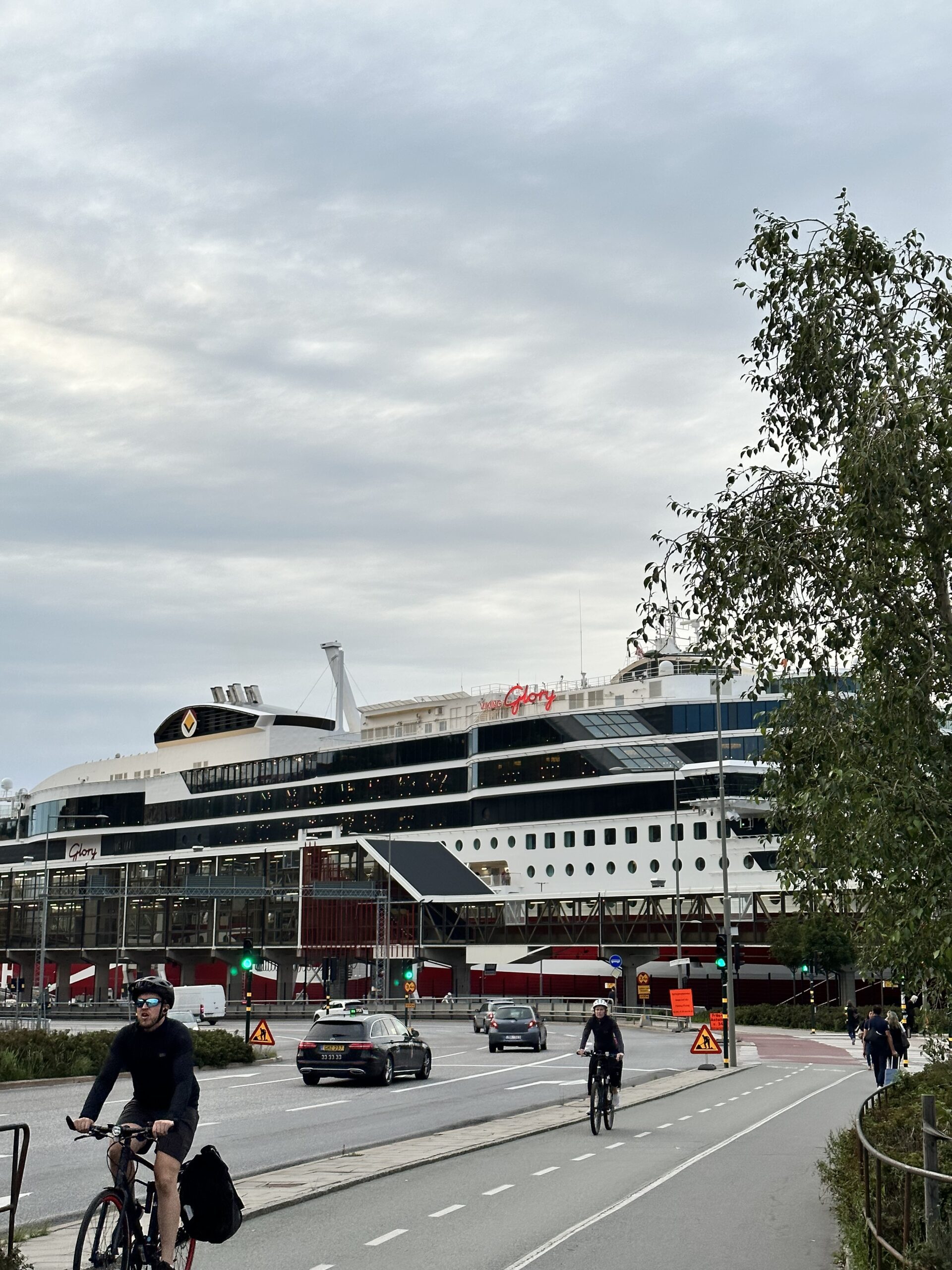
Two routes do essentially all the Finland-to-Sweden passenger ferry traffic, and they suit different types of travellers. We use both depending on what we want out of the trip.
Helsinki – Stockholm (15–17 hours)
This is the iconic crossing. Tallink Silja Line and Viking Line both run it daily. Departure is typically around 5–6 pm, arrival in Stockholm around 9–10 am the following day. The ships are enormous — multi-deck affairs with restaurants, nightclubs, tax-free shops, saunas, and in some cases live entertainment. It’s less of a ferry and more of a floating resort that happens to be moving. For a first-time crossing, it’s genuinely impressive.
The downside: you lose the better part of two days to travel. Leaving Helsinki at 5 pm and arriving Stockholm at 9 am means if your goal is actually getting to Stockholm and doing things, the Turku route is more efficient.
Turku – Stockholm (approx. 11 hours)
Our regular choice. Ships depart Turku around 8–9 pm and arrive Stockholm around 7–8 am, having threaded through the stunning Stockholm archipelago in the early morning. The ships are slightly smaller but still have all the essentials: cabins, a buffet restaurant, a bar, sauna, and the duty-free shop. Getting from Rovaniemi or Helsinki to Turku adds travel time, but if you factor in that you arrive in Stockholm earlier and fresher, it often comes out ahead.
There’s also a daytime sailing on this route — leaving Stockholm around 7 am, arriving Turku in the afternoon. We’ve done this when we’re visiting Stockholm and want to get back to Finland without losing a night. The archipelago section in daylight is genuinely beautiful.
How to book and what you’ll actually pay
Both Tallink Silja Line and Viking Line have online booking that’s fairly straightforward. The price you see on the front page usually assumes a ship cabin and a package deal that includes breakfast. Here’s what actually affects the price.
What drives the cost
- Route: Helsinki–Stockholm tends to cost slightly more than Turku–Stockholm for equivalent cabin grades.
- Cabin grade: Basic inner cabin vs. outer window cabin vs. superior vs. suite. The gap between basic and mid-range is usually €20–40 per person; the gap to a suite can be €100+ more.
- Timing: Friday and Saturday nights cost significantly more. Mid-week crossings in spring and autumn are often the best value.
- Packages: Both operators sell cabin-plus-breakfast packages that cost less than booking separately. Always check these first.
- Loyalty programmes: Tallink has Club One; Viking Line has its own card. Both give meaningful discounts for regular travellers. We use the Tallink card and save roughly 15–20% on each crossing.
As a rough guide in 2026: a basic cabin for two on a mid-week Turku–Stockholm crossing starts around €60–80 per person including breakfast. A mid-grade window cabin on a Friday Helsinki–Stockholm can be €120–160 per person. Neither is cheap by bus standards, but for an overnight crossing with accommodation included, we think it’s fair value.
Related read Our Helsinki–Tallinn day trip guide covers a shorter Baltic crossing if you want a contrast — Tallinn is two hours, Stockholm is a full overnight adventure.
The cabin guide: which grade is actually worth paying for
This is where most first-timers get confused. The cabin tiers have different names on each operator, but the logic is the same.
The quick comparison
Two bunk beds, no window, very compact. Fine for sleeping and nothing else. If you plan to use the ship’s common areas and only need the cabin to crash, this is perfectly adequate. We’ve done it many times on budget trips.
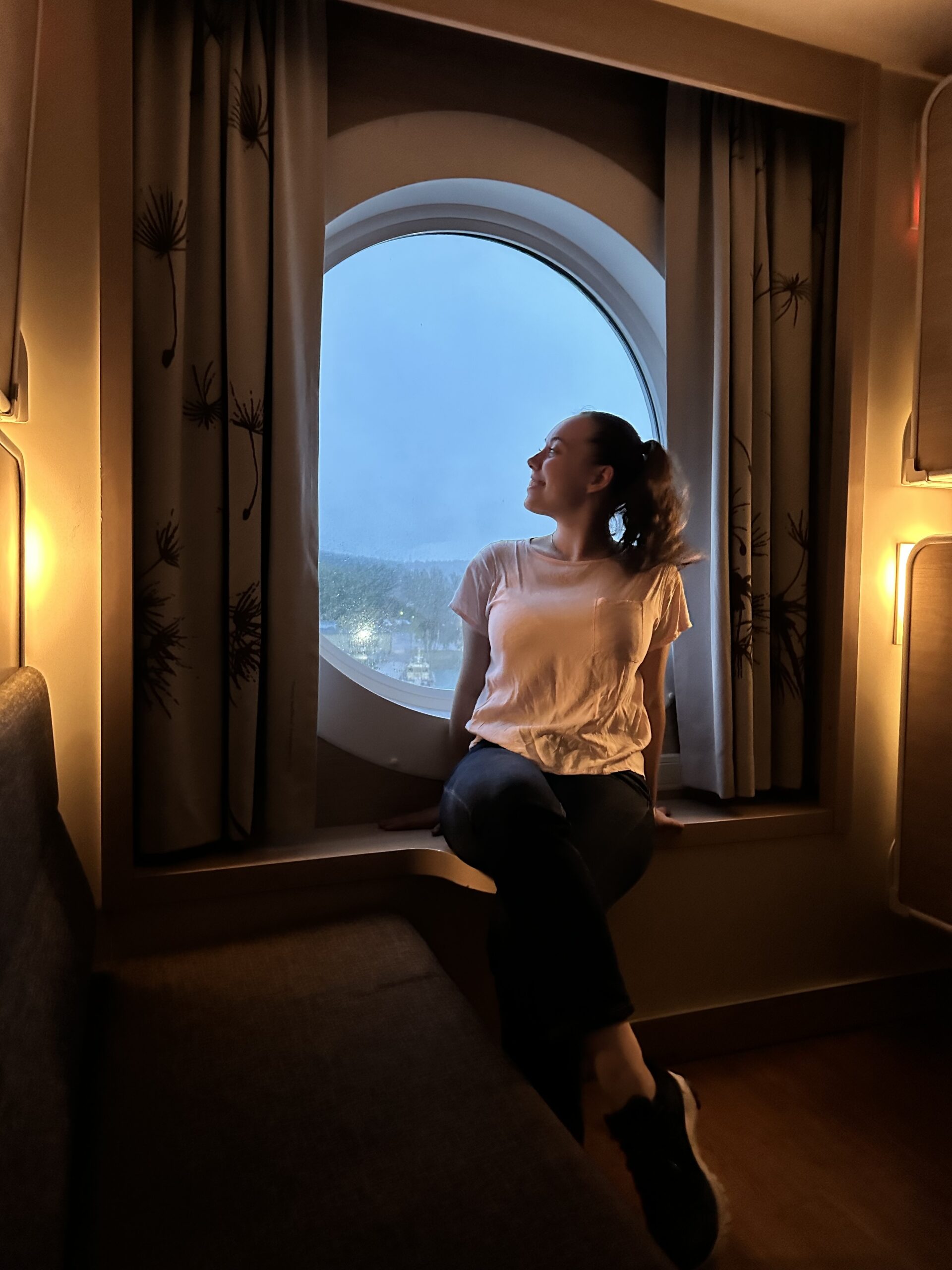
Same size or slightly larger, with a porthole or window. Worth the extra €20–30 for the psychological comfort of natural light — especially on the morning archipelago approach when the scenery outside is genuinely worth watching.
More floor space, a proper bed layout rather than bunks, often with a sofa. Noticeably more comfortable for a couple. This is our usual pick when we’re not on a strict budget.
Full living area, sometimes a private sauna or sea-view balcony (on select ships). Genuinely lovely, but the price jump is steep. Worth it for a birthday or anniversary crossing.
Technically available. Do not do this. Overnight ferries have reclining seats in common areas, but they’re uncomfortable, loud, bright, and surrounded by people who had a lot of fun in the tax-free shop. We’ve seen people try it. It’s miserable.
A specific layout for two adults and up to two children. Usually two separate sleeping areas. Significantly easier than booking two adjacent standard cabins.
What to actually do onboard — and what to skip
The big ships feel overwhelming the first time. Here’s what we actually use.
Worth your time
- The sauna. Both operators have public saunas. On some ships there are also private sauna bookings. Using the sauna on an overnight Baltic crossing is a deeply Finnish experience and highly recommended.
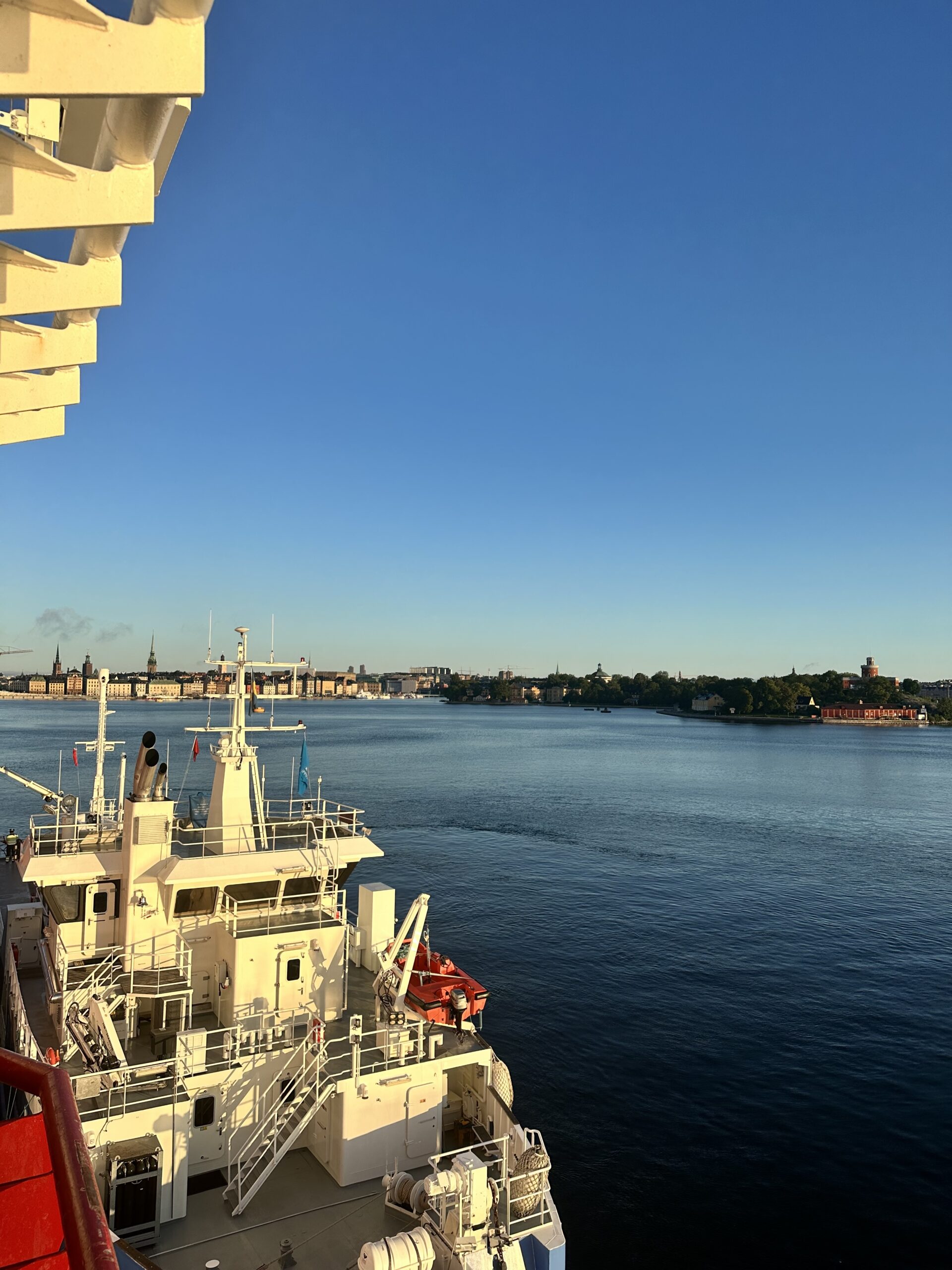
- The outer deck at departure and arrival. Leaving Helsinki or arriving into Stockholm through the archipelago is genuinely beautiful, especially in summer light. Be on deck for it.
- The buffet dinner (if included). Large Scandinavian buffet with good fish, salads, and the mandatory gravlax. Not fine dining, but solid and plentiful.
- The bar (in moderation). Prices are lower than Helsinki bars once you’re in international waters. One or two drinks on the outer deck while watching the last islands slide past is a proper travel moment.
Usually skip
- The nightclub / casino. It exists. It’s loud. It’s mostly there for the Helsinki–Stockholm Friday-night crowd who treat the crossing as the destination rather than a means of getting somewhere. Sleep is better.
- The à la carte restaurants. Overpriced. The buffet, if included, is better value. If you have a cabin-and-breakfast package, hold out for breakfast.
- The onboard entertainment shows. Unless you specifically enjoy cover bands in a cruise-ship format. We give them a miss.
Travel notes from the Arctic Circle
Monthly dispatches on Nordic travel, AI trip planning tools, and life at 66° north. No spam, no algorithms.
Duty-free, food and drink: what’s actually worth buying
The duty-free reality check
- Alcohol: The main event for many Finnish passengers. Prices are noticeably lower than Finnish retail, especially for wine and spirits. If you drink regularly, stocking up on a bottle or two of wine or a bottle of something stronger is genuinely good value.
- Cosmetics and fragrance: A decent range at reasonable prices. Not spectacular, but fine if you know what you want.
- Snacks and confectionery: Swedish and Finnish chocolate, sweets, coffee. A good place to pick up gifts without airport pricing.
- Electronics and watches: We’ve never found these to be particularly good value compared to regular retail. Skip.
- Tobacco: Significant price difference from Finnish retail, which is among the most expensive in Europe. If relevant to you.
One practical note: the duty-free shop gets extremely crowded shortly after departure. Either go in the first hour or wait until late evening when the crowds thin out. There’s no last-minute panic — it stays open until close to arrival.
Food and drink pricing on board
- Beer at the bar: roughly €6–8, which is reasonable by Finnish standards.
- The buffet dinner (if not included in your package): around €30–40 per person. Often worth it for the experience at least once, less so if you just want fuel.
- Breakfast buffet: €15–20 if not included. Almost always included in cabin packages — check your booking carefully.
- Café and snack bars: decent coffee, sandwiches, pastries. Good for a light lunch or late-night snack.
Travelling with kids or a car: what changes
With kids
The Helsinki–Stockholm crossing is actually quite good with children. The ships have dedicated play areas, children’s menus at the buffet, and the novelty of sleeping on a moving ship tends to go down well with under-12s. Book a family cabin rather than trying to squeeze four into a standard. Both operators have kids-go-free promotions at various times of year — worth checking before you book. The one thing to watch is the noise: if your children are light sleepers, earplugs and a cabin as far from the nightclub deck as possible are worth paying attention to when selecting your cabin number.
With a car
Both routes take vehicles, and for a Scandinavia road trip this is genuinely the slick option. You drive onto the ferry in Finland, sleep, and drive off in Sweden ready to go. Book the car space at the same time as your cabin — car spaces sell out, especially in summer. The vehicle deck is unheated and you can’t return to your car once at sea, so take everything you need for the crossing into your cabin before boarding. Pets travel in the vehicle deck unless you book a pet-friendly cabin, which exists on some ships.
Mistakes we’ve made on the Finland–Sweden ferry

- Not booking early enough in summer. Mid-June to early August is peak season. Good cabins and car spaces disappear weeks in advance. We’ve learned to book the moment we know the travel date.
- Underestimating the check-in queue. Especially in Helsinki. The terminal gets very busy on Friday evenings. Arrive at least 60–90 minutes before departure. The boarding process is smooth once you’re in, but the queue to the terminal can be long.
- Missing the archipelago arrival. We did this on our second trip because we slept in. Set an alarm for 60–90 minutes before arrival in Stockholm. The ship glides through hundreds of small forested islands in the early morning and it’s one of the best free things that happens on the crossing.
- Spending too much at the onboard restaurant before realising breakfast was included. Classic move. Always re-read your booking confirmation before boarding.
- Booking a cabin on the nightclub deck. Once. The cabin was fine, the thumping bass from below was not. Now we always filter for upper deck, forward or aft cabins.
- Leaving all the duty-free shopping to the last 30 minutes. The shop shuts before arrival, not at arrival. Leave time.
Frequently asked questions
What is the best route for a first Finland-to-Sweden ferry crossing?
We’d suggest the Turku–Stockholm route for a first trip. It’s slightly shorter (around 11 hours), still fully overnight, and the morning archipelago arrival is one of the best things about either crossing. If the full “floating resort” experience is what you’re after, the Helsinki–Stockholm route has bigger ships and more onboard entertainment.
How much does the Finland-to-Sweden ferry cost in 2026?
Roughly €60–80 per person for a basic cabin on a mid-week Turku–Stockholm crossing, breakfast often included. Helsinki–Stockholm mid-grade cabins run €100–160 per person on weekends. Prices fluctuate significantly by season and day of week — mid-week spring and autumn crossings are consistently the best value.
Do I need a passport for the ferry from Finland to Sweden?
Both Finland and Sweden are in the Schengen Area, so EU/EEA citizens need only a valid ID card. Non-EU travellers should carry a valid passport. Check current requirements for your nationality before travelling, as rules can change.
How long is the Helsinki to Stockholm ferry?
Approximately 15–17 hours depending on the operator and ship. Typical departure is around 5–6 pm Helsinki time, with arrival in Stockholm around 9–10 am the following day. The Turku–Stockholm route is around 11 hours.
Can I take my car on the ferry from Finland to Sweden?
Yes, both Viking Line and Tallink Silja carry vehicles on both main routes. Book your car space well in advance, especially in summer when they sell out. Remember you cannot access your car once the vessel is at sea, so bring everything you need for the crossing when you board.
Is it worth taking the ferry instead of flying from Finland to Sweden?
For us, yes — frequently. Flying Helsinki–Stockholm takes an hour but when you add airport time, check-in, and the transfer into central Stockholm, the total travel time is 4–5 hours door to door. The overnight ferry covers the same journey while you sleep, you arrive in Stockholm city centre, and you get the archipelago experience as a bonus. The ferry is slower, but it’s also the accommodation for the night.
A final word from Rovaniemi
We booked our first Helsinki–Stockholm crossing on a whim, thinking of it as just a way to get from A to B. We arrived in Stockholm having slept through the night, watched the archipelago slide past over morning coffee, and felt quietly smug about the whole thing. We’ve gone back regularly since.
The Finland-to-Sweden ferry is one of those travel experiences that works best when you lean into it rather than treat it as a necessary inconvenience. Bring a book, book a window cabin, use the sauna, set your alarm for the archipelago — and enjoy the fact that travel can still be genuinely pleasant.
Safe crossings from the Arctic Circle.
— Joona & Alla
Joona & Alla
A Finnish-Ukrainian couple living in Rovaniemi, Finland. Joona is a marketing professional in Lapland tourism; Alla is an AI Engineer. Together we’ve visited 25 countries and share honest, locally-grounded travel writing from our home in the Arctic.
Read our full story →