Sweden’s King’s Trail (Kungsleden): A Summer Hiking Guide
A Nordic couple who lives for mountain trails breaks down everything you need to hike Kungsleden in summer — what to expect, which section to start with, and the honest trade-offs between June, July, and August.
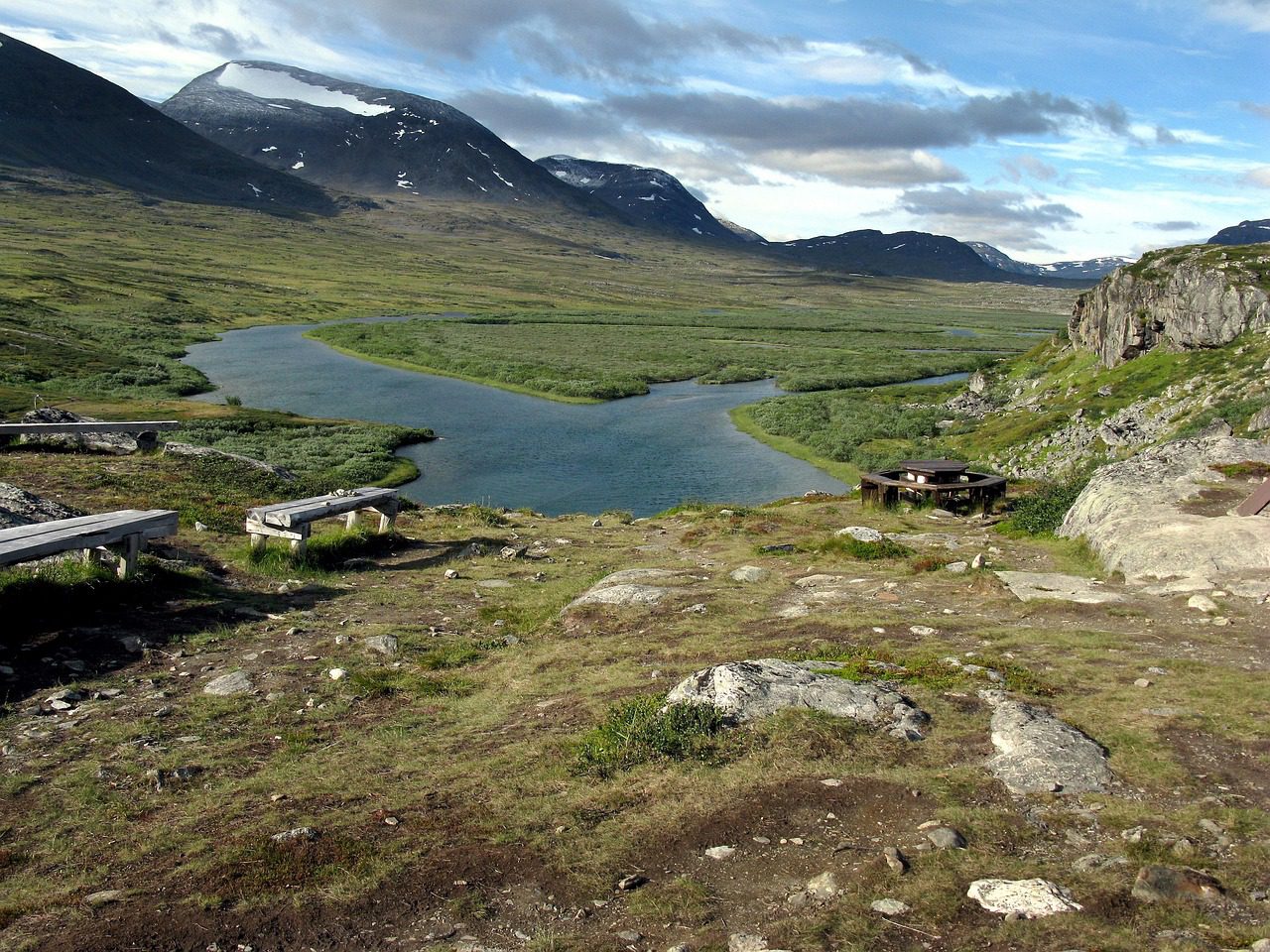
We’re based in Rovaniemi, right on the Arctic Circle, and Swedish Lapland is practically a neighbour. We’ve crossed the border into Sweden more times than we can count — for road trips, for winter light, and yes, for hiking. The Kungsleden is the trail that keeps pulling us back. It’s 440 kilometres of sub-arctic wilderness, and in summer it becomes one of the great Nordic coolcation experiences you can do without a guide, a massive budget, or extreme gear.
This is the guide we wish existed before our first Kungsleden section. No fluff, no Instagram-only highlights — just what you actually need to know.
The Kungsleden (King’s Trail) is a 440 km waymarked trail through Swedish Lapland, typically hiked in sections of 4–6 days. The most popular section is Abisko to Nikkaluokta (106 km, 6–7 days), best walked in mid-July to mid-August when mountain huts are open and the trail is snow-free. The full trail takes 3–4 weeks and runs from Abisko in the north to Hemavan in the south.
- What is the Kungsleden — and which section should you hike?
- When to go: June, July, and August compared
- The essential Kungsleden quick-reference checklist
- Gear and packing tips for the trail
- Huts vs. wild camping: what actually works
- Mistakes we’ve seen (and made) on Nordic trails
- Frequently asked questions
- A final word from Rovaniemi
What is the Kungsleden — and which section should you hike?
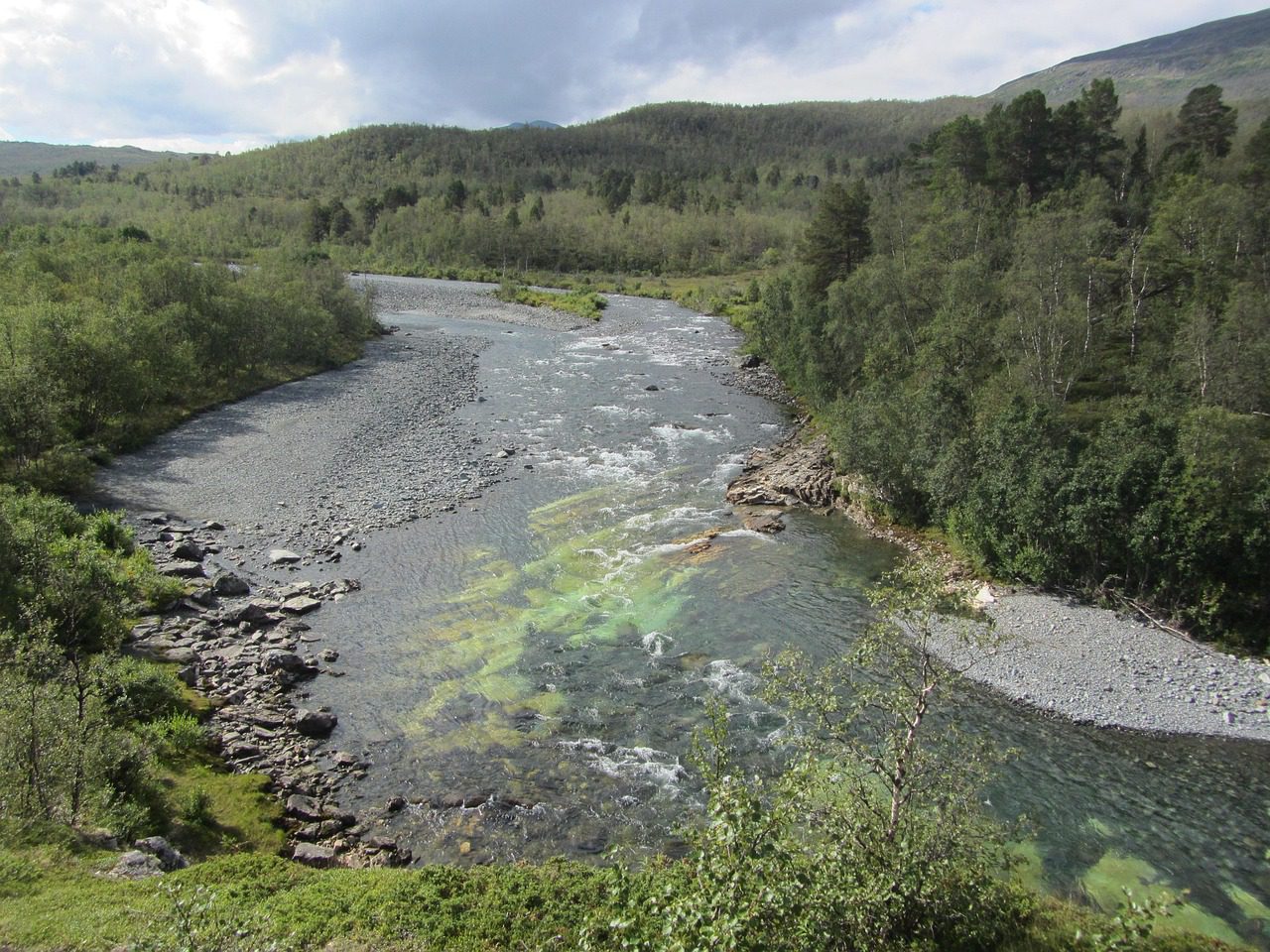
The Kungsleden runs through the heart of Swedish Lapland, connecting Abisko in the far north to Hemavan in the south. The trail crosses birch forests, open tundra, river valleys, and the high alpine terrain around Kebnekaise — Sweden’s highest peak. It’s maintained by the Swedish Tourist Association (STF), which runs a chain of mountain huts (fjällstugor) along the route spaced roughly one day’s walk apart.
The vast majority of hikers do one section, not the full 440 km. Here’s how the main sections break down:
The four main sections
- Section 1 — Abisko to Nikkaluokta (106 km, 6–7 days): The crown jewel. Passes through Kebnekaise, the Tjäktja Pass (the highest point on the trail at 1,140 m), and the stunning Alesjaure lake. This is the most-hiked section and rightly so — it has the best scenery and the best hut infrastructure.
- Section 2 — Saltoluokta to Kvikkjokk (73 km, 4–5 days): Quieter than section 1. Crosses the Padjelanta National Park border area and includes some of the best delta and lakeside scenery on the whole trail. A great second trip.
- Section 3 — Kvikkjokk to Ammarnäs (175 km, 10–12 days): The long middle. Less dramatic than section 1 but genuinely wild. Fewer hikers, longer stretches between huts, and the best chance of real solitude.
- Section 4 — Ammarnäs to Hemavan (78 km, 4–5 days): The southern finish. Good for those who want a complete end-to-end feeling without the full commitment. Excellent for wildflowers in late summer.
Our recommendation for a first-timer: start with section 1, northbound from Abisko to Nikkaluokta. Abisko is easy to reach by overnight train from Stockholm. The trail is well-marked, the huts are reliable, and the scenery is extraordinary.
When to go: June, July, and August compared
Summer on the Kungsleden is roughly mid-June to mid-September. Each month has a distinct character — and the differences matter when you’re planning gear and logistics.
The honest month-by-month breakdown
- Mid-June: Long light (near midnight sun this far north), but the trail can have lingering snow on the high passes. Huts are open but not all fully staffed. River crossings can be swollen with snowmelt. Beautiful and very uncrowded — but gear up for winter conditions above 900 m.
- July (especially mid-July – early August): Peak season. Snow is gone from all passes in a normal year, huts are fully open, rivers are manageable. Mosquitoes are genuinely ferocious in July — head net and long sleeves are not optional. This is when you see the most hikers, but “busy” on Kungsleden is still quiet by European standards.
- August: Our favourite month. Mosquitoes die down from mid-August. Berries ripen across the tundra. The light gets golden and lower. Temperatures cool a little but trails are at their most stable. Huts close in stages from late August.
- September: Autumn colours are spectacular, but huts are mostly closed and you’re fully in self-sufficient camping territory. Cold nights guaranteed.
Planning a broader Nordic hiking trip? We’ve also covered the best multi-day hikes in Finland — some excellent alternatives (or add-ons) if you’re already coming to Scandinavia this summer.
The essential Kungsleden quick-reference checklist
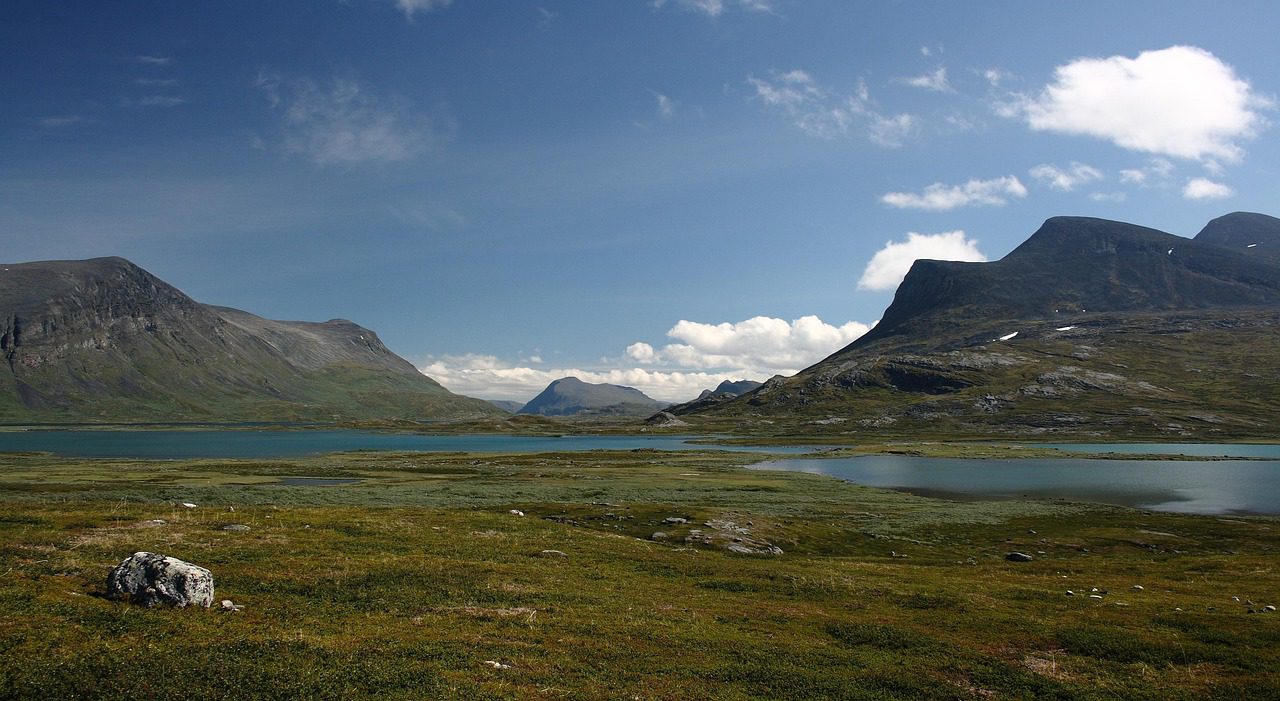
Six things to sort before you leave, in roughly the order they matter:
STF huts fill up fast in peak season (July – early August). Book via the STF website or app. Membership costs around 395 SEK/year and saves you roughly 200 SEK per hut night — it pays for itself after the first night on section 1.
The overnight train from Stockholm Central to Abisko Turiststation takes about 17 hours. Book via SJ (sj.se) 90 days in advance. Beds in a couchette are affordable and arrive in the morning ready to walk. No car needed for section 1.
In July, the mosquitoes on Kungsleden are among the worst we’ve encountered anywhere in the Nordic countries. A head net weighs 30 g and costs next to nothing. It is not optional. DEET 50% spray is widely available in Sweden.
The weather in Swedish Lapland changes fast. Temperatures can drop from 20°C to 5°C in a couple of hours when a front comes in. Waterproof jacket + trousers are mandatory. Do not trust a “water resistant” shell above treeline.
The water in the backcountry on section 1 is generally clean enough to drink directly from fast-moving streams. But reindeer graze the plateau — a small filter (Sawyer Squeeze or similar) costs around €30 and removes the uncertainty entirely.
Signal is patchy to non-existent above treeline and between huts. Download the section from Outdooractive or Maps.me before departure. A GPS watch as backup is useful but not essential if you follow the red-cross waymarks carefully.
Letters from Rovaniemi
Trail notes, Nordic travel tips, and the occasional midnight-sun photograph — in your inbox once a month.
Gear and packing tips for the trail
Living in Rovaniemi and hiking across the Nordic countries for years, we’ve stripped our hiking kit down to what actually gets used. Here’s the honest list for a summer Kungsleden trip.
What to bring — and what to leave behind
- Footwear: Waterproof hiking boots are strongly recommended for the boggy tundra sections. Trail runners work for fit hikers who don’t mind wet feet, but the trail has extensive boggy sections even in dry summers.
- Sleeping bag: For hut hiking, a lightweight liner is enough (huts provide blankets). For camping, bring a 0°C or −5°C rated bag — nights in August can drop below zero at altitude.
- Trekking poles: Not everyone uses them, but the river crossing stepping-stones and the descent from Tjäktja Pass make them genuinely useful. Worth borrowing if you don’t own a pair.
- Pack weight: Aim for 10–12 kg total for hut-to-hut hiking. Every extra kilogram hurts on day 5. Leave the heavy DSLR at home — modern phone cameras handle the landscape beautifully.
- Food: Huts sell basic supplies (oat porridge, pasta, freeze-dried meals, chocolate) at a premium. Bring your own for the main meals and buy snacks at the huts. Section 1 huts have a simple kitchen where you can cook your own food.
- Cash and card: Most STF huts now accept card payments, but bring some SEK cash as a backup. ATMs do not exist on the trail.
Heading north from Sweden? Our Rovaniemi summer lake swimming guide makes a natural companion piece if you’re planning a broader Scandinavian summer trip after the trail.
Huts vs. wild camping: what actually works
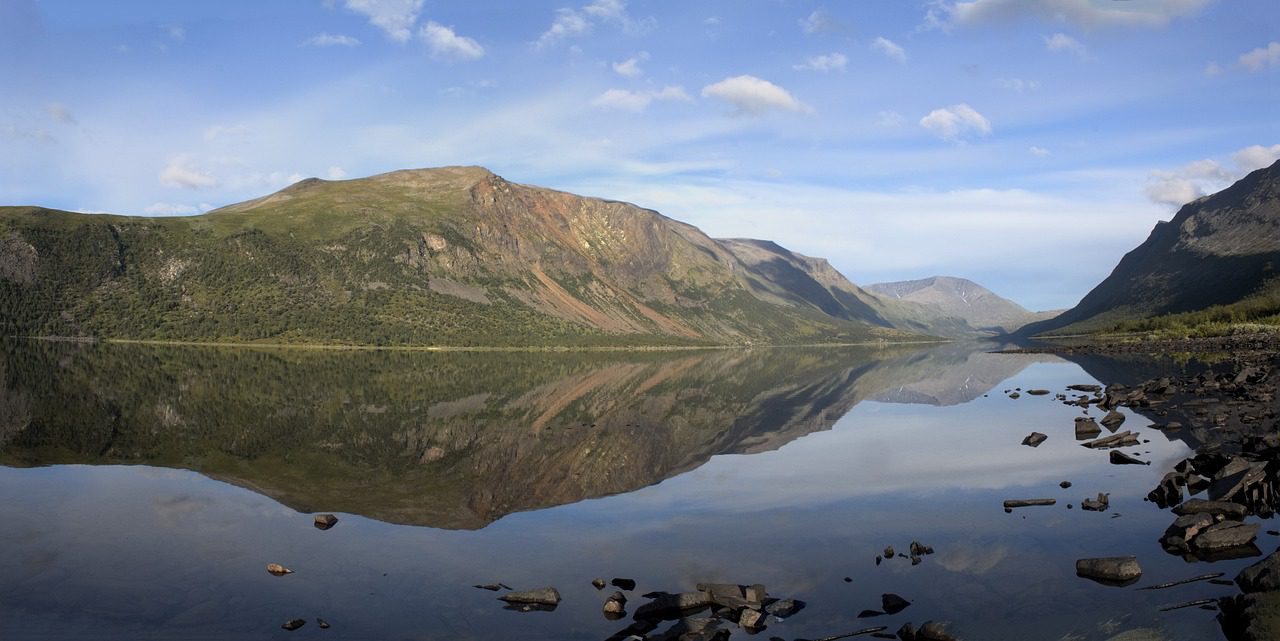
The Kungsleden is walkable two ways: hut-to-hut with STF, or self-sufficient wild camping. Both work. The choice depends on how much weight you want to carry and how much flexibility you need.
Hut-to-hut hiking
- Huts typically cost 500–800 SEK per night for STF members (add ~200 SEK for non-members). Most offer dormitory-style bunkrooms. Some have private rooms for a premium.
- Hot food is available at most section 1 huts — you don’t need to carry a full cooking setup.
- Sauna is available at several huts (Alesjaure and Kebnekaise mountain station notably). After a long day, this is not a small thing.
- You must book ahead in July and early August. Walk-in availability is increasingly limited as the trail’s popularity has grown.
Wild camping
- Sweden’s Allemansrätten (Everyman’s Right) permits wild camping throughout the trail corridor — pitch your tent wherever you like, for up to two nights in one spot.
- You’ll need a 3-season tent, a full cooking setup, and the confidence to navigate between water sources. Section 1 has plentiful streams.
- The main advantage: complete freedom. You’re not tied to hut spacing. You can walk more or less depending on how you feel.
- The main disadvantage: a full camping kit adds 4–6 kg to your pack. On day 6 of a mountain trail, that’s not nothing.
Our take: for a first Kungsleden trip, go hut-to-hut. The infrastructure is excellent and you can focus on the experience rather than camp chores.
Mistakes we’ve seen (and made) on Nordic trails
- Underestimating the distances between huts. The sections look manageable on paper, but the terrain adds time. A “20 km day” over boggy tundra takes 7–8 hours, not 5.
- Not booking huts in advance. July huts on section 1 fill weeks ahead. We’ve met people turned away at the door. Book early.
- Going in early June without checking snow conditions. The Tjäktja Pass can hold significant snow into late June in a bad year. Check the STF website for current conditions before you go.
- Skipping the mosquito protection. Every year we hear from people who dismissed the mosquito warnings. They don’t dismiss it twice.
- Wearing cotton. Cotton kills on cold, wet days. Full synthetics or merino from base layer up, without exception.
- Not telling anyone your itinerary. There is no phone signal between huts on much of section 1. Leave a detailed itinerary with someone at home, including expected arrival dates at each hut.
Frequently asked questions
How difficult is the Kungsleden in summer?
Section 1 (Abisko to Nikkaluokta) is rated moderate. You don’t need technical climbing skills, but you should be comfortable walking 15–20 km per day in rough terrain for several consecutive days. The Tjäktja Pass is the hardest section — a steep climb to 1,140 m. Good fitness matters more than experience.
Can I hike the Kungsleden alone?
Yes, and many people do. The trail is well-waymarked, huts are staffed, and you’ll see other hikers regularly on section 1. Solo hikers should carry a personal locator beacon (PLB) and leave a detailed itinerary with a contact at home.
Do I need a permit to hike the Kungsleden?
No permit is required. The trail is freely accessible under Allemansrätten (Sweden’s right of public access). You pay for hut accommodation if you use it, but walking the trail itself is free.
How do I get to Abisko to start hiking?
The overnight train from Stockholm Central to Abisko Turiststation is the classic approach — about 17 hours, bookable via sj.se up to 90 days in advance. There are also seasonal bus connections from Kiruna airport, which has flights from Stockholm Arlanda.
Are there bears on the Kungsleden?
Brown bears live in Swedish forests, but encounters on the open trail are extremely rare. Wolverines and reindeer are far more commonly sighted above treeline. Standard Nordic precautions (make noise, store food properly) are sufficient.
What is the best section of the Kungsleden for a first-timer?
Section 1, Abisko to Nikkaluokta (106 km, 6–7 days). It has the most dramatic mountain scenery, the best hut infrastructure, and the easiest access from Stockholm by train. It is also the most popular, so book huts early if going in July or early August.
A final word from Rovaniemi
We live in Arctic Finland. The wilderness up here is our backyard, and we’ve hiked our way through most of it — Finnish national parks, Norwegian fjord trails, and more than a few Swedish mountain routes. The Kungsleden is something special. It’s long enough to feel like an adventure, well-maintained enough not to require extreme skills, and wild enough to remind you that sub-arctic nature doesn’t really care about your plans.
The thing we keep coming back to: the trail rewards patience. If you rush it, you miss it. The best moments on Kungsleden — a reindeer herd parting for you at a ridgeline, the kind of absolute silence you only get 30 km from the nearest road, the way the light hits the plateau at 10 pm in July — none of those are findable on a schedule.
Go hungry for the experience. Take the slow route. That’s what the King’s Trail is for.
Joona & Alla
A Finnish-Ukrainian couple living in Rovaniemi, Finland. Joona is a marketing professional in Lapland tourism; Alla is an AI Engineer. Together we’ve visited 25 countries and share honest, locally-grounded travel writing from our home in the Arctic.
Read our full story →