Best Summer Activities in Finland: What We Actually Do Here
Joona and Alla on the summer activities in Finland that are worth your time — from Lapland to the archipelago, tested by a couple who lives here year-round.
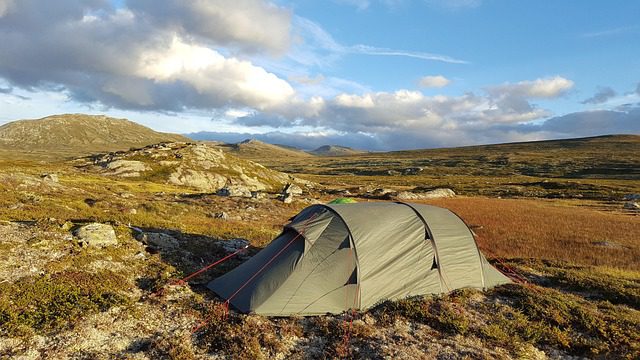
People think of Finland as a winter destination. Northern lights, reindeer, Santa Claus in Rovaniemi. We understand — we built part of a career on it. But ask anyone who actually lives here and they will tell you the same thing: Finnish summer is the best-kept secret in Nordic travel.
We are a Finnish-Ukrainian couple based in Rovaniemi, which means we have a front-row seat to both the deep winter and the endless summer. We have also travelled to 25 countries, so we have a decent reference point. This is our honest guide to the best summer activities in Finland — the ones we do ourselves, not the ones that end up on tourist brochures.
The best summer activities in Finland combine the outdoors with the country’s extraordinary light: lake swimming, sauna bathing, berry picking, hiking under the midnight sun, cycling through archipelago islands, and kayaking on glassy inland waters. Most require almost no gear and very little planning. The season runs from late May through August, with June and July being the peak for light and warmth.
- Lake swimming and the Finnish relationship with water
- Sauna culture in summer — how it is different
- Eight summer activities worth your time
- Hiking under the midnight sun
- Berry and mushroom foraging
- Cycling, kayaking, and slow travel by water
- Mistakes we made (and see visitors make)
- Frequently asked questions
- A final word from Rovaniemi
Lake swimming and the Finnish relationship with water
Finland has 187,888 lakes. In summer, every single one of them becomes a destination. This is not an exaggeration — Finns genuinely orient their summers around water. The mökki (summer cottage), the sauna, the lake swim, the fire by the water. These are not tourist activities. They are the texture of Finnish summer life.
What lake swimming actually feels like
The water in most Finnish lakes reaches 18–22°C by July. It is clear enough in many places to see the bottom several metres down. The shorelines are almost always natural — no poured concrete, no vendors selling inflatable flamingos. You find a rock, you walk in, you swim in silence. In Lapland the sun is still up at midnight. You can swim at 11 pm in golden light and it will be one of the stranger, more beautiful things you have ever done.
We have swum in lakes near Rovaniemi, in the lake district around Tampere, and in small ponds on the edge of national parks where we were the only people for kilometres. The quality of quiet is consistent. The light is not.
Where to find a lake in any Finnish city
You do not need to leave the city. Helsinki has Mustikkamaa and Pihlajasaari island beaches. Tampere has Pyynikki and Näsijärvi on its doorstep. Rovaniemi has the Kemijoki and Ounasjoki rivers plus dozens of small lakes within a twenty-minute drive. The free app Ulkoilukartta marks swimming spots with water quality data.
Sauna culture in summer — how it is different from winter
Finnish sauna in winter is about survival warmth — stepping outside into minus twenty and back in again. Finnish sauna in summer is something else entirely. It is about extending the evening. Heating up until you cannot stand it, walking down to the lake, jumping in, floating on your back while the sun sits three degrees above the treeline, then walking back. Repeat until you are so relaxed that cooking feels like too much work.
Smoke sauna vs electric sauna in summer
The savusauna (smoke sauna) is the original Finnish sauna — no chimney, heated for several hours with a wood fire, walls black with generations of smoke, the air thick and soft in a way no electric sauna can replicate. Smoke saunas are most common in the lake district (Enonkoski, Savonlinna) and in Lapland. If you have the chance to experience one in summer, take it. Many mökki rentals in Lapland come with a lakeside smoke sauna included.
Electric saunas are faster, more convenient, and perfectly good. A lakeside electric sauna on a summer evening is still excellent. The smoke sauna is just on a different level.
Eight summer activities worth your time
For those planning a Finland summer trip and wanting a fast scan of what is actually worth doing:
- Lake swimming under the midnight sun: Best in Lapland (Rovaniemi, Saariselkä, Kilpisjärvi) in June–July. No infrastructure needed — find a public shore.
- Smoke sauna at a lake mökki: Book a cottage through Lomarengas or Nettimökki. Budget €400–800 for a week in Lapland with sauna included.
- Hiking in Lapland at night: The Pyhä-Luosto and Urho Kekkonen national parks have marked trails open 24 hours. Starting a hike at 10 pm in July is completely normal here.
- Berry picking in forests: Wild strawberries ripen in late June, bilberries in July, cloudberries in late July in Lapland. Legal everywhere under Everyman’s Right. No equipment needed beyond a container.
- Cycling in the Finnish archipelago: The Archipelago Trail (Saariston Rengastie) is a 250 km cycling loop through the Turku archipelago. Ferries between islands are free for cyclists.
- Kayaking on inland lakes: Rentals available at almost every major lake destination. The Saimaa lake system is one of the best freshwater paddling areas in Europe.
- Midsummer (Juhannus) celebrations: The last weekend of June. Bonfires by lakes, family gatherings, and an atmosphere of genuine Finnish relaxation. Worth planning around.
- Fishing from a lake shore: Recreational fishing with a rod and line is legal for everyone in Finland’s public waters. No licence needed for basic angling.
The real Finland, season by season
Monthly notes on Nordic travel, Lapland life, and the outdoor moments worth showing up for. No filler.
Hiking under the midnight sun
There is something genuinely disorienting about starting a hike at nine in the evening with full daylight, walking for two hours through birch forest and fell, and arriving at a summit still bathed in warm horizontal light. Disorienting in the best sense. It scrambles your internal clock and replaces it with something that feels more honest — time measured by tiredness and hunger rather than the clock.
In Lapland, the midnight sun lasts from late May to late July depending on how far north you are. Rovaniemi sits on the Arctic Circle, so the sun dips just below the horizon at midnight in midsummer — the sky goes a bruised amber but never truly dark. Saariselkä and Kilpisjärvi are further north and experience true polar day.
Best midnight sun hikes from Rovaniemi
- Ounasvaara hill: A 20-minute walk from Rovaniemi city centre. The city’s own fell. In summer, locals walk or run it at all hours. The view south over the Kemijoki river at midnight is the classic Rovaniemi summer image.
- Pyhätunturi, Pyhä-Luosto National Park: Two hours south of Rovaniemi. Dramatic fell scenery, marked trails of 3–12 km. The Pyhäkuru gorge hike is one of the most striking short routes in Finnish Lapland.
- Karhunjuomalampi trail, Saariselkä: The open fells of the UKK national park give unobstructed 360-degree views. No tree cover means full midnight sun visibility.
Berry and mushroom foraging — the Finnish summer obsession
We want to be honest about this one: berry picking is not a gentle hobby in Finland. It is competitive. Finns track which forest roads had the best bilberry showing last year. They know which fell slopes get the most cloudberries. When the season opens, the forests around Rovaniemi fill with people moving quietly between the trees with buckets.
As a visitor, you have exactly the same right to do this under jokamiehenoikeus (Everyman’s Right). The key dates:
- Wild strawberries (metsämansikka): Late June, sunny forest edges and roadsides.
- Bilberries (mustikka): Mid-July to mid-August. The most abundant Finnish berry. Deep blue, earthy, extraordinary raw or on porridge.
- Cloudberries (lakka / hilla): Late July in Lapland. Golden, tart, found in boggy terrain. The most prized Finnish berry.
- Lingonberries (puolukka): August–September. Tart red berries from heathlands. Eaten with meat, with porridge, or straight.
- Chanterelles (kantarelli): July–August. Finland’s prized mushroom. Yellow-gold, nutty, found in mixed forest. Excellent pan-fried in butter.
Basic rule for mushrooms: only pick what you can positively identify. Chanterelles are hard to confuse. If uncertain, leave it.
Cycling, kayaking, and slow travel by water
Finland is an extraordinary country for slow travel — the kind where the journey is the point. The flat terrain in most of the country makes cycling genuinely easy, and the water network means kayaking connects places that roads do not.
Cycling the archipelago
The Saariston Rengastie (Archipelago Ring Road) is a 250 km loop from Turku through the outer and inner archipelago islands, connected by a series of free cable ferries. It is best cycled over 4–6 days. There are guest harbours with sauna access almost everywhere. We have done sections near Nauvo and Korppoo and they were among the most peaceful cycling days we have had anywhere in Europe.
Kayaking Saimaa
Lake Saimaa in eastern Finland is the fourth largest lake in Europe by surface area. Kayaking it gives you access to a network of narrow straits, rocky islands, and pristine shoreline completely unreachable by road. Rentals are available from Lappeenranta and Savonlinna. The Saimaa Ringed Seal (Saimaannorppa) — one of the world’s most endangered seals — lives here. Seeing one from a kayak is a genuine possibility in early summer.
Mistakes we made (and ones we see visitors make)
- Assuming Finland is cold in summer. July in Helsinki averages 22°C. Rovaniemi regularly hits 25–28°C. Pack for proper summer, not a layered Nordic winter hybrid. The mosquitoes will also remind you it is summer.
- Not accounting for Midsummer closures. Juhannus (the last Friday–Sunday of June) is the closest thing Finland has to a national shutdown. Shops close early, cities empty, trains fill up. Plan around it or embrace it — but do not arrive in Helsinki on Midsummer Eve expecting normal city life.
- Underestimating distances in Lapland. Rovaniemi to Kilpisjärvi is 480 km by road. Many people underestimate how large Finnish Lapland is. The distances are real and the roads are empty — that is part of the appeal — but it requires planning.
- Skipping the mökki experience. Booking a Finnish summer cottage feels intimidating if you have not done it before. It is not. Lomarengas.fi has thousands of listings with English booking interfaces. Even two nights in a lakeside cottage with a sauna changes your understanding of Finland completely.
- Missing the morning. Finnish summer mornings — 5 am, lake still, mist rising, coffee on the jetty — are the quiet version of what the midnight sun offers. If you can pull yourself out of bed, do it at least once.
- Not downloading offline maps. Phone signal in Finnish forests and on fell trails can be unreliable. Download your hiking routes in the Alltrails or Outdooractive app before you leave.
Frequently asked questions
What is the best month for summer activities in Finland?
July is generally the peak: warmest lake temperatures (18–22°C), peak berry season starting, midnight sun still active in Lapland, and the post-Midsummer quiet that makes the country feel unhurried. June is excellent for midnight sun and wildflowers but can be cooler. August brings chanterelle season and the first hints of autumn colour in Lapland.
Do I need to book activities in advance or can I just show up?
Most outdoor activities in Finland — swimming, hiking, berry picking, cycling on public routes — require zero booking. You show up. For mökki rentals, especially in popular areas around Rovaniemi and Saimaa, book 2–3 months in advance for July weeks. Kayak and canoe rentals at major lake centres rarely need more than a day’s notice.
Is Finland too expensive for a summer trip?
Finland is not cheap, but summer is actually the most cost-effective season. Many of the best activities — swimming, hiking, berry picking, cycling on public routes — are completely free under Everyman’s Right. A week in a lakeside mökki shared between four people often works out cheaper than a budget hotel in Helsinki. Street food and supermarket meals keep daily costs reasonable.
Are there mosquitoes in Finland in summer?
Yes, and in Lapland in June and early July they can be intense — particularly around lakes and boggy terrain in the evening. Bring DEET-based repellent and a head net if you plan to spend evenings near water. By late July the worst is usually over.
Can I experience the midnight sun from Rovaniemi?
From Rovaniemi (exactly on the Arctic Circle), the sun stays above the horizon continuously from around 6 June to 7 July. Outside that window, it dips below for a short period but the sky remains fully bright. For true polar day with zero darkness, head north to Saariselkä or Kilpisjärvi.
What should I pack for a Finnish summer trip?
Light layers for warmth, a good waterproof jacket, swimwear (you will swim more than you expect), comfortable hiking shoes, DEET mosquito repellent, and a thermos for coffee. Finnish supermarkets are well-stocked so you do not need to over-pack food or gear.
A final word from Rovaniemi
We wrote a version of this post in our heads every summer for the past five years, every time a visitor told us they had only ever considered Finland as a winter destination. The summer here is not a consolation prize. It is a completely different country — loose, warm, unhurried in a way that even other Nordic countries are not.
The activities we have described are not curated experiences. They are what we actually do when summer arrives: swim in the lake at midnight, pick berries in the forest behind the house, hike Ounasvaara on an evening that never gets dark, eat makkara by the river. Finland in summer rewards showing up with minimal plans and maximum patience for stillness.
The one piece of advice we would give: resist the urge to fill every day. The best summer activities in Finland come from stopping — at a lake shore, at a fire, on a fell with a view — and letting the light do its work.
We are Joona and Alla — a Finnish-Ukrainian couple based in Rovaniemi. We write about Finland honestly, from the inside. The newsletter is the best place to follow along.
Joona & Alla
A Finnish-Ukrainian couple living in Rovaniemi, Finland. Joona is a marketing professional in Lapland tourism; Alla is an AI Engineer and content strategist. Together they have visited 25 countries and counting — always hungry for the next honest travel moment.
Read our full story →