The Best Coastal Escapes in the Nordics for a Cool Summer
We’ve swum, sailed, and road-tripped the Nordic coastline from Finnish archipelago islands to Norwegian fjord shores and Faroese sea cliffs. Here are the spots that genuinely delivered — and the ones worth skipping.
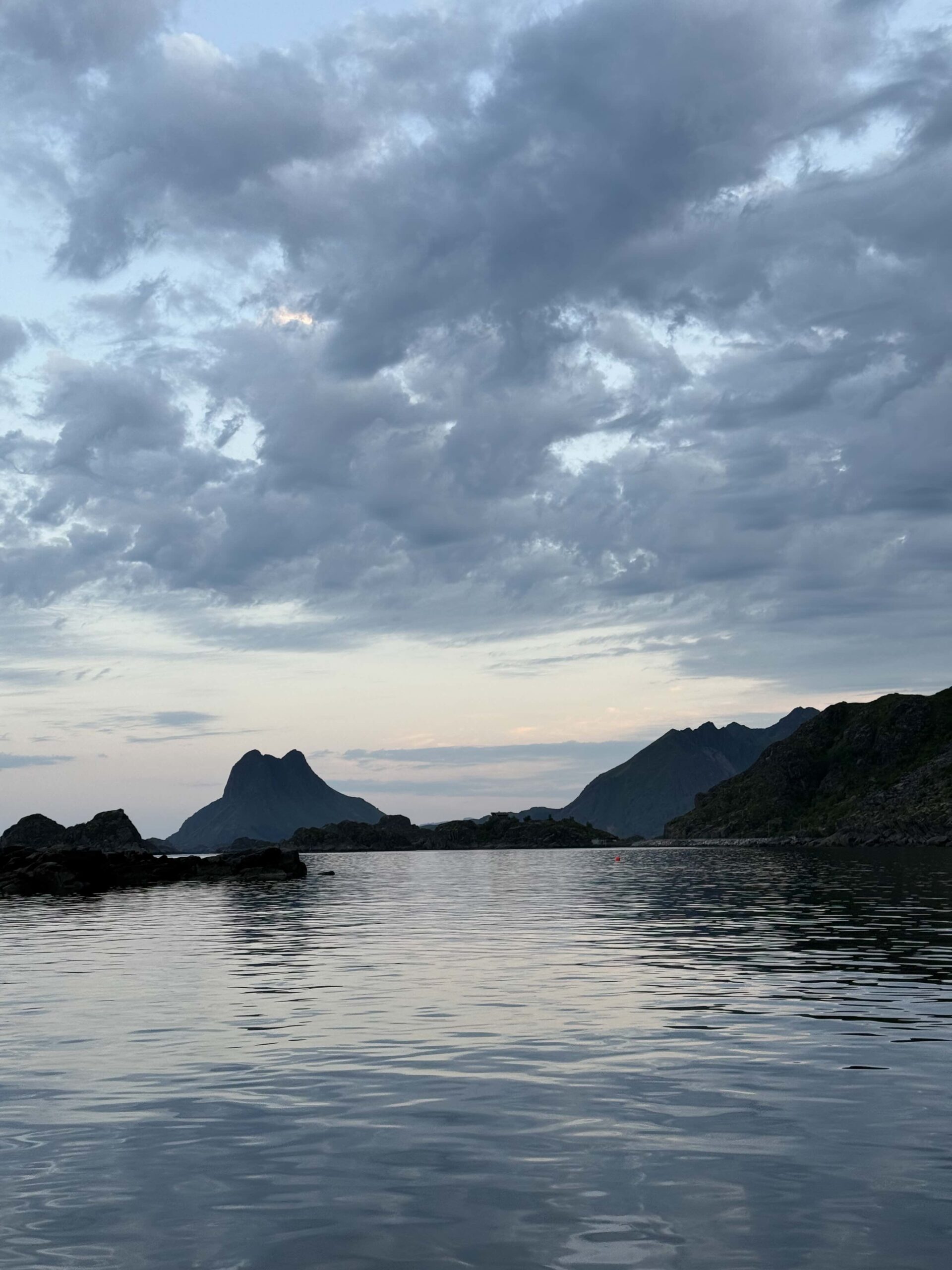
Southern Europe is getting hotter. We’re not being dramatic — the data is clear, the headlines keep coming, and every summer more travelers are quietly asking the same question: what if we went north instead? Nordic coastal escapes have jumped from niche bucket-list idea to mainstream summer travel trend, and having been to all six Nordic countries, we can tell you the hype is real.
We’re Joona and Alla, a Finnish-Ukrainian couple based in Rovaniemi. We’ve spent summers swimming in Finnish archipelago coves, hiking above Norwegian fjords, and watching puffins from a cliff in the Faroe Islands. This guide is our honest shortlist — not sponsored, not a press trip, just the places we’ve been and would go back to.
- Why the Nordics are the coolest summer destination in 2026
- The Finnish Archipelago: 40,000 islands of calm
- Norway’s fjord coastline: dramatic by default
- Quick-reference: 8 Nordic coastal spots ranked
- The Faroe Islands: cliffs, puffins, and raw Atlantic air
- Denmark and Sweden’s coastline: underrated and crowd-free
- Mistakes we made — and what we learned
- FAQ
Why the Nordics are the coolest summer destination in 2026
The “coolcation” trend is no longer a travel-media talking point — it’s showing up in booking data. Searches for Nordic summer travel are up triple digits year-on-year, and Scandinavia travel projections for 2026 show a 35% growth spike. The reason is obvious if you’ve ever stood on a Norwegian fjord shore in July: it’s cool. Not cold, not harsh — just properly, gloriously cool. Think 16–22 °C on the coast, long light until 11 pm, and water you can actually swim in without gasping.
What “Nordic coastal” actually means
- Finland: 1,250 km of mainland coast plus the world’s largest archipelago — more than 40,000 islands between Turku and Åland, perfect for kayaking, sailing, and slow island-hopping.
- Norway: the longest coastline in Europe after Russia — fjords, sea villages, sandy beaches at Jæren, and the midnight sun in the far north.
- Faroe Islands: 18 islands of sheer sea cliffs, grass-roofed villages, and a rolling Atlantic swell that makes even a walk feel epic.
- Denmark & Sweden: Bornholm, Skagen, the Bohuslän coast, Fårö island — quieter, less traveled, and worth the attention they’re finally getting.
- Iceland: black sand beaches, hot springs by the sea, and the Snæfellsnes peninsula is one of the most photogenic coastal drives we’ve done.
The Finnish Archipelago: 40,000 islands of calm
We are biased. Finland is home, and the archipelago is one of those places that gets under your skin slowly — there’s no single jaw-dropping moment, just a cumulative quiet that rewires you. If you haven’t been, it’s genuinely one of Europe’s most underrated summer destinations.
The Archipelago Trail is a 250 km driving loop from Turku that hits the best islands via a series of ferries — most of them free. We drove it in two days and could have spent a week. Stay at least one night on Nauvo or Korppoo for the real archipelago experience.
Åland sits between Finland and Sweden and feels like neither. Reach it by overnight ferry from Turku or Helsinki (the ferry ride is part of the experience). Rent bikes and explore Eckerö or Geta. Water temperatures in July hit 18–20 °C.
When to go and what to expect
- Late June through August is the sweet spot: longest days, warmest sea, islands fully open.
- Water temperature peaks around 18–21 °C in July — swimmable and genuinely refreshing.
- Book accommodation on the smaller islands early. There aren’t many beds, and they fill by April.
- The Midsommar (Juhannus) weekend in late June is magical but crowded — aim for the week after for quieter beaches and slower ferries.
Norway’s fjord coastline: dramatic by default
We drove Norway’s fjord country as part of a longer road trip, and it spoiled us completely. Every bend reveals something that looks like a screensaver. The good news: it’s not hard to escape the crowds if you’re willing to go slightly off the beaten path.
If you’re there at 7 am or 8 pm, the light is extraordinary and you might have the Eagle Road entirely to yourself. The fjord is worth it; the timing is everything.
Rebuilt after a 1904 fire in pure Art Nouveau style, sitting on islands with sea on every side. Walk up Aksla hill at sunset. The view over the city and the open sea is one we still talk about.
Wild, windswept, and nearly empty. Orrevatnet lake sits behind a dune barrier with the open North Sea on the other side. Strange and beautiful — and almost nobody talks about it.
Lofoten vs mainland fjords
- Lofoten (above the Arctic Circle): midnight sun in June and July, dramatic peaks rising straight from the sea, fishing villages that look painted.
- Fjord Norway (Geiranger, Hardanger, Flåm): easier to access and combines coastal scenery with comfortable infrastructure.
- Both are worth it; pick based on how far you want to go and how many days you have.
Quick-reference: 8 Nordic coastal spots ranked
- 1. Åland Islands, Finland — slow island life, sailing, zero crowds. Free ferries. Swim: yes.
- 2. Lofoten Islands, Norway — drama, midnight sun, photography. Swim: brave only.
- 3. Faroe Islands — raw scenery, puffins, hiking. Swim: not really — the cliffs are the point.
- 4. Turku Archipelago, Finland — family trips, cycling, authentic Finnish summer. Swim: great.
- 5. Geirangerfjord, Norway — jaw-dropping scenery, world-class hikes. Swim: cold but possible.
- 6. Bohuslän Coast, Sweden — seafood, kayaking, rock-hop islands. Swim: yes.
- 7. Bornholm, Denmark — sandy beaches, smoked herring, art. Swim: yes.
- 8. Snæfellsnes Peninsula, Iceland — black lava coast, glaciers, Icelandic horses. Hot pots nearby.
The Faroe Islands: cliffs, puffins, and raw Atlantic air
We almost skipped the Faroes. The flights felt expensive and the weather forecast looked grim. We went anyway, and it was one of the better travel decisions we’ve made. The Faroe Islands are coastal travel in its most elemental form: no beaches, no beach bars, no crowds — just the sea crashing against sea cliffs that have been there since the Ice Age.
What we actually did
- The Mulafossur waterfall at Gásadalur drops directly into the sea. We’ve seen this photo a hundred times; standing next to it is something else.
- Tjørnuvík has a black-sand beach facing the open Atlantic — not swimmable (the waves are violent) but extraordinarily atmospheric.
- June and July bring puffin colonies to the sea cliffs of Vestmanna and around Sørvágur. Watching puffins waddle around 20 metres from you, with the North Atlantic below, is absurd and wonderful.
- Weather changes every 20 minutes. We had sun, fog, rain, and sun again in a single afternoon. Dress in layers and lean into it.
Practical notes
- Atlantic Airways and Scandinavian carriers fly direct from Copenhagen, Reykjavik, and several Nordic capitals. Flights are under 2 hours from most of Scandinavia.
- Rent a car — the island tunnels (some underwater) connect most of the main islands and it’s genuinely one of the best driving experiences in Europe.
- 3–4 days is enough to see the highlights; 6–7 days if you want to hike seriously.
Denmark and Sweden’s coastline: underrated and crowd-free
These two get overshadowed by Norway and Iceland in most Nordic coastal guides. We think that’s a mistake — especially for travelers coming from central Europe who don’t want to fly far.
Denmark: Bornholm and Skagen
- Bornholm is Denmark’s Baltic island: sandy beaches, a medieval round church, smoked fish, and a cycling culture that makes car-free exploring genuinely easy.
- Skagen is the northern tip of Denmark, where the Skagerrak meets the Kattegat. The shifting sand dunes, the painters’ light, and the strangeness of standing at a geographical endpoint make it unlike anywhere else in the country.
Sweden: Bohuslän coast
- The Bohuslän coast north of Gothenburg: granite islands, fishing villages, sea kayaking, and excellent seafood. Marstrand and Smögen are the most famous stops; Gullholmen is quieter and beautiful.
- Swedish west coast water is warmer than you’d expect in July and August — 18–22 °C on a good year, and locals swim from the rocks with great enthusiasm.
Mistakes we made — and what we learned
- Booking fjord accommodation last-minute. Small Norwegian coastal villages have very few beds. We once drove an extra 40 km to find a room in Geiranger. Book 3–4 months out for July.
- Underestimating ferry schedules. In the Finnish archipelago, inter-island ferries run on fixed timetables with gaps of 1–2 hours. Missing one means waiting. Download the Finferries app before you go.
- Going to Lofoten in high July without a plan. We left early each morning and had sections nearly to ourselves — that’s the trick.
- Packing like it’s a Mediterranean trip. Nordic coastal summers average 15–22 °C. The wind on cliff edges or open sea can make 20 °C feel like 10. A windproof layer is not optional.
- Skipping the “boring” islands. On the Åland trip we nearly drove past Eckerö because it looked small on the map. It was the best afternoon of the trip: a tiny harbor, a wooden sauna, and complete silence.
- Expecting Nordic coastal to mean beach holiday. It doesn’t, mostly. It means dramatic coastlines, clear cool water, long evenings, and a kind of freedom that’s hard to find further south. Adjust expectations; they’ll be exceeded differently.
Frequently asked questions
When is the best time to visit the Nordic coast for a summer trip?
Late June through late July hits the sweet spot: the sea is at its warmest, days are at their longest, and most island services are fully open. Midsummer week (around June 19–21) is magical but busy; the weeks immediately after are quieter and still beautiful.
Is Nordic coastal travel affordable?
Norway and Iceland are the most expensive. Finland, Denmark, and the Faroe Islands are more manageable, especially if you self-cater. The Finnish archipelago offers some of the best-value summer escapes in Scandinavia — cottage rentals, free ferries, and stunning scenery for a fraction of the Norwegian price.
Can you swim in the sea in the Nordics in summer?
Yes, genuinely. July sea temperatures in the Finnish archipelago, the Swedish west coast, and Bornholm regularly reach 18–22 °C. Norwegian fjord water is colder (12–16 °C) but Norwegians swim in it anyway, and the Jæren coast has some warmer sheltered spots.
Which Nordic coastal destination is best for families with kids?
The Finnish archipelago is our top pick for families: calm water, safe islands to explore, plenty of cottage accommodation with private piers, and no big ocean swells. Bornholm is a close second — sandy beaches, easy cycling, and short distances between everything.
Do I need a car for Nordic coastal travel?
For Norway and the Faroe Islands, yes — a car opens up everything. In the Finnish archipelago you can manage with bikes plus ferries, which is actually the better way to do it. In Denmark and Sweden, trains and ferries connect most coastal spots if you’re happy to slow down.
Are the Faroe Islands worth the trip?
We think yes, strongly. They’re easy to reach from most Nordic capitals (under 2 hours), the scenery is unlike anywhere else in Europe, and the islands are set up well for independent travelers. Go with flexible plans and weatherproof gear, and you’ll have a trip you talk about for years.
Joona & Alla
A Finnish-Ukrainian couple living in Rovaniemi, Finland. Joona is a marketing professional in Lapland tourism; Alla is an AI Engineer. Together we’ve visited 25 countries and share honest, locally-grounded travel writing from our home in the Arctic.
Read our full story →