Photographing Wildlife in Lapland: What You Can Realistically See: A Local Couple's Honest Guide
Lapland's wildlife is wilder and subtler than the brochures suggest. We've spent years here and know what you'll almost certainly encounter — reindeer materialising from birch forest, ptarmigan in white winter camouflage, golden eagles overhead — and what you won't. Here's our honest, season-by-season guide to wildlife photography around Rovaniemi, including the one summer activity that puts you closest to the ecosystem.
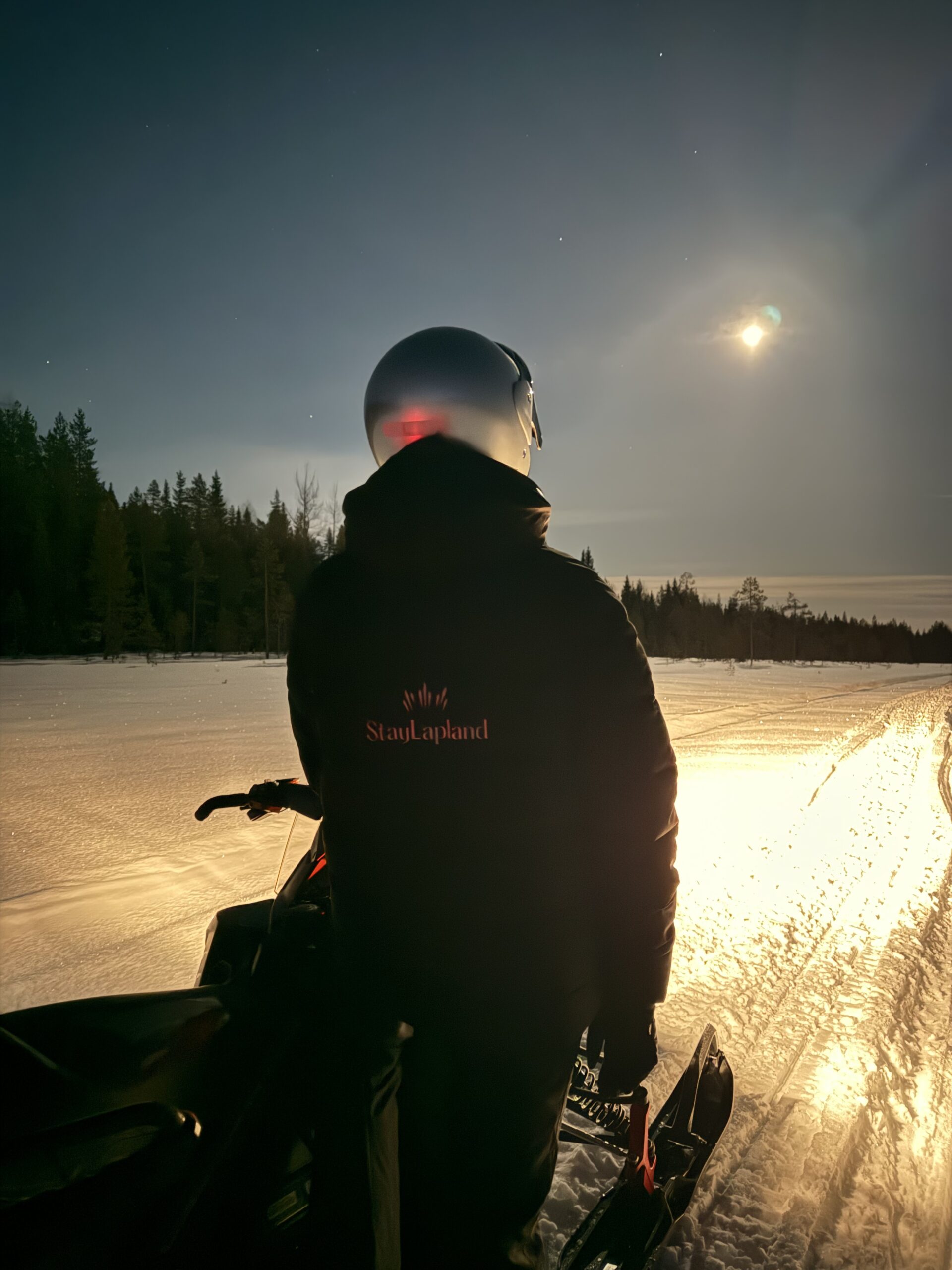
This guide is built from what we have learned living in Rovaniemi and writing about Lapland travel for years. Every detail below is from first-hand experience or from the live StayLapland product pages — never invented.
Wildlife in Lapland is wild, low-key, and genuinely wonderful — but you need realistic expectations. On guided tours around Rovaniemi you can spot reindeer, arctic birds, and hares confidently; foxes and elk occasionally; wolves and bears almost never. Summer is the richest season for nature encounters: berries carpet the forest floor, and a guided outing like the Wild Berry Hunt5% off · HUNGRYTRAVELFAMILY5 takes you deep into private wilderness where you forage for cloudberries, blueberries, and lingonberries while a local guide reads the landscape. Winter brings its own drama — reindeer crossing frozen lakes, golden-hour ptarmigan, and the occasional fox track in fresh snow.
Our pick · 5% off with code HUNGRYTRAVELFAMILY5
Wild Berry Hunt
Live dates and prices open right here on this page — you book directly with StayLapland and stay on hungrytravelfamily.com.
Get our 3-Day Rovaniemi Planner (PDF)
Which tour on which day, real prices, what to wear, and the six mistakes that waste a night. We also send the code that takes 5% off every husky, aurora and snowmobile tour.
One email a month from Rovaniemi, unsubscribe any time. Check your inbox to confirm and the planner opens instantly.
- What Wildlife Actually Lives in Lapland?
- What You Can Realistically See on a Tour
- Best Seasons for Wildlife Encounters
- Foraging for Wild Berries: A Unique Wildlife Experience
- How to Photograph Arctic Wildlife
- Wildlife You Won't See (And Why That's OK)
- Ethical Wildlife Watching in Lapland
- FAQ: Wildlife Photography in Lapland
- Final Word
What Wildlife Actually Lives in Lapland?
Lapland sits above the Arctic Circle, and its boreal forests, fell plateaus, and river valleys shelter a remarkable cast of animals. Most visitors hear "Arctic wildlife" and picture polar bears — wrong continent entirely. What you actually get in Finnish Lapland is subtler, and in many ways more satisfying.
The stars of the show are reindeer, which are semi-domesticated here and roam freely across the landscape. They're not shy — it's entirely normal to come across a herd crossing the road on the way to the airport. Elk (moose) are the largest wild animals you're likely to encounter; they're common in the forests around Rovaniemi but tend to stay in the treeline at dawn and dusk. Arctic hares turn brilliant white in winter and are surprisingly easy to spot against darker ground cover. Red foxes and the rarer Arctic fox patrol the forest edges; the Arctic fox is endangered in Finland but its range does extend into the fells north of Rovaniemi.
Birdlife is spectacular, particularly in summer. Whooper swans, golden eagles, Siberian jays, and the beloved Siberian tit are all present. Winter brings ptarmigan in their white camouflage plumage, and the snowy owl — one of the most iconic sightings in Lapland — makes occasional appearances in open fell areas.
Predators exist but are rarely seen. Wolves, wolverines, lynx, and brown bears all inhabit Finnish Lapland, but they cover enormous territories and actively avoid humans. If you see wolf tracks or a wolverine's drag mark in the snow, that is a proper field journal moment.
What You Can Realistically See on a Tour
Let's be direct: a guided activity in the Rovaniemi area will almost certainly not show you wolves, bears, or wolverines. Those animals avoid populated corridors. What you can count on is considerably richer than many visitors expect.
Almost guaranteed: reindeer (especially on reindeer farm visits), small birds like Siberian jays that approach surprisingly close, and — in winter — animal tracks everywhere in the snow. Reading a fresh snow scene with a guide is genuinely exciting: you learn to distinguish fox from hare from grouse from elk.
Common but not guaranteed: elk at dawn or dusk, red foxes near open fields, and in summer, the full berry-foraging ecosystem — pollinators, migratory waders on bogs, and the cloudberry flowers that signal a good harvest is coming.
Lucky sightings: Arctic hare in full winter white, golden eagle overhead, ptarmigan flock flushed from the snow. These happen more often than you'd think if you're with a guide who knows the landscape.
The key is choosing an activity that puts you in the right habitat. A snowmobile safari on open trails gives you distance and speed — great for scenery, but animals scatter at the noise. Slower activities like snowshoeing, cross-country skiing, or the berry-picking summer tours keep you quiet and low to the ground, which is where encounters happen.
Best Seasons for Wildlife Encounters
Every season in Lapland has its own wildlife character, and none is objectively better than another — they're just different.
Summer (June–August) is the most ecologically rich period. The forest floor erupts with berries, mushrooms, and wildflowers. Migratory birds have arrived from Africa and Asia. The midnight sun means you can be in the forest at 2 am and still photograph in golden light. Elk calves are on their feet from June, and the bogs come alive with dragonflies and waders. This is the prime season for nature-immersion tours.
Autumn (September–October) brings ruska — the Finnish term for the riot of autumn colour that sweeps the fells in late September. Elk are in rut and more visible. The first frosts kill off the mosquitoes. Lingonberries are at peak ripeness. Migratory raptors pass through on their way south, and the first northern lights appear on clear nights.
Winter (November–March) is the season most visitors arrive for, and wildlife-wise it doesn't disappoint. The snow is a perfect tracker's canvas: every animal that moved through the forest overnight leaves a readable record. Reindeer in the snow are otherworldly. Ptarmigan in white plumage are well-camouflaged but findable. And the low winter light is extraordinary for photography.
Spring (April–May) is the hidden gem. The snow melts dramatically, revealing the previous year's berry bushes still holding frozen fruit. Willow ptarmigan begin their courtship displays. Migratory birds arrive early — the first whooper swans landing on ice-free lakes is one of the most beautiful sights in Lapland.
Foraging for Wild Berries: A Unique Wildlife Experience
Berry foraging occupies a special place in Finnish culture — the right to roam (everyman's right, or jokamiehenoikeus) means anyone can pick berries anywhere in Finland's forests, and Laplanders have done so for generations. For visitors, doing it with a local guide transforms a pleasant walk into something genuinely educational.
The Wild Berry Hunt from StayLapland runs for 3 hours in private Kuoksa wilderness forest and covers the full foraging spectrum across the summer season. Cloudberries — the golden, intensely flavoured gems that ripen in the bogs — are available from mid-July through mid-August. Blueberries follow in late July through early September, carpeting the forest floor in the kind of abundance that visitors from southern Europe find almost unbelievable. Lingonberries peak in September, right at the transition into autumn colours.
The experience includes a knowledgeable English-speaking guide (Spanish, Portuguese, and Finnish available on request), traditional light snacks and drinks by the campfire beside the lake, hotel pickup within 10 km of Rovaniemi city centre, and an air-conditioned car for the transfer. You need a minimum of 2 people on weekdays and Saturdays. Children under 13 must be accompanied by adults paying the full price. You can book up to 8 hours before departure.
Book the Wild Berry Hunt5% off · HUNGRYTRAVELFAMILY5 directly — use code HUNGRYTRAVELFAMILY5 at checkout for 5% off.
Beyond the berries themselves, what makes this kind of tour stand out for wildlife photography is the silence and the pace. You're moving slowly through undisturbed forest, stopping often, crouching down to look at things. That's exactly the mode in which birds and mammals reveal themselves.
How to Photograph Arctic Wildlife
You don't need a telephoto the size of a small car to photograph Lapland wildlife well. Some of the best shots come from compact mirrorless cameras or even phones, because the light here is extraordinary and many of the most photogenic subjects — ptarmigan, Siberian jays, reindeer — tolerate close approach.
A few principles that actually make a difference:
Get low. Ground-level shots of animals in their habitat — a ptarmigan against the snow, a reindeer among birch trees — are vastly more powerful than shots from standing height. Bring a small mat or knee pads in winter.
Shoot at golden hour. In winter, Rovaniemi gets only a few hours of low-angle light per day — roughly 10 am to 2 pm. That's your window. In summer, the midnight sun gives you golden light at midnight, and it's genuinely magical in the forest.
Use silence as your main tool. Noise is the enemy. A snowmobile tour is a poor choice for wildlife photography; a slow walk on snowshoes, a berry-picking tour, or a pre-dawn trek to a known elk meadow is not.
Patience over position. Finnish guides know their territory deeply. If your guide stops and becomes very still, stop and become very still too. Don't talk, don't reach for your camera bag noisily. The animal will often reveal itself in 30–60 seconds if you wait it out.
Weather is your friend. Overcast days with flat light are excellent for portraits of dark-furred animals like fox. Light snow falling gives images a three-dimensional quality you can't fake in post. Embrace the conditions rather than waiting for "nice" weather.
Wildlife You Won't See (And Why That's OK)
Transparency matters. Here's what you're very unlikely to encounter on a standard Rovaniemi guided tour, and why that's actually a healthy sign.
Brown bears in Finnish Lapland are genuinely wild animals that hibernate from October to April and spend the summer actively avoiding humans. Dedicated bear-watching hides exist further east in Finland (near Kuhmo) where guides place camera traps at known feeding sites. In Rovaniemi, you're not going to stumble across one on a berry hunt. Paw prints? Possible. The bear itself? No.
Wolves are present but their pack territories span hundreds of square kilometres. A chance sighting on a tour is like winning a small lottery. What you will find — and what experienced trackers love — is wolf tracks in winter snow, sometimes fresh enough that the edges haven't blurred.
Lynx are so secretive that Finnish field guides half-jokingly call them "the ghost cat." They exist. You will not see one. You might, if very lucky, find the distinctive round paw prints in soft snow.
The honest framing is this: Lapland's value isn't mega-fauna spotting. It's the totality of the landscape — the silence, the light, the tracks, the berries, the birds calling from the spruce tops, and the reindeer that materialize from the birch forest and stare at you with complete calm. That experience is extraordinary and reliably available. The wolves are a bonus.
Ethical Wildlife Watching in Lapland
Finnish wilderness culture has a strong ethic around leaving things as you find them, and it's worth understanding before you go.
Everyman's right allows anyone to enter forests and pick berries and mushrooms, but it comes with corresponding responsibilities: don't damage vegetation, don't disturb nesting birds, don't leave litter, and don't approach reindeer herds in a way that separates calves from mothers. Reindeer here are owned by herders — they're not wild animals in the Western sense — and herding dogs and herding vehicles have right of way on forest roads.
Leave no trace in winter is especially important because Arctic soils are fragile and slow to recover. Stick to existing tracks when snowshoeing or skiing off-piste. Don't snap branches off spruce trees for fireside decoration.
Feeding wild animals is illegal in Finland and for good reason: foxes and birds that become food-habituated lose their natural fear response and often die in their first hard winter. Photograph animals, don't feed them.
Choosing a guide operation like StayLapland, which operates in its own private wilderness area (the Kuoksa estate), means you're contributing to land management that actively protects the habitat you're visiting. Small groups, slow-paced activities, and a strong local conservation ethic are baked into the experience.
FAQ: Wildlife Photography in Lapland
What animals are unique to Lapland compared to the rest of Finland?
The Arctic fox, snowy owl, ptarmigan, and wolverine all have their strongest Finnish presence in Lapland. Reindeer are culturally and ecologically distinctive here in a way they aren't further south. The fell (tunturi) ecosystem — treeless upland plateaus — supports species found nowhere else in Finland.
Do I need a special permit to photograph wildlife in Lapland?
No permit is needed for photography in Finnish forests under everyman's right. Entering private land requires permission, which is why guided tours on private estates like Kuoksa offer access that self-guided hiking doesn't. Drone photography has its own regulations and is restricted near reindeer during calving season.
Is summer or winter better for wildlife photography?
Different rather than better. Winter gives you clean white backgrounds, tracks in snow, and dramatic low light. Summer gives you lush green backgrounds, active wildlife, berries, and the midnight sun. Both are genuinely great. If you can only come once, late February offers northern lights + winter wildlife + good snow conditions simultaneously.
Can children join wildlife and foraging tours?
Yes — the Wild Berry Hunt specifically notes that children under 13 must be accompanied by adults who pay the full ticket price. Most nature-immersion tours are family-friendly; the slow pace actually suits young children better than snowmobile safaris.
What camera gear should I bring?
For general wildlife photography, a camera with a 200–400mm lens equivalent covers most situations. For intimate forest shots and landscapes, a wider 24–70mm equivalent is more versatile. In temperatures below −15°C, keep batteries warm in an inner pocket. Mirrorless cameras perform better in the cold than DSLRs in our experience.
How do I book the Wild Berry Hunt and are there discounts?
Book directly through the StayLapland Bokun link — use the reader discount code HUNGRYTRAVELFAMILY5 at checkout for 5% off. The cutoff is 8 hours before departure, so you can book same-day if spots are available.
Final Word
Wildlife photography in Lapland rewards the patient and the curious more than the gear-obsessed and the schedule-driven. The animals that you'll almost certainly encounter — reindeer, birds, hares, the occasional fox — are more photogenic than most people expect. The animals you probably won't see — wolves, bears, lynx — leave evidence of their passage in the landscape that a good guide can read like text.
Come with curiosity, dress for the season, move slowly, and choose an activity that matches the pace of the ecosystem rather than fighting it. A three-hour berry forage in private forest will show you more of real Lapland nature than most travellers see in a week.
That's the honest take from two people who've spent years here. The wilderness doesn't perform on demand — but it consistently delivers.
Check live dates and prices for Wild Berry Hunt
Pick your date below to see real-time availability. Enter HUNGRYTRAVELFAMILY5 at checkout for 5% off.
Browse our Rovaniemi picks
Tap a category to see every tour with live prices — it opens right here. Code HUNGRYTRAVELFAMILY5 gives you 5% off at checkout.
Code HUNGRYTRAVELFAMILY5 works on every StayLapland activity. We work with StayLapland and may earn a small commission — it does not change your price.
Get our 3-Day Rovaniemi Planner (PDF)
Tour-by-tour plan with real prices, plus the code that takes 5% off every StayLapland activity. One email a month, from Rovaniemi.